 admin
admin The Ultimate Pothos Care Guide: Keep Your Plant Happy & Healthy for Years
If you’ve ever killed a houseplant (let’s be honest—most of us have), you know the frustration of watching leaves yellow, wilt, or rot. But here’s the good news: pothos care is designed for beginners. This hardy, trailing plant thrives with minimal fuss—if you understand its basic needs. Whether you’re a first-time plant parent or looking to revive a struggling pothos, this guide will walk you through every step to keep your green companion vibrant for years.
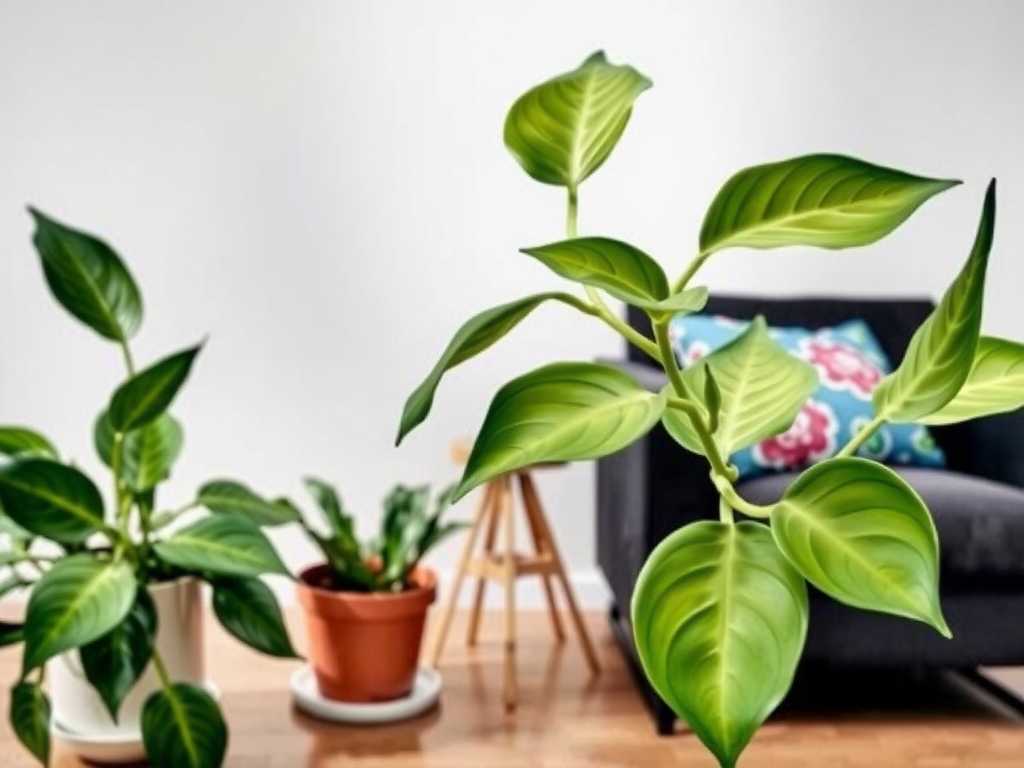
Understanding Pothos: Why It’s a Beginner-Friendly Houseplant
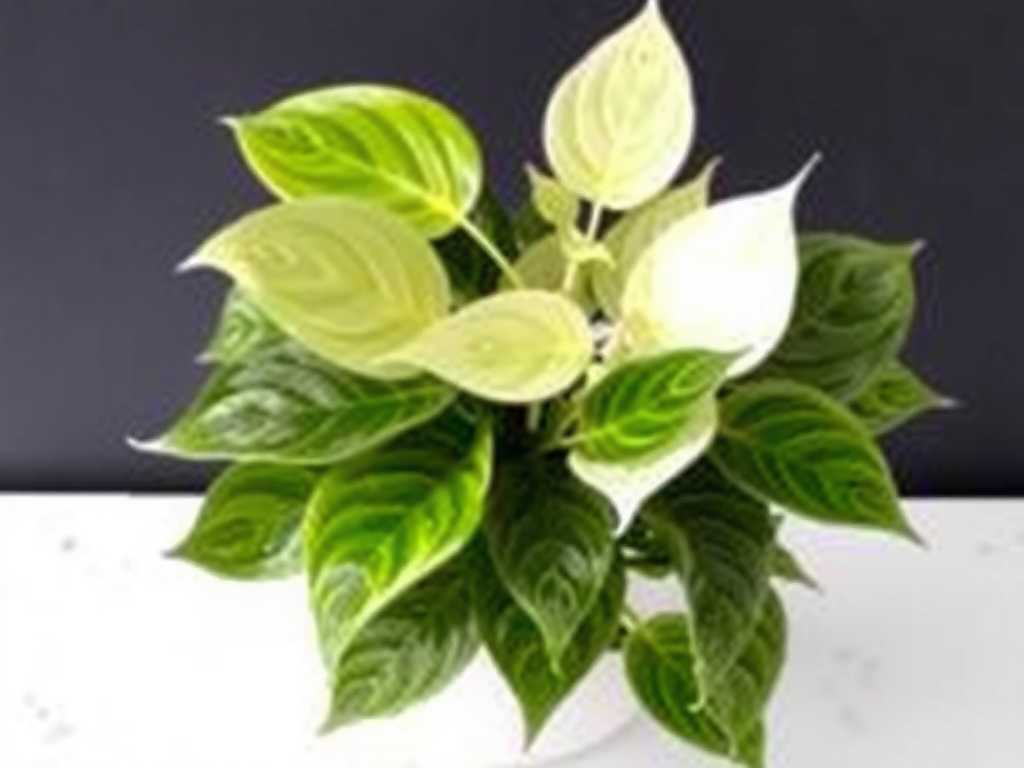
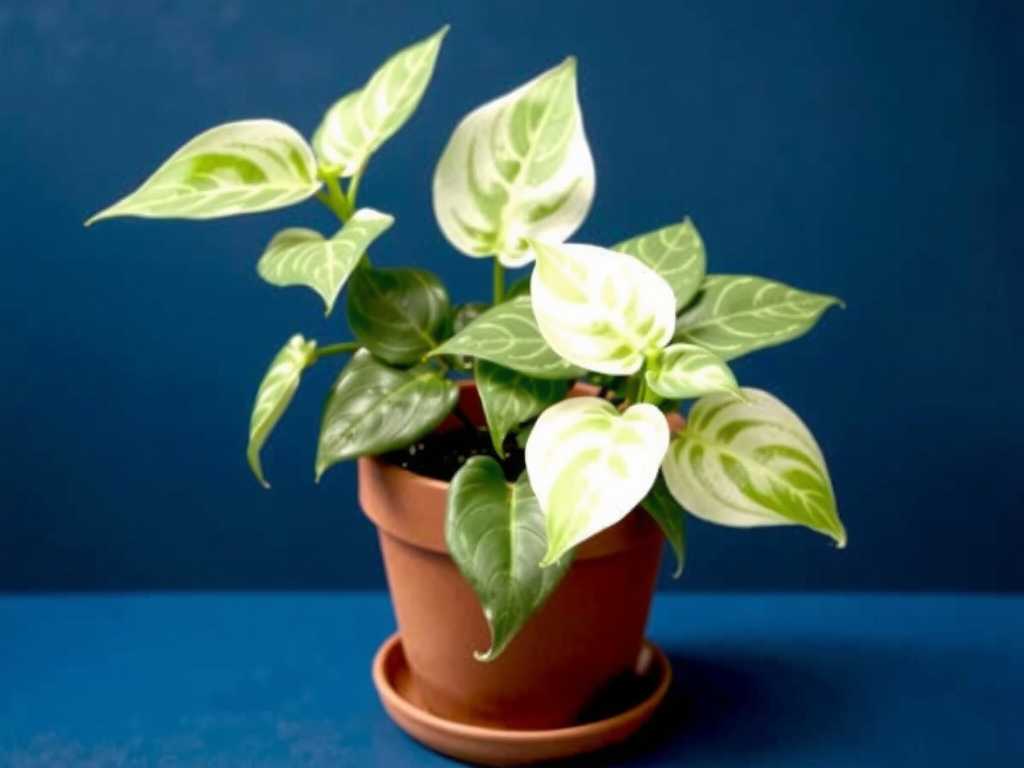
Pothos (Epipremnum aureum) is often called “devil’s ivy” because it’s nearly impossible to kill—even in low light or with occasional neglect. Native to Southeast Asia, it grows as a vine in the wild, but indoors, it adapts to hanging baskets, shelves, or trellises. Its heart-shaped leaves come in varieties like golden pothos (bright green with yellow variegation) and marble queen (white variegation), but all share the same easygoing nature.
Experts love pothos too: NASA’s Clean Air Study found it removes toxins like formaldehyde and benzene from indoor air, making it a functional and beautiful addition to your home. But to keep it healthy, you need to match its care to its natural habits—no more guesswork.
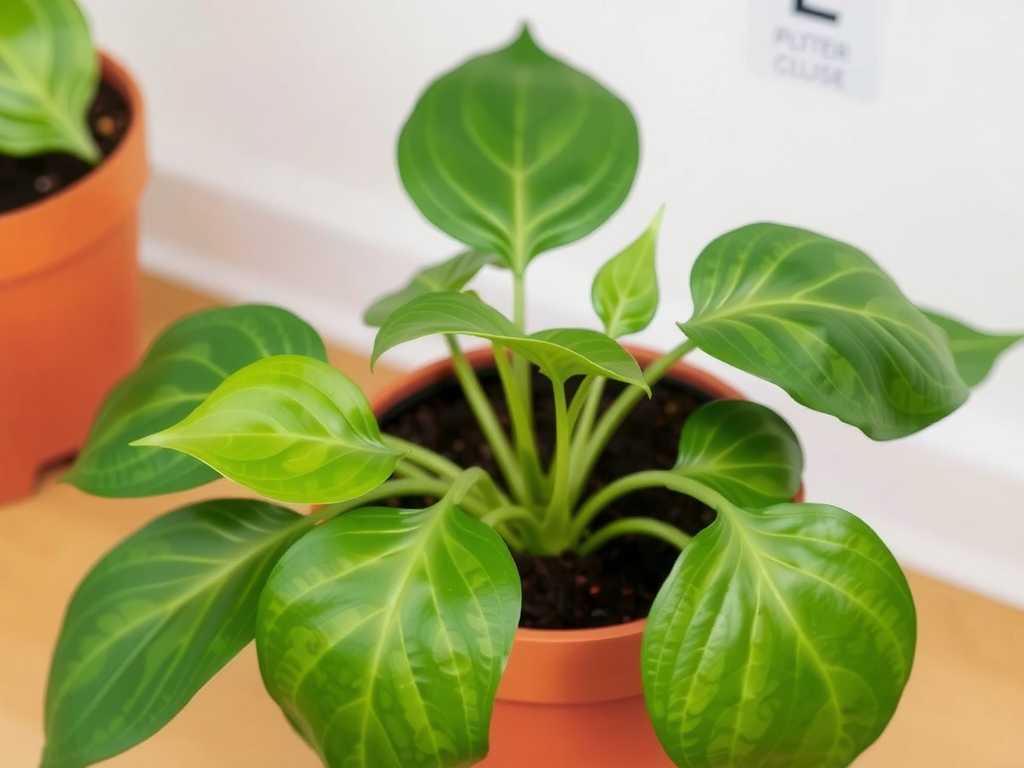
Key Elements of Successful Pothos Care
Ideal Light Conditions for Pothos
Pothos is a “low-light champion,” but that doesn’t mean it wants darkness. It thrives in bright, indirect light—think near a north-facing window or a few feet away from a sunny south-facing window. Direct sunlight will scorch its leaves (look for brown, crispy edges), while too little light causes variegation to fade (solid green leaves on varieties like marble queen) and growth to slow.
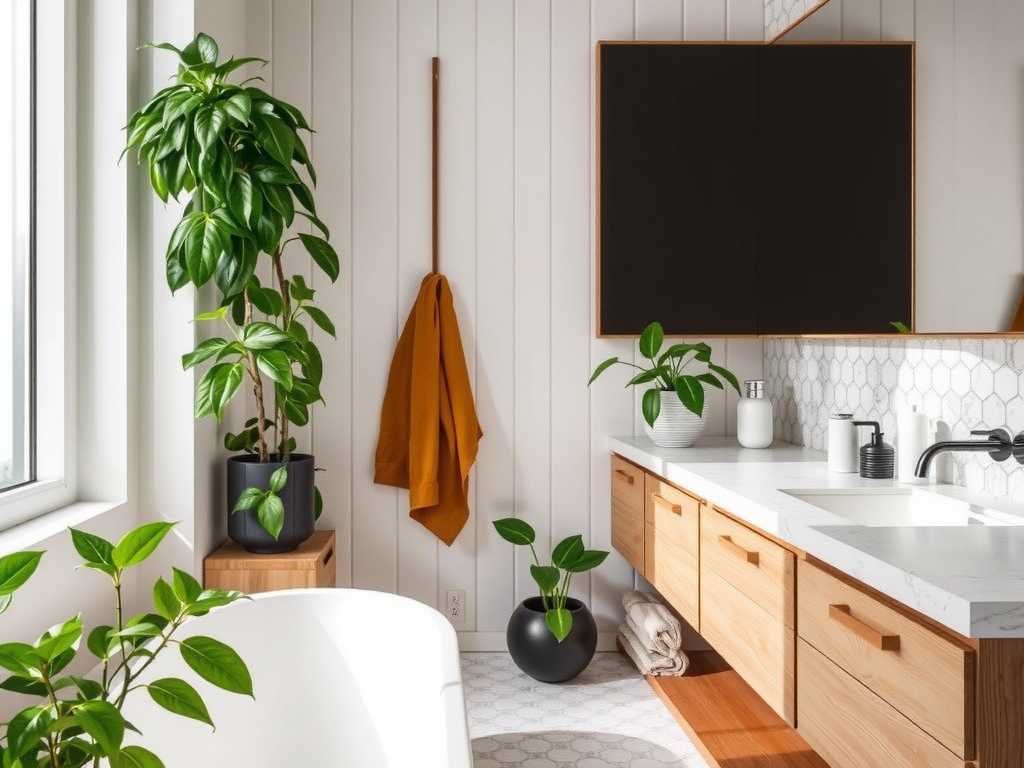
If your pothos is getting leggy (long stems with sparse leaves), move it to a brighter spot. For low-light rooms (like bathrooms or basements), supplement with a grow light—even 6-8 hours a week makes a big difference.
How to Water Your Pothos Correctly
Overwatering is the #1 killer of pothos. Unlike plants that need constant moisture, pothos prefers to dry out slightly between waterings. Here’s the rule: water only when the top 1-2 inches of soil feel dry to the touch. Stick your finger into the soil—if it comes out clean, it’s time to water.
When you do water, do it thoroughly: pour until water drains from the bottom of the pot (make sure your pot has drainage holes!). Empty the saucer under the pot after 15 minutes to prevent root rot. In winter, reduce watering—pothos grows slower and needs less moisture.
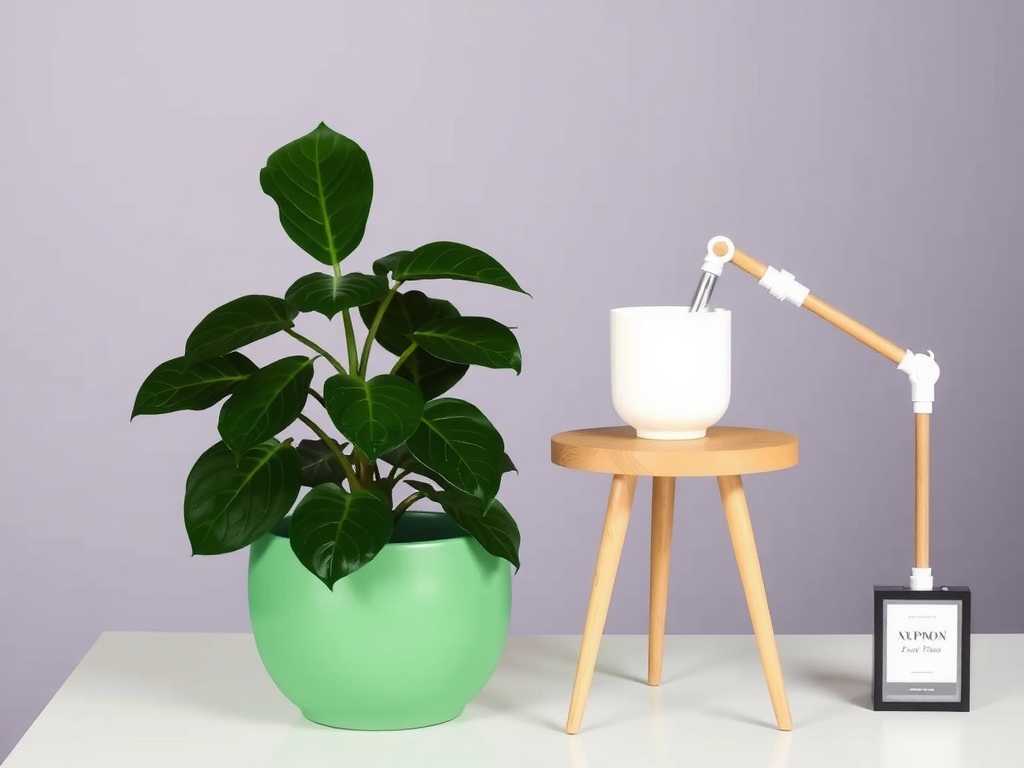
Pro tip: If you’re forgetful, use a self-watering pot or a moisture meter (available at garden centers) to take the guesswork out of pothos care.
The Right Soil and Pot for Pothos
Pothos hates “wet feet”—soil that stays soggy will rot its roots. Use a well-draining potting mix (look for “cactus mix” or add perlite to regular potting soil—1 part perlite to 2 parts soil works). This lets excess water flow through while retaining enough moisture for the roots.
For pots, choose terracotta or ceramic—they’re porous, so they dry out faster than plastic. Make sure the pot is 1-2 inches larger than the root ball (too big, and the soil stays wet too long). Repot every 1-2 years, or when roots circle the bottom of the pot.
Fertilizing: Less Is More
Pothos doesn’t need frequent feeding, but a little fertilizer in spring and summer (its growing season) will boost growth. Use a balanced, water-soluble fertilizer (like 10-10-10) diluted to half the recommended strength. Feed every 4-6 weeks—overfertilizing will burn the roots and cause brown leaf tips.
Skip fertilizer in fall and winter—pothos is dormant then, so it can’t use the nutrients.
Pruning and Training: Keep It Full and Bushy
Pothos grows fast, and pruning keeps it looking neat. Pinch back the tips of long stems (use clean scissors or your fingers)—this encourages branching, so your plant gets fuller instead of leggy. You can also propagate the cuttings: place them in water or soil, and they’ll root in 2-3 weeks.
If you want your pothos to climb (it looks stunning on a moss pole), tie stems loosely to the pole with twine. The plant will attach itself with aerial roots over time.
Common Pothos Problems and How to Fix Them
Yellow Leaves
Yellow leaves are usually a sign of overwatering (most common) or underwatering. Check the soil: if it’s soggy, stop watering and move the pot to a brighter spot to dry out. If it’s bone dry, give it a good soak.
If the yellowing is at the bottom of the plant, it’s natural—old leaves die off as the plant grows. Just pluck them off.
Brown Leaf Tips or Edges
Brown tips are often from low humidity (common in winter when heaters dry the air) or chemicals in tap water (chlorine or fluoride). To fix:
Increase humidity: mist the plant weekly, or place it on a pebble tray filled with water (make sure the pot isn’t sitting in water).
Use filtered or distilled water, or let tap water sit out overnight to evaporate chemicals.
Pests: Spider Mites and Mealybugs
Pothos rarely gets pests, but dry air can attract spider mites (tiny webs on leaves) or mealybugs (white, cottony spots). Wipe leaves with a damp cloth or use insecticidal soap (follow label instructions). Isolate the plant until pests are gone to prevent spreading.
Pro Tips for Long-Term Pothos Health
Rotate the pot: Turn it 180 degrees every few weeks so all sides get light—this keeps growth even.
Clean the leaves: Dust builds up on leaves, blocking light. Wipe them with a soft, damp cloth once a month.
Don’t move it too much: Pothos hates sudden changes—once you find a spot it likes, leave it there.
Frequently Asked Questions About Pothos Care
Q: How often should I water my pothos?
A: Water when the top 1-2 inches of soil are dry—this could be every 1-2 weeks in spring/summer, or every 3-4 weeks in winter. Always check the soil first—don’t stick to a strict schedule.
Q: Why are my pothos leaves turning yellow?
A: Overwatering is the main cause. Check if the soil is soggy—if yes, stop watering and improve drainage. If the soil is dry, you’re underwatering. Yellowing at the bottom is natural (old leaves die off).
Q: Can pothos grow in low light?
A: Yes, but it will grow slower and lose variegation (variegated types turn solid green). For best results, give it bright, indirect light—low light is a “survival” mode, not a “thriving” mode.
Pothos care is all about balance: not too much water, not too little light, and just enough attention. With these tips, your pothos will trail down shelves, climb moss poles, or fill empty corners with lush green leaves for years. Remember—this plant is forgiving, so don’t stress if you make a mistake. Adjust, learn, and enjoy the process—your pothos will thank you with endless growth.
Whether you’re a beginner or a seasoned plant parent, pothos is a reliable, beautiful addition to your home. Follow this guide, and you’ll never have to say “I killed another plant” again.

发表评论