 admin
admin How to Care for Pothos Varieties with Fast Growth
You've brought home a beautiful, trailing pothos, dreaming of lush, cascading vines. Yet, months later, the growth seems sluggish, with only a few new leaves. You're left wondering what you're doing wrong. This common frustration stems from not fully understanding the specific needs of these vigorous plants. While pothos are famously low-maintenance, unlocking their true, rapid growth potential requires a tailored approach. This guide will walk you through the exact care strategies to transform your pothos into a thriving, fast-growing jungle specimen.
Understanding Fast-Growing Pothos
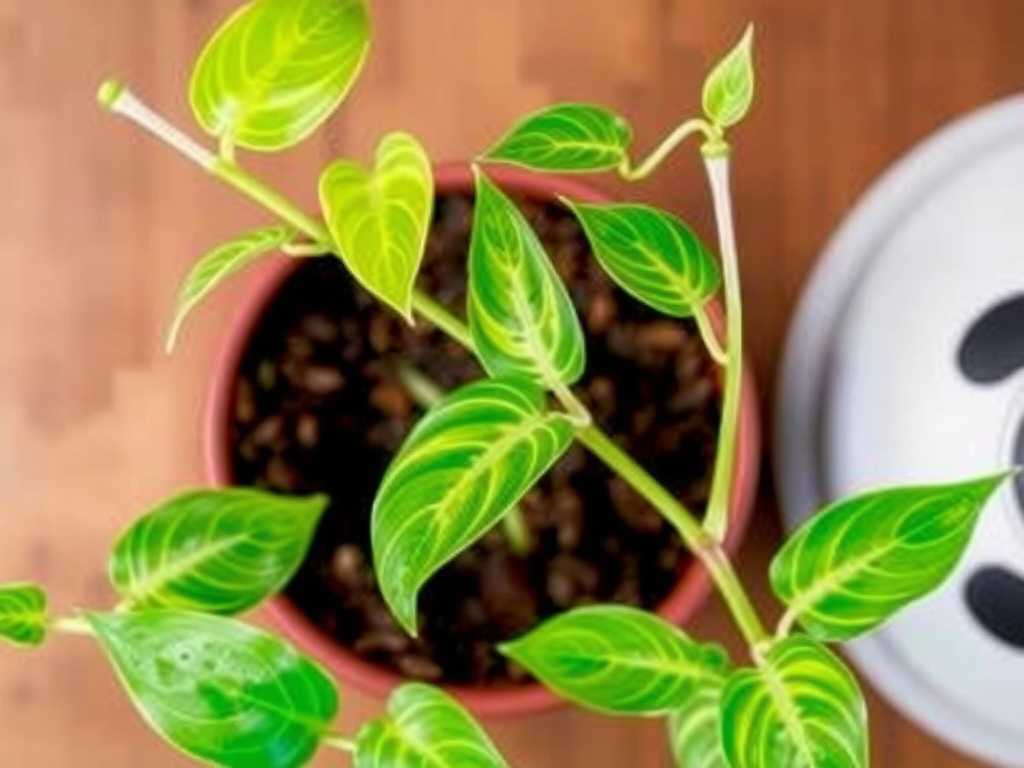
Pothos (Epipremnum aureum) are naturally vigorous climbers in their tropical habitats. When we provide conditions that mimic their native environment, their growth can be remarkably swift. Some varieties are particularly known for their speed. The classic Golden Pothos, with its marbled green and yellow leaves, is a rapid grower under good light. The Jade Pothos, a solid green variety, also puts out consistent growth. For a dramatic display, the Neon Pothos, with its bright chartreuse leaves, can quickly fill a space with vibrant color. The key to fast growth for any variety lies in a synergy of five core elements: light, water, soil, nutrients, and strategic pruning.
Providing the Perfect Light for Acceleration
Light is the primary engine of growth. It's the most common factor holding back a pothos's potential. These plants are adaptable to low light, but they merely survive there; they do not thrive.
Bright, indirect light is the absolute sweet spot for fast growth. Position your pothos near an east-facing window or a few feet back from a south or west-facing window, where it will receive plenty of ambient light without the harsh, direct rays that can scorch its leaves. The right light intensity directly fuels photosynthesis, leading to more frequent leaf production and longer internodes (the spaces between leaves).
If you notice your plant becoming leggy—with long stretches of vine between small leaves—it is desperately reaching for more light. Conversely, if leaves are pale, washed out, or developing brown, crispy patches, it might be getting too much direct sun. A study on indoor plant physiology consistently shows that plants receiving optimal indirect light exhibit up to 300% more biomass production over six months compared to those in low-light conditions.
Mastering the Watering Balance
Watering is where many well-intentioned plant owners stumble. The goal is consistent moisture, not alternating between drought and flood. Pothos prefer to dry out partially between waterings.
The best method is the "finger test." Insert your finger about two inches into the soil. If it feels dry at that depth, it's time to water thoroughly. Water until you see it freely draining from the bottom of the pot, ensuring the entire root ball is hydrated. Then, empty the saucer to prevent root rot. A pot with adequate drainage holes is non-negotiable for this process.
Underwatering will cause leaves to wilt, yellow, and crisp at the edges, halting growth. Overwatering is more dangerous, leading to constantly wet soil, yellowing leaves, black stems, and fatal root rot. Your watering frequency will change with the seasons: more often in the bright, warm growing season (spring and summer) and much less during the dormant period (fall and winter).
Choosing the Right Soil and Pot
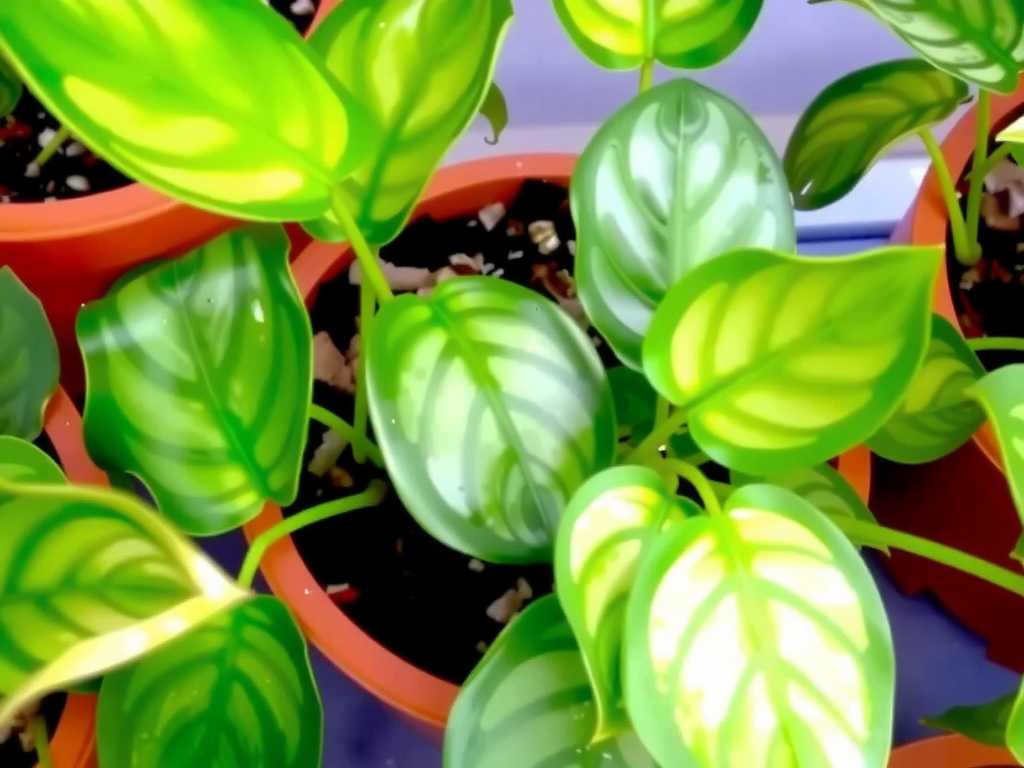
Fast growth requires a supportive foundation. Pothos need a well-aerated, fast-draining potting mix that retains some moisture without becoming soggy. A standard indoor potting mix amended with perlite or orchid bark is perfect. This creates air pockets for healthy roots.
Pot selection is equally important. A pot that is too large holds excess moisture, risking root rot. A pot that is too small constricts the roots, stifling growth. Repot your pothos every 1-2 years, or when you see roots circling the bottom or emerging from drainage holes. Move up only 1-2 inches in pot diameter to provide fresh soil and a little more room without drowning the roots.
Fueling Growth with Proper Fertilization
While light is the engine, fertilizer is the high-quality fuel. During the active growing season (spring through early fall), feeding your pothos is crucial for fast growth.
Use a balanced, water-soluble fertilizer (with an equal ratio like 10-10-10 or 20-20-20) diluted to half the recommended strength. Apply this once a month. Over-fertilizing can burn the roots and cause leaf tip burn, so "less is more" is a good rule. In the winter, when growth naturally slows, stop fertilizing entirely to allow the plant to rest.
Pruning and Training for Bushier Growth
Pruning is not just about control; it's a growth stimulant. Pothos naturally want to grow long, single vines. To create a fuller, bushier plant with more growth points, you must encourage branching.
Simply take sharp, clean scissors and trim a vine just below a leaf node (the small bump on the stem where a leaf grows). This signals the plant to send out new growth from that node, often resulting in two new vines. You can propagate these cuttings in water or soil to add back into the mother pot for instant density. Training vines to climb a moss pole or trellis can also encourage larger leaves and more vertical growth, mimicking their natural habit.
Troubleshooting Common Growth Issues
Even with great care, issues can arise. Yellow leaves often signal overwatering. Brown, crispy leaf tips usually indicate low humidity or underwatering. Leggy vines with small leaves are a plea for more light. Pests like spider mites or mealybugs can also slow growth; treat them promptly with insecticidal soap or neem oil. Addressing these problems quickly gets your plant back on its fast-growth track.
How can I make my pothos grow faster? Focus on the big three: maximize bright, indirect light, fertilize monthly during the growing season with a diluted balanced fertilizer, and ensure proper watering—watering deeply only when the top few inches of soil are dry. Strategic pruning to encourage branching will also create a fuller plant.
What is the best fertilizer for pothos growth? A balanced, all-purpose liquid fertilizer is ideal. Look for an equal NPK ratio (like 10-10-10) and dilute it to half strength. Apply this once a month from spring to early fall. This provides the essential nutrients for foliage and vine development without risking chemical burn.
Why is my pothos not growing new leaves? Stalled growth typically points to an environmental factor. The most common causes are insufficient light, the plant being root-bound in a too-small pot, or a lack of nutrients. Check its placement first, then assess if it needs repotting or a feeding schedule. Also, remember that growth naturally pauses in winter.
Caring for fast-growing pothos varieties is a rewarding journey of understanding their simple yet specific needs. By providing the right combination of bright, indirect light, disciplined watering, well-draining soil, seasonal feeding, and encouraging pruning, you unlock their innate vigor. The result is not just a plant that survives, but one that actively and visibly thrives, transforming your space with its vibrant, cascading greenery. Start by observing your plant's current conditions and make one adjustment at a time—you'll likely see a noticeable difference in its growth and vitality.




发表评论