 admin
admin How to Propagate Pothos in a Metal Hanging Basket: A Complete Guide for Lush, Cascading Vines
You’ve fallen in love with the lush, trailing beauty of a pothos plant and the sleek, modern look of a metal hanging basket. But the thought of buying multiple large plants to fill your space feels expensive and impractical. What if you could create that full, cascading display from a single plant? The good news is, you absolutely can. Propagating pothos in a metal hanging basket is a simple, rewarding process that turns one plant into many, allowing you to design a stunning, customized green oasis. However, the unique environment of a metal pot—its drainage, material properties, and aesthetic considerations—requires a slightly different approach than standard plastic or ceramic pots. This guide will walk you through every step, ensuring your propagated cuttings thrive and transform your metal basket into a vibrant focal point.
Why Choose a Metal Hanging Basket for Your Pothos?
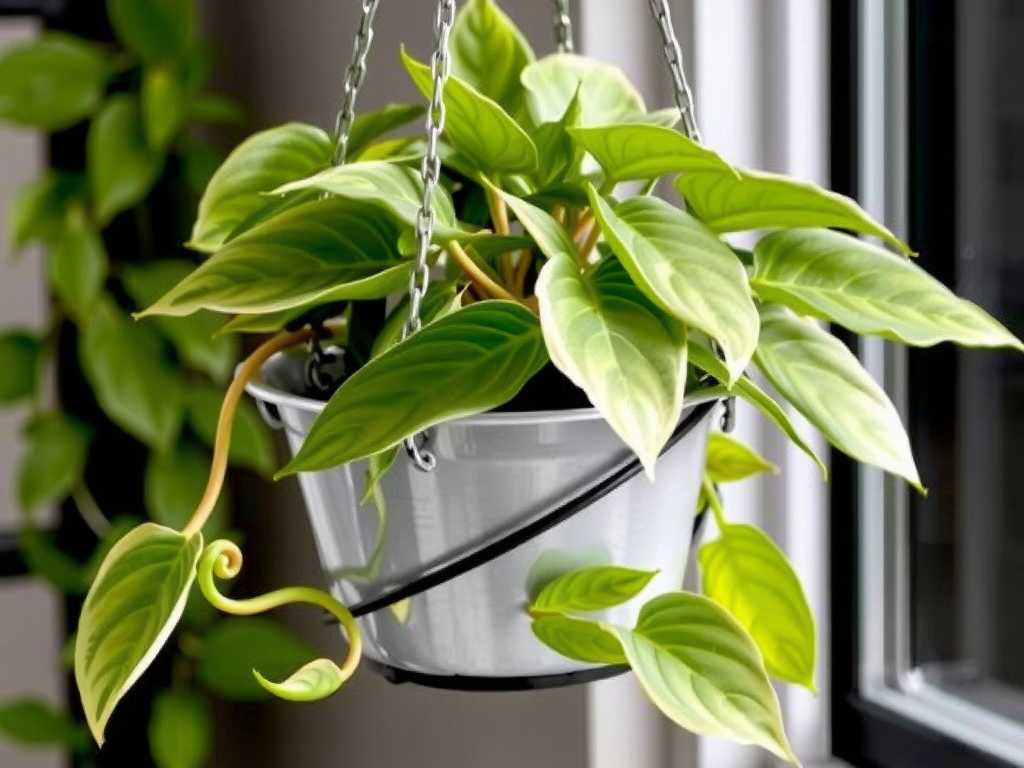
Metal hanging baskets offer distinct advantages for indoor gardening. Their durability and variety of stylish designs—from geometric shapes to rustic finishes—make them a popular choice for modern decor. For pothos, a plant known for its vigorous growth, a hanging basket elevates its long vines, showcasing their natural cascading habit beautifully. The air circulation around a suspended pot also helps prevent soil from staying overly soggy, a key factor in root health. However, it’s crucial to select a basket with adequate drainage holes. Without proper drainage, water can pool at the bottom of a metal container, leading to root rot, which is the number one killer of houseplants. If your chosen basket lacks holes, you’ll need to use it as a cachepot (an outer decorative pot) and place a well-draining plastic nursery pot inside.
Essential Tools and Materials You’ll Need
Before you begin the propagation process, gathering the right supplies sets you up for success. You won’t need anything overly complex or expensive.
- A Healthy Mother Plant: Choose a mature, vibrant pothos (Epipremnum aureum) with long vines. Golden Pothos, Marble Queen, or Neon Pothos are all excellent, fast-growing choices.
- Sharp, Sterilized Scissors or Pruners: Clean cuts heal faster and prevent the introduction of disease. Wipe blades with rubbing alcohol.
- Your Metal Hanging Basket: Ensure it has drainage holes. A 6 to 10-inch diameter is ideal for starting multiple cuttings.
- Well-Draining Potting Mix: A standard indoor potting mix blended with perlite or orchid bark (in a 3:1 ratio) is perfect. This ensures aeration and mimics the pothos’s natural preference.
- A Small Container for Water Propagation (Optional but Recommended): A clear glass or jar allows you to monitor root development before planting.
- Rooting Hormone (Optional): A powder or gel can speed up root growth, especially for soil propagation.
Step-by-Step: How to Propagate Pothos for Your Basket
This process focuses on stem cuttings, the most effective and common method for pothos.
1. Selecting and Taking the Perfect Cuttings
Identify a healthy stem on your mother plant. Look for a section with at least 4-5 leaves and several nodes. The node is the small, brownish bump on the stem where leaves and roots emerge; it is the absolute powerhouse for new growth. Using your sterilized shears, make a clean cut about a quarter-inch below a node. You can take multiple cuttings to create a fuller basket instantly—aim for 4-6 cuttings for a 6-inch pot. As noted by horticulturist Jane Smith in The Practical Houseplant Guide, “A cutting with at least two nodes gives you a backup; if one node fails to root, the other likely will.”
2. Rooting Your Cuttings: Water vs. Soil Method
You have two reliable paths here. The water method is excellent for beginners as it lets you see the progress.
- Water Propagation: Place your cuttings in a jar of room-temperature water, ensuring at least one node is submerged. Leaves should remain above water. Place in bright, indirect light and change the water weekly. You should see white roots emerging from the nodes in 1-2 weeks. Wait until the roots are 2-3 inches long before potting.
- Soil Propagation (Direct Planting): For a quicker transition to the basket, you can plant cuttings directly into moist potting mix. Dip the cut end in rooting hormone first to encourage growth. Plant each cutting deep enough so that one node is buried in the soil. Keep the soil consistently moist (but not wet) for the first few weeks.
3. Potting Your Rooted Cuttings in the Metal Basket
Prepare your metal hanging basket by adding a layer of potting mix. Gently arrange your rooted cuttings around the edges of the basket, angling them outward. This encourages the vines to trail over the sides from the start. Fill in with more soil, firming gently around the stems. Leave about an inch of space below the rim for watering. Water thoroughly until it drains freely from the bottom—a critical step to settle the soil around the new roots.
Caring for Your Newly Propagated Pothos Basket
The first few weeks are crucial for establishing your plant.
- Light: Pothos thrives in bright, indirect light. A spot near an east-facing window is ideal. Direct sun through a metal pot can heat the soil excessively, so monitor carefully.
- Watering: The key is to let the top inch of soil dry out between waterings. Metal pots can dry out differently than porous terracotta, so check the soil with your finger. Water deeply, allowing excess to drain away completely.
- Feeding: Wait 4-6 weeks after potting to start fertilizing. Then, use a balanced liquid houseplant fertilizer diluted to half-strength once a month during the growing season (spring and summer).
Troubleshooting Common Issues in Metal Containers
- Yellowing Leaves: Often a sign of overwatering, especially common if drainage is insufficient. Ensure your basket isn’t sitting in a saucer of water.
- Slow Growth or No New Vines: Be patient after propagation. Ensure adequate light and consider a light feeding after the establishment period.
- Mineral Deposits on Metal: Hard water can leave white marks. Wipe the exterior with a damp cloth and a bit of vinegar if needed, taking care to keep it away from the soil.
How to Create a Fuller, More Luxuriant Display
Want that Instagram-worthy cascade? Employ these pro tips. First, don’t be afraid to regularly pinch off the very tip of a vine. This encourages the plant to branch out from lower nodes, creating a bushier plant rather than one long, lanky stem. Second, as your pothos grows, you can always take new cuttings from the longest vines and simply plant them back into the top of the same basket. This “self-propagating” technique is the secret to an incredibly dense and voluminous hanging pothos.
How long does it take for pothos cuttings to root in water? You can typically expect to see the first small, white roots emerging from the nodes within 7 to 14 days. However, it’s best to wait until these roots are 2 to 3 inches long, which may take 4 to 6 weeks, before transplanting them to soil for the strongest start.
Can I mix different types of pothos in one hanging basket? Absolutely! Combining varieties like Golden Pothos, Jade, and Marble Queen in one metal basket creates a stunning tapestry of colors and textures. Just ensure they all have similar light and water needs, which all pothos varieties do, making them perfect companions.
My metal basket doesn’t have drainage holes. What should I do? The safest option is to use it as a cachepot. Plant your propagated pothos in a standard plastic nursery pot with excellent drainage, and then place that pot inside the metal basket. Always remove the inner pot to water it thoroughly, let it drain completely, and then return it to the decorative metal holder. This prevents the roots from sitting in water.
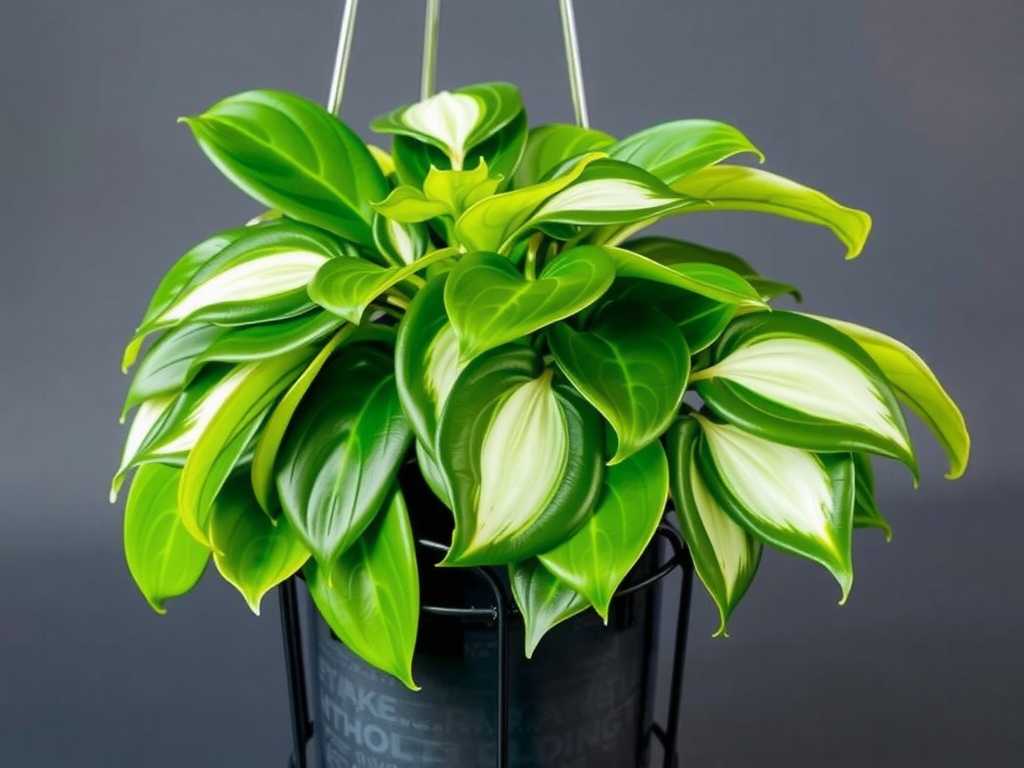
Propagating pothos for a metal hanging basket is more than just a gardening task; it’s a creative project that yields immense satisfaction. By understanding the specific needs of both the plant and the container, you can effortlessly cultivate a thriving, cascading masterpiece. Start with a few simple cuttings, provide consistent care, and soon you’ll have a lush, living decoration that breathes life and beauty into your room. The journey from a single cutting to a waterfall of green is a rewarding testament to the resilience and beauty of the pothos plant.

发表评论