 admin
admin How to Prevent Variegation Loss in Pothos Varieties: A Complete Care Guide
You’ve carefully chosen a stunning Marble Queen, Snow Queen, or Neon Pothos for its beautiful splashes of cream, white, or yellow. But over time, you notice a worrying trend: those vibrant, light-colored patches are fading, and new leaves are emerging mostly or entirely green. This phenomenon, known as variegation loss in Pothos, is a common frustration for indoor plant enthusiasts. It can feel like your plant is reverting to its original, all-green form, losing the unique appeal that made you choose it. Don’t worry—this isn’t necessarily permanent. By understanding the science behind the patterns and adjusting your care routine, you can effectively maintain vibrant leaf patterns and keep your variegated Pothos looking its spectacular best.
Understanding Variegation: It’s All in the Genes (and Light)
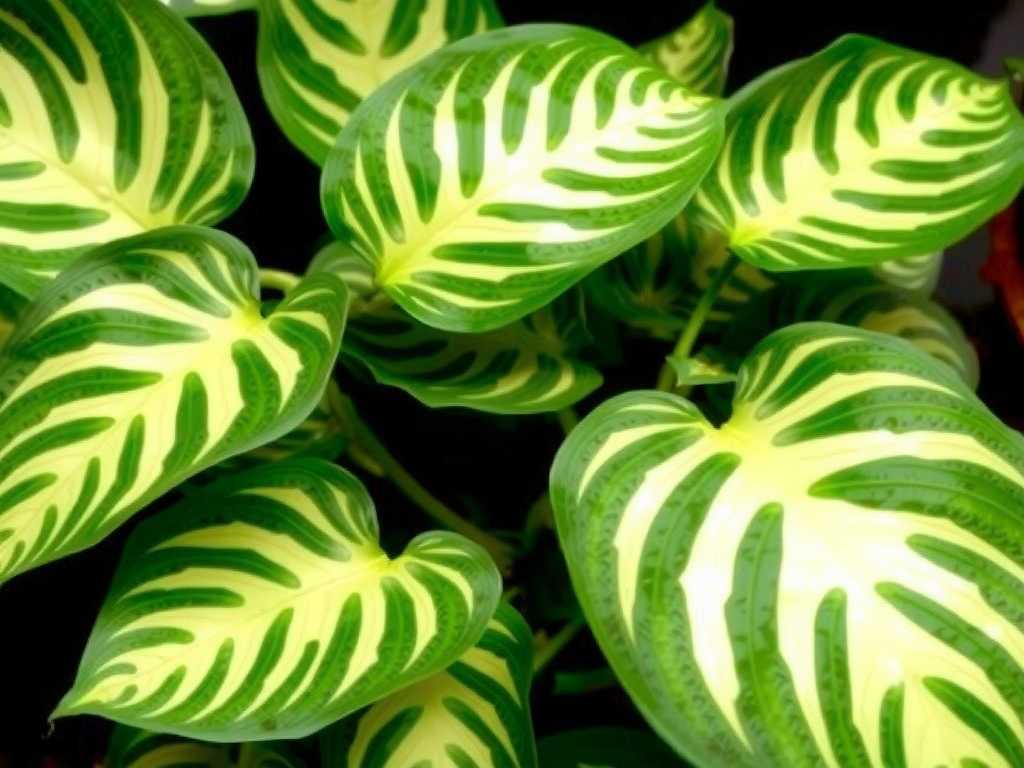
First, it’s crucial to know what variegation is. In plants like Pothos, variegation is often a genetic mutation that causes some cells to lack chlorophyll, the green pigment essential for photosynthesis. These chlorophyll-deficient areas appear white, yellow, or cream. However, this also means they are less efficient at producing energy for the plant.
From the plant’s survival perspective, being green is an advantage. If conditions are suboptimal, the plant will prioritize growth and energy production. It may start producing leaves with more green cells to capture more light, leading to the gradual loss of its variegated appearance. Your goal is to create an environment where the plant feels secure enough to express its beautiful, yet less efficient, genetic trait.
The #1 Factor: Providing Optimal Light Exposure
This is the most critical element in preventing Pothos from reverting. Variegated plants need more light than their solid green cousins because fewer of their cells are actually photosynthesizing.
- Bright, Indirect Light is Non-Negotiable: Place your variegated Pothos in a spot where it receives plenty of bright, filtered light for most of the day. An east-facing window is ideal. A south or west-facing window is excellent, but ensure the plant is shielded from harsh, direct afternoon sun that can scorch the delicate, pale parts of the leaves.
- The Low-Light Trap: In low-light conditions, the plant goes into survival mode. It will compensate by producing leaves packed with chlorophyll (green cells) to maximize the limited light it receives. This directly results in less variegation and eventually, fully green leaves.
- Using Grow Lights: If your home lacks sufficient natural light, especially in winter, a simple LED grow light can be a game-changer. Providing 10-12 hours of supplemental light can sustain and even enhance variegation.
Strategic Pruning to Encourage Variegated Growth
When you notice a stem producing consistently green leaves, it’s time to intervene with careful pruning. This practice is essential for how to keep Pothos variegated long-term.
- Identify Reversion Points: Trace the stem back to where it last produced a well-variegated leaf.
- Make the Cut: Using clean, sharp scissors or pruners, cut the stem about 1/4 inch above a node (the brown bump on the stem where leaves and roots grow). Make your cut just below the last variegated leaf you want to keep.
- Encourage New Growth: This pruning signals the plant to produce new growth points. The new shoots that emerge have a high chance of displaying the desired variegation, especially if combined with excellent light conditions. Never be afraid to prune; Pothos are vigorous growers and will become bushier and more attractive.
Balanced Fertilization: Less is Often More
Feeding your plant appropriately supports its health without encouraging rapid, all-green growth.
- Use a Balanced Fertilizer: A general-purpose, water-soluble houseplant fertilizer with equal NPK ratios (e.g., 10-10-10) is sufficient.
- Dilute and Reduce Frequency: During the active growing season (spring and summer), fertilize at half the recommended strength once a month. Avoid over-fertilizing, particularly with high-nitrogen formulas, as nitrogen promotes lush, green foliage growth at the expense of variegation.
- Winter Rest: Refrain from fertilizing altogether in fall and winter when plant growth naturally slows.
Other Essential Care Adjustments
While light and pruning are the stars, other factors support overall plant health, which in turn supports stable variegation.
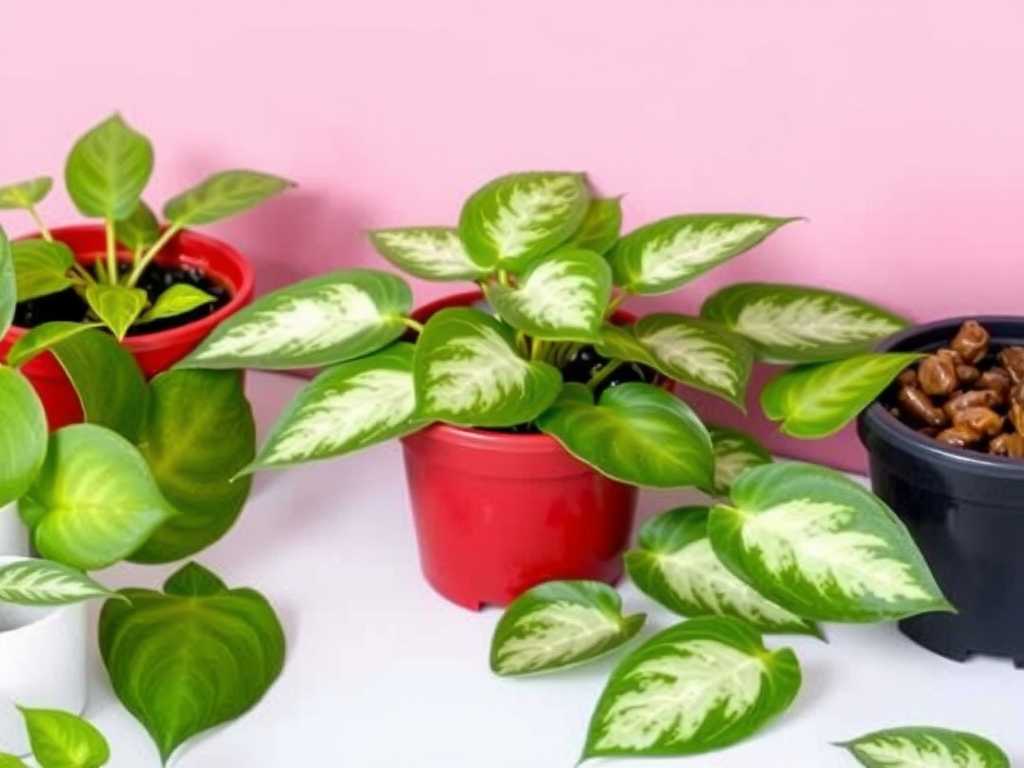
- Proper Watering: Follow the classic “soak and dry” method. Water thoroughly until it drains from the pot’s bottom, then allow the top 1-2 inches of soil to dry out completely before watering again. Consistent overwatering stresses the plant, which can trigger reversion.
- Well-Draining Soil: Use a high-quality, airy potting mix. A standard houseplant mix amended with perlite or orchid bark ensures good drainage and prevents root rot.
- Appropriate Pot Size: Avoid potting your Pothos in a container that is excessively large. Too much soil retains excess moisture, and the plant may focus energy on root growth instead of maintaining its variegated foliage.
Propagation to Preserve Your Favorite Patterns
Propagation isn’t just for making new plants; it’s a powerful tool for preserving high-variegation genetics. As noted by horticulturist Jane Smith in The Indoor Garden Journal, “Selective propagation from the most variegated sections of a plant is the surest way to stabilize a desired pattern across new generations.”
- Select Your Cutting: Choose a healthy stem segment with at least one node and 2-3 highly variegated leaves.
- Root in Water or Moss: Place the cutting in water or moist sphagnum moss. Ensure the node is submerged or buried, as this is where roots will form.
- Create a Favorable Environment: Provide your propagating cuttings with the same bright, indirect light you give the mother plant. Once roots are several inches long, pot the new plant in fresh soil. This new plant, cloned from a highly variegated section, will carry forward those strong patterns.
Why is my Pothos suddenly putting out all-green leaves? This is almost always a direct response to insufficient light. The plant is producing more chlorophyll to survive in dim conditions. Assess your plant’s location and gradually move it to a brighter spot. Also, check if seasonal changes have reduced the light levels in its current spot.
Can a fully reverted Pothos become variegated again? Once a stem section has reverted and produces only green leaves, that specific section cannot regain variegation. The genetic expression in those cells has stabilized as green. However, you can prune that stem back to a point where it last had variegation. With dramatically improved light, the new growth from that point may be variegated. If not, propagation from any remaining variegated stems is your best solution.
Are some variegated Pothos varieties more stable than others? Yes. Varieties like the ‘Marble Queen’ Pothos have a more random, cell-layer type of variegation that can be less stable and quicker to revert if light is low. Others, like the ‘Pearls and Jade’ or ‘N’Joy’, often have more stable, sectoral variegation that is less prone to complete reversion, though they still require good light to thrive and maintain their patterns.
Keeping your variegated Pothos brilliantly patterned is a rewarding practice that blends art and science. It requires attentive observation and a willingness to adjust your care, primarily by providing abundant indirect light and being proactive with pruning. Remember that each leaf tells a story of the plant’s environment. By ensuring that environment is bright and supportive, you encourage your Pothos to confidently display its unique and beautiful genetic artwork, ensuring those stunning white, cream, and yellow patches remain the highlight of your indoor jungle for years to come.

发表评论