 admin
admin How to Care for Pothos Varieties with Slow Growth
Is your pothos plant stubbornly refusing to grow? You’ve placed it in a bright spot, watered it faithfully, yet those lush, trailing vines you envisioned remain a distant dream. This common frustration is especially pronounced with certain pothos varieties that are naturally slower growers. Understanding how to care for pothos varieties with slow growth is the key to unlocking their potential and cultivating a truly thriving indoor jungle.
Patience is a virtue in plant care, but so is targeted action. Slow growth in pothos isn't always a cause for alarm; sometimes, it's simply their nature. However, it can also be a crucial signal from your plant, indicating that its specific needs aren't being fully met. This guide will help you distinguish between normal behavior and a cry for help, providing the precise care adjustments needed to support your slow-growing green companion.
Understanding Why Your Pothos Grows Slowly
Before you change your entire care routine, it’s essential to diagnose the root cause. Slow growth in pothos can be attributed to two main categories: genetic predisposition and environmental factors.
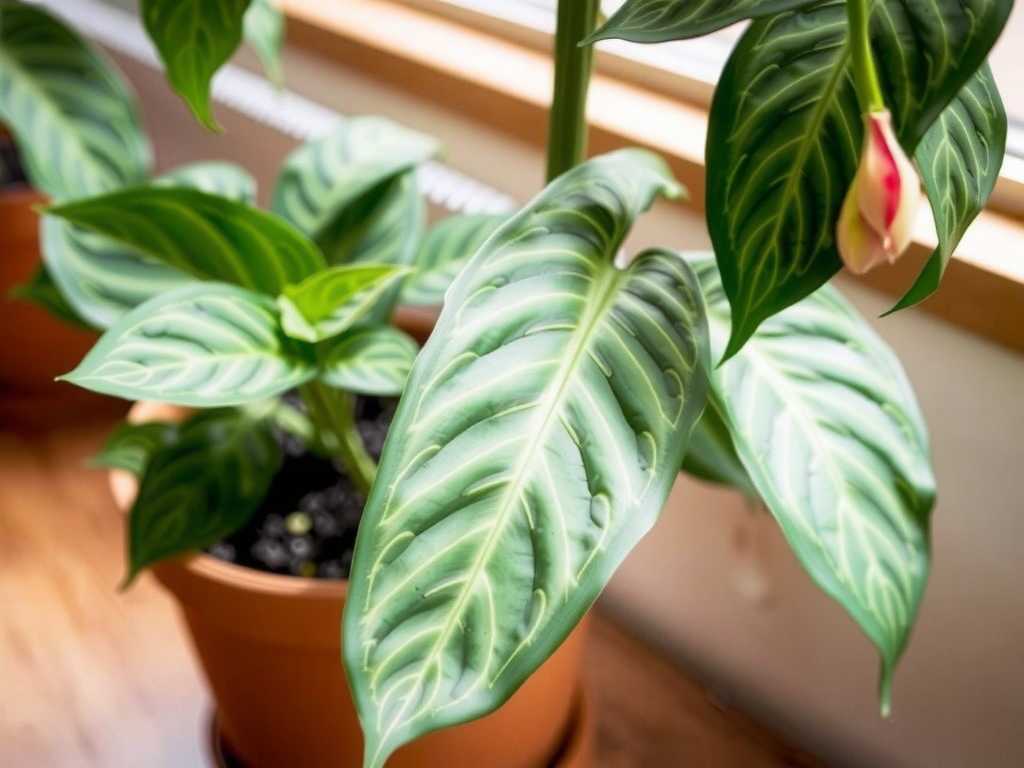
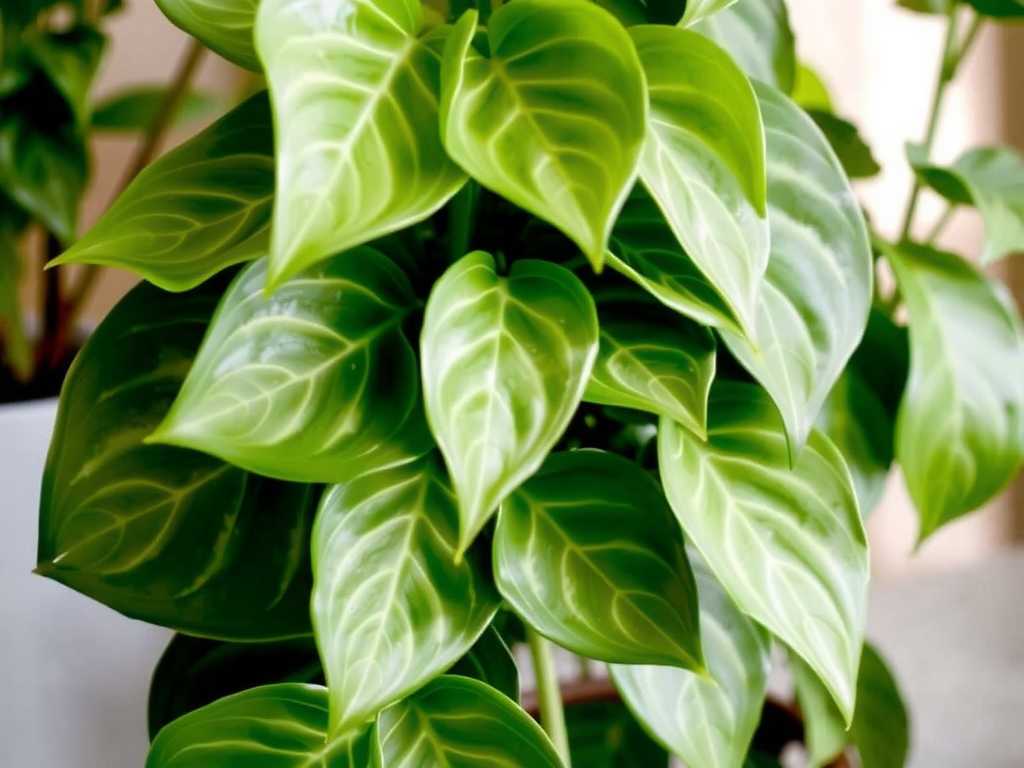
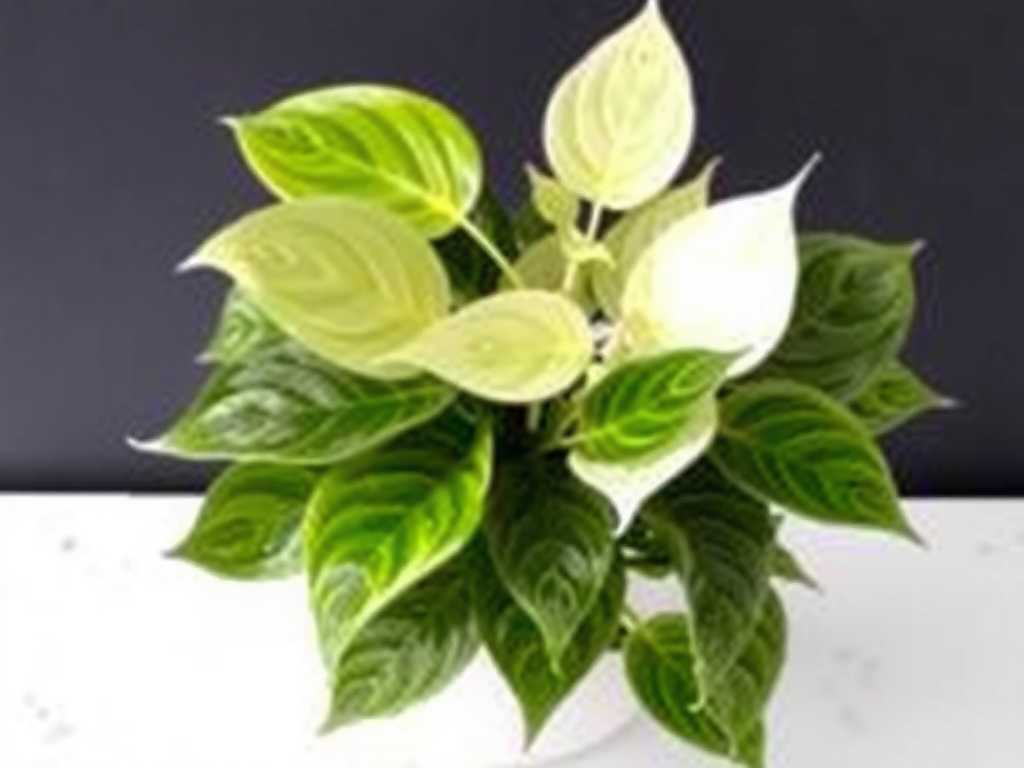
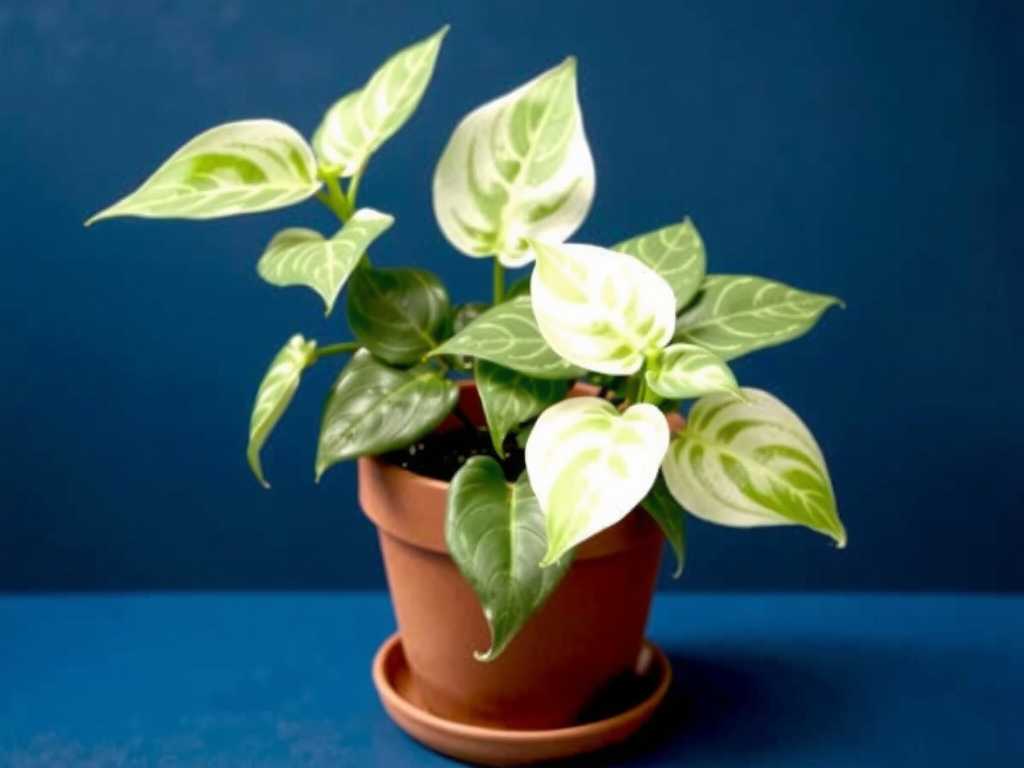
Inherently Slow-Growing Varieties Not all pothos are created equal. The classic Golden Pothos is a vigorous, almost eager grower. In contrast, some highly sought-after cultivars have a naturally more leisurely pace. The Jade Pothos, with its solid, deep green leaves, often grows more slowly than its variegated cousins because it produces more chlorophyll and doesn't divert energy to maintaining variegation. Similarly, the stunning Manjula Pothos or the Pearls and Jade Pothos, with their intricate cream and green patterns, tend to grow slower. The variegation means less surface area for chlorophyll, which directly reduces the energy available for growth. Caring for these types requires an acceptance of their natural rhythm.
Environmental and Care-Related Causes When any pothos, including typically fast growers, slows down, your care routine needs a review.
- Light Levels Are Too Low: This is the number one culprit. Pothos are adaptable but thrive in bright, indirect light. In low light, photosynthesis slows to a minimum, sustaining life but not fueling new growth.
- Nutrient Deficiency: A pothos living in the same potting mix for years exhausts the available nutrients. Without supplemental feeding, it lacks the building blocks for new leaves and stems.
- Root Bound Conditions: While pothos tolerate being root-bound to a degree, an extremely congested root system has no room to expand and cannot effectively uptake water or nutrients.
- Incorrect Watering Practices: Both chronic under-watering and overwatering stress the plant. Soggy soil leads to root rot, destroying the very system that supports growth.
- Temperature Stress: Pothos prefer consistent, warm temperatures. Drafts from windows, air conditioning vents, or heating units can put them in a state of suspended animation.
The Essential Care Guide for Slow-Growing Pothos
Adjusting your care to meet the specific needs of slower varieties or to correct growth-stunting conditions involves a few strategic shifts.
Optimizing Light for Maximum Photosynthesis Light is food for your plant. For slow-growing varieties, especially variegated ones, providing optimal light is non-negotiable.
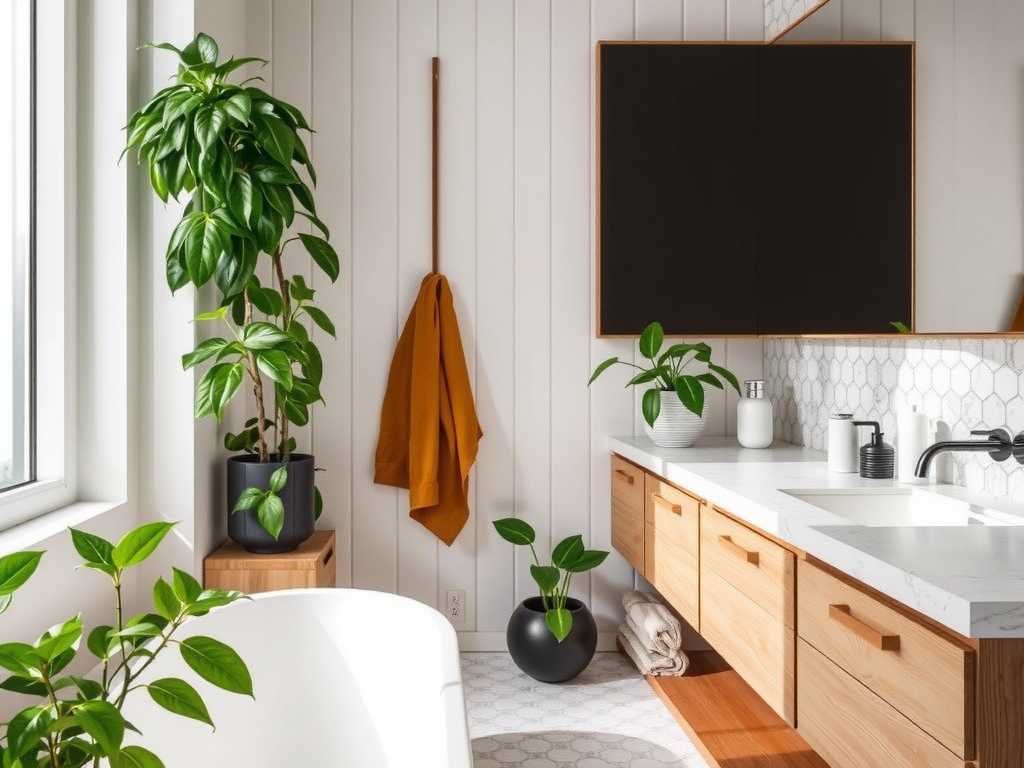
- Ideal Placement: Position your pothos within a few feet of an east or north-facing window. A south or west-facing window is excellent if filtered by a sheer curtain. The goal is bright, dappled light all day without the harsh, direct sun that can scorch leaves.
- Supplementing with Grow Lights: If your home lacks natural brightness, a simple LED grow light can work wonders. According to a study published in the Journal of the American Society for Horticultural Science, supplemental LED lighting significantly increased the biomass and leaf area of foliage plants under low-light interior conditions. Use it for 8-12 hours a day to give your pothos a consistent energy source.
Mastering the Watering Balance The "soak and dry" method is your best strategy. Water your pothos thoroughly until water runs freely from the drainage holes, then allow the top 1-2 inches of soil to dry out completely before watering again. For slower-growing plants in lower light, the drying-out period will be longer. Always check the soil with your finger—this is more reliable than a schedule.
Feeding for Steady, Healthy Growth Fertilizer acts as a vitamin boost. For pothos with slow growth, a gentle, consistent feeding approach is better than strong, infrequent doses.
- Type and Schedule: Use a balanced, water-soluble houseplant fertilizer (e.g., 10-10-10 or 20-20-20) diluted to half the recommended strength. Apply this during the active growing season (spring and summer) once per month. Avoid fertilizing in fall and winter when growth naturally slows further.
- The Importance of Soil Health: Repot your pothos every 1-2 years into a fresh, well-draining potting mix. A blend containing peat, perlite, and pine bark is ideal. This refreshes the nutrient content and improves soil structure. When repotting, only move up one pot size (1-2 inches larger in diameter) to prevent excess soil from staying wet too long.
Creating the Perfect Supportive Environment Fine-tuning the surroundings encourages resilience.
- Temperature and Humidity: Maintain room temperatures between 65-85°F (18-29°C). Pothos enjoy moderate to high humidity. Grouping plants together, using a pebble tray, or a small humidifier can provide a more tropical atmosphere, reducing stress on the plant.
- Pruning for Encouragement: Strategic pruning can sometimes stimulate new growth points. Snip off any long, leafless vines or yellowing leaves just above a node (the small brown bump on the stem). This redirects the plant's energy to existing healthy leaves and potential new shoots.
Troubleshooting Persistent Growth Problems
When growth remains stalled despite good care, investigate deeper.
- Root Health Check: Gently remove the plant from its pot. Healthy roots are firm and white or light tan. Soft, mushy, dark roots indicate rot. Prune away all affected parts with sterile scissors and repot into fresh, dry soil.
- Pest Inspection: Mealybugs or spider mites can drain a plant's energy. Look for cottony masses or fine webbing. Treat promptly with insecticidal soap or neem oil.
- Patience with Variegated Cultivars: Remember, a slow-growing variegated pothos like 'Marble Queen' will naturally produce fewer leaves than a Golden Pothos. Your success is measured by the health and beauty of each existing leaf, not just the speed of vine extension.
Frequently Asked Questions
My pothos hasn't grown a new leaf in months. Is it dead? Not necessarily. As long as the stems are firm and the existing leaves are mostly healthy (perhaps with just a few old ones yellowing), the plant is likely alive but dormant. Reassess its light and nutrient situation. Growth often resumes with the increased light of spring.
Should I fertilize my pothos more often to make it grow faster? No, over-fertilizing is dangerous. It can lead to a buildup of salts in the soil, which can burn the roots and further damage the plant. Stick to a monthly, diluted feeding schedule during the growing season. More fertilizer is not the solution for promoting growth in sluggish pothos.
Is it better to put my slow pothos in a bigger pot? Only if it is truly root-bound. A pot that is too large holds excess moisture, increasing the risk of root rot, which will halt growth entirely. If roots are circling densely at the bottom, repot into a container only slightly larger. For many slow growers, refreshing the soil in the same-sized pot is sufficient.
Caring for a pothos that grows slowly is an exercise in attentive, gentle stewardship. It shifts the focus from rapid expansion to cultivating robust health and appreciating the unique beauty of each leaf. By providing consistent, bright indirect light, a careful watering routine, and gentle seasonal nutrition, you create an environment where even the most deliberate grower can flourish. The reward is a resilient, beautiful plant that thrives on your understanding and care, proving that in the world of houseplants, steady and strong often wins the race.

发表评论