 admin
admin How to Mix Pothos Varieties with Palms for a Tropical Vibe
Do you dream of transforming your living space into a lush, indoor jungle but feel overwhelmed by where to start? Perhaps your current plant collection feels a bit disjointed, or you’re unsure how to combine different species for a cohesive, vibrant look. The secret to achieving that effortless tropical vibe lies in mastering the art of pairing. Specifically, learning how to mix pothos varieties with palms can unlock a world of texture, color, and vertical interest that instantly elevates your home’s aesthetic. This powerful combination leverages the cascading beauty of pothos against the architectural stature of palms, creating a dynamic and visually stunning display that breathes life into any corner.
Understanding the Core Players: Pothos and Palms
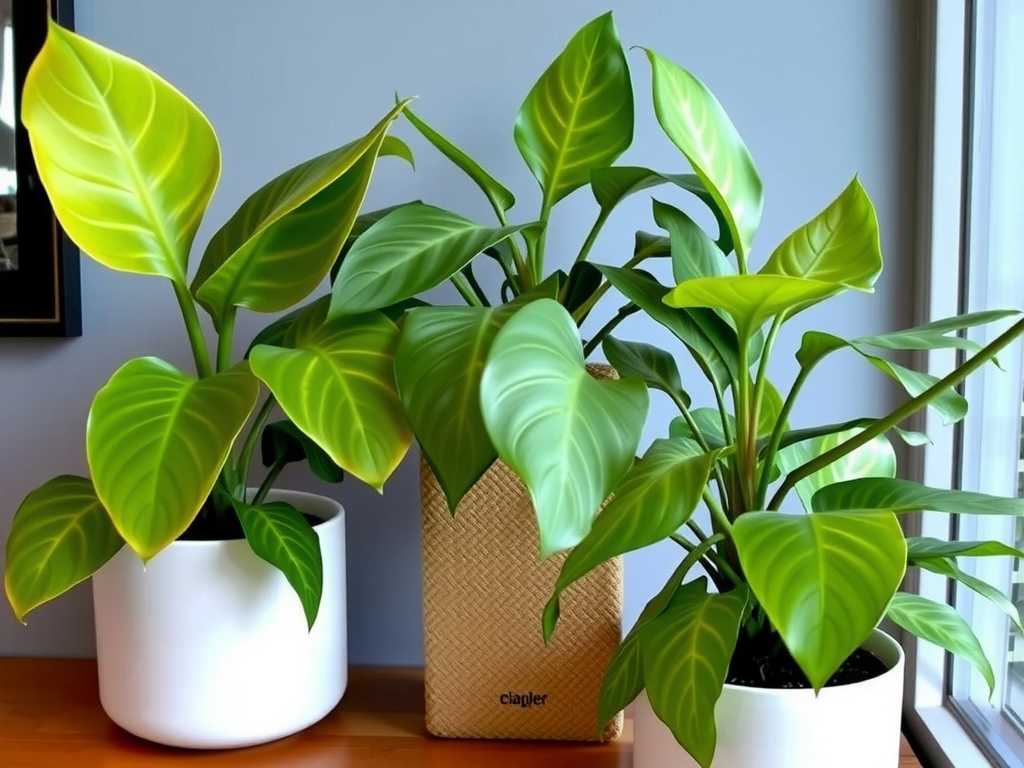
Before we dive into the art of combination, let's understand why these two plant families are such perfect partners. Their complementary growth habits and care needs form the foundation of a successful tropical pairing.
Pothos: The Versatile Cascading Element
Pothos plants, often called Devil’s Ivy, are renowned for their resilience and rapid growth. Their trailing vines, which can reach impressive lengths, are perfect for adding a soft, flowing element to your plant arrangements. The variety within the pothos genus is astounding. From the classic golden pothos with its marbled yellow and green leaves to the sleek, silvery-blue hues of the Cebu Blue, and the striking white variegation of the Marble Queen, each pothos variety offers a unique color palette. This diversity allows you to choose vines that either contrast or harmonize with your chosen palm. Their adaptability to various light conditions and forgiving watering schedule makes them an ideal companion plant.
Palms: The Architectural Backbone
Palms provide the essential structure and height in a tropical mix. They act as living sculptures, their fronds reaching upwards and outwards to create a canopy effect. Popular indoor palms like the graceful Parlor Palm (Chamaedorea elegans), the feathery Areca Palm (Dypsis lutescens), and the bold Majesty Palm (Ravenea rivularis) each bring a distinct form. Palms establish the tropical framework, while the pothos vines weave through and around them, softening their bases and connecting the vertical space to the ground or surrounding furniture. This synergy between upright form and trailing filler is the essence of the design.
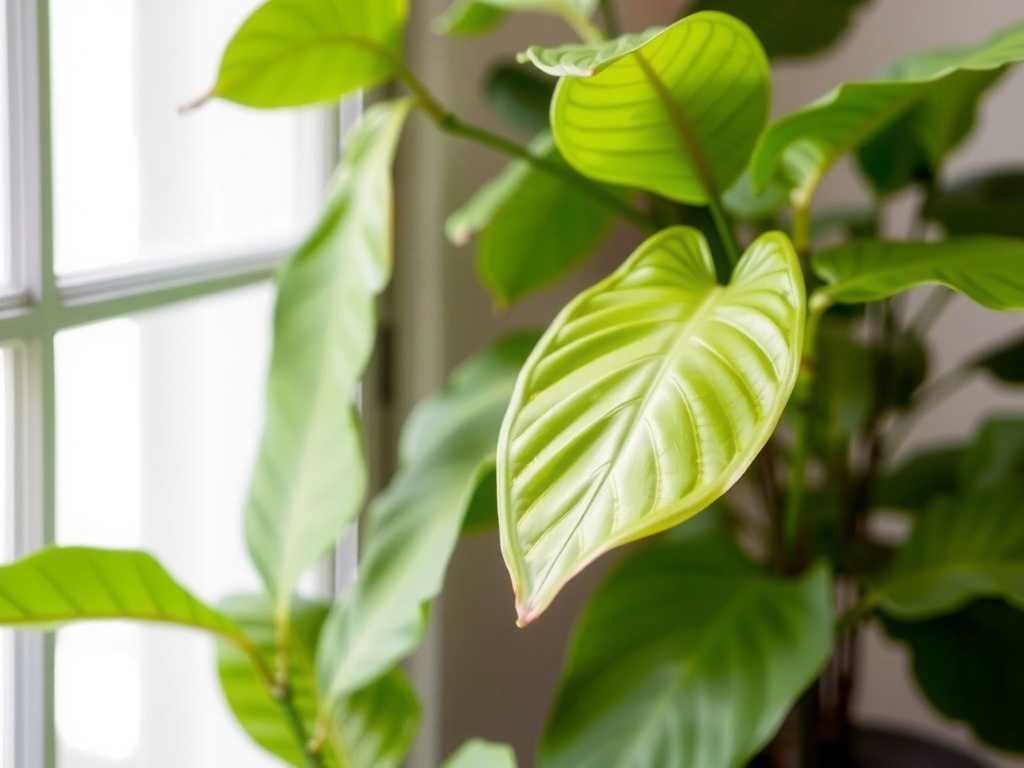
Selecting the Perfect Pairings
Not every pothos and palm are created equal for every space. Successful mixing depends on thoughtful selection based on light, size, and visual contrast.
Matching Light and Care Requirements
The first rule of plant pairing is ensuring compatible needs. This is crucial for long-term health. Most palms prefer bright, indirect light. A Parlor Palm can tolerate lower light, while an Areca Palm thrives in brighter spots. Similarly, pothos varieties are flexible but their variegation is often more pronounced in brighter, indirect light. A good strategy is to pair a low-light tolerant palm like the Parlor Palm with a lower-light pothos like the Jade variety. For a sunny spot, pair an Areca Palm with a highly variegated Golden Pothos or Neon Pothos, whose colors will glow under ample light. Consistency in watering habits is also key; both genera generally prefer their soil to dry out slightly between waterings, preventing root rot.
Creating Visual Harmony and Contrast
Once care needs are aligned, the fun begins: designing for visual impact. Consider color, leaf shape, and texture.
- Color Play: Use the pothos to accentuate colors in the palm. The creamy streaks in a Marble Queen pothos can pick up the light tones in an Areca Palm's stems. The deep, solid green of a Jade Pothos can create a rich, monochromatic look against a darker green palm, emphasizing texture over color.
- Texture and Form: Contrast the broad, fan-like fronds of a Chinese Fan Palm with the small, delicate leaves of a Pearl and Jade pothos. Or, pair the fine, feathery leaflets of a Majesty Palm with the large, heart-shaped leaves of a Hawaiian Pothos for a dramatic textural statement. The goal is to create a composition where each plant’s characteristics are highlighted by the others.
Step-by-Step Guide to Stunning Combinations
Now, let’s put theory into practice. Here is a practical guide to arranging your pothos and palm combinations in three popular settings.
The Statement Floor Display
This is for the empty corner that needs a major transformation. Choose a tall, floor-standing palm as your centerpiece. Plant it in a substantial, decorative pot. Then, introduce 2-3 different pothos varieties in smaller hanging pots placed on high shelves or wall hooks around the palm. Allow their vines to trail down, gradually intertwining and framing the palm’s trunk. You can also plant a single, vigorous pothos directly in the palm’s pot; as it grows, train its vines to spiral up the palm’s trunk for a truly integrated look. This method creates layers of foliage from ceiling to floor.
The Lush Tabletop Jungle
For sideboards, consoles, or wide windowsills, create a grouped arrangement. Use a smaller, clumping palm like a Parlor Palm as the anchor. Surround its base with pots of different pothos varieties—perhaps a Silver Satin for sheen, a Neon for a pop of color, and a Global Green for depth. Let the pothos vines spill over the edges of their pots and mingle with each other and the base of the palm. This creates a dense, multi-textural mound of greenery that looks abundant and carefully curated.
The Vertical Green Wall or Shelf
Utilize vertical space by placing a palm on the lower shelf of a tall bookcase or plant stand. On the shelves above, place potted pothos plants. As the pothos grow, their vines will cascade downward in a curtain of green, eventually reaching and blending with the palm’s foliage below. This draws the eye upward and makes use of all available air space, a key principle in jungle-style gardening.
Advanced Tips for a Cohesive Tropical Aesthetic
To move from a simple combination to a truly immersive vibe, pay attention to the details.
Potting and Container Choices
Unity in your containers can tie the whole look together. Choose pots in a consistent material (like terracotta, textured ceramic, or woven baskets) or color scheme. This prevents the arrangement from looking messy and allows the plants themselves to be the stars. Ensure all pots have excellent drainage to support the shared preference for well-draining soil.
Training and Maintenance for Long-Term Beauty
A little ongoing care keeps your display pristine. Gently guide pothos vines toward the palm or along desired paths using discreet plant pins or clips. Regularly rotate your plants to ensure even growth. Prune any yellowing leaves from the palm and trim back overly long pothos vines to encourage fuller growth. You can even propagate these pothos cuttings and add them back into the arrangement for even more density. As noted by horticulturist Jane Smith in Indoor Jungle Magazine, "The magic of a pothos-and-palm display is that it's never static. It's a living tapestry that evolves, and your gentle guidance helps shape its story."
Troubleshooting Common Issues
Even the best pairings can face challenges. Watch for signs of stress. If your palm develops brown tips, it may need higher humidity—grouping plants together naturally helps raise local humidity. If pothos vines become leggy with large gaps between leaves, they likely need more light. Remember that while their needs are similar, palms are generally less forgiving of complete soil dryness than pothos, so check the palm’s soil moisture specifically.
Frequently Asked Questions
Can I plant my pothos directly in the same pot as my palm? Yes, you can, but it requires caution. Ensure the pot is large enough to accommodate both root systems without competition. Use a well-draining, aerated potting mix suitable for both. Be mindful that the pothos may grow aggressively and could potentially outcompete the palm for resources over time. Starting with the pothos in its own pot placed inside or next to the palm's pot offers more control.
Which palm is the easiest to pair with pothos for beginners? The Parlor Palm is arguably the best beginner-friendly palm for this purpose. It tolerates lower light, is forgiving of occasional lapses in watering, and has a compact, clumping growth habit that provides a perfect backdrop for trailing pothos vines without overwhelming a space.
How often should I water a combined pothos and palm display? There is no single schedule. The best practice is to check the soil moisture. Insert your finger about an inch into the soil of the palm's pot (or the largest pot in the grouping). If it feels dry, water thoroughly until water runs out the drainage holes. The pothos, being in the same environment, will typically be ready for water at a similar time. Always err on the side of underwatering rather than overwatering.
Embracing the combination of pothos and palms is more than just a decorating tip; it’s a strategy for building a resilient and captivating indoor ecosystem. By starting with compatible care needs, playing with visual contrasts, and arranging them with intention, you create a miniature landscape that thrives. This dynamic duo brings the relaxing, vibrant energy of the tropics into your daily life, proving that with the right pairings, any home can become a personal sanctuary of green.
发表评论