 admin
admin How to Repot Rare Pothos Varieties Without Shock: A Stress-Free Guide
You've finally acquired that stunning, hard-to-find pothos variety you've been dreaming of—a magnificent Marble Queen with its painterly swirls, a luminous Neon, or perhaps a coveted Global Green. It's thriving, but now the roots are peeking out of the drainage holes, and you know it's time for a new home. A wave of anxiety hits. What if this delicate repotting process sends your prized plant into shock, causing yellow leaves, drooping, or worse, irreversible damage? This fear is the single biggest hurdle for collectors of rare pothos. The good news is that with the right knowledge and a gentle approach, you can successfully repot even the most sensitive varieties without triggering transplant shock.
This guide is designed to walk you through every step, transforming a nerve-wracking task into a confident, successful plant parenting milestone. We'll focus on the precise techniques that minimize stress, ensuring your rare pothos not only survives the move but uses it as a springboard for explosive new growth.
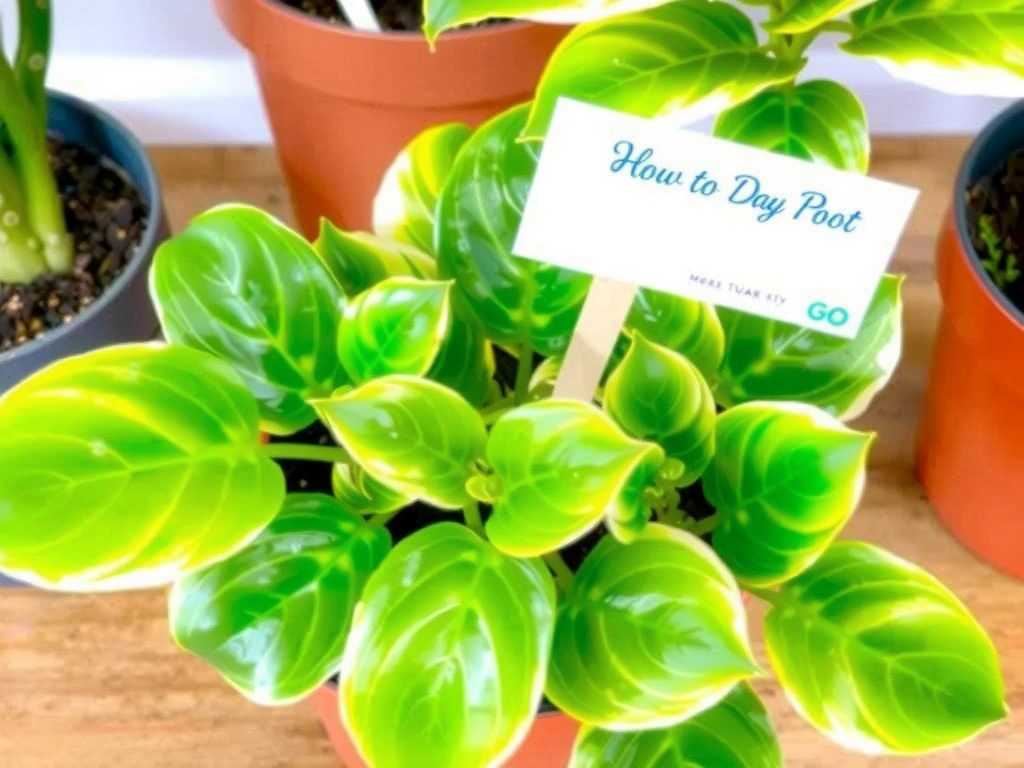
Understanding the "Why" Behind Shock-Free Repotting
Transplant shock isn't magic; it's a physiological stress response. When roots are disturbed, damaged, or exposed to a drastically different environment, the plant struggles to uptake water and nutrients. The visible symptoms—wilting, leaf loss, or browning—are cries for help. For common pothos, this might be a temporary setback. For rare varieties, which are often more finicky due to their unique variegation or growth habits, the stakes are higher. A study in the Journal of Horticultural Science notes that minimizing root disturbance is the most critical factor in reducing post-transplant stress in aroid plants, the family to which pothos belongs.
Your goal isn't just to change pots; it's to facilitate a seamless transition where the plant barely notices the change in its underground world.
Pre-Repotting Essentials: Gathering Your Arsenal
Success begins with preparation. Having everything within arm's reach prevents your plant's roots from drying out during the process.
The Right Pot: Select a new pot only 1-2 inches larger in diameter than the current one. A pot that's too large holds excess soil that stays wet, leading to root rot—a far greater threat than being slightly rootbound. Ensure it has excellent drainage holes.
The Perfect Soil Mix: Rare pothos demand a well-aerated, fast-draining mix. A standard, dense potting soil is a recipe for trouble. Create a premium blend:
- 40% High-quality indoor potting soil (for structure and nutrients)
- 40% Orchid bark or coconut coir chunks (for aeration and mimicking their natural epiphytic tendencies)
- 20% Perlite or pumice (for unparalleled drainage)
- A handful of worm castings for a gentle nutrient boost
Additional Tools:
- Clean, sharp scissors or pruning shears (sterilized with rubbing alcohol)
- A watering can with a narrow spout
- A trowel or your hands
- Newspaper or a workspace you don't mind getting dirty
The Step-by-Step Guide to a Shock-Free Transition
Step 1: The Hydration Prelude Water your pothos thoroughly 24-48 hours before repotting. This ensures the plant is fully hydrated and the root ball is slightly moist, making it more cohesive and less prone to crumbling when removed.
Step 2: Gentle Extraction is Key This is the most critical phase. Do not pull the plant by its stems. Instead, turn the pot on its side and gently squeeze or tap the sides and bottom to loosen the root ball. Guide the plant out by cradling the base of the stems. If it's stubborn, you can carefully run a knife around the inside edge of the pot.
Step 3: The Delicate Root Inspection Place the root ball on your workspace. With gentle fingers, carefully loosen the outer roots. Avoid aggressively tearing or "tickling" apart the entire root mass. Your objective is to encourage outward growth, not to untangle every root. Look for any roots that are black, mushy, or smell foul—these are rotten and should be cleanly snipped away.
Step 4: The Perfect New Home Place a layer of your fresh potting mix in the bottom of the new pot. The depth should allow the top of the old root ball to sit about half an inch below the new pot's rim. Center your pothos in the pot.
Step 5: Filling the Gaps Gently add your new soil mix around the sides, using your fingers or a tool to lightly tamp it down to eliminate large air pockets. Do not pack the soil tightly. The goal is firm contact, not compaction.
Step 6: The First Watering and Aftercare Water the plant slowly and deeply until water runs freely from the drainage holes. This "settles" the soil around the roots. Here’s a pro tip: consider using water with a dilute solution of a seaweed extract or a vitamin B1 supplement. While the science on B1 alone is debated, many expert growers, like those at the International Aroid Society, recommend seaweed extracts for their natural anti-stress compounds that can support root recovery.
Place the repotted pothos back in its original light location. Avoid fertilizing for at least 4-6 weeks, as fresh soil has nutrients and the roots need time to heal. Resist the urge to overwater; let the top inch of soil dry out before watering again.
Troubleshooting and Special Considerations for Rare Varieties
Highly Variegated Types (e.g., Manjula, Snow Queen): These plants have less chlorophyll, making them slower growers and often more sensitive. Be extra gentle during root handling. Ensure they go back to bright, indirect light to support their energy needs without scorching their white leaves.
Chunky or Thick-Stemmed Types: Some rare pothos have more substantial stems. Support the weight of these stems during extraction to avoid snapping.
If You Suspect Shock: If your plant droops after repotting, don't panic. Ensure it's not in direct sun. Maintain consistent moisture (not sogginess) and consider tenting a clear plastic bag over it for a few days to increase humidity. Most pothos will perk up with time and stable care.
My rare pothos has been in the same pot for years but still looks healthy. Should I still repot it? Yes, likely. Over time, soil breaks down, loses aeration, and can accumulate mineral salts from water. Even if the plant isn't rootbound, refreshing the soil every 2-3 years provides new nutrients and a healthier root environment, which is crucial for the long-term vitality of a slow-growing rare specimen.
Can I repot my pothos if it's currently putting out new leaves? It's best to wait. Repotting during active growth (spring/summer) is ideal, but if it's mid-sprout, let that new leaf fully harden off. Disturbing the plant during this energy-intensive process can cause the new growth to abort or deform. Patience for a few weeks will yield a better outcome.
Is it necessary to use a special "rooting hormone" when repotting to prevent shock? Rooting hormones are designed to stimulate new root growth on cuttings, not to protect existing roots during repotting. They are generally not necessary and could be an unnecessary expense. Focusing on proper technique—gentle handling, a quality soil mix, and correct aftercare—is far more effective and reliable.
Repotting a rare pothos is an act of care, not a crisis. By understanding the root of transplant stress and methodically following a process designed to minimize it, you empower your plant to transition smoothly. The true reward comes not in the days after the repot, but in the weeks and months that follow, as you witness your cherished variety respond with renewed vigor, pushing out larger, more vibrant leaves, secure and thriving in its perfectly sized, nourishing new home. Your confidence as a grower will grow right alongside it.

发表评论