 admin
admin How to Care for Pothos Varieties with Sensitive Leaves
You've brought home a stunning pothos with delicate, variegated leaves, only to watch in dismay as its beautiful foliage develops brown edges, yellow spots, or begins to droop. This common frustration is often the result of caring for these popular plants with a one-size-fits-all approach. While standard pothos are famously hardy, varieties with sensitive leaves—such as the Marble Queen, Manjula, Neon, or Global Green—require a more nuanced touch. Their stunning beauty comes with specific needs that, when unmet, lead directly to the problems you're seeing. This guide is dedicated to helping you understand and master the art of caring for these exquisite but delicate pothos varieties.
Understanding Your Sensitive-Leaf Pothos
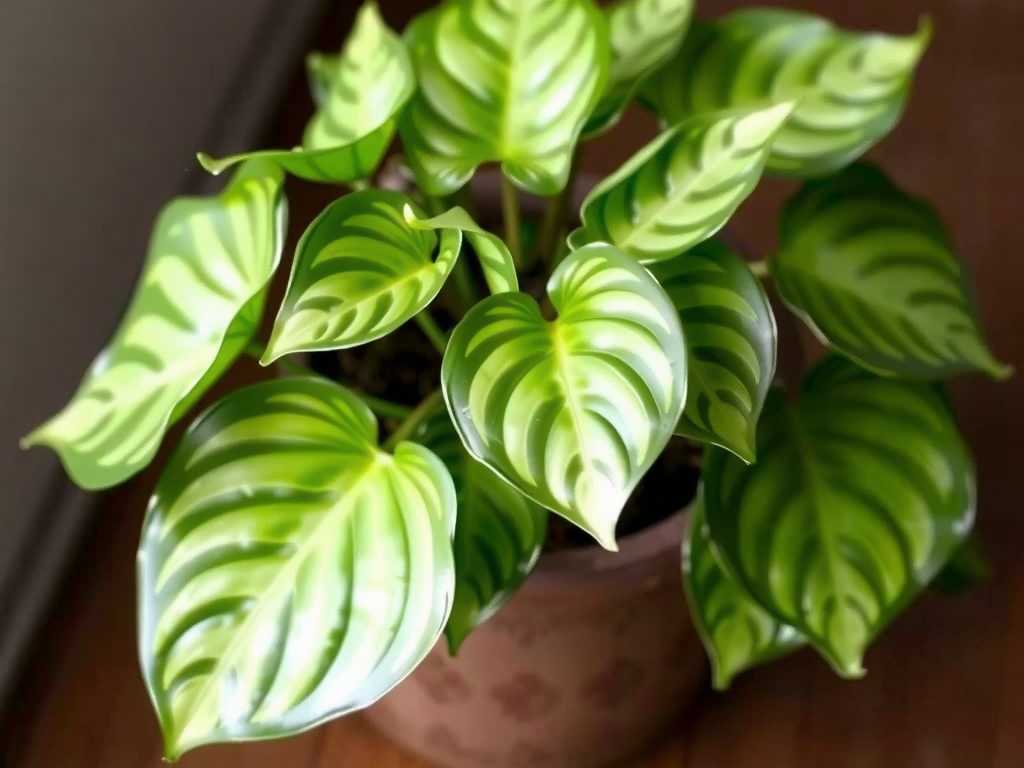
Not all pothos are created equal. The secret to their diverse appearance lies in variegation—the presence of white, cream, or yellow patterns on the leaves. This variegation is caused by a lack of chlorophyll in those colored sections. While it makes the plant visually striking, it also makes it more vulnerable. Leaves with less chlorophyll are less efficient at photosynthesis and can be more prone to damage from environmental stress. Recognizing that your plant's sensitivity is a feature, not a flaw, is the first step toward providing the right care.
The Golden Rule: Perfecting Light Exposure
Light is the most critical factor for sensitive pothos. Get this wrong, and problems quickly follow.
Finding the Sweet Spot: Bright, Indirect Light These plants thrive in abundant bright, indirect light. An east-facing window is ideal, or a spot a few feet back from a south or west-facing window. The goal is to provide maximum light without allowing the sun's harsh rays to directly touch the leaves. Direct sunlight, even for a few hours, can scorch the delicate, lightly pigmented areas, causing irreversible brown, crispy patches.
The Low-Light Compromise While they can survive in lower light, their growth will slow dramatically, and the plant may respond by producing new leaves with less variegation (more solid green) in an attempt to produce more chlorophyll. To maintain that prized pattern, consistent bright, indirect light is non-negotiable.
Mastering the Art of Watering
Watering is where most well-intentioned plant parents go astray. Sensitive pothos despise "wet feet."
The "Soak and Dry" Method Forget watering on a schedule. Instead, check the soil. Insert your finger about 2 inches into the potting mix. If the soil feels dry at that depth, it's time to water. When you do water, do so thoroughly until water flows freely from the drainage holes at the bottom of the pot. This ensures the entire root ball is hydrated. Always empty the saucer or cache pot after 15 minutes to prevent the plant from sitting in water.
Choosing the Right Water The chemicals in tap water, such as chlorine and fluoride, can accumulate in the soil and cause leaf tip burn in sensitive varieties. Where possible, use filtered water, rainwater, or leave tap water out overnight to allow some chemicals to dissipate before using it on your plant. This simple switch can prevent unsightly brown tips.
Creating a Supportive Environment
Beyond light and water, humidity and temperature play supporting but vital roles.
Boosting Humidity for Lush Leaves Most homes have relatively dry air, which can stress plants adapted to tropical understories. Sensitive pothos varieties appreciate moderate to high humidity. You can increase humidity by placing your plant on a pebble tray filled with water (ensuring the pot sits above the water line), grouping it with other plants, or using a small room humidifier nearby. According to horticulturist Jane Smith, "A consistent humidity level above 50% can significantly reduce stress-induced leaf browning in variegated aroids."
Maintaining Stable Temperatures Avoid placing your plant in drafty areas, near heating vents, or under air conditioning units. These plants prefer stable temperatures between 65°F and 85°F (18°C - 29°C). Sudden temperature fluctuations can cause shock, leading to leaf drop or yellowing.
Feeding and Soil: The Foundation of Health
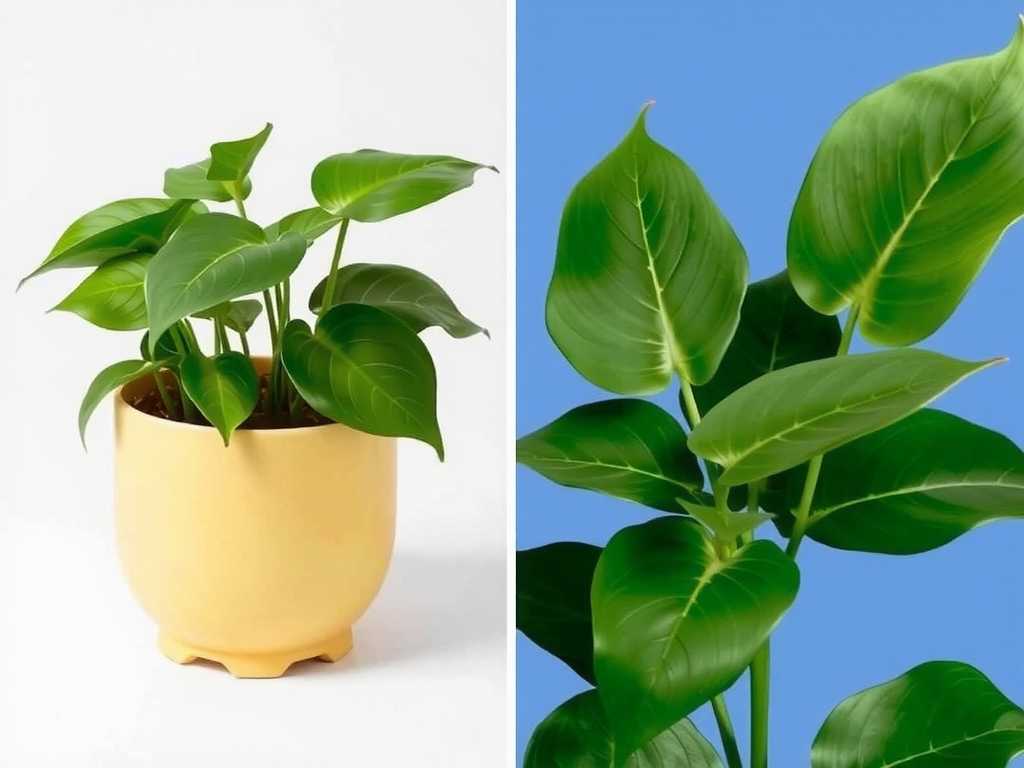
Selecting a Well-Draining Potting Mix A standard, dense potting soil retains too much moisture. Opt for a well-aerated, chunky mix. A great formula is a standard indoor potting soil amended with 30% perlite and 20% orchid bark. This creates a fast-draining environment that prevents root rot while still holding adequate moisture and nutrients.
Fertilizing with a Gentle Touch During the active growing season (spring and summer), feed your sensitive pothos with a balanced, liquid houseplant fertilizer diluted to half the recommended strength. Do this once a month. Over-fertilizing can lead to salt buildup in the soil, which damages roots and manifests as brown leaf edges. In fall and winter, cease fertilization as plant growth slows.
Troubleshooting Common Leaf Issues
- Brown, Crispy Leaf Edges: This is typically a sign of low humidity, underwatering, or chemical burn from tap water. Check your humidity levels and watering habits first.
- Yellowing Leaves: Often a sign of overwatering and potential root rot. Check the soil moisture and ensure the pot has proper drainage. Yellowing can also indicate a need for fertilizer (if many older leaves are yellow) or too much direct sun.
- Loss of Variegation (Leaves Turning Green): The plant is not receiving enough light. It's producing more green chlorophyll to compensate. Gradually move it to a brighter location.
- Drooping Leaves: Can signal either underwatering or overwatering. Feel the soil to diagnose. Dry soil means it needs water; soggy soil means it needs to dry out.
Proactive Care: Pruning and Repotting
Regular pruning encourages bushier growth. Use clean, sharp scissors to trim any long, leggy vines back to a node (the bump on the stem where leaves grow). You can also remove any leaves that are more than 50% damaged to redirect the plant's energy to healthy growth.
Repot your pothos only when it becomes root-bound—typically every 1-2 years. Signs include roots growing out of the drainage holes or the plant drying out extremely quickly. When repotting, choose a pot only 1-2 inches larger in diameter than the previous one to avoid excess wet soil.
Why are the white parts on my Marble Queen pothos turning brown? The white sections of leaves contain no chlorophyll and are extremely thin and sensitive. Browning is most commonly caused by too much direct sunlight (scorching) or by inconsistent watering where the plant dries out too much and the delicate tissue dies. Ensure it's in indirect light and maintain a consistent watering routine.
How often should I really water my Neon pothos? There is no universal schedule. The frequency depends on your home's light, temperature, humidity, and pot size. Always use the finger test. In a typical bright room, it might be every 7-10 days in summer and every 10-14 days in winter. Let the plant, not the calendar, tell you when it's thirsty.
My sensitive pothos isn't growing at all. What's wrong? Stunted growth is usually a combination of factors: insufficient light, low temperatures, or a lack of nutrients. Assess its location first—it likely needs more bright, indirect light. If it's been in the same pot for years, it may also be root-bound and need repotting, or it could benefit from a gentle feeding during the growing season.
Caring for pothos varieties with sensitive leaves is a rewarding practice in attentive plant stewardship. By respecting their unique needs for gentle light, precise watering, and a stable environment, you can prevent the common pitfalls that plague their beautiful foliage. The key is observation and slight adjustments. When you provide the right balance, these plants will reward you with vigorous, vibrant growth, showcasing the stunning leaf patterns that made you choose them in the first place. Their sensitivity becomes not a challenge, but a guide to creating a perfect microclimate for thriving greenery.

发表评论