 admin
admin How to Propagate Pothos for a Charity Plant Sale: A Beginner's Guide to Growing and Giving
You love the lush, trailing vines of your pothos plant. It’s thriving, but you’ve noticed it’s getting a bit long and leggy. At the same time, you’re passionate about supporting a local cause and want to contribute something meaningful. What if you could solve both with one simple, rewarding project? Turning your single, overgrown pothos into dozens of new, healthy plants for a charity plant sale is not only possible—it’s surprisingly easy. This guide will walk you through every step, from the first snip to the final sale table, empowering you to make a tangible difference while sharing the joy of plants.
The beauty of propagating pothos for a charity plant sale lies in its simplicity and high success rate. Pothos, also known as Devil’s Ivy, is famously resilient. With just a few basic supplies and our clear instructions, you can create an impressive inventory of sellable plants. Let’s transform your green thumb into a force for good.
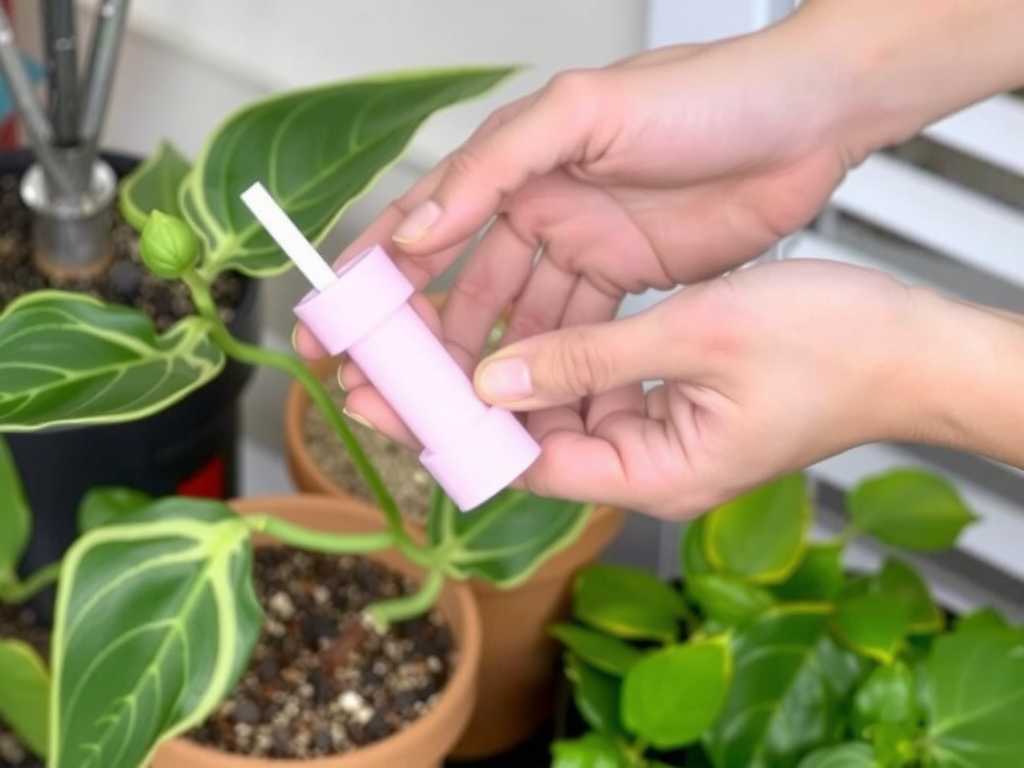
Why Pothos is the Perfect Plant for Charity Propagation
Before we make the first cut, it’s important to understand why pothos is an ideal candidate. Its rapid growth and forgiving nature mean you can produce many plants in a relatively short time frame. For a charity sale, you need plants that are easy to care for, visually appealing, and hardy enough to survive the event. Pothos checks all these boxes. According to horticultural experts, pothos cuttings have one of the highest success rates for root development among common houseplants, often exceeding 90% with proper technique. This reliability is crucial when you’re planning a fundraiser.
Gathering Your Propagation Toolkit
You don’t need fancy equipment. Start with these essentials:
- Healthy Mother Plant: Choose a vigorous pothos with long vines. Ensure it’s free from pests and disease.
- Sharp, Clean Scissors or Pruners: Sterilize with rubbing alcohol to prevent transmitting pathogens.
- Containers for Water: Clear glass jars or bottles are excellent for monitoring root growth.
- Small Pots (2-4 inch) and Fresh Potting Mix: For potting the rooted cuttings.
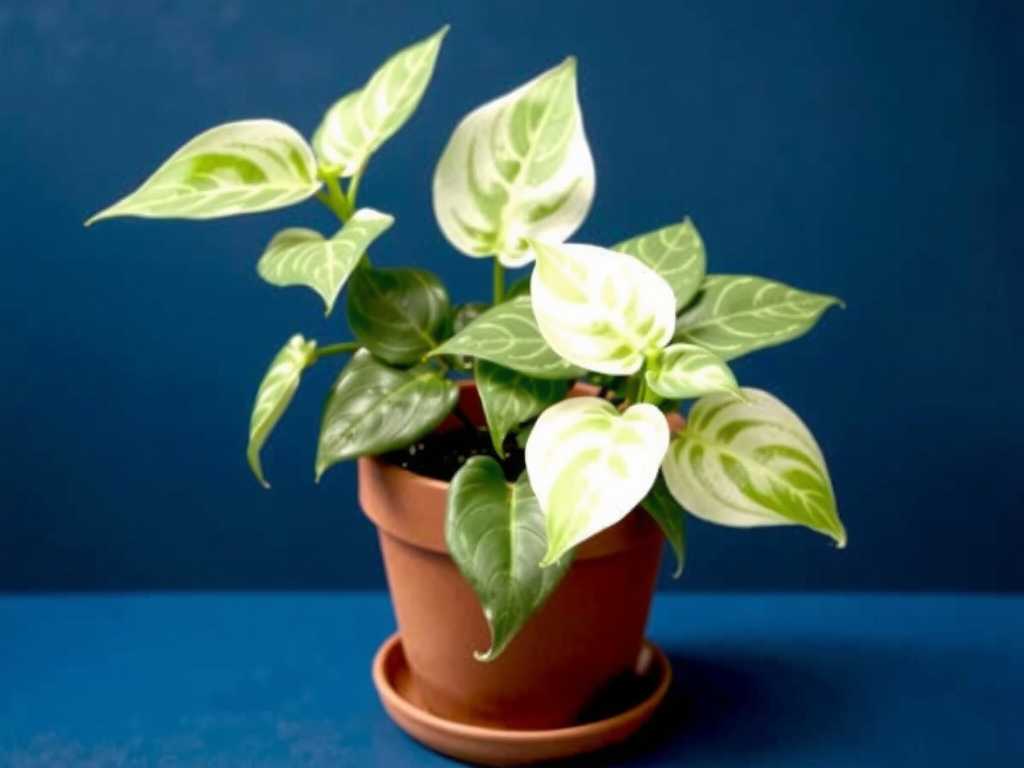
- Labels and a Marker: To track propagation dates and varieties (like Golden Pothos, Marble Queen).
- Optional: Rooting hormone powder or gel can speed up the process but is not necessary.
Step-by-Step: The Water Propagation Method
This is the most popular and visually satisfying method, perfect for beginners.
1. Selecting and Cutting the Stem Identify a healthy stem with at least 4-5 leaves. Look for small, brownish nubs along the stem—these are aerial root nodes. This is where new roots will emerge. Using your clean shears, cut a 4-6 inch section of the stem just below one of these nodes. Ensure each cutting has at least 2-3 nodes and 2-3 leaves.
2. Preparing the Cuttings Remove the leaf that is closest to the cut end. This prevents the leaf from rotting underwater. You can leave the other leaves intact, as they will continue photosynthesis.
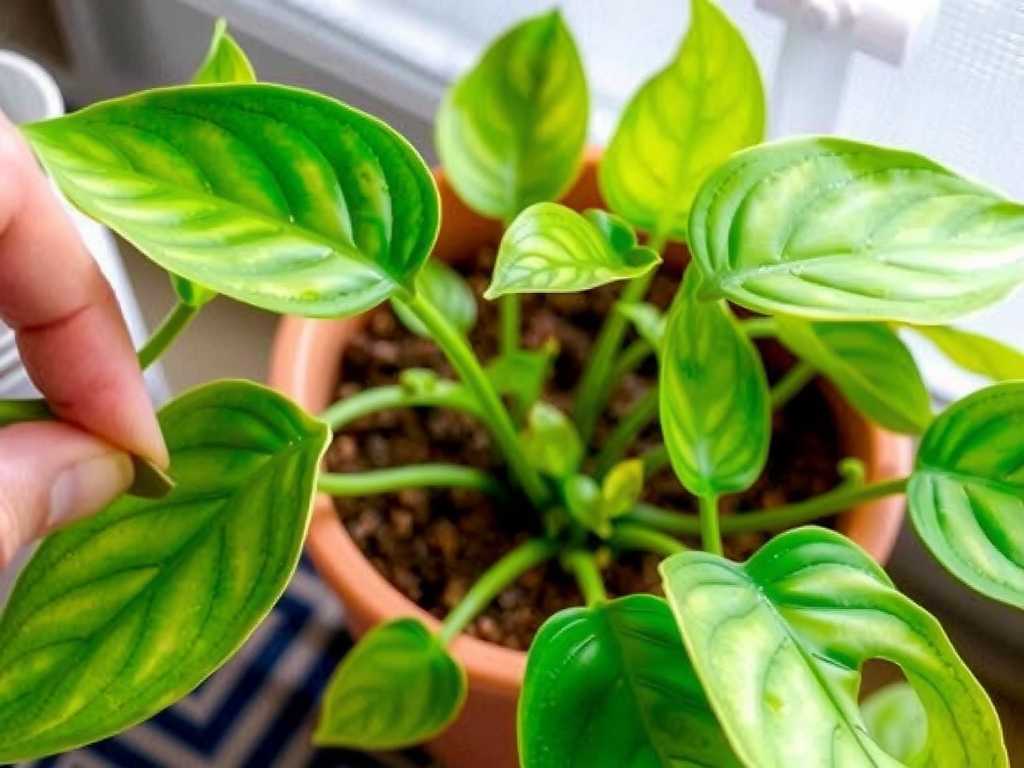
3. Rooting in Water Place your cuttings in jars filled with room-temperature water, ensuring the bare nodes are submerged. Leave the leaves above the waterline. Place the jars in a spot with bright, indirect light. Change the water every 5-7 days to keep it fresh and oxygenated.
4. Waiting for Roots In 1-2 weeks, you should see tiny white roots sprouting from the nodes. Allow these roots to grow until they are 2-3 inches long, which typically takes 4-6 weeks. Longer, more established roots will help the plant transition to soil more easily.
Step-by-Step: The Direct Soil Propagation Method
For those who want to skip the water step, you can propagate pothos directly in soil.
1. Preparing the Cuttings Follow the same process for selecting and cutting stems as in the water method.
2. Planting in Soil Fill small pots with a light, well-draining potting mix. Moisten the soil so it’s damp but not soggy. Dip the cut end of your stem (optional: into rooting hormone first) and insert it into the soil, ensuring at least one node is buried. Gently firm the soil around it.
3. Creating a Humid Environment Water the soil lightly. To maintain humidity, you can cover the pot with a clear plastic bag or place it inside a propagation box. This mimics a greenhouse environment. Keep the soil consistently moist (not wet) and in bright, indirect light.
4. Checking for Growth Roots will develop in the soil out of sight. After 3-4 weeks, give the cutting a very gentle tug. If you feel resistance, roots have formed. New leaf growth is also a clear sign of success.
Potting and Growing On for Sale
Once your water-propagated cuttings have substantial roots, it’s time to pot them. For a charity sale, presentation matters.
Transitioning from Water to Soil Gently plant each rooted cutting into a small pot with drainage holes filled with potting mix. Water thoroughly to settle the soil around the new roots. Keep the soil slightly more moist than usual for the first week to help the roots acclimate, then resume a regular watering schedule.
Creating Fuller, More Attractive Plants A single vine in a pot can look sparse. For a lush, sellable plant, plant 3-5 rooted cuttings together in one slightly larger pot. As they grow, their vines will intertwine, creating a much fuller and more desirable appearance for potential buyers.
Care Before the Sale Place your new pothos plants in a location with bright, indirect light. Water when the top inch of soil feels dry. A light application of a balanced, diluted liquid fertilizer every 4-6 weeks will encourage strong growth. Ensure all plants are clearly labeled with their variety and basic care instructions—this adds value.
Preparing for a Successful Charity Plant Sale
Your plants are ready. Now, let’s ensure they sell!
Pricing Your Plants Research local prices for similar-sized houseplants. For charity sales, a price point of $5 to $15 is often effective for well-established pothos in attractive pots. Consider creating tiered pricing: smaller starter plants at a lower cost and fuller, more mature specimens at a higher price.
Presentation and Information Clean the pots and leaves. Create simple, attractive tags that include the plant’s common name, a few key care tips (e.g., “Loves indirect light, water when dry”), and the name of the charity you’re supporting. This transparency builds trust.
Sharing the Story This is your secret weapon. Have a small sign or be ready to tell the story: “All plants were propagated from cuttings to benefit [Charity Name].” It connects the buyer directly to the cause and makes the purchase feel more meaningful.
How long before the sale should I start propagating pothos? Begin at least 2-3 months in advance. This allows 4-6 weeks for rooting, another 4-6 weeks for the plants to establish and grow fuller in their pots, and a buffer for any slower-growing cuttings. Starting early reduces stress and yields better plants.
What if my cuttings rot instead of rooting? Rot is usually caused by bacteria in stagnant water or overly wet soil. For water propagation, change the water weekly. For soil, ensure your mix drains well and you’re not overwatering. Always use a clean cut with sterilized tools. If a cutting rots, discard it and start with a fresh one.
Can I propagate pothos from just a leaf? No, a leaf alone will not grow into a new plant. You must include a piece of stem with a node. The node contains the meristematic tissue needed to produce new roots and shoots. A leaf without a node may stay alive in water for a while but will eventually die without forming roots.
Propagating pothos for a charitable purpose transforms a simple gardening activity into a powerful community gesture. By following these clear steps—selecting the right stems, patiently rooting them, and potting them with care—you create more than just plants; you create opportunities for giving. Each new pothos you grow carries the dual gift of greenery and goodwill. As you prepare for your sale, remember that you’re not just selling plants. You’re offering a share of resilience, a story of growth, and a direct way for others to contribute to a cause you believe in. Now, take that first snip, place it in water, and watch your fundraiser take root.


发表评论