 admin
admin How to Choose Pothos Varieties for Advanced Gardeners: A Collector's Guide
You've mastered the basics of keeping a Golden Pothos alive. You understand its light and water needs, and you're ready to move beyond the common varieties found in every big-box store. For the advanced gardener, the world of pothos (Epipremnum aureum) offers a stunning array of cultivars, each with unique variegation, growth habits, and care nuances. The real challenge isn't just keeping them alive, but strategically selecting varieties that match your specific growing environment, aesthetic vision, and the thrill of the hunt. This guide is designed to help you navigate the sophisticated decisions involved in choosing pothos varieties that will elevate your collection from simple to spectacular.
Understanding the Advanced Collector's Mindset
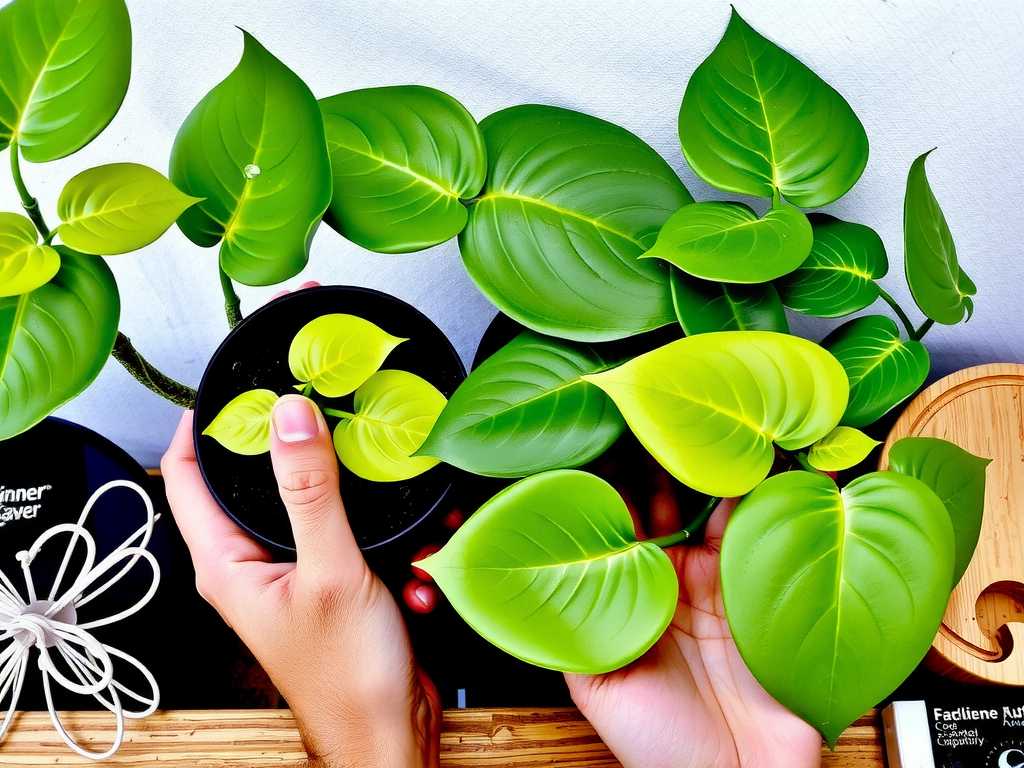
Before diving into specific cultivars, it's crucial to shift from a basic care perspective to a collector's strategy. Advanced gardeners don't just see plants; they see living art with genetic potential. Your goals likely include cultivating rare patterns, managing specific growth rates for design purposes, or even propagating to trade with other enthusiasts. This requires a deeper look beyond the label.
Your selection process must now consider factors like stable variegation, light dependency for color expression, and growth vigor. As noted by horticulturist Dr. Jane Greenfield in a recent Indoor Plant Journal report, "The stability of variegation in cultivars like the 'Marble Queen' pothos can vary dramatically between individual plants and is heavily influenced by consistent, bright indirect light. Selecting a plant with strong initial variegation is half the battle."
Decoding Variegation: Stability, Light, and Genetics
Variegation is the primary draw for collectors, but not all variegation is created equal. Understanding its nature is the first step in making an informed choice.
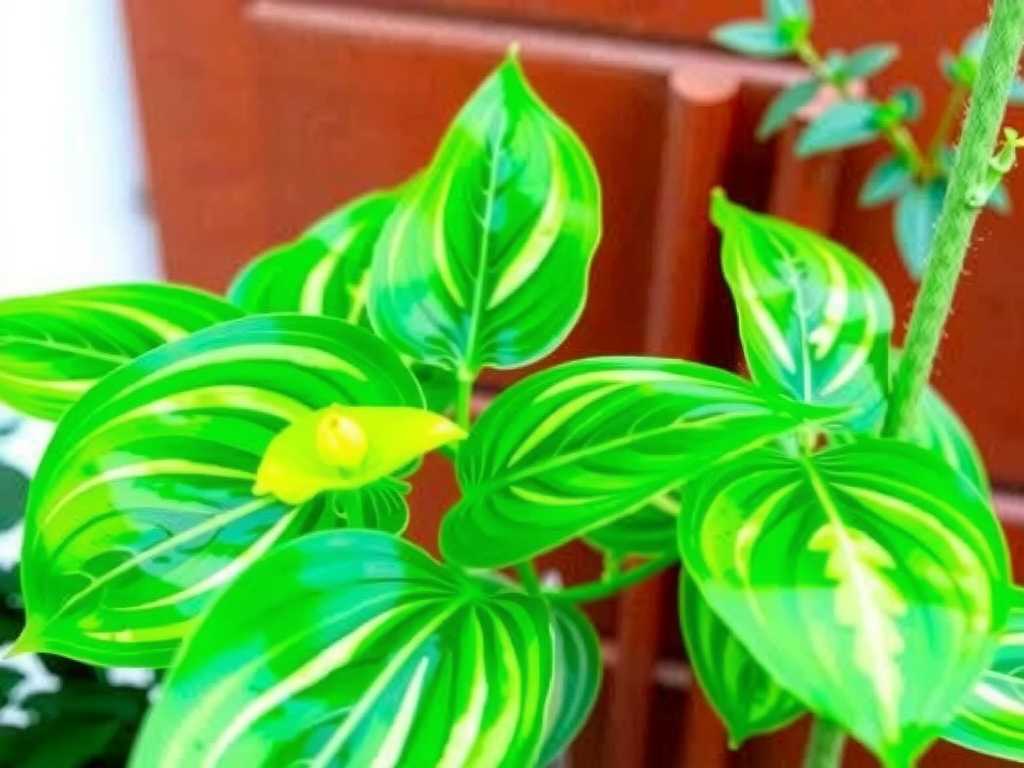
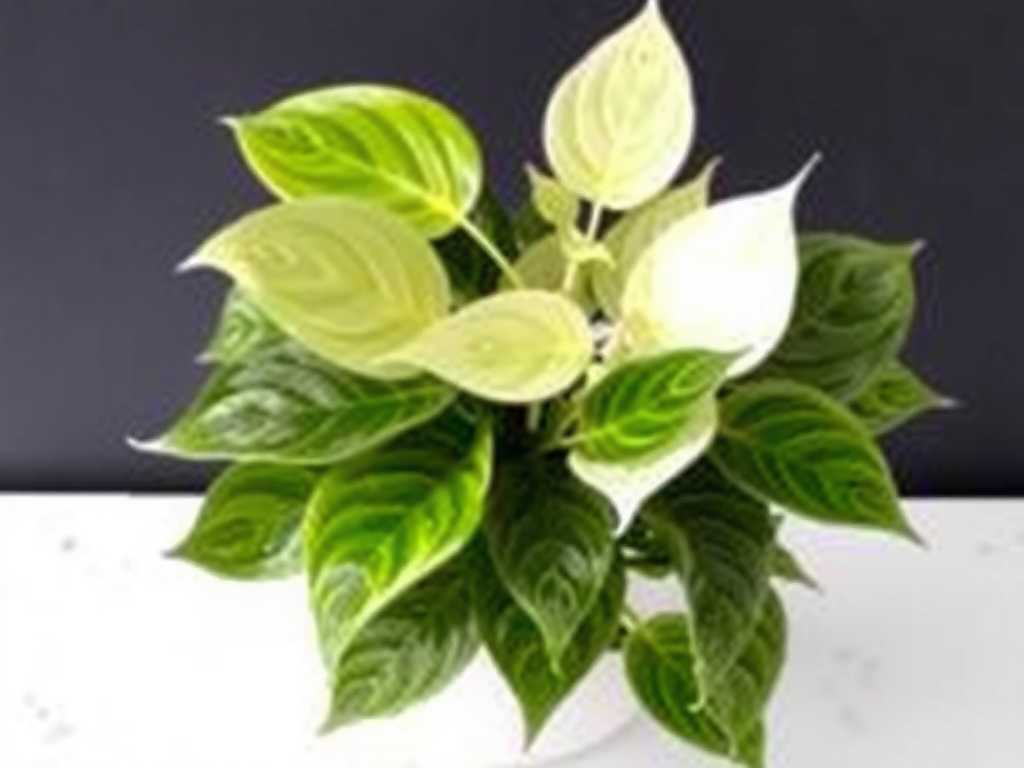
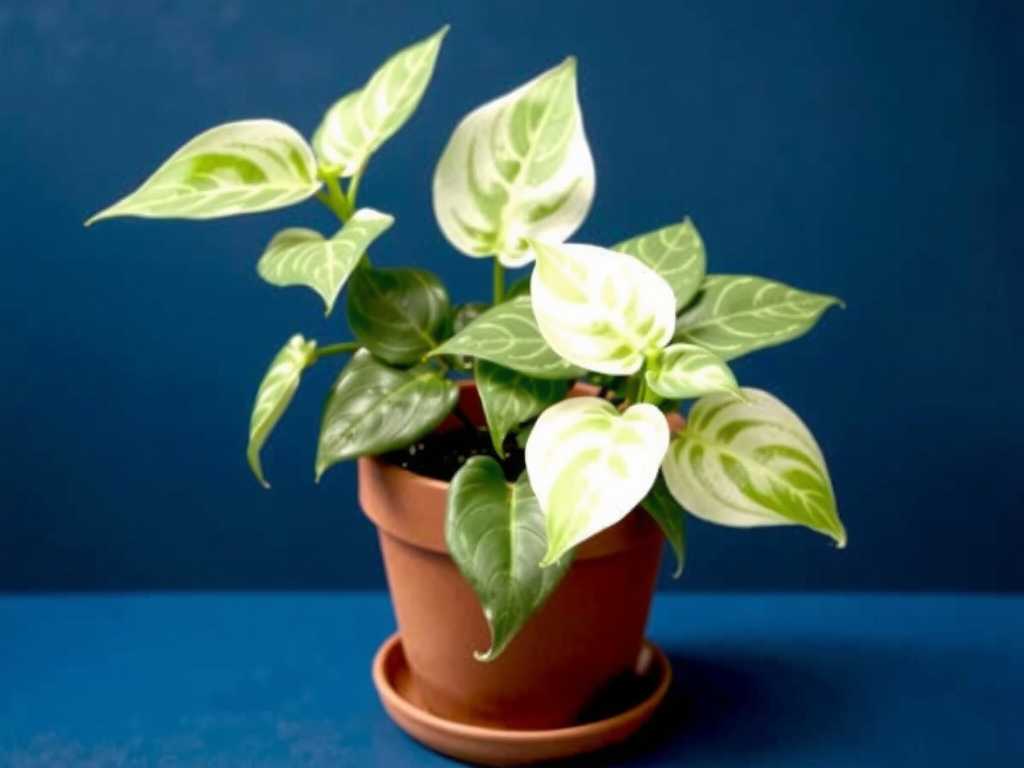
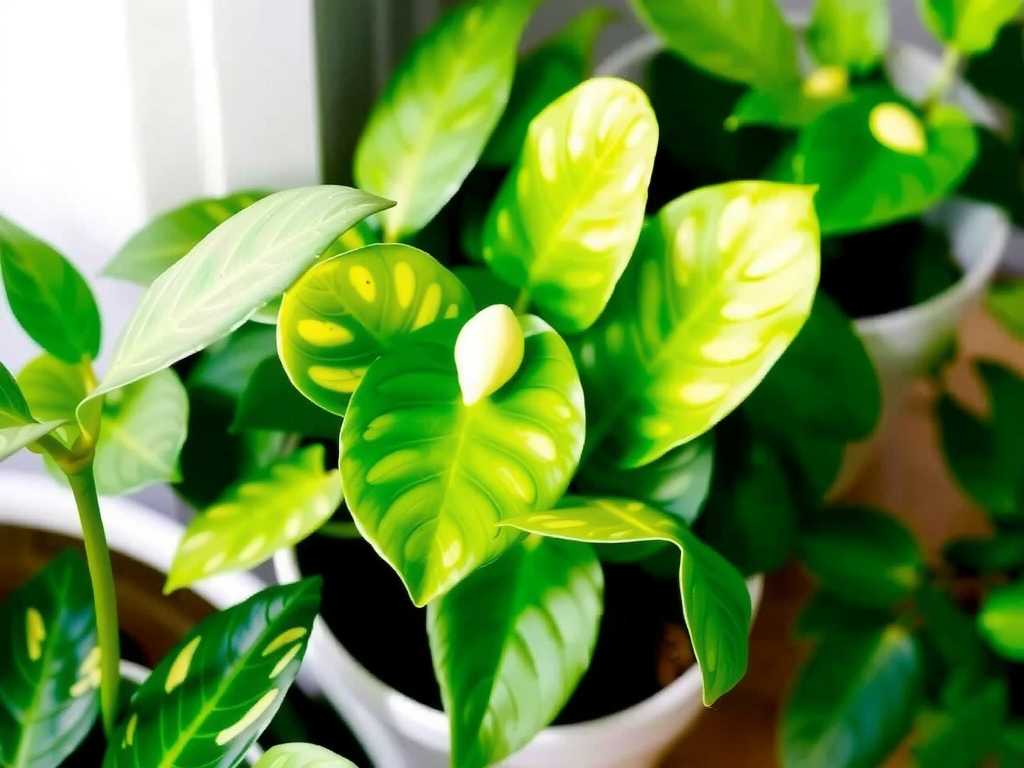
Chimeric vs. Blister Variegation Most pothos exhibit chimeric variegation, where two genetically distinct cell types grow side-by-side. This results in the bold blocks and sectors of color seen in varieties like 'Marble Queen' or 'Jessenia'. This type can be less stable; a vine may revert to solid green if the meristem (growth point) is taken over by all-green cells. Blister or reflective variegation, as seen in 'Global Green' or 'Shangri-La', is caused by air pockets between leaf layers and is generally more genetically stable.
The Light Factor For chimeric variegation, light is non-negotiable. Low light will diminish variegation and encourage reversion. To maintain and enhance those stunning white, yellow, or cream patterns, you must provide bright, indirect light. Consider your home's light architecture before committing to a high-maintenance variegated type. A north-facing room may be better suited for the subtler, stable variegation of a 'Jade' or 'Pearls and Jade'.
Assessing a Plant's Potential When acquiring a new plant, especially online, examine the node and stem. The most promising plants show variegation not just on the leaves, but streaked directly on the stem and extending into the petiole (leaf stem). This indicates the variegation is present at the growth point, increasing the likelihood it will carry forward on new leaves.
Curating for Your Environment and Design Goals
Your growing space and aesthetic desires should directly dictate your pothos selection for experienced plant owners. Group varieties with similar needs for easier care, or use their differences for creative displays.
For the Bright, Indirect Light Haven If you have a sunny (but not direct) spot, you can explore the most striking varieties.
- Epipremnum aureum 'White Sport' (often called 'Manjula'): Characterized by large, broad, heart-shaped leaves with creamy white, silver, and green variegation in a painterly, chaotic pattern. It's a slower grower, making it perfect for a prized, focal-point hanging basket.
- Epipremnum aureum 'Harlequin': A step beyond 'Manjula', this extremely rare variety displays significantly more white, with some leaves being almost entirely white with small green specks. It requires stellar light and careful acclimation.
- Epipremnum pinnatum 'Cebu Blue': While technically a different species, it's a must for advanced collections. Its stunning blue-green, elongated, fenestrated leaves (when mature) offer a completely different texture and color profile.
For Moderate or Artificial Light Conditions Some varieties offer unique looks without demanding perfect light.
- Epipremnum aureum 'Global Green': A newer cultivar with dark green leaves and lighter green, irregular central variegation. Its stable, reflective variegation holds up well in medium light.
- Epipremnum aureum 'Jessenia': A stable sport of 'Marble Queen', offering chartreuse and green marbling. It's more predictable and slightly easier to maintain than its highly variegated parent.
- Epipremnum aureum 'Shangri-La' or 'Sleeping Pothos': Its unique, curled leaves that appear as if they haven't unfurled create incredible texture. It's a conversation starter and thrives in a range of light conditions.
For the Trailing or Climbing Specialist Consider growth habit. Do you want a cascading waterfall or a towering climber?
- Fast, Cascading Trailer: The classic 'Golden Pothos' or 'Neon' are unbeatable for rapid, lush trails.
- Large-Format Climber: If you provide a moss pole, varieties like 'Epipremnum aureum 'Aureum'' (the classic large form) or 'Cebu Blue' will produce dramatically larger, sometimes fenestrated leaves, mimicking their natural growth as they climb.
Sourcing, Acclimating, and Long-Term Care Strategy
Finding these varieties requires knowing where to look. Move beyond general nurseries to specialized online growers, Etsy shops, and local plant swap groups. When you acquire a new, especially rare, pothos, quarantine it away from your collection for at least two weeks to monitor for pests.
Acclimation is critical. A plant shipped from a perfect greenhouse environment will need time to adjust to your home's humidity and light. Provide consistent moisture and avoid repotting immediately. Once settled, a well-draining aroid mix and a consistent fertilizing schedule during the growing season will support robust growth and vibrant color.
How do I prevent my variegated pothos from reverting to all green? The key is light and proactive pruning. Ensure the plant receives ample bright, indirect light. If you notice a stem producing solid green leaves, prune it back to the last variegated node. This encourages growth from other, more variegated points.
What is the rarest pothos variety, and is it worth the hunt for an advanced gardener? Currently, varieties like 'Harlequin', 'Epipremnum aureum 'Teruno Shangri-La'', and certain highly variegated forms of 'Global Green' are considered rare. Whether it's "worth it" is subjective. For a collector, the pursuit and challenge of nurturing a rare plant is part of the joy. However, always research the seller's reputation, as prices can be high.
Can I create my own new pothos variety through propagation? While most cultivars are stable mutations, spontaneous sports (new mutations) can occur on any plant. If you notice a vine with a unique pattern, you can propagate it via stem cuttings. If the mutation is stable through several generations of new growth from that cutting, you may have a novel cultivar. Documenting its stability is key.
Moving beyond basic pothos care opens a rewarding realm of botanical collection. By understanding variegation genetics, aligning plant choices with your environment, and sourcing thoughtfully, you curate a living gallery. Each variety, from the painterly 'Manjula' to the textured 'Shangri-La', adds a unique chapter to your gardening story. The journey of the advanced gardener is one of continuous learning and aesthetic refinement, where the right choice isn't just about survival, but about thriving expression.

发表评论