 admin
admin How to Care for Jessenia Pothos: My 2-Week Journey to a Thriving, Marble Queen Lookalike
You’ve just brought home a stunning Jessenia Pothos, captivated by its unique chartreuse and green marbled leaves. But now, a wave of anxiety hits. How do you keep those beautiful patterns vibrant and prevent those long vines from turning yellow or limp? Is it really different from caring for a Golden Pothos? I was in your exact shoes just a few weeks ago. Despite being an experienced plant parent, this particular variety felt like a new challenge. I decided to document a focused, two-week care experiment, tracking every step, every reaction, and every mistake. What I learned transformed my Jessenia from simply surviving to spectacularly thriving, and I’m here to guide you through the exact same process.
Understanding Your Jessenia Pothos: More Than Just a Pretty Leaf
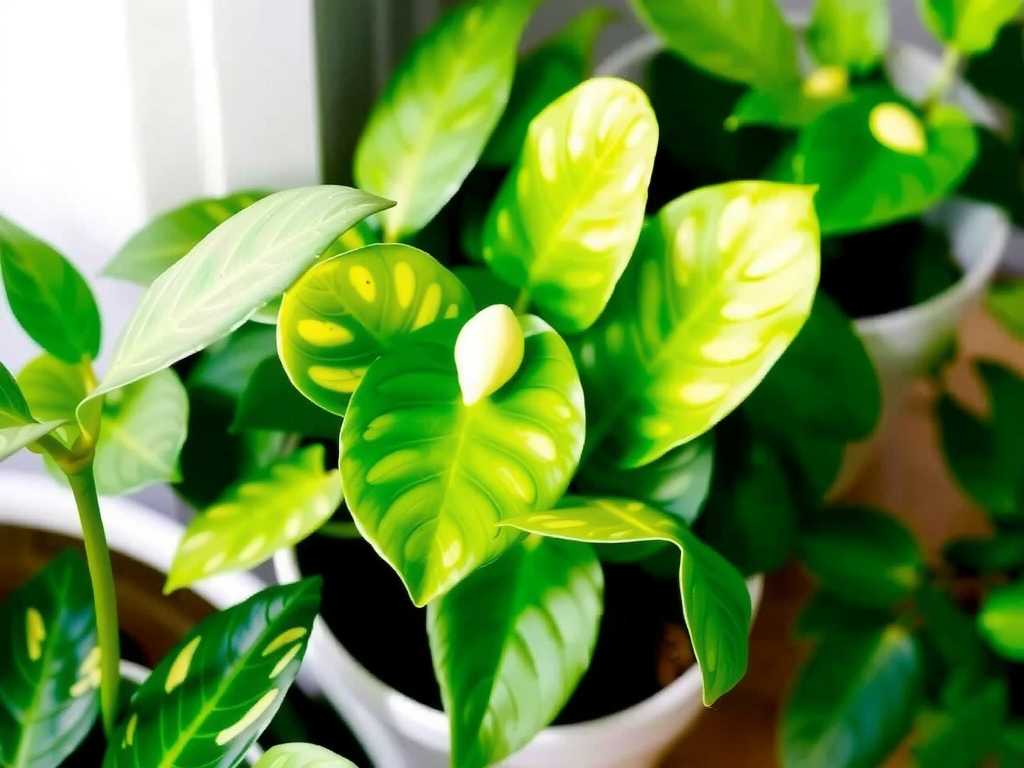
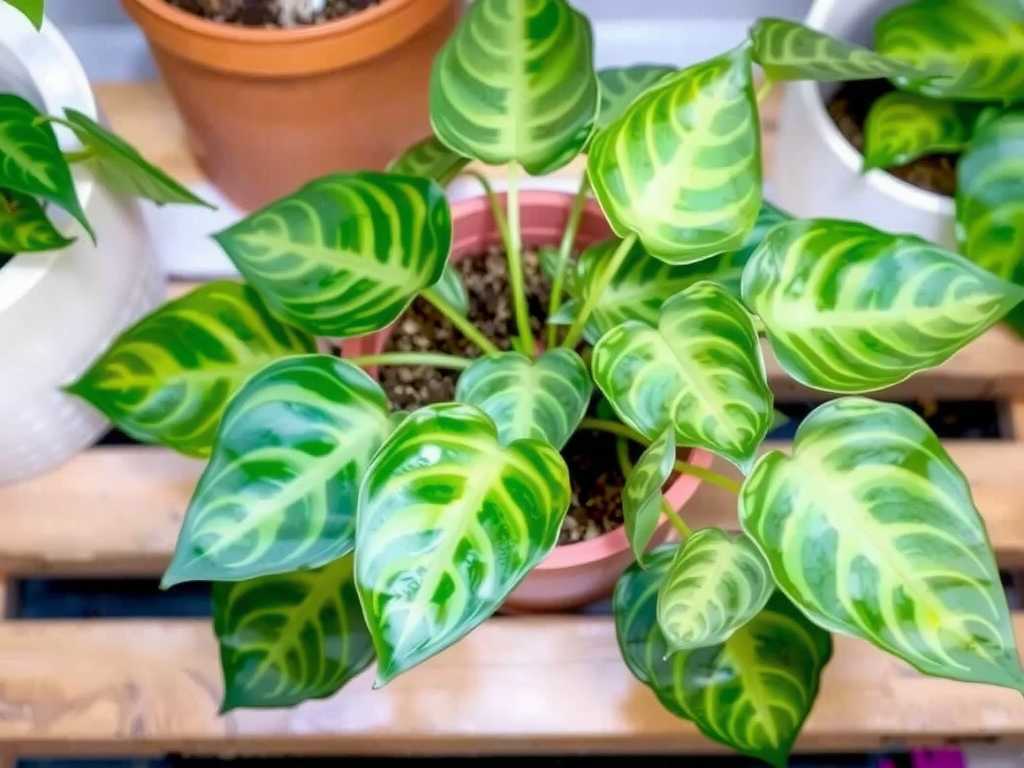
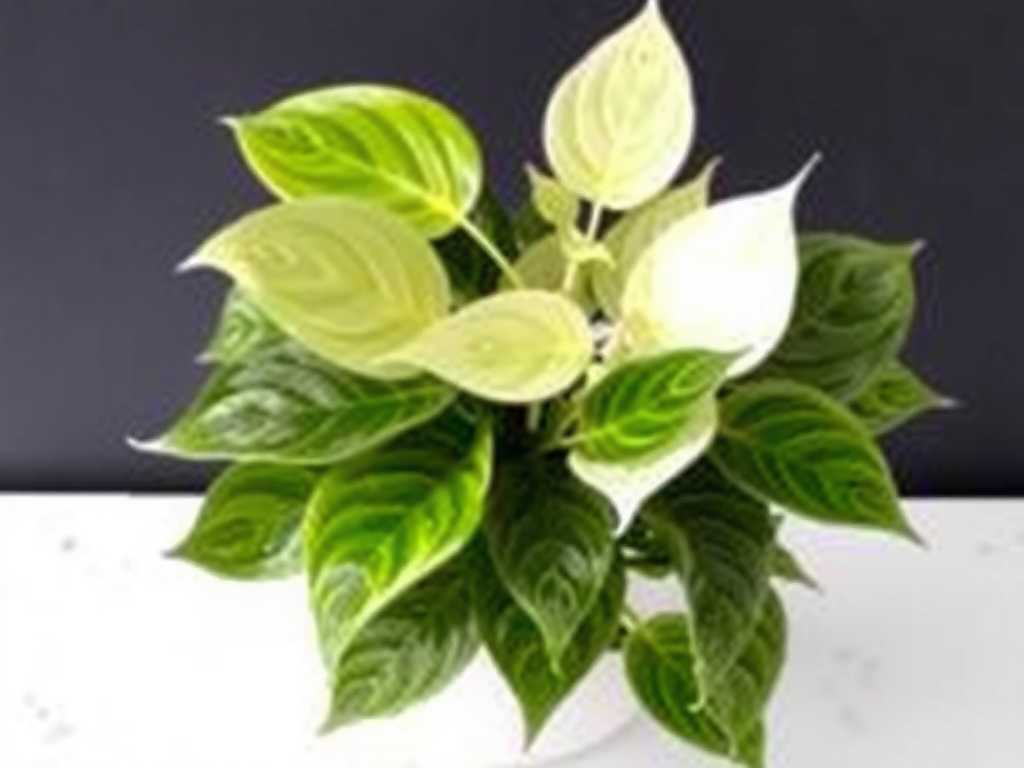
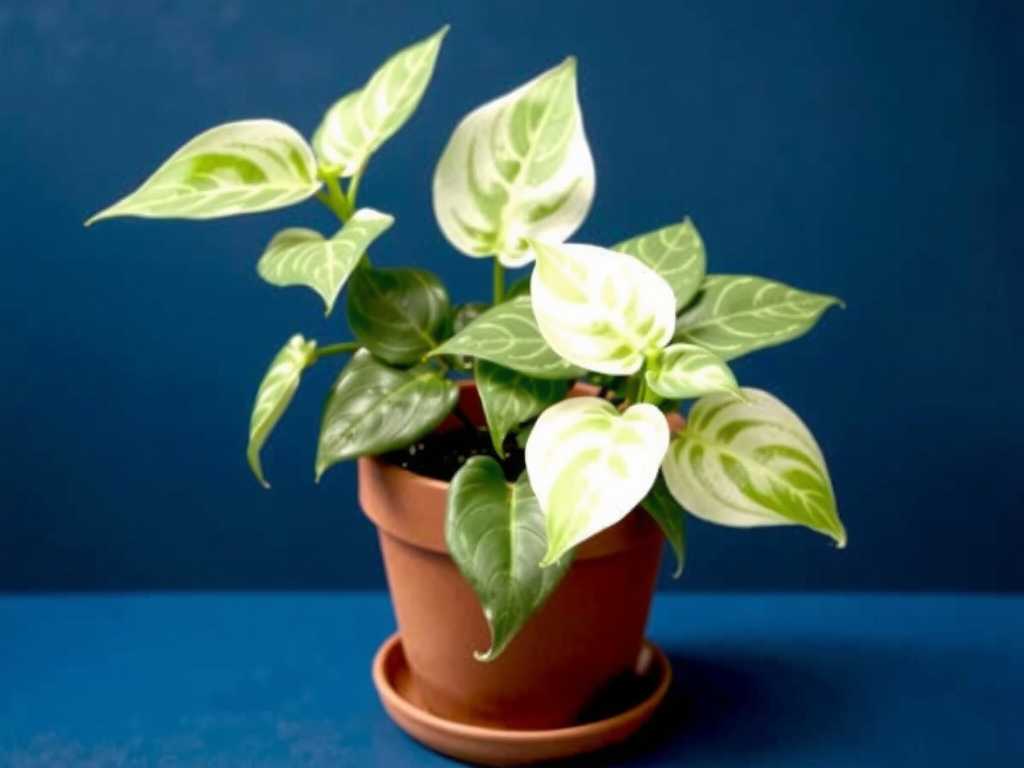
Often confused with the Marble Queen Pothos, the Jessenia Pothos (Epipremnum aureum ‘Jessenia’) is a distinct cultivar with its own personality. Its heart-shaped leaves feature a consistent, elegant marbling of lime-green and forest green, a pattern that’s more stable and less streaky than its relatives. According to the American Horticultural Society’s (AHS) guidelines on variegated plants, this type of patterning requires specific light conditions to maintain its expression. Getting its care right isn’t just about keeping it alive; it’s about preserving that stunning, painterly variegation that made you fall in love with it in the first place.
My 2-Week Care Protocol and Observation Diary
I established a baseline care routine and committed to observing my plant daily, noting even subtle changes. Here’s the regimen I followed and the results I witnessed.
Week 1: Dialing in the Fundamentals
The first week was all about establishing the right environment and correcting my initial missteps.
Finding the Perfect Light Balance
I started by placing my Jessenia in what I thought was a “bright, indirect light” spot—about 4 feet back from a north-east facing window. After three days, I noticed zero new growth and the existing leaves seemed a bit dull. I realized the light was too weak. Remembering advice from the Royal Horticultural Society (RHS) that variegated plants need ample light to fuel their less-efficient, chlorophyll-reduced leaves, I moved it to a spot with stronger, filtered light from an east-facing window (about 2 feet away, with a sheer curtain).
- Observation (Day 4-7): Within 48 hours of the move, the plant seemed to “perk up.” The leaves felt firmer, and the variegation patterns appeared more defined against the light. By day 7, I spotted the tiny tip of a new leaf emerging—a sure sign of happiness.
Mastering the Watering Technique
Overwatering is the fastest way to kill any Pothos. My goal was perfect hydration. I used the “finger test,” inserting my finger up to the second knuckle into the soil. I only planned to water when it felt completely dry. My mistake came on Day 3. The topsoil was dry, but the pot still felt heavy. I watered lightly anyway. Two days later, the oldest leaf near the soil developed a soft, yellow spot—a classic sign of early overwatering.
- The Fix & Observation: I immediately stopped watering and placed the pot in a breezy area to help the soil dry faster. I resolved to wait an extra 2-3 days beyond the “topsoil dry” rule and to always lift the pot to check its weight. A light pot is a thirsty pot. The yellowing stabilized after this correction, teaching me that Jessenia prefers to be on the drier side of “dry.”
Week 2: Optimizing for Growth and Vibrancy
With light and water under control, week two focused on supporting robust health.
Humidity and Feeding: The Growth Boosters
My home humidity sits around 40%. While Jessenia tolerates this, I wanted to encourage larger, lusher leaves. I started a simple pebble tray routine, placing the pot on a tray filled with water and pebbles (ensuring the pot’s base was never in the water). For nutrition, I applied a balanced, diluted liquid fertilizer (at half strength) on Day 10, as it was the start of its active growing season.
- Observation (Day 10-14): The new leaf that had peeked out in week one grew at an astonishing rate. It unfurled completely, showing beautifully crisp variegation. The existing leaves developed a healthy, almost glossy sheen. No signs of fertilizer burn, confirming the half-strength dose was correct.
The Pruning and Propagation Experiment
To encourage a bushier plant, I decided to prune one long, leggy vine on Day 12. Using sterilized scissors, I cut just below a leaf node (the bump on the stem where leaves and roots grow). I didn’t waste the cutting! I placed it in a glass of water to propagate, changing the water every 4 days.
- Observation (Day 14): The mother plant responded to the pruning by sending out a new growth point further down the stem. The cutting in water showed no rot and, by the end of the two weeks, the node had swollen—the first sign of root development. This successful propagation was a rewarding confirmation of the plant’s overall health.
Your Complete Jessenia Pothos Care Guide
Based on my trial and error, here is your definitive, step-by-step guide.
Ideal Lighting Conditions for Jessenia Pothos
Aim for bright, indirect light. An east-facing window is ideal. A few hours of gentle morning sun is beneficial. Avoid harsh, direct afternoon sun, which can scorch the leaves, and deep shade, which will cause the stunning variegation to fade and the plant to become leggy as it stretches for light. Rotate your plant quarterly for even growth.
Watering Your Jessenia Pothos Correctly
This is the most critical skill. Water your Jessenia Pothos thoroughly only when the soil is almost completely dry. Drench the soil until water flows freely from the drainage holes, then let all excess water drain away. Never let the plant sit in a saucer of water. In my 2-week test, this meant watering only once, at the beginning of the second week. In winter, you may only need to water every 3-4 weeks.
The Best Soil and Potting Mix
A well-draining, aerated potting mix is non-negotiable. Use a high-quality all-purpose indoor plant soil and amend it with perlite or orchid bark (a 3:1 ratio of soil to perlite works perfectly). This prevents compaction and ensures the roots get oxygen, safeguarding against root rot. Ensure your pot has adequate drainage holes.
Fertilizing for Optimal Health
Feed your Jessenia Pothos with a balanced, water-soluble fertilizer (like a 10-10-10 or 20-20-20 formula) diluted to half strength. Apply this monthly during the spring and summer. Do not fertilize in fall and winter when growth naturally slows. Over-fertilization will damage the roots and cause leaf burn.
Pruning and Propagating Jessenia Pothos
Regular pruning maintains a full, attractive shape. Prune your Jessenia Pothos in spring or summer by snipping stems just above a leaf node. This encourages branching. Every piece you prune can become a new plant! Propagate by placing stem cuttings with at least one node in water or moist sphagnum moss. Once roots are 1-2 inches long, pot them up to expand your collection or share with friends.
Troubleshooting Common Jessenia Pothos Problems
- Yellowing Leaves: Usually a sign of overwatering. Check your soil moisture and ensure proper drainage.
- Brown, Crispy Leaf Tips: Low humidity or underwatering. Increase ambient humidity with a pebble tray or humidifier, and check your watering frequency.
- Loss of Variegation (Leaves Turning Green): Insufficient light. Gradually move the plant to a brighter location.
- Leggy Growth with Small Leaves: The plant is stretching for more light. Provide brighter indirect light and consider pruning to encourage bushier growth.
Is Jessenia Pothos pet-friendly? No, like all Pothos varieties, Jessenia Pothos is toxic to cats and dogs if ingested. The plant contains calcium oxalate crystals, which can cause oral irritation, vomiting, and difficulty swallowing. It’s best to keep this plant in a location inaccessible to curious pets.
How fast does Jessenia Pothos grow? Under ideal conditions of bright indirect light, proper watering, and warm temperatures, Jessenia Pothos is a moderately fast grower, especially during spring and summer. You can expect several inches of new growth per month, with new leaves unfurling every few weeks.
Can Jessenia Pothos revert to all green? Yes, if kept in consistently low-light conditions, the plant may produce leaves with less variegation or even fully green leaves as it tries to produce more chlorophyll to capture energy. To maintain the marbling, provide ample bright, indirect light. If a stem reverts completely, you can prune it back to a point where the last variegated leaf was.
Caring for a Jessenia Pothos is a deeply rewarding experience. It’s a plant that communicates clearly—its leaves tell you exactly what it needs. By providing strong indirect light, watering with a restrained hand, and giving it a cozy spot with a bit of extra humidity, you’ll be rewarded with a vigorous, dazzling vine that brings a splash of living art into your home. My two-week journey turned uncertainty into confidence, and by following these observed steps, yours will too. Happy growing

发表评论