 admin
admin That forgotten corner of your garden, the one you glance at with a sigh—overgrown, shaded, and seemingly lifeless. It doesn't have to stay that way. What if you could transform that neglected garden nook into a lush, vibrant retreat using one of the most resilient and beautiful houseplants? The secret lies in learning how to propagate pothos. This simple, rewarding process is your key to creating abundant, free greenery that thrives in challenging, low-light spaces where other plants might struggle.
Pothos, with its cascading vines and heart-shaped leaves, is a champion of adaptability. Its remarkable ability to root easily from cuttings makes it the perfect, cost-effective solution for breathing life back into your garden's forgotten spots. This guide will walk you through every step, from taking your first cutting to designing and maintaining your revived green nook.
Why Pothos is the Perfect Plant for Garden Revival
Before we dive into the propagation methods, it's important to understand why pothos is an ideal candidate for this project. Often hailed as a beginner-friendly houseplant, its virtues translate powerfully to sheltered outdoor spaces.
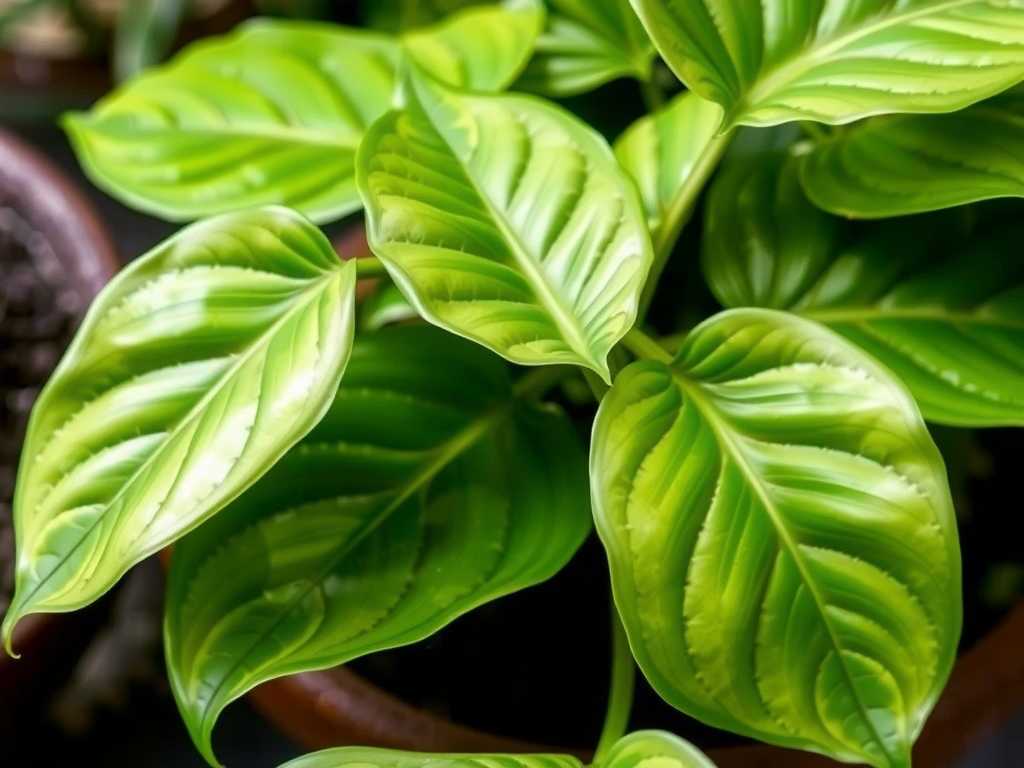
Pothos is exceptionally tolerant of low-light conditions, which are common in enclosed garden nooks under trees or beside walls. While it thrives in bright, indirect light indoors, it can adapt to the dappled shade of an outdoor corner. Furthermore, it's a vigorous grower. A few well-placed plants can quickly create a curtain of greenery, covering bare soil or unsightly foundations. Horticulturist and author Maria Failla notes, "Pothos is more than just a houseplant; it's a tool for instant gratification in gardening. Its rapid growth from propagation gives new gardeners the confidence boost they need to tackle larger projects."
Gathering Your Propagation Toolkit
You don't need fancy equipment to successfully propagate pothos. Here’s what you’ll need to get started:
- Healthy Parent Plant: Choose a vigorous pothos vine with no signs of disease or pests.
- Sharp, Clean Scissors or Pruners: Clean cuts prevent damage and reduce the risk of infection.
- Vessels for Water or Soil: Small jars, glasses for water propagation, or small pots with drainage holes for soil.
- Growing Medium: Fresh, well-draining potting mix for soil propagation.
- Optional Rooting Hormone: This powder can accelerate root growth but is not strictly necessary for pothos.
Step-by-Step: How to Propagate Pothos in Water
Water propagation is the most popular and visually rewarding method, perfect for beginners.
1. Identify and Cut the Right Stem. Look for a healthy stem segment. The key is to find a "node"—a small, brownish bump on the stem where leaves and roots emerge. Using your clean shears, cut about a quarter-inch below a node. Your cutting should include at least one node and one or two leaves.
2. Place in Water. Remove any leaves that would be submerged to prevent rot. Place the cutting in your vessel filled with room-temperature water, ensuring the node is underwater. The leaf should remain above the surface.
3. Provide Ideal Conditions and Wait. Position your jar in a spot with bright, indirect light. Change the water every week to keep it fresh and oxygenated. In 1-2 weeks, you'll see tiny white roots sprouting from the node.
4. Transplanting to Soil. Once the roots are 2-3 inches long, your cutting is ready for soil. Gently plant it in a pot with moist potting mix. Keep the soil consistently damp (not soggy) for the first week or two as the roots transition from water to soil.

Step-by-Step: Propagating Pothos Directly in Soil
For a more direct approach, you can propagate cuttings straight into soil.
1. Prepare Your Cuttings and Pot. Take cuttings as described above. Have a small pot filled with a moist, well-draining potting mix ready.
2. Plant the Cutting. Make a small hole in the soil with your finger or a pencil. Insert the cutting, ensuring the node is buried beneath the soil. Gently firm the soil around the stem.
3. Create a Humid Environment. To prevent the cutting from drying out before it roots, you can cover the pot with a clear plastic bag or place it in a mini greenhouse. This boosts humidity. Keep the soil lightly moist.
4. Check for Root Growth. After 2-3 weeks, give the cutting a very gentle tug. If you feel resistance, roots have formed. You can also look for new leaf growth, which is a sure sign of success.
Designing Your Revived Garden Nook with Pothos
Now for the fun part: using your newly propagated pothos plants to restore that neglected space. This is where you shift from propagation to creative landscaping.
Assess the Space. Start by clearing debris and weeds from your nook. Understand its light patterns throughout the day. Is it in deep shade or dappled light?
Choose Your Display Method. Pothos is incredibly versatile.
- Hanging Baskets: Suspend pots from eaves or tree branches to create cascading vertical interest.
- Shelves and Ledges: Line up potted pothos on shelves or a windowsill to build a green wall.
- Ground Cover: In frost-free climates or as a seasonal accent, allow pothos to trail along the ground to cover bare earth.
- Mixed Containers: Combine your pothos with other shade-tolerant plants like ferns, begonias, or hostas for textural contrast.
Implement and Arrange. Start placing your pots. Use varying heights—stools, overturned pots, or wall brackets—to create depth. Remember, pothos is tropical and should be brought indoors if temperatures dip below 50°F (10°C).
Ongoing Care for Your Outdoor Pothos Display
Your work doesn’t end with planting. Proper care ensures your nook remains lush.
- Watering: Water when the top inch of soil feels dry. Outdoor plants may dry out faster than indoor ones, especially in warmer weather.
- Feeding: During the growing season (spring and summer), feed monthly with a balanced liquid fertilizer diluted to half strength.
- Pruning: Regularly trim long vines to encourage bushier growth. You can use these trimmings to propagate even more plants!
- Pest Vigilance: While generally pest-resistant, occasionally check for common pests like mealybugs or spider mites, especially when transitioning plants outdoors.
Can I propagate pothos from just a leaf? No, successful propagation requires a node. A leaf alone, without a node, may root in water but will never produce a new vine. The node contains the meristematic tissue necessary for new growth.
How long does it take for pothos cuttings to root? In water, roots often appear within 1-2 weeks. In soil, it takes slightly longer, typically 2-4 weeks, before firm root establishment. Warmth and bright indirect light speed up the process.
Why are the leaves on my propagated pothos turning yellow? Yellowing leaves can signal overwatering, especially in soil. Ensure your pot has drainage and let the soil dry slightly between waterings. In water propagation, yellowing could be due to lack of nutrients; it's time to pot the cutting in soil.
Revitalizing a neglected garden space is deeply satisfying. By mastering how to propagate pothos, you unlock an endless, free supply of versatile greenery. This process empowers you to design a personalized, thriving retreat from what was once an overlooked corner. Start with a single cutting, follow these clear steps, and watch as your patience and care literally take root, transforming both your garden and your gardening confidence.



发表评论