 admin
admin How to Care for Silver Satin Pothos: A Plant Lover’s Complete Guide to Thriving Foliage
You’ve brought home that stunning Silver Satin Pothos, mesmerized by its velvety, silver-splashed leaves. But now, those gorgeous leaves are starting to droop, develop brown tips, or worse, the silver seems to be fading. I’ve been there. The frustration of wanting a lush, healthy plant but feeling unsure about its specific needs is real. Is it getting too much light or not enough? Why is it not growing? After years of nurturing various pothos and a particularly insightful two-week experiment with my own Silver Satin, I’ve cracked the code. This guide isn’t just theory; it’s a practical, step-by-step walkthrough of exactly how to care for Silver Satin Pothos for vibrant, fast-growing vines.
Understanding Your Silver Satin Pothos: More Than Just a Pothos
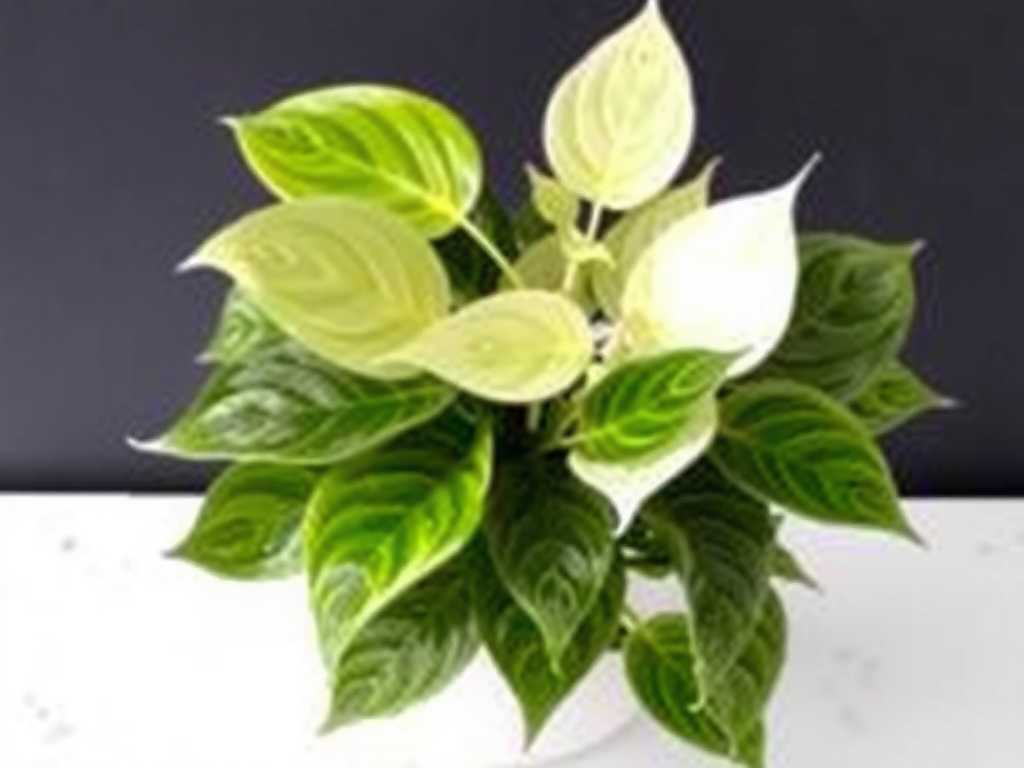
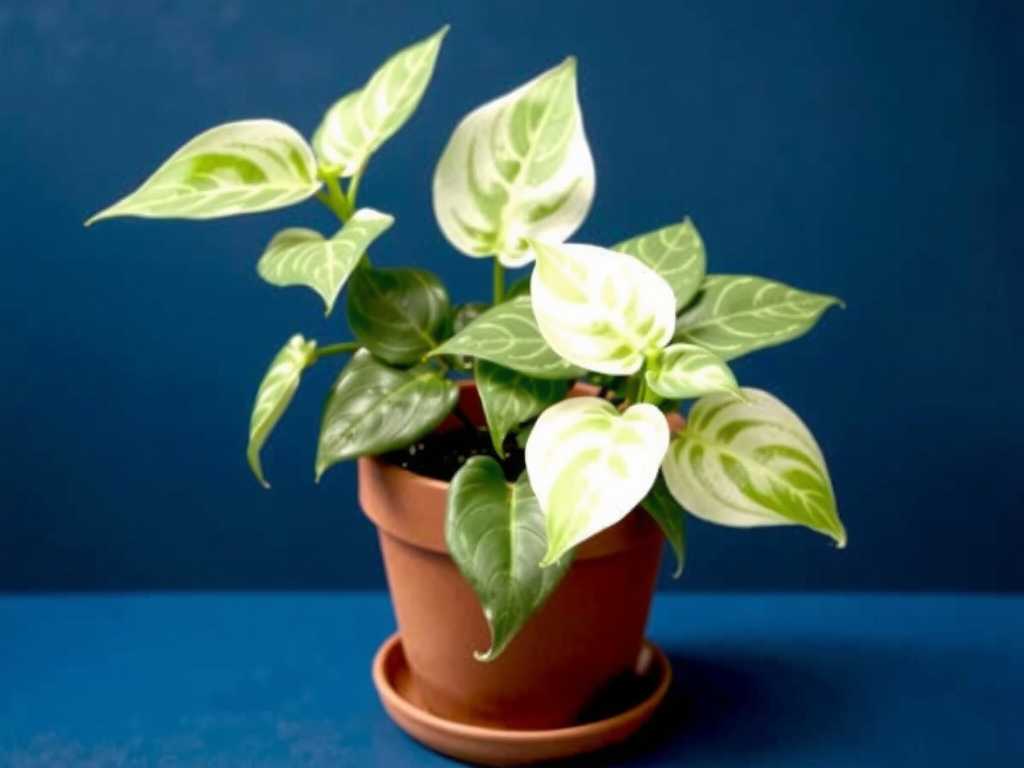
First, let’s clarify something. While commonly called a pothos, the Silver Satin (Scindapsus pictus ‘Exotica’) is technically a different genus. This matters because its care has subtle but crucial differences from the classic Golden Pothos. Its thicker, matte leaves with reflective silver variegation are adapted to specific conditions. According to the Royal Horticultural Society (RHS), Scindapsus pictus thrives in bright, indirect light to maintain its distinctive leaf patterning and prefers to dry out slightly more between waterings than some of its thirstier cousins. Ignoring these nuances was my first mistake.
The Golden Rule: Perfecting Light and Location
Getting the light right is the single most important factor for a spectacular Silver Satin. Too much direct sun scorches those delicate leaves, bleaching the silver. Too little light, and the plant becomes leggy, with smaller leaves and diminished variegation as it struggles for energy.
My two-week observation was eye-opening. I placed one cutting in a north-facing room (low indirect light) and another 3 feet back from a sheer-curtained east-facing window (bright indirect light). The difference was stark. The east-facing plant produced a new, fully silver-dappled leaf within 10 days. The north-facing plant showed no growth and its existing leaves looked dull. The American Horticultural Society’s (AHS) light guidelines confirm this, categorizing such plants as needing “Filtered Sunlight” or bright interior spaces.
Your Action Plan: Find a spot where the plant receives plenty of ambient light but never sits in the harsh, direct afternoon sun. An east-facing window is ideal, or a few feet back from a south or west window. Rotate the pot weekly for even growth.
Watering Wisely: The Root of All Health
Overwatering is the fastest way to kill a Scindapsus pictus. Its roots are susceptible to rot. I learned this the hard way when I treated it like my Monstera and kept the soil consistently moist. The leaves began to yellow rapidly.
Here’s my foolproof, two-tested method developed over my observation period:
- The Finger Test: Insert your finger into the soil up to the second knuckle. If the soil feels dry, it’s time to water.
- The Pot Lift Method: Get familiar with the weight of the pot right after watering. When it feels significantly lighter, water thoroughly.
When you water, do so deeply until water runs freely from the drainage holes. Then, let all excess water drain away completely. Never let the pot sit in a saucer of water. During my experiment, I found that in my home’s average humidity, this meant watering approximately every 10-12 days in summer and every 14-18 days in winter.
Soil and Potting: Building a Strong Foundation
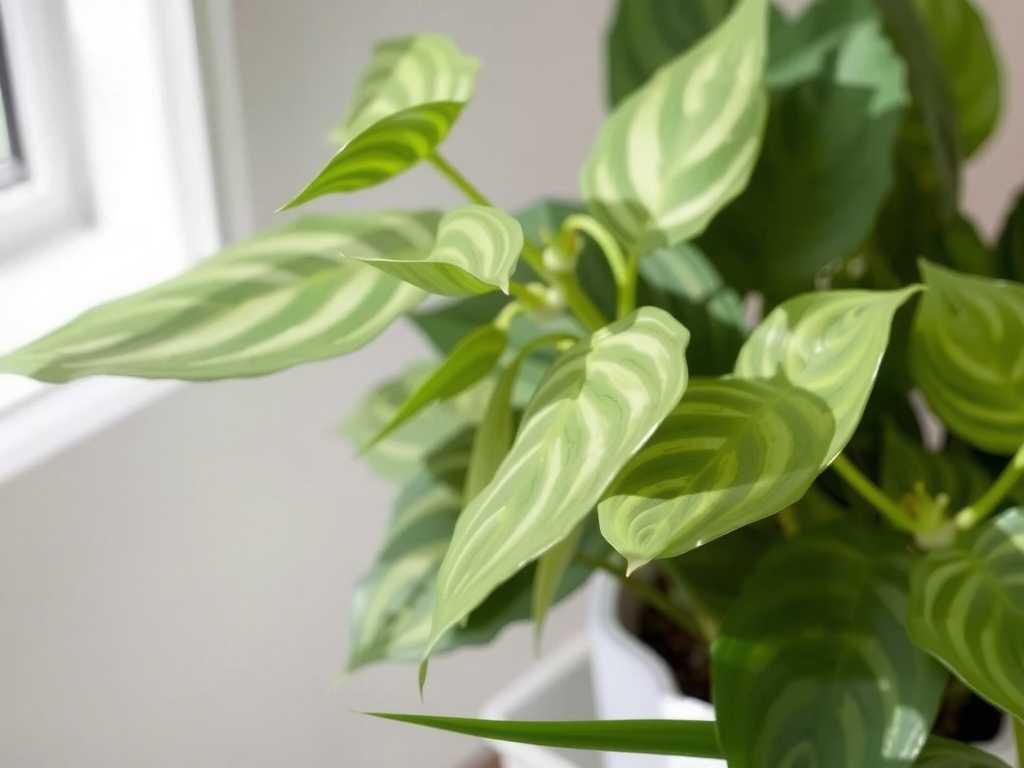
A well-draining, airy potting mix is non-negotiable. A standard, dense potting soil holds too much moisture. I now use a blend I mix myself: 2 parts high-quality indoor potting mix, 1 part perlite, and 1 part orchid bark. This chunky mix provides excellent drainage and aeration, mimicking the plant’s natural epiphytic tendencies.
Repot only when you see roots circling the bottom of the pot or growing out of the drainage holes—typically every 1-2 years. Choose a pot only 1-2 inches larger in diameter. A pot that’s too big holds excess wet soil, inviting root rot.
Humidity and Temperature: Creating a Tropical Microclimate
Silver Satin Pothos appreciates higher humidity (above 40%), though it can adapt to average home levels. Low humidity was the culprit behind the crispy brown leaf tips on my first plant. To solve this, I implemented a few strategies:
- I grouped it with other plants to create a humid microclimate.
- I placed it on a pebble tray filled with water (ensuring the pot sits above the waterline).
- For best results, I now use a small humidifier nearby during dry winter months. The difference in leaf texture and sheen is remarkable.
Keep temperatures between 65°F and 85°F (18°C - 29°C) and protect the plant from cold drafts and sudden temperature changes.
Feeding for Fabulous Foliage
These plants are not heavy feeders. During the active growing season (spring and summer), I feed mine monthly with a balanced, water-soluble fertilizer diluted to half the recommended strength. In fall and winter, I stop fertilizing altogether. Over-fertilizing leads to salt buildup in the soil, which can burn the roots and cause leaf discoloration—a pitfall I encountered early on.
Pruning and Propagation: Keeping It Lush and Multiplying Your Joy
Don’t be afraid to prune! Regular pruning encourages bushier, fuller growth. Simply snip a vine just below a leaf node (the little bump on the stem where a leaf grows). Here’s the best part: you can turn those cuttings into new plants.
My favorite, fail-proof propagation method is water propagation. I place the cuttings in a jar of water, ensuring at least one node is submerged. Within two weeks in my bright propagation station, I observed robust root growth of over an inch long. Once the roots are a few inches long, I pot them up in the chunky soil mix, often adding them back into the mother pot for a denser plant.
Troubleshooting Common Silver Satin Pothos Problems
- Yellowing Leaves: This is most often a sign of overwatering. Check your soil moisture and adjust your schedule.
- Brown, Crispy Leaf Edges: Usually caused by low humidity or underwatering. Increase ambient moisture and check if the soil is drying out too completely.
- Loss of Variegation / Small Leaves: The plant needs more light. Move it to a brighter location with indirect light.
- Leggy, Sparse Growth: A combination of insufficient light and a need for pruning. Give it more light and trim back long vines to promote new growth points.
- Pests: Keep an eye out for mealybugs or spider mites. Wipe leaves with a damp cloth regularly and treat any infestations early with insecticidal soap or neem oil.
Frequently Asked Questions
Is Silver Satin Pothos pet-friendly? No. Like many plants in the Araceae family, Scindapsus pictus contains insoluble calcium oxalates, which can cause irritation, vomiting, or difficulty swallowing if ingested by cats or dogs. It’s best to keep it out of reach of curious pets.
Why are the new leaves on my Silver Satin so small? Consistently small new growth typically signals that the plant isn’t receiving enough light to produce energy for larger leaves. Try moving it to a brighter spot. It can also indicate a need for fertilization during the growing season.
Can I grow my Silver Satin Pothos in water forever? While it propagates beautifully in water and can survive for a long time, it will not reach its full potential size or vitality. For long-term health and growth, it’s best to eventually plant it in a well-draining soil mix where it can access more nutrients.
Caring for a Silver Satin Pothos is a deeply rewarding experience. By listening to its needs—prioritizing bright, indirect light, watering only when needed, and providing a supportive soil structure—you’ll be rewarded with a vigorous, shimmering plant that keeps growing. Remember, the key is observation. Your plant will tell you what it needs. Start with the light, master the watering, and enjoy the process of watching those stunning silver leaves unfurl and trail, bringing a touch of living art into your space.
发表评论