 admin
admin How to Care for Global Green Pothos: My Complete Guide to a Lush, Healthy Vine
You’ve brought home that stunning Global Green Pothos, with its mesmerizing, marbled dark and lime-green leaves. It looks perfect now, but a quiet worry creeps in: “How do I keep it this way?” I’ve been there. The fear of overwatering, the confusion about light, the panic when the first yellow leaf appears. As a longtime plant enthusiast, I’ve learned that while the Global Green Pothos is forgiving, unlocking its full, bushy potential requires understanding its specific needs. This isn’t just another generic care guide. This is my personal journey, complete with a two-week rescue mission, the mistakes I made, and the exact steps that transformed my struggling vine into a thriving centerpiece.
Let’s demystify the care for this beautiful variety together.
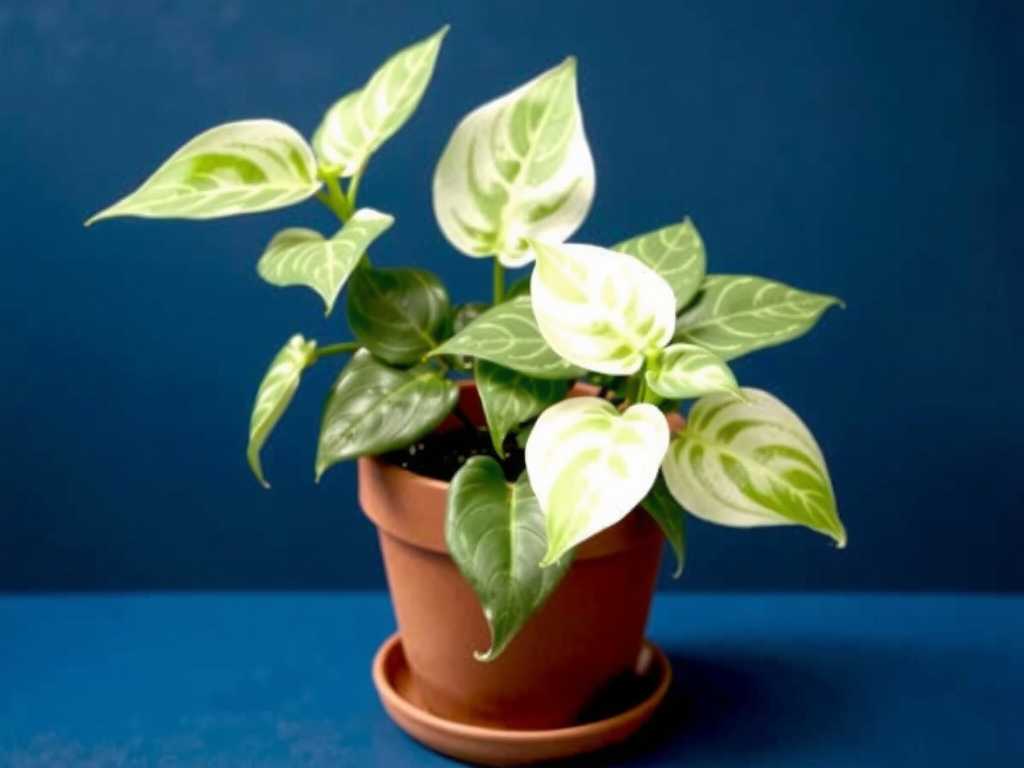
Understanding Your Global Green Pothos: More Than Just a Pretty Leaf
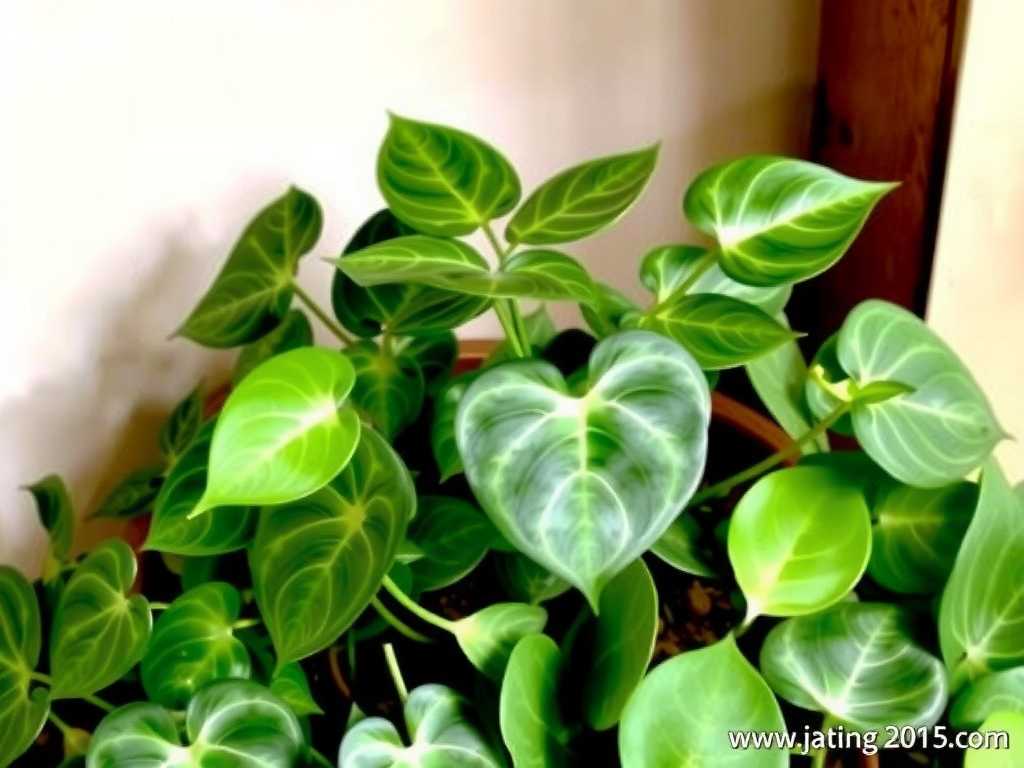
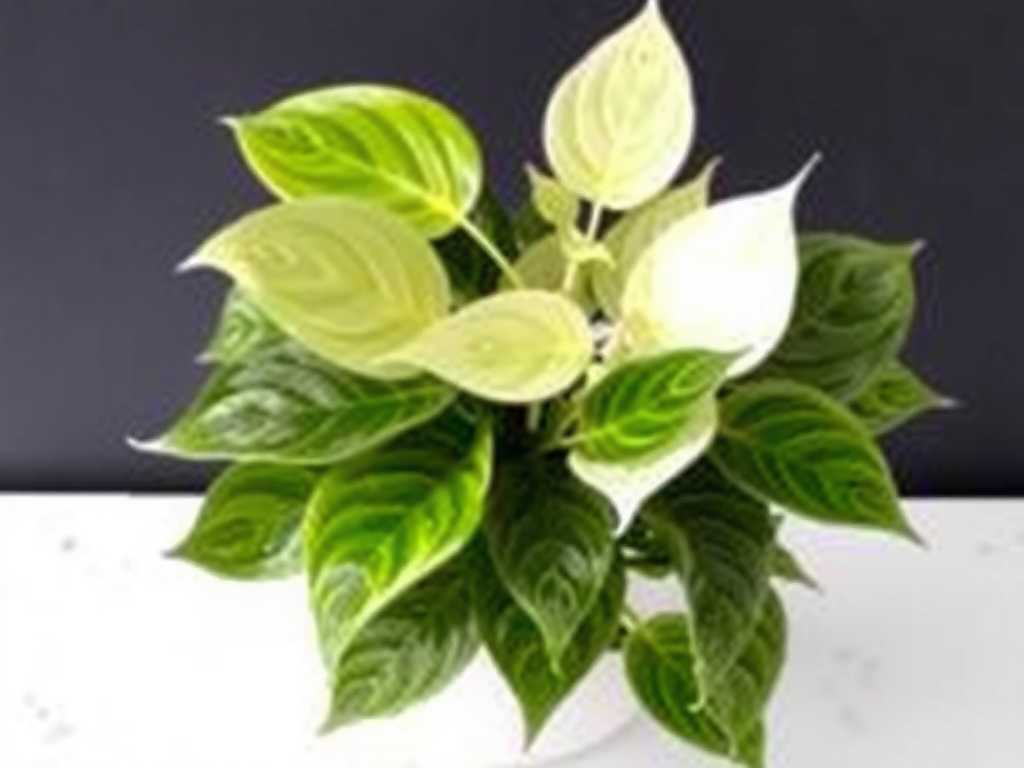
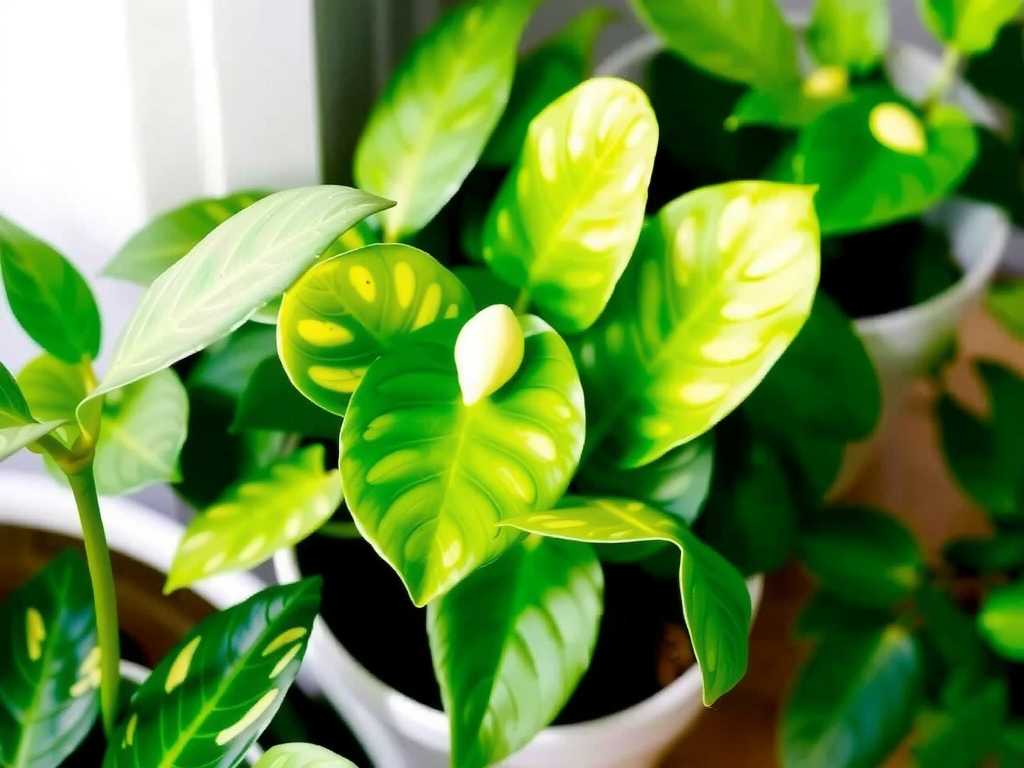
Before we dive into the daily care routine, it’s crucial to understand what makes the Global Green Pothos variety special. It’s a cultivar of Epipremnum aureum, prized for its unique, stable variegation that appears as chaotic chartreuse splashes across a deep forest-green background. Unlike some variegated plants, this pattern is less dependent on extreme light to maintain, but light still plays a starring role in its growth rate and color intensity.
I learned this the hard way. My first Global Green was placed in a low-light bathroom, assuming all pothos are the same. While it survived, the growth stalled, and the vibrant variegation became muted and muddy. The new leaves were smaller and less dramatic. It was merely existing, not thriving. This leads us to the first and most critical pillar of care.
The Golden Rule: Perfecting Light and Location
The single biggest factor in a successful Global Green Pothos care routine is light. This plant thrives in bright, indirect light. Think of a spot near an east or north-facing window, or a few feet back from a south or west-facing window where the sun’s rays never directly touch the leaves.
- My Two-Week Light Experiment: My struggling plant needed intervention. I moved it to a shelf about 4 feet from a large east-facing window. The morning sun was gentle, and the rest of the day was filled with bright, ambient light. I committed to observing it for two weeks.
- Week 1 Observations: No dramatic changes, but I noticed the existing leaves seemed to “perk up,” looking firmer and glossier.
- Week 2 Breakthrough: A new growth point (node) activated! A tiny spear of a leaf began to emerge, showing promising, bold variegation from the start. This was the confirmation I needed. Direct sun can scorch the leaves, causing brown, crispy patches. Too little light, as I initially provided, leads to leggy stems with large gaps between leaves (etiolation) and faded color.
Watering Wisdom: How to Avoid the Root of All Evil
Overwatering is the fastest way to harm your pothos. These plants prefer to dry out somewhat between waterings. The “soak and dry” method is your best friend.
Here is my fail-proof system:
- Finger Test: Insert your finger into the soil up to the first knuckle (about 2 inches). If the soil feels dry, it’s time to water.
- The Thorough Soak: Take the plant to the sink and water slowly until you see water flowing freely from the drainage holes. This ensures the entire root ball is hydrated.
- The Complete Drain: Let the pot drain completely in the sink before returning it to its decorative cover or saucer. Never let the plant sit in standing water.
The Pit I Fell Into: I used a decorative pot without a drainage hole for aesthetics. Despite being careful with water volume, moisture accumulated unseen at the bottom. Within weeks, I saw yellowing leaves and a general look of unhappiness. The solution? I repotted it into a plastic nursery pot with excellent drainage and then placed that pot inside the decorative cover. Problem solved. The Royal Horticultural Society (RHS) emphasizes that good drainage is non-negotiable for preventing root rot, a silent killer of houseplants.
Soil and Nutrition: Building a Strong Foundation
Your Global Green isn’t fussy about soil but performs best in a well-draining, aerated mix. A standard houseplant potting mix is fine, but I boost mine by adding 20-30% perlite or orchid bark to increase drainage and oxygen flow to the roots.
Feeding is simple. During the active growing season (spring and summer), I use a balanced, water-soluble fertilizer (like a 10-10-10 or 20-20-20) diluted to half the recommended strength, once a month. I do not fertilize in fall and winter when growth naturally slows. The American Horticultural Society (AHS) advises that over-fertilization can damage roots and cause leaf burn, so “less is more” is a safe mantra.
Pruning and Propagation: For a Bushier, Happier Plant
One of the joys of pothos is how easily you can shape them and create new plants. If your vine gets leggy, don’t hesitate to prune. Use clean, sharp scissors to cut just above a leaf node (the small bump on the stem where a leaf attaches). This encourages the plant to branch out from that point, creating a fuller appearance.
Don’t throw those cuttings away! Propagating Global Green Pothos is incredibly rewarding.
- Cut a 4-6 inch stem section with at least 3-4 nodes.
- Remove the leaf from the bottom node.
- Place this cutting in a jar of water, ensuring the bottom node is submerged.
- Place it in bright, indirect light and refresh the water weekly. In about 2-4 weeks, you’ll see roots developing. Once they are an inch or two long, you can pot the cutting in soil. You can add these new plants back into the mother pot for incredible fullness—this is my favorite trick for a lush, non-leggy specimen.
Troubleshooting Common Issues
- Yellow Leaves: This is often a sign of overwatering. Check your soil moisture and drainage immediately.
- Brown, Crispy Leaf Edges: Usually indicates low humidity or underwatering. While pothos tolerate average humidity, they appreciate a boost. I occasionally mist mine or place it on a pebble tray with water.
- Pale, Small Leaves: Typically cries for more light. Move your plant to a brighter location.
- Pests: Keep an eye out for mealybugs or spider mites. Wipe leaves with a damp cloth regularly and treat any infestations early with insecticidal soap or neem oil.
My Global Green Pothos Transformation: A Summary
Caring for the Global Green Pothos plant is a deeply satisfying experience. By providing bright, indirect light, watering only when the soil is dry, ensuring excellent drainage, and giving it occasional feedings and trims, you will be rewarded with a vigorous, stunning vine. My two-week experiment with proper lighting was a turning point, proving that a simple adjustment based on observation can unlock explosive growth. Remember, this plant is resilient; it communicates its needs. Learn its language, and you’ll have a thriving companion for years.
Why are the leaves on my Global Green Pothos not very variegated? Insufficient light is the most common cause. While its variegation is stable, low light can cause it to produce more green chlorophyll to compensate, making the pattern less contrasting. Move it to a brighter spot for more dramatic leaves.
How often should I repot my Global Green Pothos? Repot every 1-2 years in spring, or when you see roots circling the bottom of the pot or growing out of the drainage holes. Only move up one pot size (1-2 inches larger in diameter) to prevent excess wet soil.
Can a Global Green Pothos recover from root rot? Yes, if caught early. Remove the plant from its pot, wash the roots, and cut away any mushy, brown, or black roots with sterile scissors. Repot in fresh, dry, well-draining soil and water very sparingly until you see new growth, indicating the plant has recovered.

发表评论