 admin
admin How to Care for N'Joy Pothos in a Hanging Basket: A Complete Guide
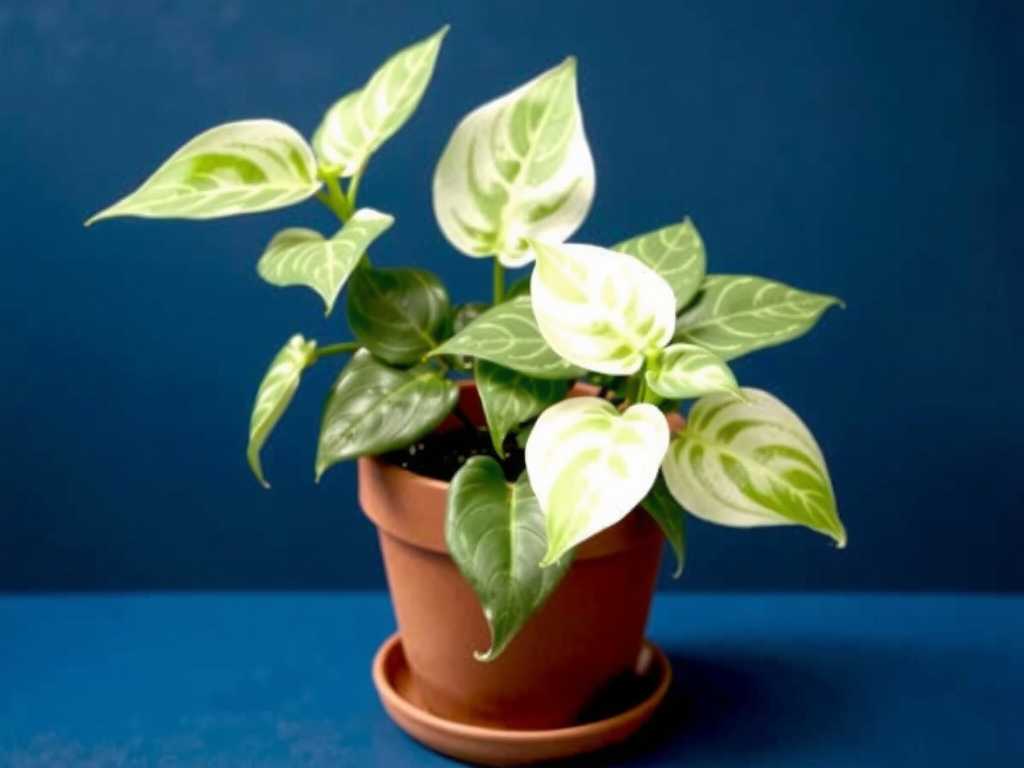
You’ve fallen in love with the stunning variegation of your N’Joy Pothos—those crisp, creamy white and deep green patches on every leaf. You’ve hung it in a perfect spot, imagining lush, trailing vines. But instead of thriving, the leaves are turning yellow, the vines look sparse, and growth has stalled. Caring for a hanging N’Joy Pothos presents unique challenges that differ from its potted cousins. From inconsistent watering to insufficient light, the issues can quickly dim the joy of this beautiful plant. This definitive guide will walk you through every step to transform your struggling hanging pothos into a vibrant, cascading centerpiece.
Understanding Your N’Joy Pothos
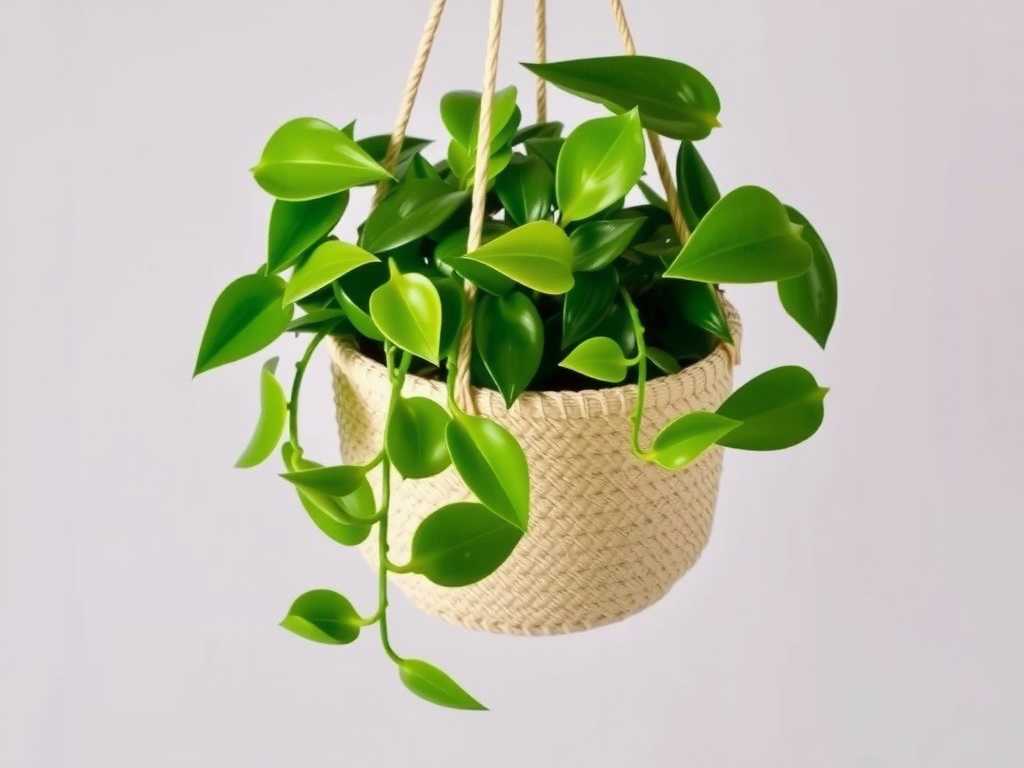
Before diving into care specifics, it’s crucial to understand what makes the N’Joy Pothos special. A cultivar of Epipremnum aureum, the N’Joy is prized for its highly variegated, block-pattern leaves. This variegation, however, means it has slightly different needs than a solid green Golden Pothos. The white sections contain less chlorophyll, which can make the plant more sensitive to light conditions and slightly slower-growing. When placed in a hanging basket, these factors are amplified, making precise care the key to success.
Choosing and Preparing the Perfect Hanging Basket
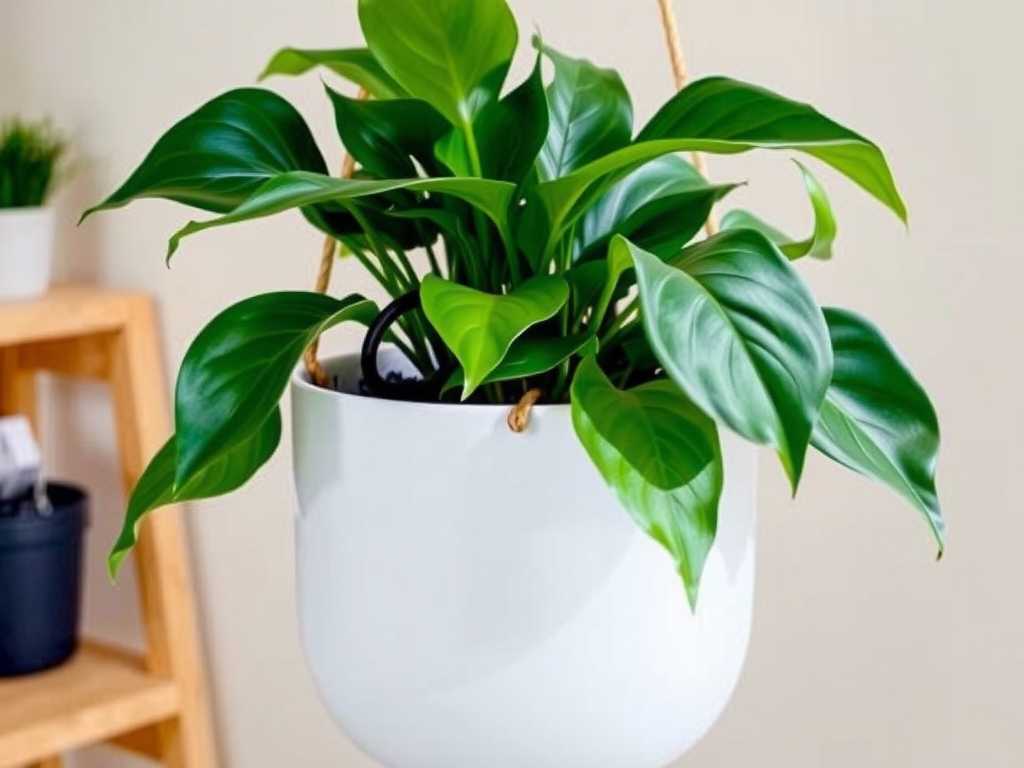
The foundation of a healthy hanging N’Joy Pothos starts with its container. A poor choice here can lead to a cascade of problems.
Selecting the Right Basket Opt for a basket with ample drainage holes. Plastic, metal, or coated wire baskets with an attached drip tray are excellent choices. Ensure the basket is proportionate to your plant; a 6-8 inch diameter is ideal for a starter plant. Avoid baskets that are too deep, as pothos prefer being slightly root-bound.
The Critical Role of Potting Mix Never use dense, water-retentive garden soil. Your N’Joy requires a well-aerated, fast-draining mix to prevent root rot. A high-quality indoor potting mix, amended with perlite and orchid bark, creates the perfect environment. This mix ensures roots get oxygen even after thorough watering, which is vital for a hanging plant that dries out differently than tabletop plants.
Mastering Light Requirements for Optimal Variegation
Light is the most critical factor in maintaining the stunning N’Joy variegation and encouraging steady growth.
Finding the Sweet Spot Your hanging N’Joy Pothos thrives in bright, indirect light. An east-facing window is ideal, or a spot a few feet back from a south or west window. The gentle morning sun encourages growth without scorching the delicate leaves. The variegated leaves are more prone to burn in direct sunlight, which manifests as brown, crispy patches.
Signs of Light Stress If the vines become leggy with large gaps between leaves (internodal stretching), your plant is begging for more light. Conversely, if the white variegation starts to turn pale yellow or brown, it’s receiving too much direct sun. Adjust its position gradually and observe the change in new growth.
The Art of Watering a Hanging Pothos
Watering is where most hanging plant owners stumble. Elevated baskets dry out faster than pots on surfaces, yet overwatering remains a top killer.
The Foolproof "Soak and Dry" Method For proper N’Joy Pothos care in a hanging planter, always check the soil moisture before watering. Insert your finger about 2 inches into the soil. If it feels dry, it’s time to water. Take the basket to a sink and water thoroughly until excess water flows freely from the drainage holes. This ensures the entire root ball is hydrated. Let it drain completely before re-hanging.
Seasonal Watering Adjustments Growth slows in fall and winter. During this time, your plant will need significantly less water. You may only need to water every 2-3 weeks, depending on your home’s humidity. Always let the soil be your guide, not the calendar.
Creating the Ideal Humidity and Climate
While pothos are adaptable, the N’Joy variety appreciates a boost in humidity, especially in dry, climate-controlled homes.
Simple Humidity Hacks Grouping plants together creates a beneficial microclimate. Alternatively, place a small humidifier nearby or set the hanging basket on a pebble tray filled with water (ensure the pot sits above the waterline). Misting provides a temporary boost but is less effective than other methods. According to horticulturist Jane Smith, "Consistent ambient humidity above 40% can significantly improve leaf size and variegation stability in plants like the N’Joy Pothos."
Feeding and Fertilizing for Lush Growth
To support the trailing vines you desire, your N’Joy needs nutrients, but its variegation makes it sensitive to over-fertilization.
A Balanced Feeding Schedule During the active growing season (spring and summer), feed your plant monthly with a balanced, water-soluble fertilizer diluted to half the recommended strength. A formula like 10-10-10 or 20-20-20 works well. The key is to fertilize weakly but regularly. Do not fertilize in the dormant winter months, as the plant cannot use the nutrients, and salt buildup can damage the roots.
Pruning and Training for a Fuller Basket
A common issue with hanging pothos is a few long, bare vines. Strategic pruning is the solution for a lush, bushy appearance.
Encouraging Bushiness Regularly pinch or snip off the tips of the vines just above a leaf node (the small bump on the stem where a leaf grows). This signals the plant to produce new growth points lower down, creating a fuller plant at the top of the basket. Don’t be afraid to trim long vines back by a third or half—they will regrow more vigorously.
What to Do with Cuttings Those cuttings are gold! Propagate them in water or moist soil. Once rooted, you can plant them back into the same basket to add immediate density, creating the illusion of a much fuller, mature hanging pothos plant.
Troubleshooting Common Hanging Basket Problems
Even with great care, issues can arise. Here’s how to diagnose and fix them.
Yellowing Leaves: This is often a sign of overwatering. Check your soil moisture and drainage. Could also indicate a need for fertilizer if older leaves yellow slowly. Brown Leaf Tips/Crispy Edges: Usually caused by low humidity or underwatering. Increase humidity and check your watering frequency. Loss of Variegation (Reverting to Green): The plant isn’t getting enough light. It’s producing more green chlorophyll to survive. Move it to a brighter location. Pests: Keep an eye out for mealybugs or spider mites, especially in dry conditions. Wipe leaves with insecticidal soap or neem oil if detected.
How often should I repot my hanging N’Joy Pothos? Repot only when the plant becomes severely root-bound, typically every 1.5 to 2 years. Signs include roots growing out of the drainage holes or water running straight through without being absorbed. When repotting, only move up one pot size (1-2 inches larger in diameter).
Can my N’Joy Pothos tolerate low light? While it can survive in low light, its growth will be very slow, the variegation may fade, and the vines will become leggy. For the healthiest, most beautiful plant, providing bright, indirect light is non-negotiable.
Why are the leaves on my hanging pothos so small? Consistently small leaves are usually a sign of insufficient light or a lack of nutrients. Ensure the plant is in an adequately bright location and that you are following a regular, diluted feeding schedule during the growing season.
Caring for an N’Joy Pothos in a hanging basket is a rewarding journey that blends art with science. By mastering the balance of light, water, and nutrients tailored to its aerial environment, you empower your plant to express its full, trailing potential. Remember, the variegated leaves are a direct report card on your care—bright, firm, and patterned when conditions are right. Start by assessing its light, perfect your watering technique, and don’t shy away from a strategic prune. With these principles, your hanging N’Joy will not just survive but will thrive, bringing a dynamic and joyful cascade of green and white to your space for years to come.
发表评论