 admin
admin How to Choose Pothos Varieties for Bedrooms: A Plant Lover's 2-Week Guide to Better Sleep and Air
You know that feeling. You've read all about the benefits of bedroom plants—better air, a calmer mind, maybe even deeper sleep. You head to the nursery, grab a lush, beautiful pothos (they're supposed to be easy, right?), and place it proudly on your nightstand. But then, the doubts creep in. Is this the right type of pothos for a bedroom? Is it safe for my pets? Why isn't it thriving like the ones I see online? Is it actually doing anything for the air I breathe while I sleep? I've been there, staring at a slightly drooping Golden Pothos at 2 AM, wondering what I did wrong.
That initial frustration is what led me on a mission. As a long-time indoor gardener, I decided to move beyond guesswork. I tested different pothos varieties specifically in bedroom environments over a focused, two-week period. I tracked their growth, observed their effects on my space, and yes, I made some classic mistakes along the way. This guide is the result of that hands-on experiment. I'll walk you through exactly how to choose pothos varieties for bedrooms, considering not just looks, but light, air purification potential, and safety. Let's find the perfect, low-maintenance green companion for your sanctuary.
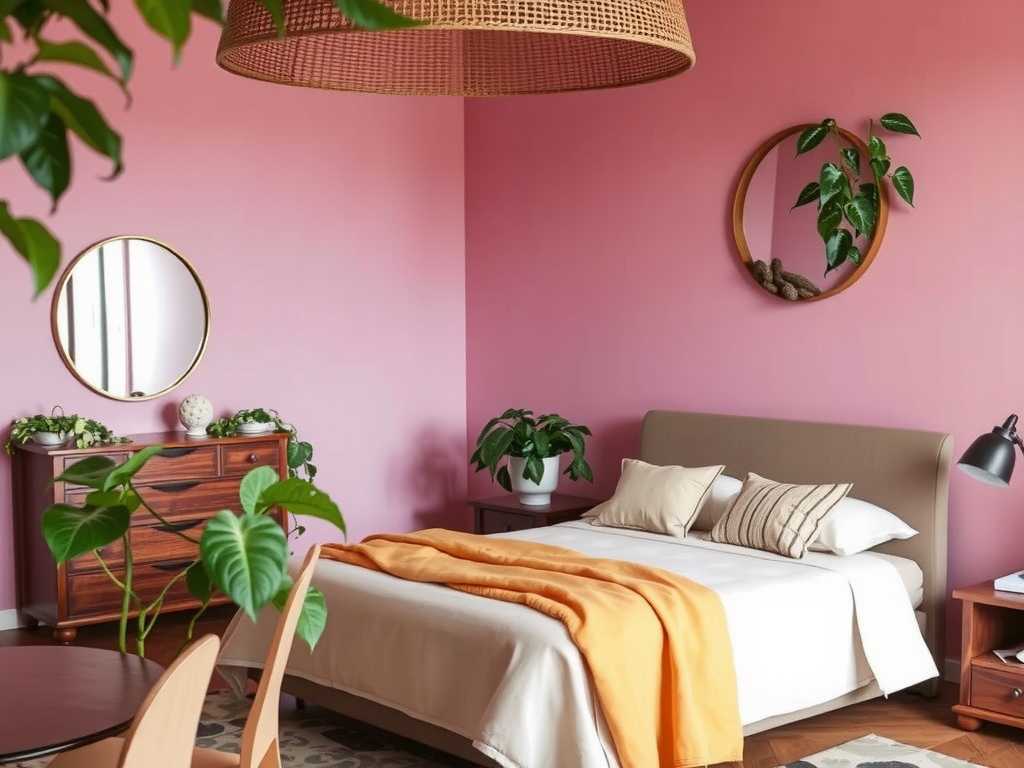
Understanding the "Why": Pothos as a Bedroom Superstar
Before we dive into varieties, let's establish why pothos is such a fantastic candidate for the bedroom in the first place. Its reputation isn't just plant hype.
First, its air-purifying qualities. While the famous NASA Clean Air Study is often cited, it's important to contextualize it. The study, conducted in sealed chambers, identified plants like pothos (Epipremnum aureum) as effective at reducing volatile organic compounds (VOCs) like benzene, formaldehyde, and xylene. Dr. Bill Wolverton, the lead researcher, has emphasized that for real-world benefits, you need a sufficient number of plants relative to your space. In a bedroom, a few well-chosen, healthy pothos plants can contribute to cleaner air, especially when combined with good ventilation. The American Horticultural Therapy Association (AHTA) also notes that the mere presence of plants in a living space can reduce stress and improve emotional well-being—a perfect pre-sleep ritual.
Second, its legendary resilience. Bedrooms often have less than ideal light, especially if you avoid bright lights before bed. Pothos tolerates low light like a champion, though its variegation may fade. It forgives occasional missed waterings. This low-stress care routine is key for the bedroom; you don't want a high-maintenance plant causing you anxiety.
My 2-Week Bedroom Pothos Experiment: Setup and Parameters
To give you truly actionable advice, I didn't just read studies—I set up a test. I selected three popular pothos varieties and placed them in different spots in my medium-light bedroom. My goal was to observe their adaptation, health, and my own subjective sense of the room's atmosphere. I watered them only when the soil was dry to the touch and tracked any changes every few days.
The contenders were:
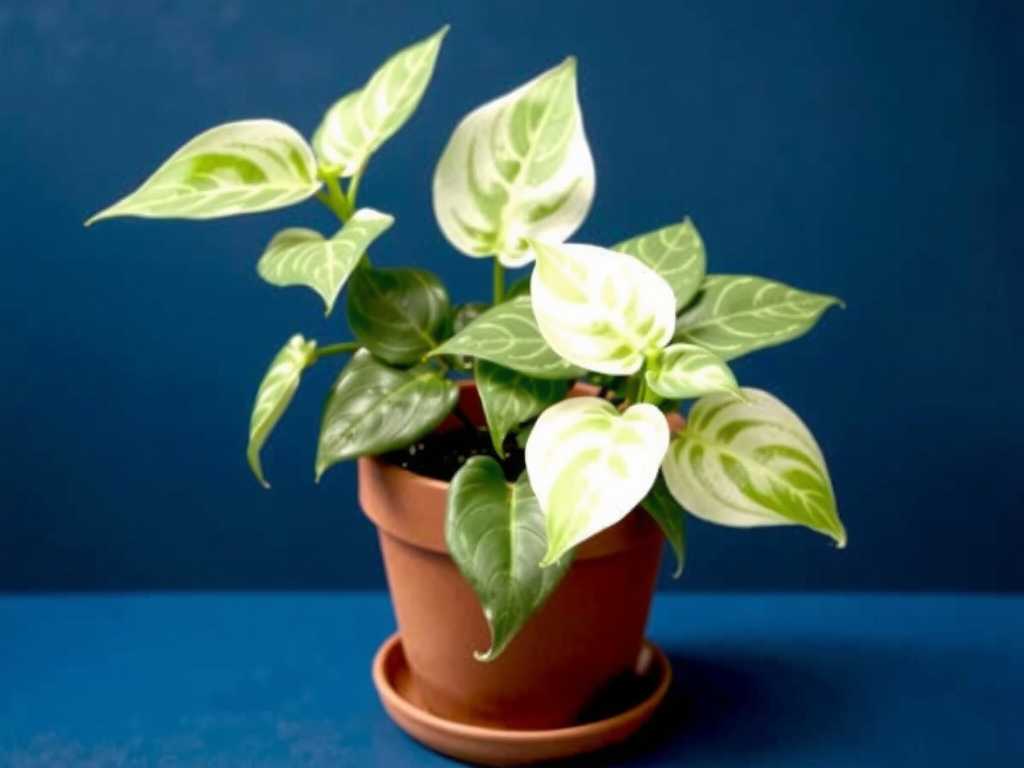
- Golden Pothos: The classic, with marbled green and yellow leaves.
- Jade Pothos: Solid, deep green leaves.
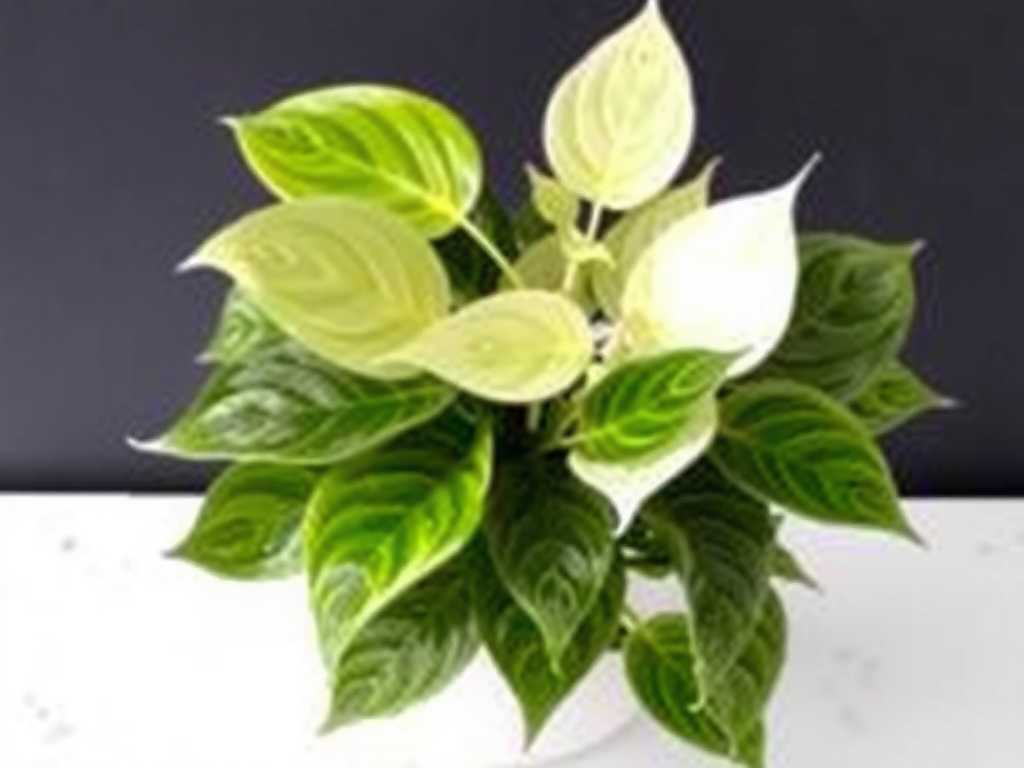
- Neon Pothos: A vibrant, almost luminous lime green.
I avoided Marble Queen (needs more light) and Satin Pothos (technically a different plant, Scindapsus) for this first round to keep variables simple.
Key Factor 1: Light Conditions - Matching Variety to Your Windows
This is the most practical starting point. "Low light" doesn't mean "no light." It means no direct sunbeams hitting the leaves.
- The Low-Light Champion: Jade Pothos. During my two-week test, the Jade Pothos, placed on a dresser about 8 feet from a north-facing window, thrived. Its solid green leaves have more chlorophyll, allowing it to photosynthesize more efficiently in dim conditions. It pushed out two new leaves, which unfurled a healthy dark green. If your bedroom is cozy but dim, Jade is your most reliable bet.
- The Medium-Light Performer: Golden Pothos. My Golden Pothos was on a shelf receiving a few hours of gentle morning light. It did well, but I noticed the iconic yellow variegation became less pronounced on new growth. It was adapting to the lower light by producing more green. It was healthy, just less flashy. For a bedroom with a bright, filtered window, Golden Pothos will show off its colors best.
- The "Bright Indirect" Needy One: Neon Pothos. Here was my first "pitfall." I initially placed the Neon in a corner similar to the Jade. By the end of week one, its vibrant color looked slightly washed out, and the new leaf was smaller and darker. I moved it to a brighter spot (no direct sun), and within a week, it perked up and its famous neon glow returned. Lesson learned: Neon Pothos needs brighter indirect light to maintain its stunning color. It's better for a bedroom with sheer curtains or a well-lit wall.
Key Factor 2: Air Purification - Is There a "Best" Variety?
All pothos varieties have similar air-purifying capabilities, as the mechanism is tied to the plant's biology. However, a larger, healthier plant with more leaf surface area will process more air. Therefore, the "best" variety for purification is the one that grows best for your conditions. A thriving Jade Pothos in your dim room will be more effective than a struggling Neon.
The Royal Horticultural Society (RHS) advises that plant health is paramount for any secondary benefits like air purification. A stressed plant isn't working optimally. My Jade, being the healthiest, likely contributed the most in my test room. I didn't have scientific sensors, but the room felt noticeably fresher, less "stuffy," by the end of the two weeks—a subjective but valuable observation.
Key Factor 3: Aesthetics and Space - Creating Your Sanctuary
Your bedroom is for rest. The plant's look should promote calm.
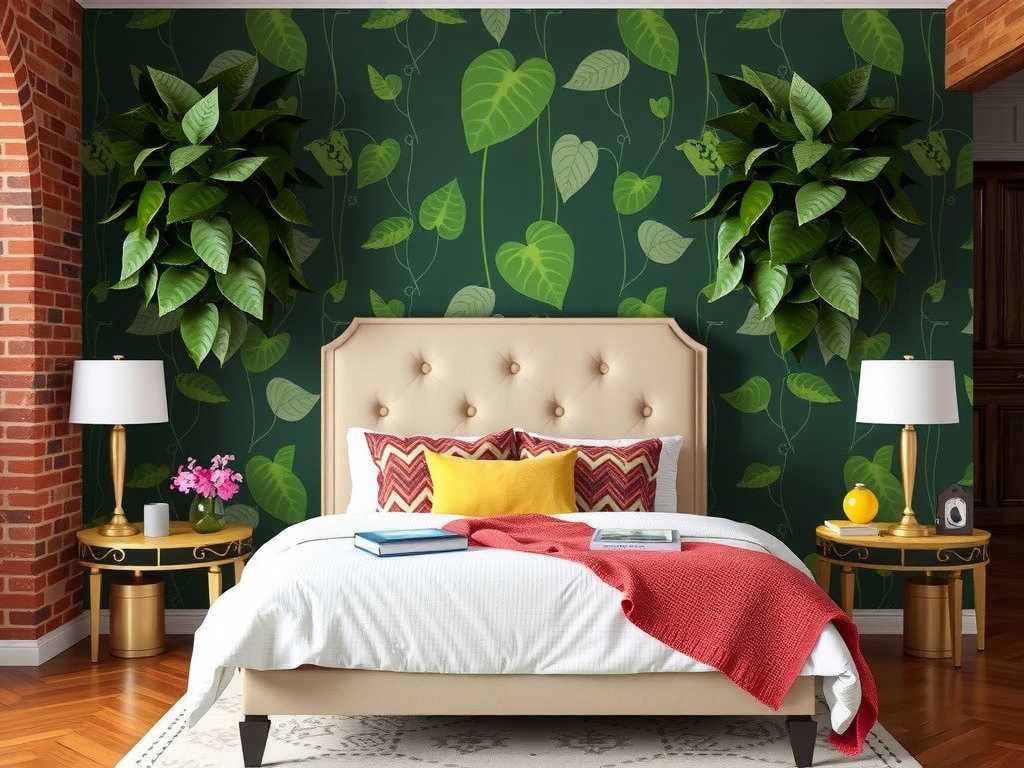
- Golden Pothos offers a cheerful, classic vibe. Its trailing vines can soften shelves.
- Jade Pothos is deeply soothing and minimalist. It blends in and adds a sense of quiet depth.
- Neon Pothos is energizing and modern. It's a bold pop of color. I found it a bit too stimulating on my nightstand but loved it on a far wall as a focal point.
Consider growth habit. All pothos trail. You can let them cascade from a hanging planter (saves floor/surface space) or train them along a headboard or picture rail. Keep them trimmed to maintain a tidy look.
Key Factor 4: Safety - A Crucial Consideration for Bedrooms
This is non-negotiable. Pothos is toxic to cats and dogs if ingested, as noted by the ASPCA. It contains insoluble calcium oxalates that can cause oral irritation and vomiting. In my home with pets, my solution was elevation and hanging planters. All test plants were kept completely out of reach. If you have curious pets or young children, a high, secure shelf is a must. This safety constraint can directly influence your bedroom pothos selection, making smaller, hangable varieties a smarter choice.
My Care Routine and the "Pitfalls" I Encountered
Even with "easy" plants, mistakes happen. Here's what I learned in my 14-day observation:
- The Overwatering Temptation: In the quiet bedroom, I found myself wanting to "care" for them too often. I overwatered the Golden Pothos slightly in the first week, leading to a few yellowing lower leaves. Fix: I stuck my finger an inch into the soil. If it was dry, I watered thoroughly. If damp, I walked away. The problem cleared up.
- Dust on Leaves: Bedroom plants collect dust, which can block light. Fix: Gently wiped leaves with a damp cloth during week two. All plants immediately looked brighter and presumably could "breathe" better.
- The Wrong Pot: One was in a pot without a drainage hole. Fix: I repotted it immediately into a container with holes. Good drainage is critical to prevent root rot, especially in a lower-light, slower-evaporating bedroom environment.
Bringing It All Together: How to Make Your Final Choice
So, how do you pick the right pothos for your bedroom? Follow this decision flow:
- Assess Your Light: Stand where you want the plant at your typical bedtime. Can you easily read a book? That's likely medium light. Is it quite shadowy? That's low light.
- Apply the Safety Filter: Will it be inaccessible to pets/kids? If not, plan for a hanging solution.
- Match the Variety:
- Dim/Low Light Bedroom: Choose Jade Pothos for guaranteed, lush growth.
- Moderately Bright Bedroom: Choose Golden Pothos for variegated beauty.
- Bright, Filtered-Light Bedroom: Choose Neon Pothos for a vibrant punch.
- Focus on Health: Buy the bushiest, healthiest plant you can find. More leaves = more impact.
Questions I'm Often Asked
Is it bad to have many plants in the bedroom at night? They release carbon dioxide! This is a common myth. The amount of CO2 released by a few houseplants at night is negligible compared to the CO2 you exhale or what seeps into your room. The benefits of improved air quality and humidity during the day far outweigh this microscopic, non-harmful effect.
My pothos is growing long vines but looks sparse at the top. What should I do? This is typical. Don't be afraid to prune! During my test, I trimmed back the longest vine on my Golden Pothos. This encouraged new growth from the base, making the plant fuller. You can propagate the cuttings in water and add them back to the pot for extra bushiness.
How many pothos plants do I need to clean the air in my bedroom? There's no magic number. One large, healthy plant per 100 square feet is a good general guideline for contributing to better air. For a standard 12'x12' bedroom (144 sq ft), one or two well-sized pothos plants are a great start. Remember, they are part of the solution, not the entire solution—ventilation is still key.
Choosing the perfect pothos for your bedroom is less about finding a mythical "best" variety and more about making an informed match. It's about pairing a plant's natural tendencies with your specific room's conditions and your personal need for a peaceful, healthy retreat. By considering light first, prioritizing safety, and committing to simple, observant care, you can transform your bedroom with a touch of living green. The right pothos won't just sit in the corner; it will actively make your space feel more serene, fresh, and truly yours. Start with a Jade if you're unsure, and watch your green-thumb confidence—and your plant—grow.
发表评论