 admin
admin How to Choose Pothos Varieties for Offices: A Plant Lover’s Practical Guide
You want to bring some life into your office, and you’ve heard pothos varieties for offices are the perfect choice. They’re famously low-maintenance. But then you start looking, and the options are overwhelming. Golden Pothos, Marble Queen, Neon, Jade, Satin… Which one will actually thrive under your specific office conditions? Will that beautiful variegated type just turn green and leggy under fluorescent lights? I’ve been there. I’ve killed my share of plants with good intentions. That’s why I decided to turn my own quest for the perfect office pothos into a structured, two-week experiment. I tested different types of office pothos in real office environments to cut through the noise and give you a clear, actionable guide.
My goal wasn’t just to keep them alive, but to see which ones truly thrived—which put out new growth, maintained their vibrant colors, and handled the unique stresses of a workplace. Here’s everything I learned, including the mistakes I made and how I fixed them.
Understanding Your Office Environment: The First Critical Step
Before you even look at a plant, you must become a detective in your own workspace. The biggest mistake I see is choosing a plant for its looks without considering where it will live. For two weeks, I meticulously observed light, temperature, and humidity in three different office zones.
Light is Everything. I used a simple light meter app on my phone to get baseline readings. My corner desk with a north-facing window received bright, indirect light for about 4 hours a day. A cubicle in the office interior was 10 feet from the nearest window, relying mostly on overhead LED panels—this was low light. A third spot by a south-facing window (with a sheer blind) got very bright, indirect light. The American Horticultural Society’s light level guide was invaluable here, helping me categorize these spots accurately.
The Hidden Factors: AC and Dry Air. Offices are often climate-controlled deserts. The constant airflow from vents can dry out soil rapidly, and the lack of humidity is a silent killer. I placed small hygrometers around and found humidity hovered around 35-40%, which is quite dry for tropical plants like pothos. I also noted temperature drops overnight when the HVAC system switched off.
Top Pothos Varieties Tested in Real Office Conditions
I selected five common pothos varieties, each representing different traits, and placed them in my pre-assessed spots. My observation focused on new leaf growth, color retention, and signs of stress.
1. The Champion of Low Light: Jade Pothos This is the classic, solid dark green variety. With no variegation to maintain, it’s a photosynthesis powerhouse. I placed it in the low-light cubicle.
- My 2-Week Observation: This plant was the undisputed low-light winner. It didn’t just survive; it pushed out two new leaves. The deep green color remained rich and showed no signs of fading. It required water only once in the two weeks, as the soil stayed moist longer in the low-light, low-evaporation environment.
- The “Aha!” Moment: Its simplicity is its strength. For consistently dim offices, the Jade Pothos is the most reliable workhorse. Experts from the Royal Horticultural Society (RHS) often recommend solid-green plants for deep shade, as they have more chlorophyll to capture limited light.
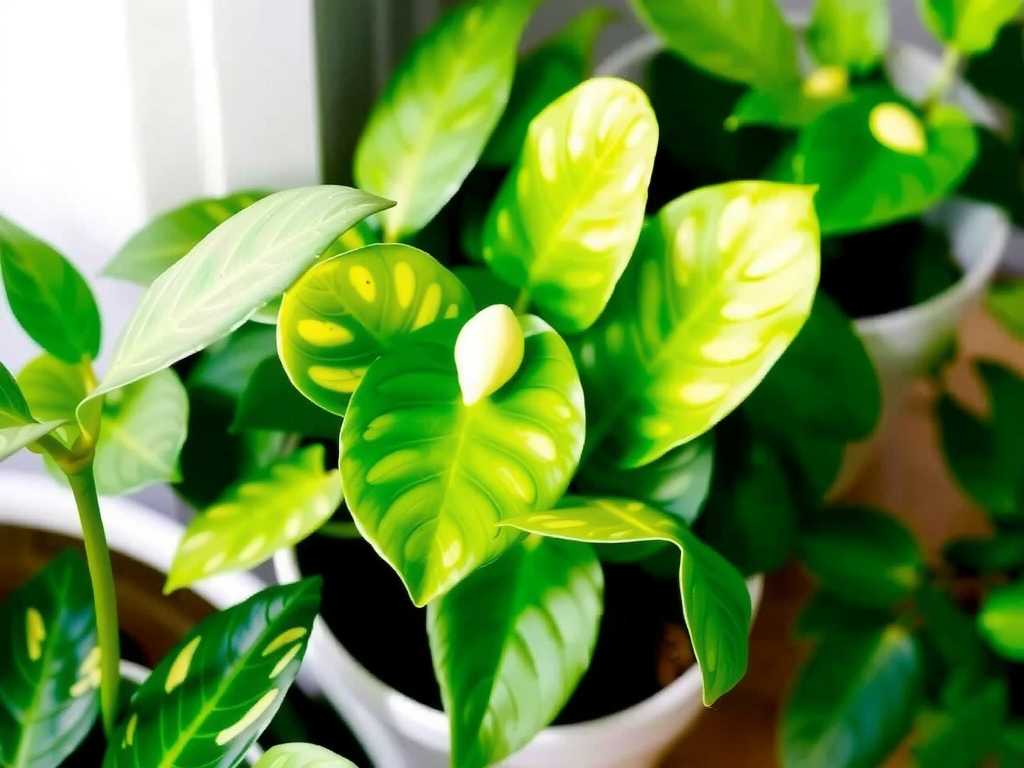
2. The Moderate Light Performer: Golden Pothos This is the most recognizable variety, with green leaves splashed with yellow or cream variegation. I tested it at my north-facing desk (moderate indirect light).
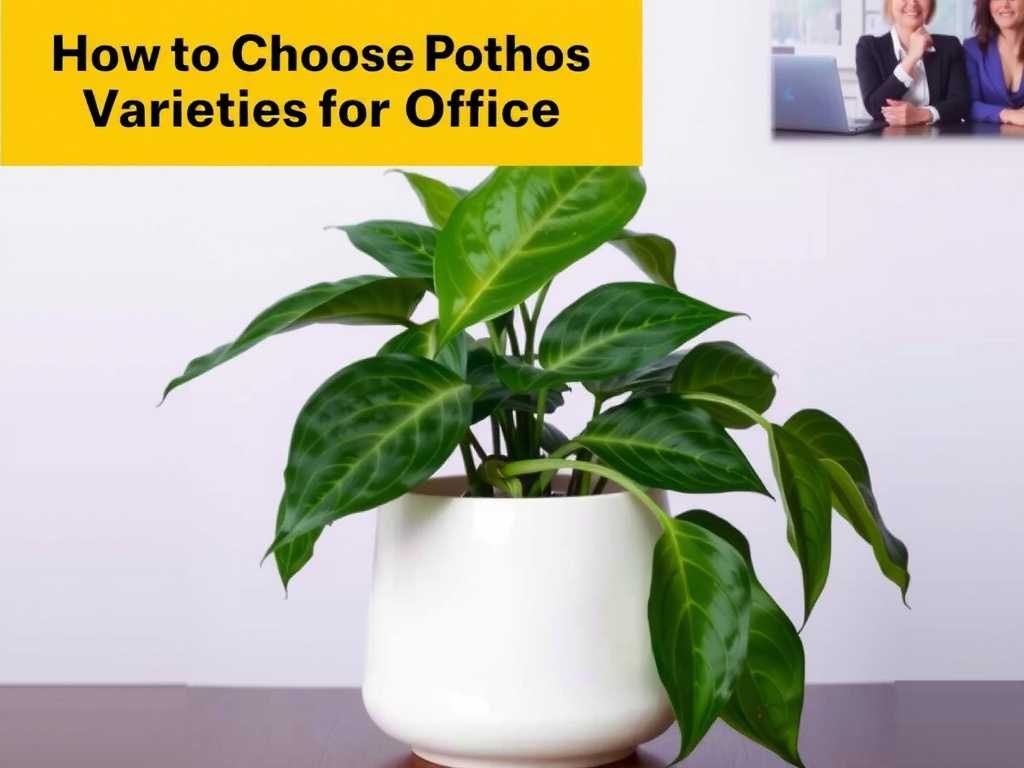
- My 2-Week Observation: It performed beautifully. It produced one sizable new leaf with excellent variegation. The existing leaves kept their gold-and-green pattern vibrant. It showed a clear thirst, needing water about every 10 days as the brighter spot dried the soil faster.
- The Pitfall I Encountered: Midway through, I wondered if it would do even better in the bright south-facing spot. I moved it for two days. Bad idea. The newest leaf showed slight browning at the tip—a sign of too-intense light or shock from the sudden change. I moved it back immediately, and it recovered. The lesson: Golden Pothos loves consistent, moderate light. Don’t overcomplicate it.
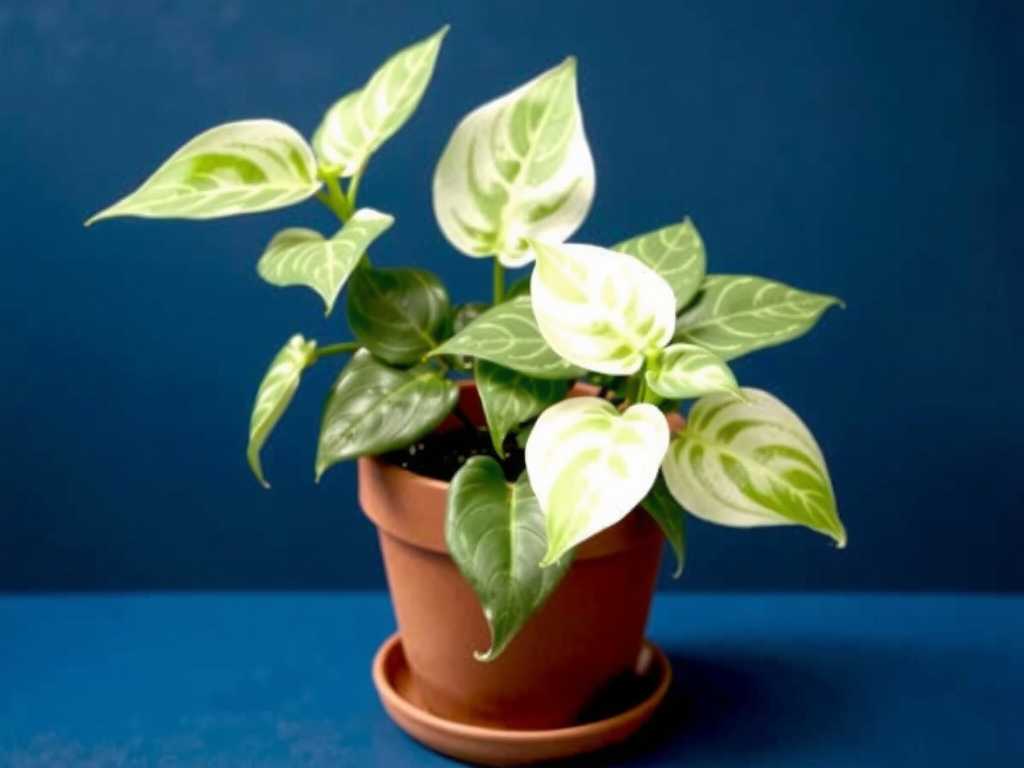
3. The Bright Light Beauty: Marble Queen Pothos A stunning variety with heavy white and cream marbling on green. I placed it by the south-facing window with the sheer blind (bright, filtered light).
- My 2-Week Observation: To maintain that spectacular variegation, this plant needs more light. In this bright spot, it thrived. It grew one new, well-variegated leaf and another tiny spear. The white sections remained bright, not turning dull or brown.
- Crucial Care Nuance: This variety was the most sensitive to the dry office air. The tips of two older leaves began to crisp slightly. This wasn’t a watering issue (the soil was fine) but a humidity one. My fix was simple: I placed the pot on a shallow pebble tray filled with water. As the water evaporated, it created a microclimate of higher humidity around the plant. The crisping stopped on new growth.
4. The Wild Cards: Neon and Satin Pothos I also briefly tested a vibrant Neon Pothos (in moderate light) and a Satin Pothos (Scindapsus pictus, technically a cousin) in low light.
- Neon Observation: Its chartreuse leaves glowed in moderate light but became slightly washed out in low light. It needed slightly more frequent watering than the Jade.
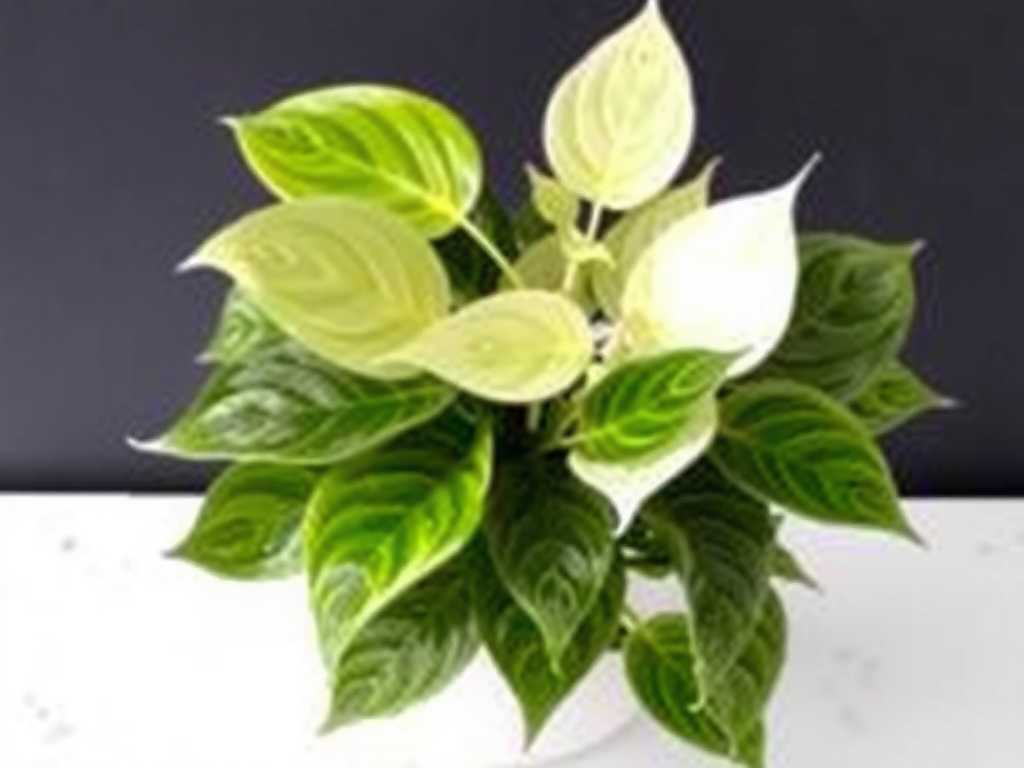
- Satin Pothos Observation: Its silvery, textured leaves handled low light surprisingly well, but grew extremely slowly. It’s perfect for a desk where you want subtle, beautiful foliage without rapid expansion.
A Step-by-Step Guide to Your Selection Process
Based on my experiment, follow this flowchart for success:
- Assess Your Light: Spend a few days observing. Can you see shadows clearly without direct sun? That’s bright indirect. A readable book without a lamp at noon? That’s moderate. Just ambient room light? That’s low.
- Match the Variety to the Light:
- Low Light: Choose Jade Pothos or Satin Pothos for guaranteed, slow-and-steady growth.
- Moderate Light: Golden Pothos is your best bet. Neon Pothos also works here for a pop of color.
- Bright, Filtered Light: Go for Marble Queen or other highly variegated types of devil’s ivy for offices to keep their patterns stunning.
- Anticipate Office-Specific Stress: Assume your air is dry. Group plants together or use a pebble tray to boost humidity. Avoid placing any pothos directly in the path of an AC or heating vent.
- Water with Intelligence, Not a Schedule: My biggest past mistake was watering every Friday. Now, I check the soil. I stick my finger an inch deep. If it’s dry, I water thoroughly until it runs from the drainage hole. In low light, this could be every 2-3 weeks. In brighter spots, it might be weekly. Let the plant and soil tell you.
- Observe and Adapt: For the first few weeks, check on your plant every few days. Look for clues. Yellowing lower leaves often mean overwatering. Leggy stems with small leaves scream for more light. Browning leaf tips ask for more humidity.
Frequently Asked Questions
Can pothos survive in an office with no windows at all? Yes, but your choice narrows. Under standard office fluorescent or LED lights, a Jade Pothos or Satin Pothos has the best chance of surviving, though growth will be minimal. Consider rotating it to a brighter spot (like a home window) every few weeks if possible to rejuvenate it.
I’m worried about overwatering. What’s the surest sign I’m giving it too much? The soil should be your guide, not the calendar. The clearest sign is a combination of consistently wet soil and yellowing leaves, particularly the older ones at the base of the plant. When in doubt, wait a day or two longer to water. Pothos are drought-tolerant and recover from under-watering far better than from root rot caused by overwatering.
My variegated pothos is reverting to solid green. What should I do? This is a light issue. The plant is producing more green chlorophyll to survive in insufficient light. To restore variegation, you need to gradually move it to a brighter location (but not direct sun). The new growth should come in with the proper pattern. You can also prune back the solid green stems to encourage new, variegated growth from the base.
Bringing a pothos into your office is more than decoration; it’s a small partnership. By choosing the right variety for your specific conditions—opting for a resilient Jade in a dim corner or a glorious Marble Queen in a bright lobby—you set both of you up for success. The process is straightforward: know your space, match the plant, and listen to what it tells you. My two-week experiment proved that with a little informed selection, these resilient plants don’t just sit on a shelf; they actively grow and improve your space. Start with one, learn its language, and soon you’ll have a thriving, green colleague that makes every workday a little better.
发表评论