 admin
admin How to Propagate Pothos Using a Rooting Sponge: A Foolproof Guide
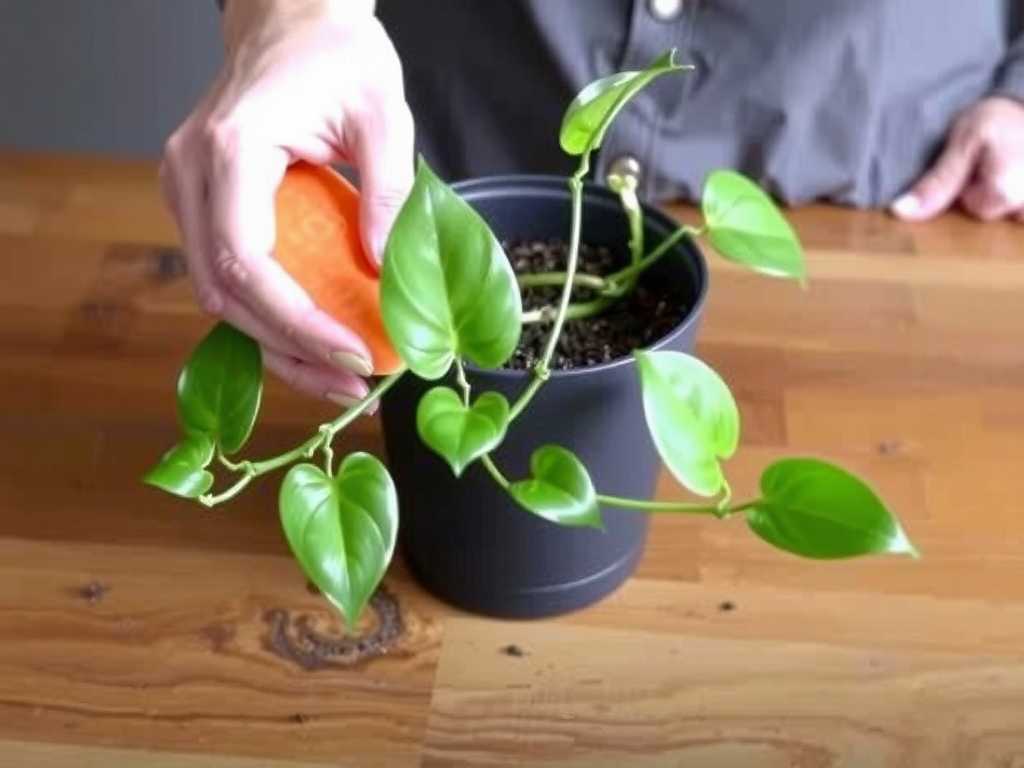
Tired of watching your pothos cuttings rot in water or struggle in soil? You’re not alone. Many plant lovers face the frustration of failed propagation, wasting precious cuttings and time. The good news is, there’s a simple, nearly fail-safe tool that can dramatically increase your success rate: the rooting sponge. This guide will walk you through how to propagate pothos using a rooting sponge, a method that combines the best of water and soil propagation for stronger, healthier roots.
Why Choose a Rooting Sponge for Pothos?
Traditional propagation methods have their drawbacks. Water propagation is great for observing root growth, but the transition from water roots to soil can shock the plant. Direct soil propagation is efficient but offers little visibility and risks overwatering the delicate cutting. A rooting sponge bridges this gap.

Rooting sponges, often made from phenolic foam or organic materials, provide an ideal microenvironment. They retain consistent moisture to encourage root development while allowing crucial oxygen flow to the stem, preventing rot. Horticultural studies, including research on plant propagation substrates, highlight that materials maintaining optimal air-to-water ratio significantly improve rooting success and root hair development compared to water alone.
What You'll Need to Get Started
Gathering the right materials is the first step to success. Here’s your checklist:
- Healthy Pothos Vine: Choose a vigorous mother plant.
- Sharp, Sterilized Scissors or Pruners: Clean cuts prevent disease.
- Rooting Sponges: Standard 1" or 1.5" cubes are perfect.
- A Tray or Container with a Dome Lid: To maintain humidity.
- Water: Room temperature, preferably filtered or distilled.
- Optional: Rooting hormone powder or gel to accelerate the process.
Step-by-Step: Propagating Pothos in a Rooting Sponge
Selecting and Preparing Your Cuttings
Your journey begins with a strong cutting. Look for a healthy stem with at least 3-4 leaves and several nodes—those small brown bumps on the stem where leaves and roots emerge. Using your sterilized tools, make a clean cut about a quarter-inch below a node. You can make multiple cuttings, each with one or two leaves and at least one node. Remove any leaves that would sit below or be buried in the sponge.
Prepping and Planting the Sponge
Before planting, you need to hydrate the rooting sponge. Submerge it in water and gently squeeze it to ensure it’s fully saturated, then let the excess water drain. It should be damp, not dripping wet. If using rooting hormone, dip the cut end of your pothos stem into the hormone, tapping off any excess.
Now, make a small pre-hole in the center of the sponge using a pencil or your finger. Gently insert the pothos cutting, ensuring the node is securely nestled inside the sponge. The sponge should hold the cutting upright without support.
Creating the Perfect Propagation Environment
Place your planted sponges in a propagation tray. Add a small amount of water to the bottom of the tray—just enough to keep the sponges moist via capillary action but not so much that they are sitting in water. Cover the tray with a clear plastic dome or a plastic bag to create a humid mini-greenhouse. This drastically reduces moisture loss from the leaves, a critical factor for success.
Position the setup in a warm spot with bright, indirect light. Avoid direct sunlight, which will cook your cuttings inside the dome. A consistent temperature between 70-75°F (21-24°C) is ideal.
Care During the Rooting Phase
Your main job now is monitoring. Check the tray every few days. Ensure there is always a little water in the bottom and that condensation forms on the dome. If excess water pools, remove the dome for an hour to allow ventilation and prevent mold. Roots typically begin to emerge from the sponge in 2-4 weeks.
Transitioning to Soil: The Final Step
You’ll know your pothos propagation with rooting sponges is complete when a network of strong, white roots is visible through the sponge. The beauty of this method is the seamless transition. There’s no root shock because the roots have developed in a medium similar to soil.
Do not remove the cutting from the sponge. Simply plant the entire sponge directly into a small pot filled with a well-draining potting mix. The roots will grow effortlessly through the sponge into the surrounding soil. Water thoroughly after potting and care for it as you would a mature pothos plant.
Troubleshooting Common Issues
Even with a reliable method, things can go awry. Here’s how to fix common problems:
- Yellowing Leaves: Often a sign of excessive humidity or low light. Increase air circulation by propping the dome open slightly.
- Rotting Stem: Usually caused by a sponge that is too wet or a poorly sanitized cutting. Ensure the sponge is moist, not soggy, and always start with clean tools.
- No Root Growth After Weeks: The node may not have been properly seated in the sponge, or temperatures might be too cool. Re-check your setup and ensure consistent warmth.
Frequently Asked Questions
Can I reuse rooting sponges? It is not recommended. Used sponges can harbor pathogens and break down over time. For the health of your new plants, use a fresh sponge for each propagation project.
How long does it take for pothos to root in a sponge? Under ideal conditions, you can expect to see the first roots in as little as two weeks, with a robust root system developing in 4-6 weeks. Using a rooting hormone can sometimes speed up this timeline.
Is a rooting sponge better than water for propagating pothos? For many, yes. While water propagation is simple, the rooting sponge propagation method encourages stronger root structures that are better adapted for soil, eliminating the transplant shock associated with moving cuttings from water to potting mix. It provides a more natural and supportive environment for root development.
Mastering the use of a rooting sponge transforms pothos propagation from a hopeful experiment into a predictable success. This technique offers control, visibility, and a higher success rate by providing the perfect balance of moisture and air. By following these clear steps—from taking the right cutting to planting the entire sponge—you equip your new plants with the best possible start. Soon, you’ll have an abundance of thriving new pothos plants to expand your indoor jungle or share with fellow plant enthusiasts.


发表评论