 admin
admin How to Care for Hybrid Pothos Varieties: Your Complete Guide to Thriving Foliage
You’ve brought home a stunning hybrid pothos, captivated by its unique, marbled leaves or striking color contrasts. But now, questions arise. Why are the vibrant colors fading? Is it getting too much light or not enough? Why are the leaves turning yellow or brown? Caring for these beautiful hybrids can feel confusing, as their needs sometimes differ from the classic, hardy pothos we know. This guide is designed to demystify that process. We’ll walk you through every essential step, from perfect lighting to expert propagation, ensuring your hybrid pothos not only survives but flourishes, showcasing its full, spectacular potential.
Understanding Hybrid Pothos: More Than Just a Green Vine
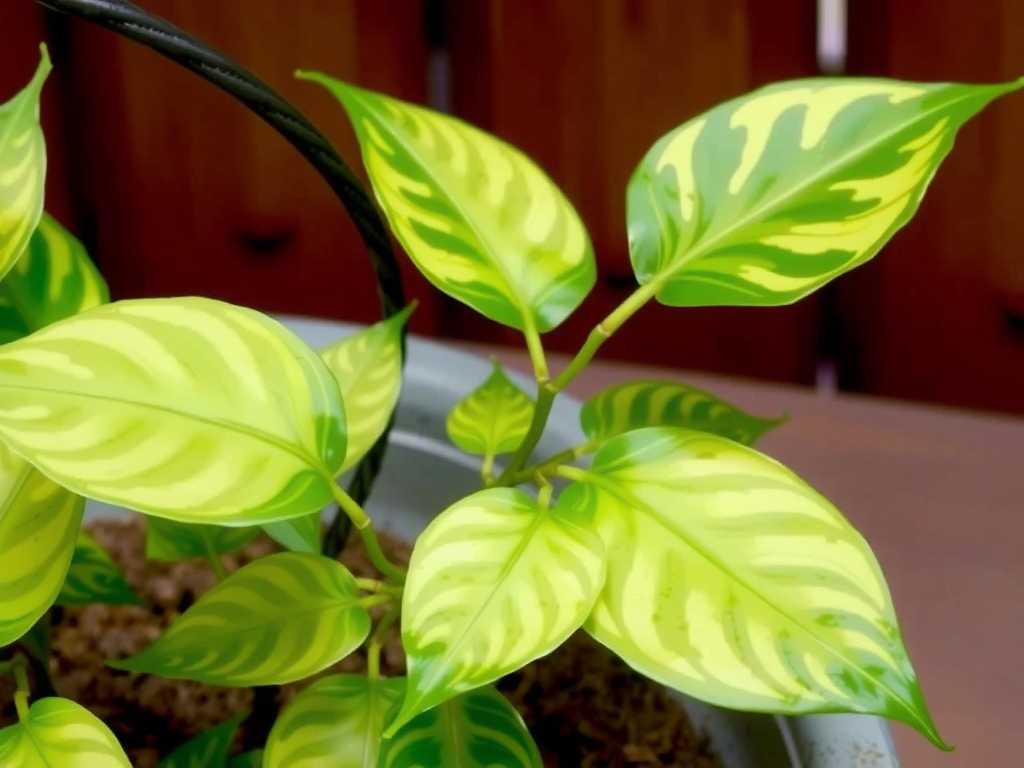
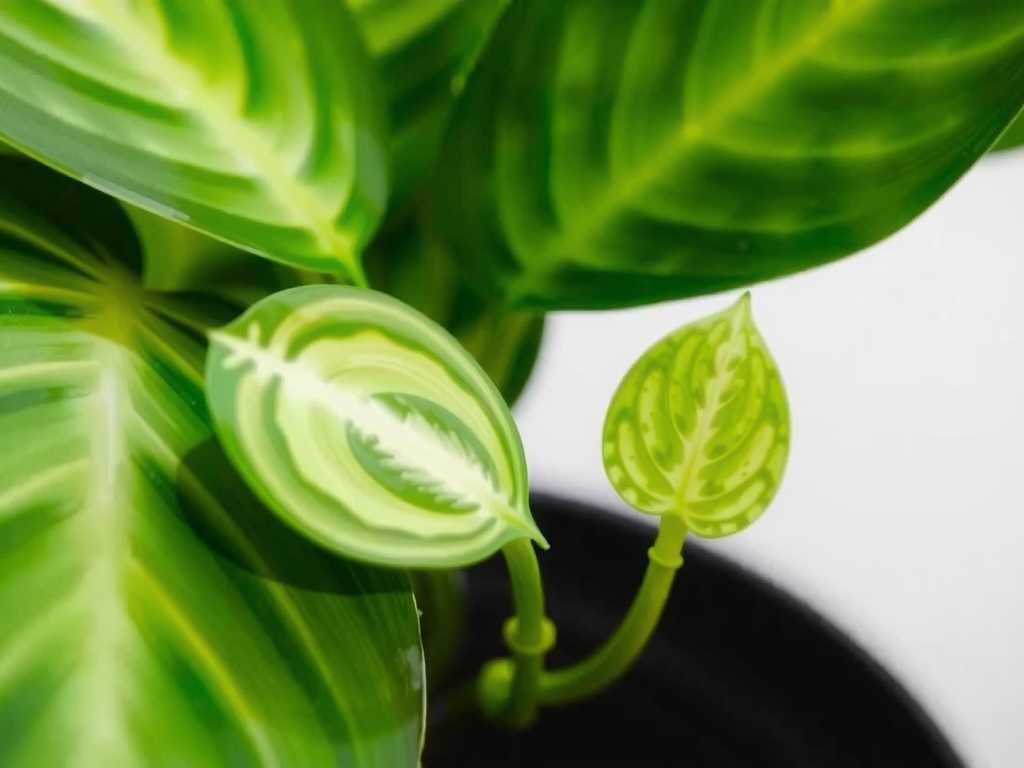
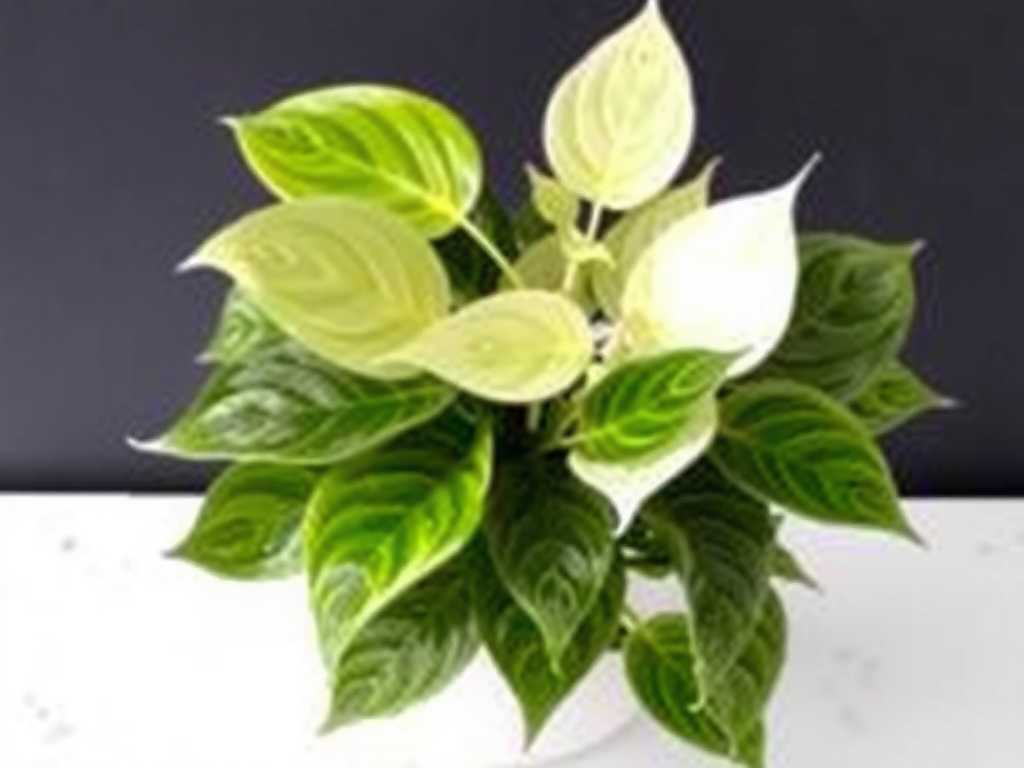
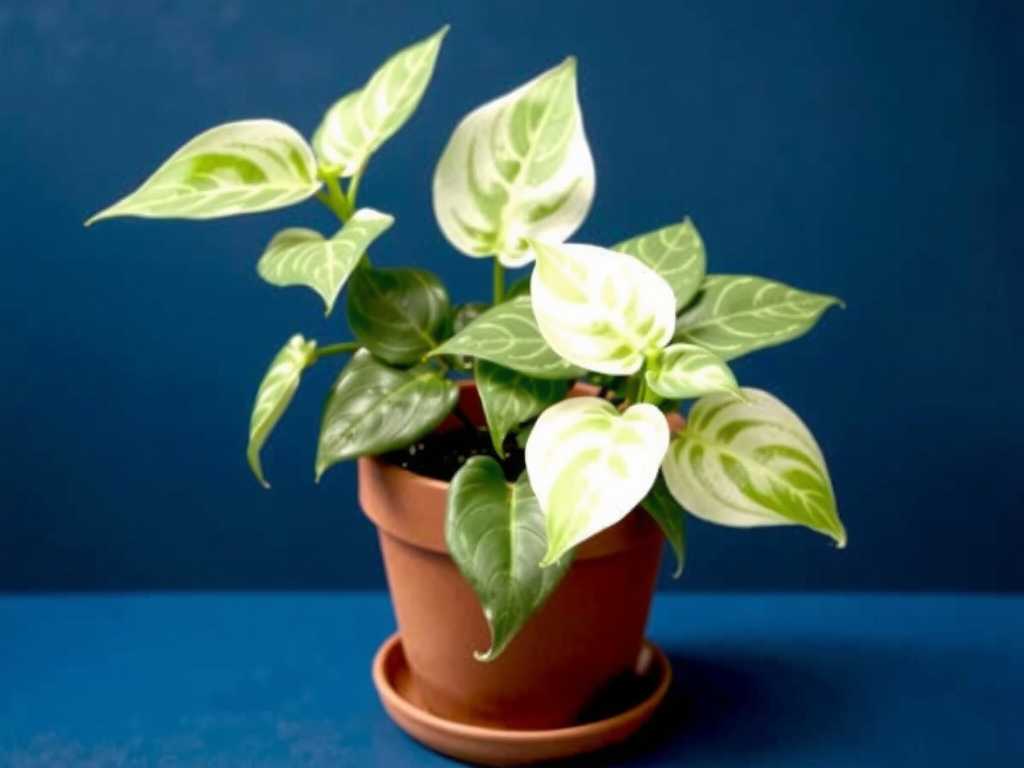
Before diving into care specifics, it’s helpful to know what makes a hybrid pothos special. These plants are cultivated varieties, often bred or selected for unique foliage patterns, colors, and shapes. Popular examples include the neon-bright ‘Neon’, the white-splashed ‘Marble Queen’, the silvery ‘Satin Pothos’ (Scindapsus pictus), and the giant-leaved ‘Jessenia’. Their stunning looks mean their care can be slightly more nuanced. According to horticulturalists, the variegated or lighter-colored sections on the leaves contain less chlorophyll. This impacts how the plant produces energy, making factors like light even more critical for their health and color retention.
The Golden Rule: Perfecting Light for Vibrant Color
Light is the single most important factor in caring for hybrid pothos varieties. Get this right, and you solve half of the potential problems.
Bright, Indirect Light Is Non-Negotiable Hybrid pothos, especially those with white, cream, or yellow variegation like ‘Marble Queen’ or ‘Golden’, need plenty of bright, filtered light to maintain their patterns. Direct sunlight, particularly the harsh afternoon sun, will scorch their leaves, leaving unsightly brown patches. However, too little light will cause the plant to revert to more solid green leaves as it tries to produce more chlorophyll, and growth will become leggy as it stretches for light. An east-facing window is often ideal, or a spot a few feet back from a south or west window.
Adjusting for Different Hybrid Types The ‘Neon’ pothos, with its solid chartreuse leaves, can tolerate slightly lower light but will glow its brightest in medium to bright indirect light. The ‘Satin Pothos’ (Scindapsus) with its darker, silver-spotted leaves is more tolerant of medium light conditions. Observe your plant: strong, vibrant color and steady growth indicate perfect lighting.
Watering Wisely: Avoiding the Root of All Evil
Overwatering is the fastest way to harm any pothos, and hybrids are no exception. Their care routine must include a mindful watering approach.
The Soak and Dry Method For optimal hybrid pothos plant care, always check the soil before watering. Insert your finger about two inches into the potting mix. If it feels dry, it’s time to water. Water thoroughly until it runs freely from the drainage holes, ensuring the entire root ball is moistened. Then, let the pot drain completely and never let the plant sit in a saucer of water. Allow the top third of the soil to dry out before watering again. In winter, reduce watering frequency as plant growth slows and evaporation decreases.
Signs of Watering Issues Yellowing leaves often signal overwatering and potential root rot. Soft, mushy stems confirm it. Conversely, wilting, drooping leaves with dry, crispy brown edges typically point to underwatering. The potting mix is your best guide—not a fixed schedule.
Soil and Potting: Building a Strong Foundation
A well-draining potting mix is crucial for healthy roots. A standard houseplant mix is a good start, but you can improve it for your hybrid pothos.
Creating the Ideal Mix Many experts, including those from the American Horticultural Society, recommend amending a general potting soil with ingredients like perlite, orchid bark, or coco coir to increase aeration and drainage. A simple recipe is two parts houseplant soil to one part perlite and one part orchid bark. This chunky mix prevents compaction, allows roots to breathe, and mimics the plant’s natural epiphytic tendencies.
When and How to Repot Care for variegated pothos and other hybrids includes timely repotting. Repot in spring or early summer when you see roots circling the bottom of the pot or growing out of the drainage holes. Only move up one pot size (1-2 inches larger in diameter) to prevent excess soil from staying wet too long. Gently loosen the root ball during repotting and place it in the new pot with fresh mix.
Climate Control: Humidity and Temperature
While pothos are adaptable, hybrid varieties often appreciate a touch more humidity to keep their foliage pristine.
Boosting Humidity for Lush Growth Aim for humidity levels above 50%. You can achieve this by grouping plants together, using a pebble tray filled with water placed beneath the pot, or employing a room humidifier. Misting provides a temporary boost but is less effective for sustained humidity and can promote fungal issues if overdone. Good humidity helps prevent brown, crispy leaf tips.
Maintaining Steady Temperatures Hybrid pothos thrive in typical household temperatures between 65°F and 85°F (18°C - 29°C). Protect them from cold drafts, air conditioning vents, and sudden temperature swings, which can cause stress and leaf drop.
Feeding for Fabulous Foliage: Fertilization Basics
To support the vibrant growth and complex patterns of your hybrid, a consistent feeding schedule is key.
Choosing and Using Fertilizer During the active growing season (spring and summer), feed your hybrid pothos with a balanced, water-soluble houseplant fertilizer (e.g., a 10-10-10 or 20-20-20 formula) diluted to half strength. Apply this once a month. As recommended by many plant physiologists, fertilizing at half strength prevents the buildup of mineral salts in the soil, which can burn roots. Do not fertilize in fall and winter when growth is minimal.
Pruning and Training: Shaping Your Masterpiece
Regular pruning benefits the plant’s health and shape, making it a vital part of maintaining hybrid pothos.
Encouraging Bushier Growth If your plant becomes long and sparse, don’t hesitate to prune. Use clean, sharp scissors to cut just above a leaf node (the small bump on the stem where a leaf attaches). This will signal the plant to produce new growth points, resulting in a fuller, bushier plant. You can propagate these cuttings to create new plants!
Supporting Your Vine Pothos are natural climbers. You can train them up a moss pole or trellis, which encourages larger leaf growth. Alternatively, let them trail gracefully from a shelf or hanging basket. The choice is yours and depends on your aesthetic preference.
Propagation: Sharing the Hybrid Beauty
One of the joys of pothos is how easily they propagate, allowing you to expand your collection or share with friends.
Step-by-Step Stem Propagation
- Select a healthy stem with at least 3-4 leaves and several nodes.
- Cut just below a node using a clean tool.
- Place the cutting in a jar of water, ensuring at least one node is submerged. Leave the leaves above water.
- Place in bright, indirect light and refresh the water weekly.
- Once roots are a few inches long (usually in 2-4 weeks), pot the cutting in a well-draining soil mix.
You can also propagate directly in moist soil, though water propagation allows you to monitor root development.
Troubleshooting Common Hybrid Pothos Problems
Even with great care, issues can arise. Here’s how to diagnose and fix them.
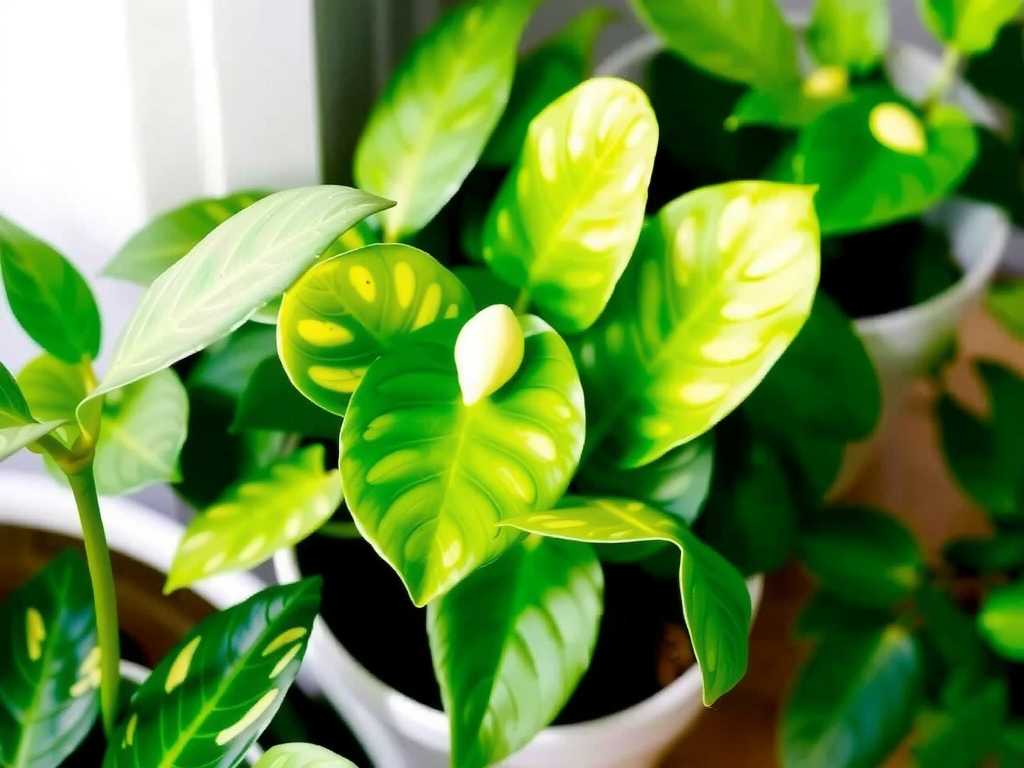
Pale or Fading Variegation: This is almost always due to insufficient light. Move the plant to a brighter location. Yellowing Leaves: Usually a sign of overwatering. Check soil moisture and ensure the pot drains well. Let the soil dry out more between waterings. Brown, Crispy Leaf Edges: Typically caused by low humidity, underwatering, or fertilizer burn. Assess your care routine and adjust accordingly. Leggy Growth with Small Leaves: The plant is not receiving enough light. Prune back the long stems and provide brighter indirect light. Pests: Watch for common houseplant pests like mealybugs, spider mites, and scale. Wipe leaves with a damp cloth regularly and treat infestations promptly with insecticidal soap or neem oil.
What is the best hybrid pothos for low light? While all pothos prefer bright indirect light, the ‘Satin Pothos’ (Scindapsus pictus) and the darker-green ‘Jade’ pothos are among the most tolerant of lower light conditions. Their darker foliage contains more chlorophyll, allowing them to photosynthesize more efficiently in less light.
How often should I repot my hybrid pothos? Repot every 1-2 years in the spring, or when you see roots growing densely out of the drainage holes. Hybrid pothos generally enjoy being slightly root-bound, so there’s no need to rush to a much larger pot.
Can I make my variegated pothos more white? The amount of white variegation is largely genetic and influenced by light. To encourage maximal variegation, provide plenty of bright, indirect light. Prune back any stems that revert to fully green leaves to direct the plant’s energy to the more variegated sections.
Mastering the care of hybrid pothos varieties is a rewarding journey that unlocks the full beauty of these exceptional plants. By providing the right balance of bright, indirect light, careful watering, and a supportive environment, you’ll be rewarded with vigorous growth and stunning, colorful foliage. Remember to observe your plant closely—it will tell you what it needs. Whether you’re training it up a pole or letting it cascade freely, a healthy hybrid pothos becomes a dynamic and captivating centerpiece in any indoor garden.

发表评论