 admin
admin How to Distinguish Cebu Blue and Silver Satin Pothos: A Plant Lover's Practical Guide
I can't tell you how many times I've seen fellow plant enthusiasts, both online and in local nurseries, mix up the Cebu Blue Pothos and the Silver Satin Pothos. I've been there myself, staring at two seemingly similar vines, feeling that nagging uncertainty. Are they the same? If not, what exactly sets them apart? This confusion isn't just about names; it's about understanding the unique needs of each plant to help them thrive. Misidentifying them can lead to subpar care, resulting in a plant that's merely surviving instead of flourishing. After my own frustrating experience of bringing home what I thought was a Cebu Blue, only to realize months later it was a Silver Satin, I decided to get to the bottom of this. I embarked on a hands-on, side-by-side comparison project, observing both plants intensely for over two weeks to document every distinguishing detail. This guide is the result of that journey—a practical, step-by-step breakdown from one plant lover to another.
My Personal Side-by-Side Investigation
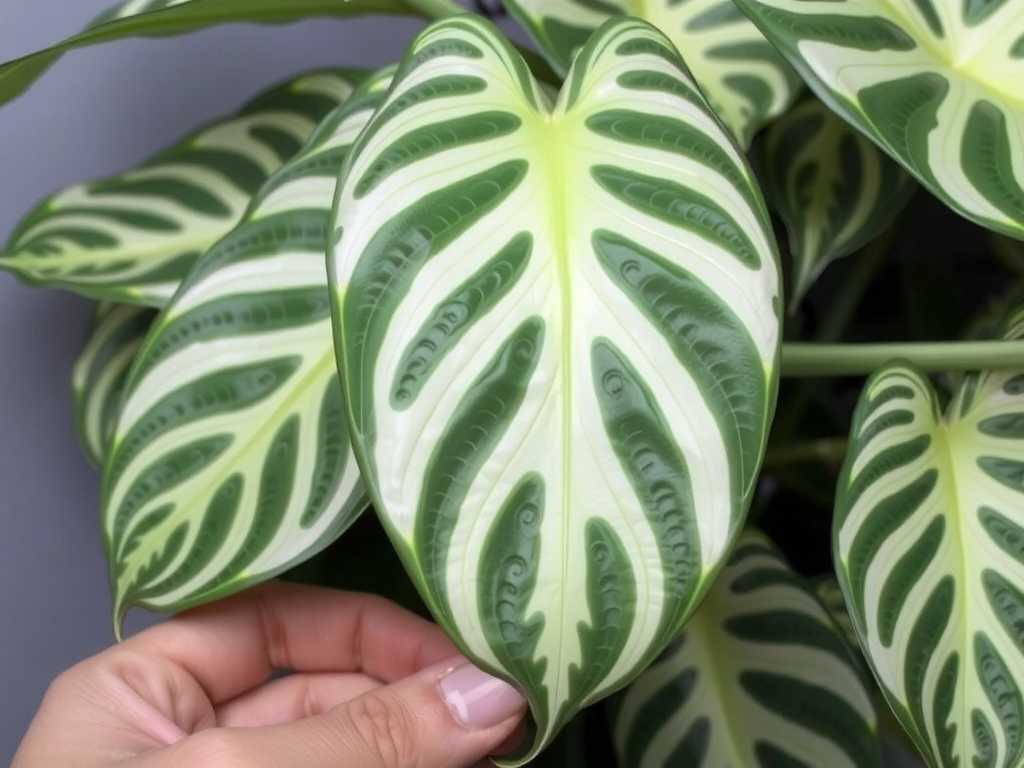
To truly understand the differences, I acquired healthy specimens of both a Scindapsus pictus ‘Silver Satin’ and an Epipremnum pinnatum ‘Cebu Blue’. I placed them on the same shelf, receiving identical, bright indirect light, and committed to a consistent care routine while documenting their characteristics daily. This wasn't a passive observation; it was an active comparison of texture, growth, and response. Over the following two weeks, the distinctions that once seemed subtle became glaringly obvious. Let me walk you through exactly what to look for, sharing not just the textbook differences, but the real, tangible cues I learned to trust.
The Ultimate Comparison: A Step-by-Step Visual and Tactile Guide
Forget vague descriptions. Here is my actionable, step-by-step process for telling these two stunning plants apart with confidence.
Step 1: Examine the Foliage Texture (The Most Reliable Test)
This is the single most foolproof method I discovered. Do not rely on photos alone; you must feel the leaves.
- Run Your Finger Over the Leaf Surface: For the Silver Satin Pothos, the leaf feels like matte, textured fabric. It's distinctly fuzzy or velvety to the touch. This tactile experience is a key identifier emphasized by resources like the American Horticultural Society (AHS), which notes the characteristic "textured, almost rough" surface of many Scindapsus varieties.
- Now, Feel the Cebu Blue: In stark contrast, the leaf of the Cebu Blue Pothos is completely smooth and glossy. It has a sleek, almost waxy feel, similar to other common Epipremnum (Pothos) varieties. This difference in texture alone is nearly conclusive.
Step 2: Analyze the Leaf Color and Pattern
While lighting can affect appearance, the fundamental color schemes are different.
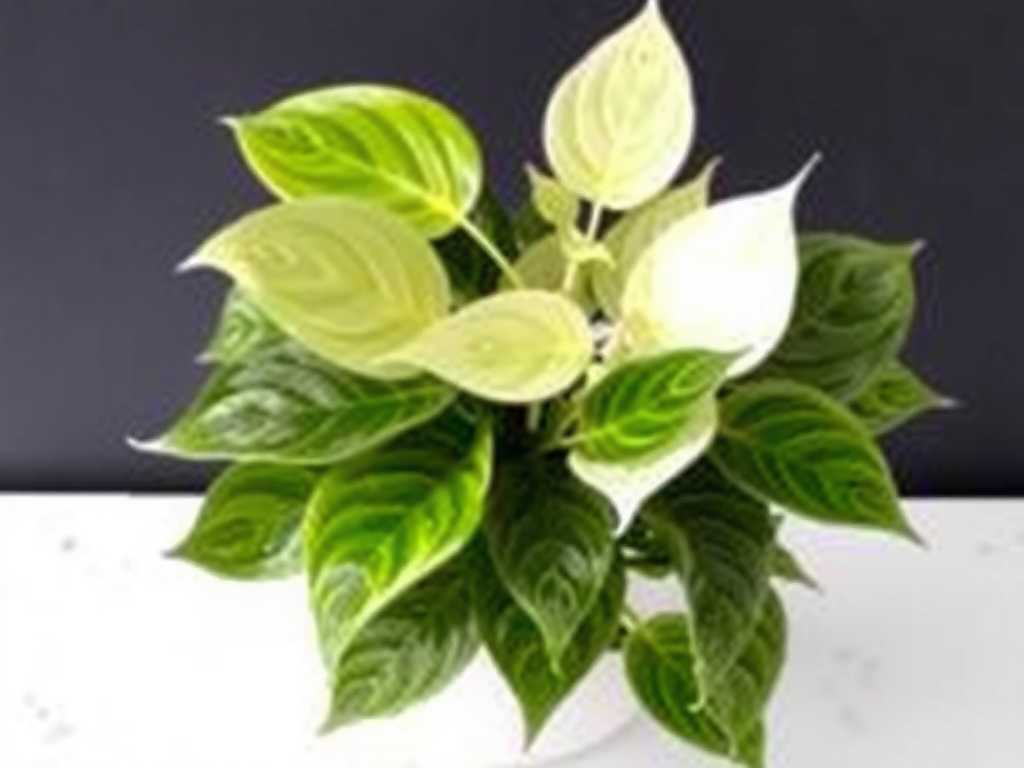
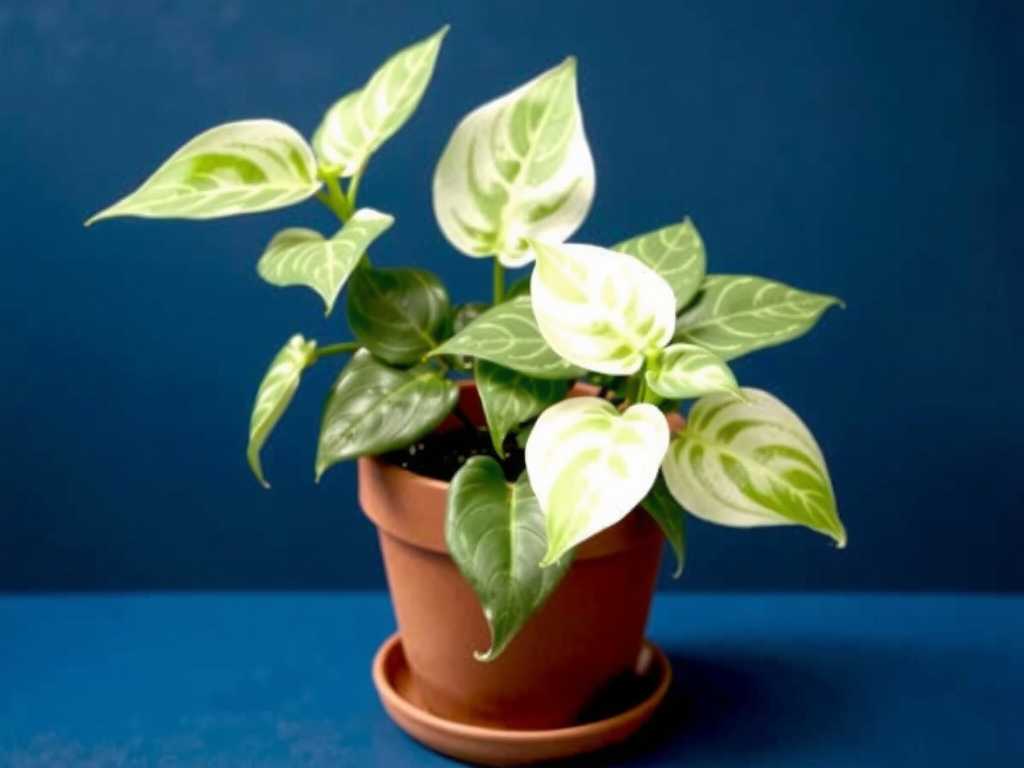
- Silver Satin Pothos: The base color is a deep, matte green. The "silver" is actually a dramatic, shimmering variegation—large, irregular splashes and blotches of a silvery-gray color that sit on top of the green. The contrast is high, and the pattern is chaotic and beautiful. Under low light, these silver marks can appear muted.
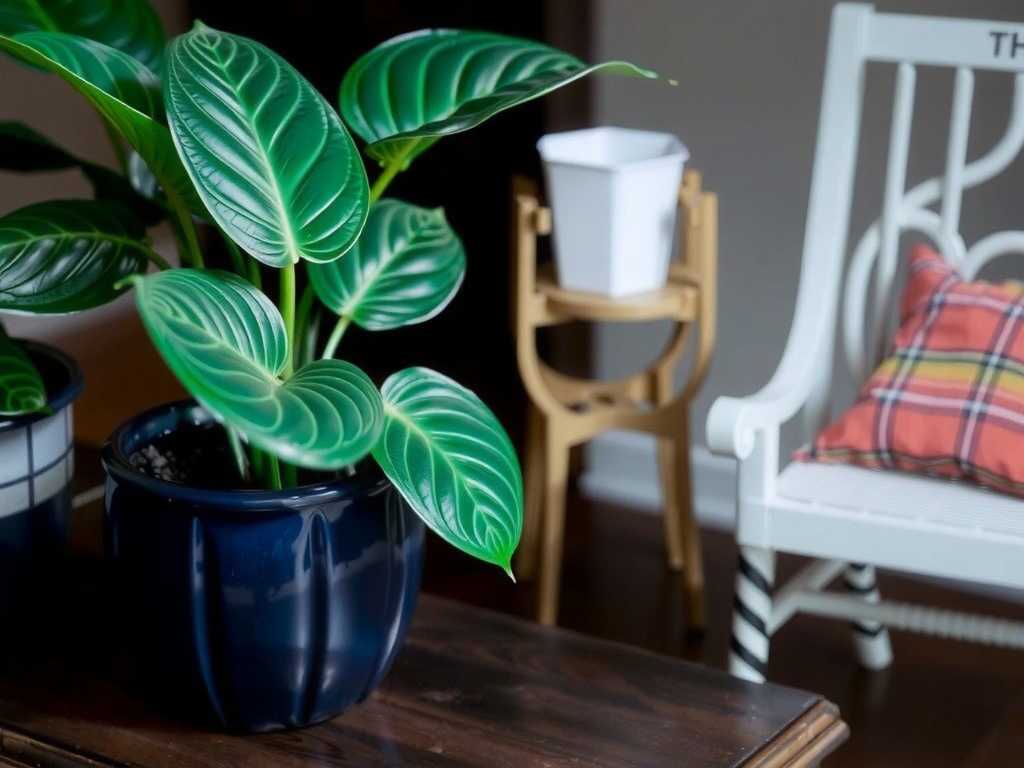
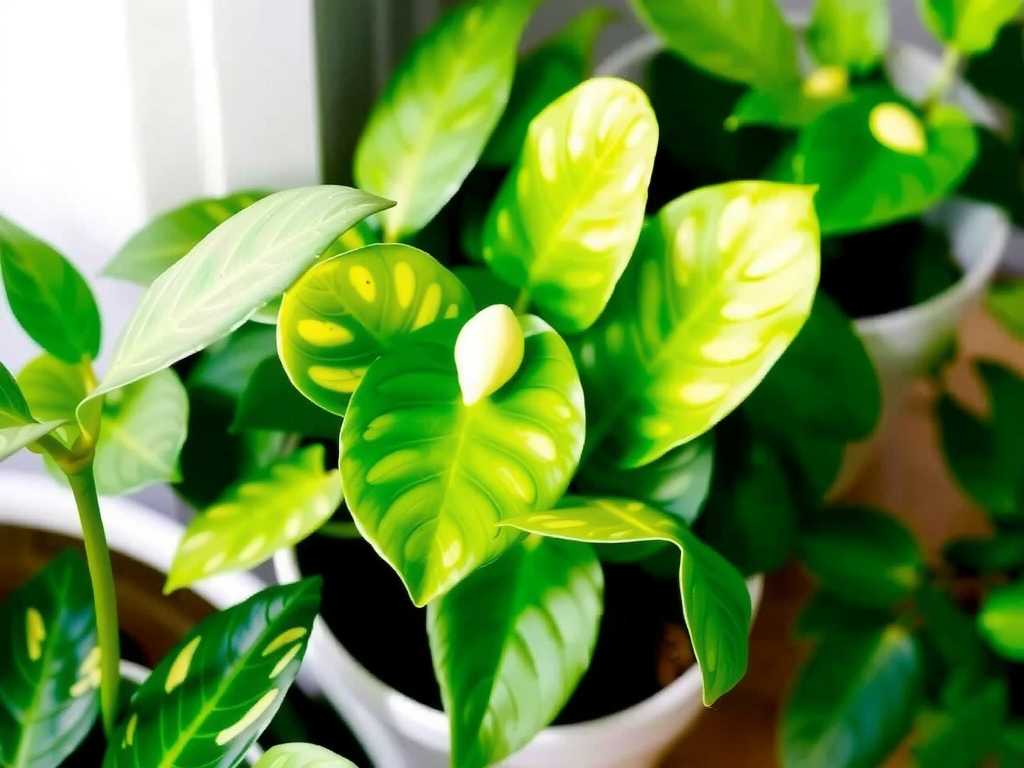
- Cebu Blue Pothos: The color is more monolithic. Juvenile leaves exhibit a stunning, metallic blue-green or silvery-blue sheen over a solid green base. It's not a variegation but an overall iridescent or satin-like finish that plays with light. As I observed over my two-week study, the "blue" hue is most pronounced under certain lights and on newer leaves. Mature leaves, which I encouraged with a moss pole, lose much of the blue and become a deep green with prominent fenestrations (splits), a trait confirmed by the Royal Horticultural Society (RHS) as characteristic of mature Epipremnum pinnatum.
Step 3: Observe the Growth Habit and Vine Structure
Watch how the plant presents itself.
- Silver Satin Pothos (Scindapsus pictus): It tends to grow in a more compact, bushy manner initially, with leaves spacing out as the vine lengthens. The stems are relatively sturdy, and the leaves grow from them in a slightly asymmetrical, heart-shaped form.
- Cebu Blue Pothos (Epipremnum pinnatum): This plant is a vigorous climber or trailer from the get-go. Its stems are more slender and flexible. The juvenile leaves are elongated and lance-shaped, growing in a more symmetrical, alternating pattern along the vine. This aggressive vining habit became very apparent during my observation period.
Step 4: Check the Leaf Shape and Form
Take a closer look at the leaf architecture.
- Silver Satin Leaf Shape: The leaves are typically broader, more heart-shaped or oval with a pronounced, pointed tip (acuminate apex). They have a distinct, almost puckered texture visible even to the eye.
- Cebu Blue Leaf Shape: Juvenile leaves are narrower, elongated, and lanceolate (spear-shaped). They are flat and smooth. This was a clear differentiator when I laid leaves from both plants side-by-side. The potential for dramatic fenestrations in maturity is a game-changer unique to Cebu Blue.
My Two-Week Observation Log: Real Notes from the Trenches
Day 1-3: Setup. Both plants well-watered. The Silver Satin's velvety texture is immediately obvious upon touch. The Cebu Blue's sheen is beautiful but clearly different—more of a gloss than a matte pattern. Day 4-7: Watering cycle. I watered both when the top 2 inches of soil dried out. The Silver Satin Pothos showed its sensitivity; I made the mistake of letting it dry slightly too much, and the oldest leaf developed a slight curl. I remedied this with a thorough bottom-watering, and it perked up within 24 hours. The Cebu Blue was far more forgiving, showing no signs of stress. Day 8-14: Growth tracking. The Cebu Blue put out two new leaves, confirming its faster growth rate. The new leaves had the strongest blue hue. The Silver Satin grew one new leaf, which unfurled with a stunning, bright silver pattern that darkened slightly over the week. I noted that dust showed up more visibly on the matte Silver Satin leaves, requiring gentle wiping.
The Pitfall I Encountered and How to Avoid It
My biggest mistake early on was relying solely on online images. Lighting in photos can drastically alter a leaf's appearance. A glossy Cebu Blue under soft light can look matte, and a highly variegated Silver Satin under a grow light can look uniformly silvery. I learned the hard way that visual identification of these plants must be combined with the tactile texture test. Always, if possible, feel the leaf or ask the seller for a texture description. This simple step would have saved me my initial misidentification.
Caring for Your Properly Identified Plant
Now that you can distinguish them, here’s how to cater to their individual needs:
- For your Silver Satin Pothos: Treat it as a slightly more delicate diva. It prefers higher humidity and is more susceptible to overwatering. Use a well-draining mix and water only when the topsoil is dry. It tolerates lower light but its variegation will be most dramatic in bright, indirect light.
- For your Cebu Blue Pothos: This is a resilient, fast-growing plant. It adapts well to various humidity levels and is quite drought-tolerant. Provide a moss pole or trellis if you want to encourage larger, fenestrated mature leaves. It thrives in medium to bright indirect light, where its blue sheen will shine.
I’ve heard "Silver Pothos" used for both. Which one is it? This is the heart of the confusion! Colloquially, "Silver Pothos" almost always refers to the Silver Satin Pothos (Scindapsus pictus). However, because the Cebu Blue has silvery-blue tones, the nickname sometimes gets misapplied. For clarity, always use the full common names or, better yet, the botanical names: Scindapsus pictus for Silver Satin and Epipremnum pinnatum for Cebu Blue.
Can both plants be propagated the same way? Yes, both propagate excellently through stem cuttings in water or sphagnum moss. During my project, I took cuttings from each. The Cebu Blue rooted noticeably faster, with visible roots in about 7 days, while the Silver Satin took closer to 14 days. Both successfully transitioned to soil.
Which plant is better for a beginner? If you're a beginner prone to occasional forgetfulness, the Cebu Blue Pothos is the more forgiving choice. Its growth rate is rewarding, and it's less fussy about water and humidity. The Silver Satin is still a great beginner plant but requires a bit more attention to its watering needs to prevent curled leaves.
Distinguishing between the Cebu Blue and Silver Satin Pothos transforms your plant care from guesswork into a confident practice. Remember the golden rule: feel the leaves. That velvety texture is the unmistakable signature of the Silver Satin, while the smooth, glossy finish belongs to the Cebu Blue. By understanding their unique identities—from leaf pattern and growth habits to their specific care preferences—you empower yourself to provide the exact environment each one needs to not just live, but truly thrive. The joy comes from appreciating their individual beauty, knowing you’re nurturing the right plant in the right way.

发表评论