 admin
admin How to Grow Pothos Varieties in Water: A Complete Guide from a Plant Lover
You’ve seen those stunning photos on social media—lush, trailing pothos vines cascading from elegant glass jars, their roots forming intricate, artistic tangles in clear water. You bring home a beautiful pothos, snip a cutting, plop it in a vase… and then you wait. And wait. Maybe the leaves turn yellow. Maybe the stem gets mushy. The dream of an effortless, soil-free indoor jungle starts to feel confusing and frustrating. If this sounds familiar, you’re not alone. I’ve been there. The promise of easy water propagation is real, but the “how” matters immensely. After years of growing dozens of pothos varieties in water, I’ve learned it’s less about having a green thumb and more about understanding a few simple, non-negotiable principles. This guide is the result of my experience, including a detailed two-week observation journal of starting new cuttings, the mistakes I made, and exactly how I fixed them. Let’s transform your pothos propagation journey from guesswork to guaranteed success.
Why Choose Water Propagation for Your Pothos?
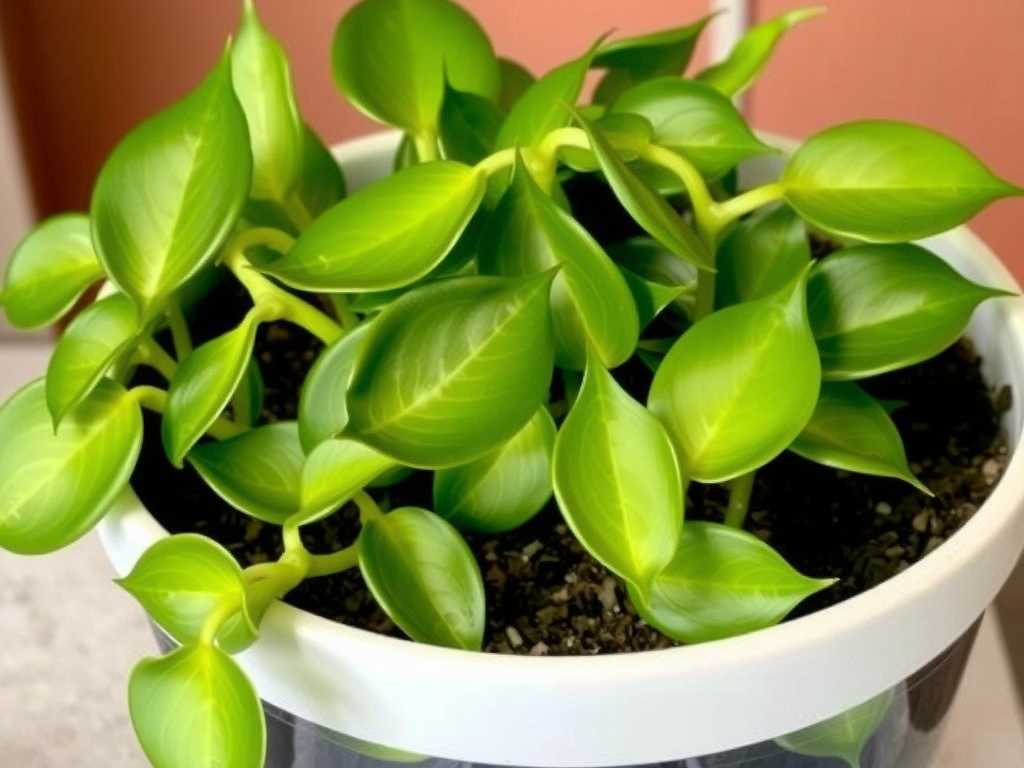
For beginners and seasoned plant enthusiasts alike, growing pothos in water offers unique advantages. It’s a fascinating window into the hidden world of root development, eliminating the mess of soil and the guesswork of watering schedules. According to the Royal Horticultural Society (RHS), water propagation is a highly effective vegetative method for many aroids, including pothos (Epipremnum aureum), as it allows for constant monitoring and often stimulates rapid initial root growth. From a purely practical standpoint, it’s incredibly simple to start. You only need a healthy mother plant, a clean vessel, and water.
However, the American Horticultural Society (AHS) notes that while water rooting is straightforward, the transition to long-term hydroponic life requires attention to nutrient management, as pure water lacks the essential minerals found in soil. This is the key to moving from a temporary propagation station to a thriving, permanent water-based display. My goal is to show you how to bridge that gap, ensuring your pothos doesn’t just survive in water, but truly thrives for years.
Getting Started: The Essential Setup
You don’t need expensive equipment. The right foundation is everything.
Selecting Your Cuttings Your journey begins with a strong cutting. Always choose a healthy, vigorous vine from your mother plant. Look for a stem section with at least 3-4 nodes (those little brown bumps on the stem where leaves and roots emerge). Using a clean, sharp pair of scissors or pruning shears, make a cut about a quarter-inch below a node. This node is the epicenter of new root growth. I recommend taking a few cuttings at once to increase your chances of success.
Preparing the Cuttings Remove any leaves that would sit below the waterline. Submerged leaves will rot, creating a bacterial soup that can doom your cutting. You can have one or two leaves at the top of the cutting, or even just a bare stem with nodes—it will still root. I sometimes let the cut end callous over for an hour or two, especially if the plant was recently watered, as this can help reduce the risk of stem rot.
Choosing the Right Vessel The container is more than decor. Clear glass is my preference because it lets you monitor root health and algae growth. The mouth should be narrow enough to support the cutting, keeping most of the stem out of the water while the nodes are submerged. Ensure it’s impeccably clean. I wash mine with hot, soapy water and rinse thoroughly to remove any residue.
The Water: Your Most Important Ingredient This is where most people, including my past self, go wrong. Tap water is often treated with chlorine and chloramines, which can inhibit root growth. For the best results, use filtered water, rainwater, or simply leave tap water out uncovered for 24 hours to allow chlorine to dissipate. Room temperature water is ideal—avoid shocking the cutting with cold water.
My Two-Week Observation & The Algae Scare
I decided to document starting three cuttings of different pothos varieties: a classic Golden Pothos, a marble queen pothos, and a neon pothos. I placed them in identical glass jars with filtered water on a bright, indirect windowsill.
Days 1-3: The waiting game. No visible changes. The water remained clear. Days 4-7: Exciting! Tiny, white, nub-like protrusions appeared at the nodes on all cuttings. These are the initial root primordia. The golden pothos was the fastest starter. Days 8-10: The nubs elongated into definite, thin white roots. I performed my first water change, gently rinsing the jars and roots. Here’s where I made my mistake: I got busy and topped off the water instead of doing a full change. Days 11-14: I noticed a faint green film on the inside of the jar holding the marble queen pothos—algae. The water was also looking slightly cloudy. This is a common issue when light promotes algae growth in nutrient-rich water (from the plant’s own exudates).
My Solution: I immediately took all cuttings out, thoroughly cleaned their jars with a bottle brush (no soap, just hot water), and rinsed the roots gently under lukewarm water to remove any algal spores. I refilled with fresh filtered water. Crucially, I moved the jars to a spot with equally bright but more indirect light, away from prolonged direct sun hitting the water. Within two days, the algae stopped progressing, and the roots continued to grow healthily. The lesson was clear: consistent, complete weekly water changes are non-negotiable, and light management is key.
Long-Term Care for Thriving Water-Grown Pothos
Once your pothos has established a root system (about 2-3 inches long), the goal shifts from propagation to sustained growth.
The Water Change Ritual Change the water completely every 7-14 days. This is the single most important practice. It refreshes oxygen in the water, washes away waste products from the roots, and prevents the buildup of bacteria and algae. Gently rinse the roots and the container during each change.
Nutrient Supplementation Pure water has no food. After about 4-6 weeks, or once a substantial root system exists, you must add nutrients. I use a balanced, water-soluble liquid fertilizer formulated for hydroponics, diluted to 1/4 or 1/2 the strength recommended on the label. Fertilize with every other water change during the growing season (spring and summer), and sparingly or not at all in fall and winter. Over-fertilizing in a closed water system can lead to toxic salt buildup and root burn.
Light and Placement Pothos are adaptable but grow best in bright, indirect light. The variegated varieties like Marble Queen or Manjula need more light to maintain their patterns. Direct sun can scorch leaves and, as I learned, overheat the water and fuel algae. An east or north-facing window is often perfect.
Managing Root Health and Plant Size Over time, roots will fill the container. You can trim overly long or tangled roots if needed during a water change using clean scissors. To encourage a bushier plant, you can take tip cuttings from your water-grown pothos and root them right back in the same jar, creating a fuller display. If the vine itself gets too long, simply cut it back to a node.
Troubleshooting Common Problems
Yellowing Leaves: This is often a sign of nutrient deficiency. Start a diluted fertilization routine. It can also mean too much direct light. Brown, Mushy Roots (Root Rot): This indicates bacterial infection, usually from infrequent water changes or a contaminated vessel. Immediately cut away all affected roots with sterile tools, clean the container thoroughly, and provide fresh water. The plant may re-root if healthy stem remains. Slow or No Growth: Check light levels. Ensure the nodes are submerged. Be patient—some varieties are slower than others. Consider a slight increase in fertilizer strength. Algae Growth: Reduce light exposure to the water (use an opaque container or wrap decorative paper around a clear one). Be diligent with weekly water changes and cleaning.
Frequently Asked Questions
Can I keep my pothos in water forever? Absolutely. Many of my pothos have lived in water for over five years. The key is transitioning from pure water to a nutrient-supplemented hydroponic system with consistent care. They may grow slightly slower than soil-potted counterparts but can become just as large and lush.
Why are the roots in water different from soil roots? Water roots are adapted to absorb oxygen and nutrients directly from the aquatic environment. They are often whiter, finer, and more brittle. If you ever transition a water-grown pothos to soil, do it gradually, as these roots are not immediately adapted to soil conditions and may shock the plant.
Which pothos varieties grow best in water? All common pothos varieties propagate and grow well in water. Golden Pothos is famously foolproof. Variegated types like Marble Queen, Snow Queen, and Pearls and Jade are equally successful, though their growth may be a touch slower. Even the stunning Cebu Blue Pothos (Epipremnum pinnatum) roots beautifully in water.
Growing pothos varieties in water is a rewarding and visually captivating way to enjoy these resilient plants. It demystifies plant growth and brings a living element into your home with minimal fuss. Remember, success hinges on clean water, consistent care, and the occasional nutrient boost. Start with a single cutting, follow these steps, and you’ll soon have a thriving, soil-free pothos that’s not only beautiful but also a testament to your understanding of its simple needs. Happy propagating

发表评论