 admin
admin How to Care for Golden Pothos to Maximize Its Air-Purifying Benefits
You bring a beautiful Golden Pothos home, hoping it will clean your air and brighten your space. But weeks later, its leaves are turning yellow, growth has stalled, and those promised air-purifying benefits feel like a distant dream. The problem isn't the plant's famous resilience; it's that basic care isn't enough to unlock its full potential. To truly turn your Golden Pothos into a powerful, natural air purifier, you need a strategy that goes beyond simple watering.
This guide will show you exactly how to care for your Golden Pothos to maximize its air-cleaning abilities. We'll translate the science of phytoremediation into simple, actionable steps.
Understanding Your Golden Pothos as an Air Purifier
The Golden Pothos (Epipremnum aureum) is more than just a pretty vine. NASA's landmark Clean Air Study highlighted its ability to remove common household volatile organic compounds (VOCs) like formaldehyde, benzene, and xylene. A more recent study in the Journal of Hazardous Materials noted that Epipremnum species showed significant potential for formaldehyde removal.
How does it work? The plant absorbs these gases through tiny openings in its leaves. Microbes in the soil and around the root system then break down the pollutants, using them as a food source. For this biological system to operate at peak efficiency, the plant itself must be in peak health. A struggling Pothos is a poor purifier.
Essential Care for a Thriving, Air-Cleaning Plant
A healthy plant is a functional plant. These core care principles form the foundation of its air-purifying power.
Perfecting the Light Conditions
Golden Pothos is famous for tolerating low light, but "tolerating" and "thriving" are different. In deep shade, growth slows to a crawl, meaning it produces fewer new leaves to process pollutants.
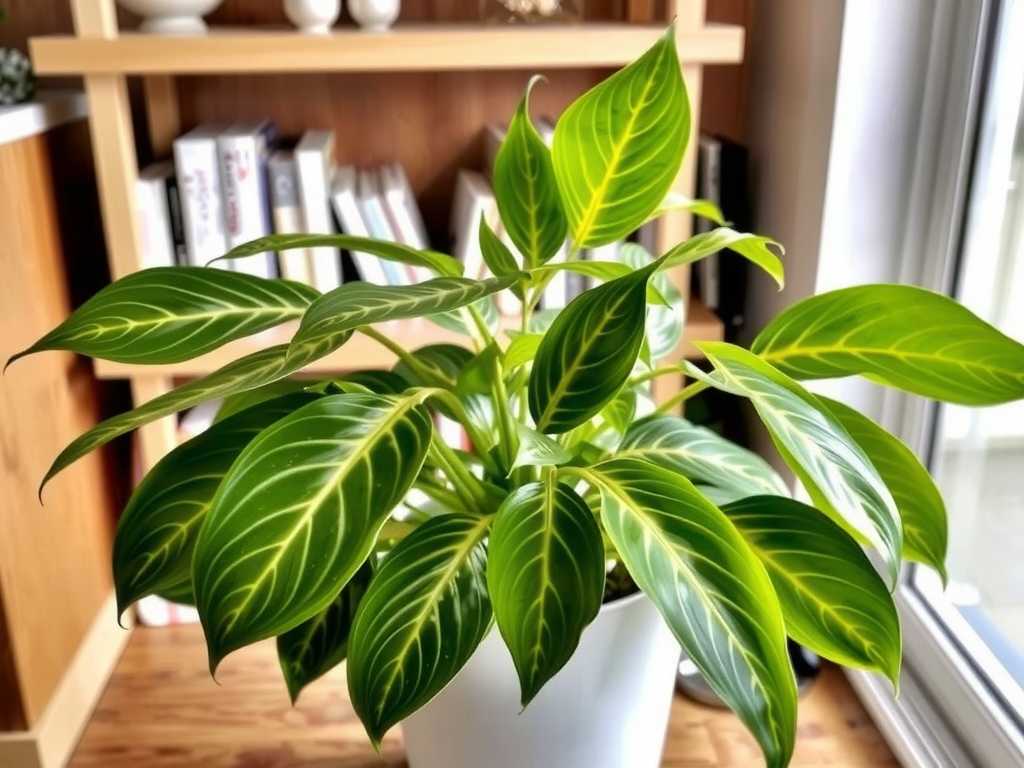
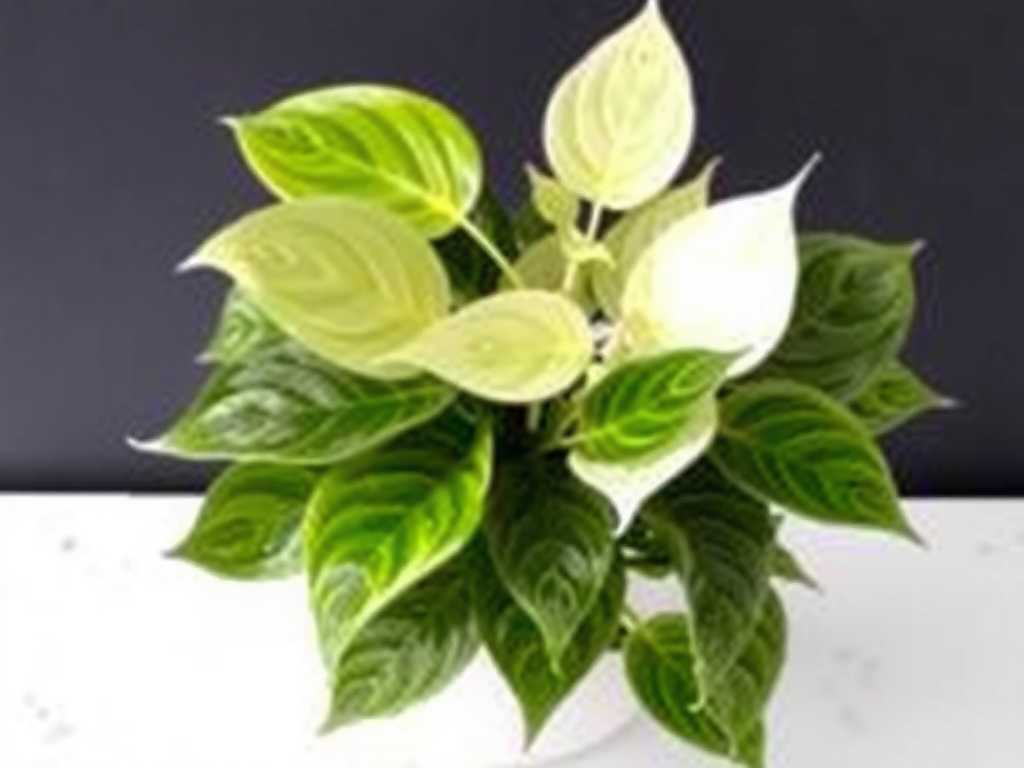
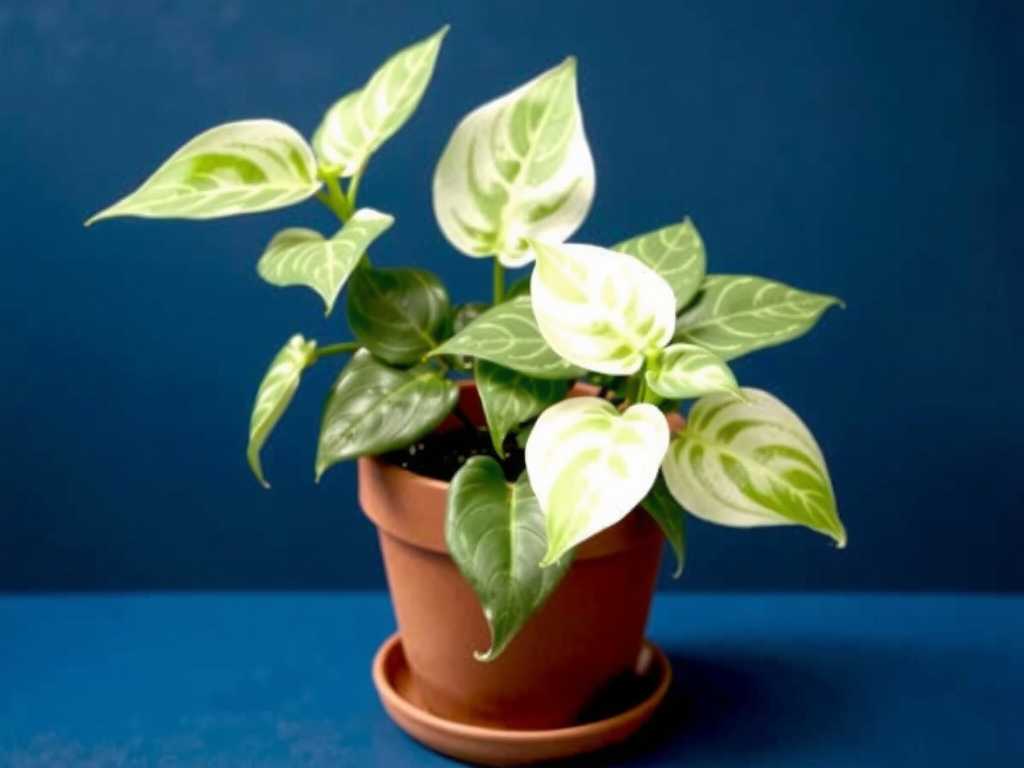
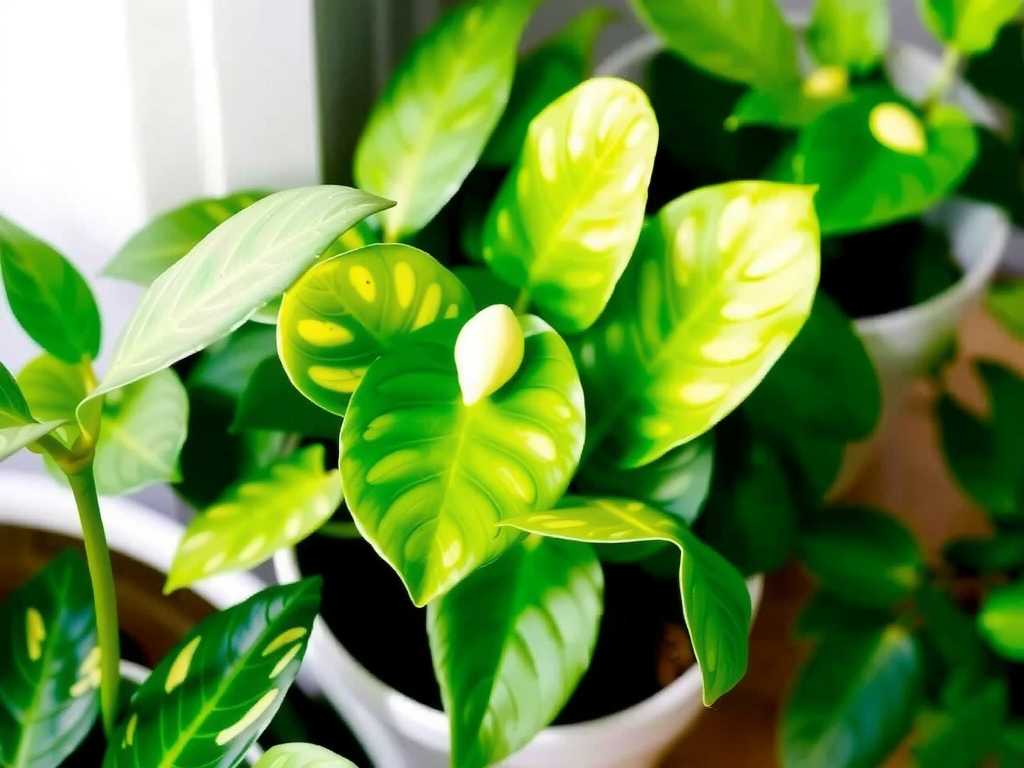
For maximum air purification, provide bright, indirect light. An east-facing window or a spot a few feet back from a south/west window is ideal. The distinctive golden and yellow variegation on the leaves will be more pronounced with proper light, a sign of robust photosynthetic activity. More photosynthesis means more energy for growth and detoxification.
Watering Wisely for Root Health
Overwatering is the fastest way to diminish your plant's air-cleaning capacity. Soggy soil suffocates roots, leading to rot. A compromised root system cannot support the leaves or the microbial life needed for pollutant breakdown.
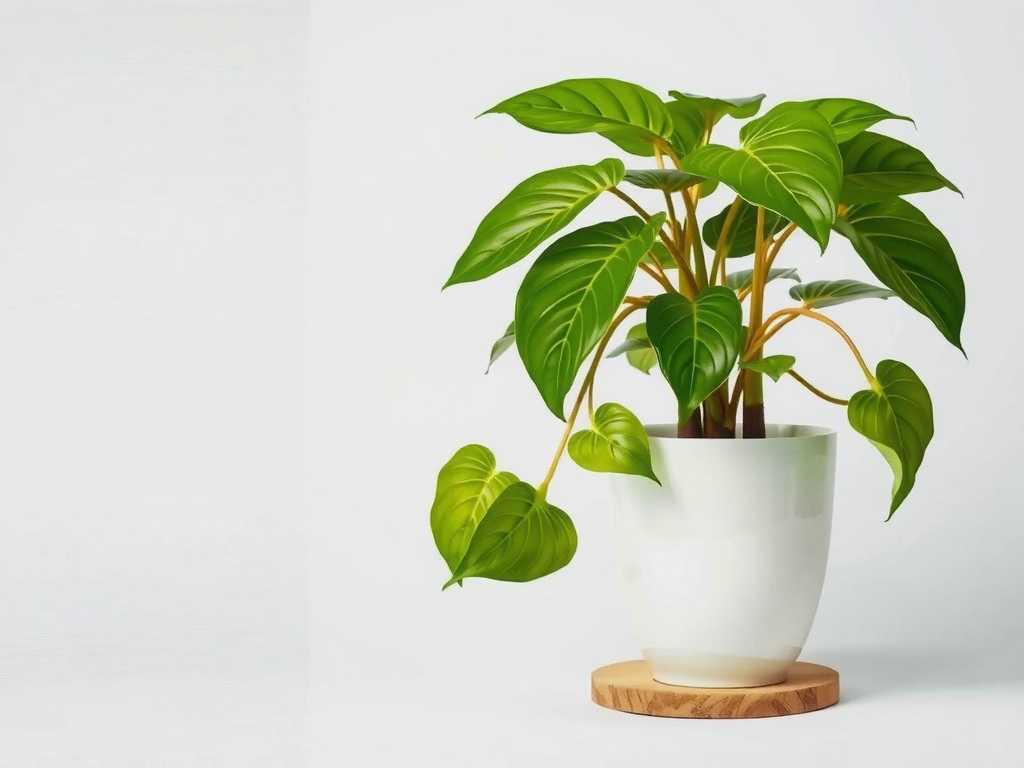
The golden rule? Water deeply only when the top 1-2 inches of soil are dry to the touch. Ensure your pot has drainage holes. Consider using a moisture meter for accuracy. Well-aerated, healthy roots are the engine of your purification system.
Choosing Soil and Fertilizer for Growth
A fast-growing Pothos is a more effective purifier. Use a well-draining, peat-based potting mix. During the active growing season (spring and summer), feed your plant monthly with a balanced, water-soluble fertilizer diluted to half-strength.
This provides the nutrients needed to produce lush, new foliage. More leaf surface area equals a greater capacity to absorb airborne toxins. Avoid over-fertilizing, which can cause salt buildup and damage the roots.
The Right Pot and Strategic Placement
Don't rush to repot. Pothos prefers to be slightly root-bound. Repot only when roots circle the bottom or growth slows significantly, moving up just one pot size (1-2 inches larger in diameter).
Placement is your secret weapon for targeted air purification. To maximize its benefits, position your Pothos in rooms where VOC concentrations are typically higher: near home office printers, in newly furnished living rooms, or in kitchens. Remember, one large, healthy plant is more effective than several small, weak ones.
Advanced Techniques to Boost Purification
Once you've mastered basic care, these advanced tactics can further enhance your Pothos's performance.
Optimizing Leaf Health and Surface Area
The leaves are the primary filters. Keep them clean. Dust buildup can clog the stomata (pores) and hinder gas exchange. Gently wipe leaves with a damp cloth every few weeks.
Encourage full, bushy growth by regularly pruning long vines. Pruning just above a leaf node encourages new growth points, resulting in a denser plant with more purifying leaves. You can propagate these cuttings in water to create more air-purifying units for other rooms.
Supporting the Microbial Ecosystem
Recall that microbes in the soil do much of the pollutant breakdown. You can support this ecosystem by occasionally top-dressing the soil with a thin layer of worm castings or using a probiotic plant supplement. Healthy soil biology is crucial for the phytoremediation process.
Complementing with Other Purifying Plants
While a Golden Pothos is excellent for formaldehyde, creating a "clean air plant portfolio" is wise. Pair it with a Snake Plant (excellent for benzene and works at night) or a Peace Lily (great for multiple VOCs and adds humidity). This multi-species approach tackles a broader spectrum of indoor pollutants.
Common Mistakes That Reduce Effectiveness
Avoid these pitfalls that can undermine your efforts:
- Ignoring Pest Problems: Spider mites or mealybugs stress the plant. Inspect leaves regularly.
- Extreme Temperatures: Keep away from cold drafts and heating vents. Stable temperatures promote steady growth.
- Assuming It's Enough Alone: Plants are a supplement, not a replacement for source control (like choosing low-VOC products) and proper ventilation.
Frequently Asked Questions
How many Golden Pothos plants do I need to clean the air in my room? There's no simple number, as room size, pollutant levels, and plant size vary. Research suggests you need multiple healthy, mature plants per 100 square feet for a measurable impact. Focus first on nurturing a few large, thriving specimens rather than many small ones. Their cumulative leaf mass is what matters most.
Does Golden Pothos release oxygen at night? Unlike plants that use Crassulacean Acid Metabolism (CAM), like Snake Plants, Golden Pothos primarily releases oxygen during the day through photosynthesis. At night, like most plants, it undergoes respiration and releases a small amount of CO2. However, this amount is negligible compared to its air-purifying benefits and daytime oxygen production.
Can I keep my Golden Pothos in my bedroom for better sleep air quality? Yes, absolutely. While its oxygen output is daytime-focused, its continuous removal of VOCs can contribute to a cleaner bedroom environment. For a 24-hour oxygen boost, pair it with a CAM plant like a Snake Plant or Orchid.
Caring for a Golden Pothos to maximize its air-purifying benefits is a rewarding practice that blends simple horticulture with environmental wellness. By providing bright, indirect light, mastering a careful watering routine, and feeding for vigorous growth, you transform a resilient houseplant into an active, biological air filter. Strategic placement in pollutant-prone areas, maintaining clean leaves, and supporting the soil's microbial life will further unlock its natural capabilities. Remember, the most beautiful, cascading vine is also the one working hardest to make your home's air healthier and fresher with every new leaf it unfurls.

发表评论