 admin
admin How to Identify the Unique Traits of Jessenia Pothos: A Complete Visual Guide
You've brought home a beautiful pothos, its leaves a stunning mix of green and chartreuse. It was labeled simply as a "Marble Queen" or maybe a "Golden Pothos." But as you care for it, you notice something different. The variegation seems more consistent, the green deeper, and the overall vibe distinct. Could it be the elusive Jessenia pothos? With so many pothos varieties looking similar, correctly identifying the Jessenia Pothos (Epipremnum aureum 'Jessenia') can be a frustrating challenge for plant enthusiasts.
Misidentification leads to confusion about proper care, unrealistic growth expectations, and even paying a premium for a common plant. This guide is designed to be your definitive resource. We will break down the exact visual markers and growth habits that set the Jessenia apart from its look-alikes, empowering you to confidently identify this gorgeous cultivar.
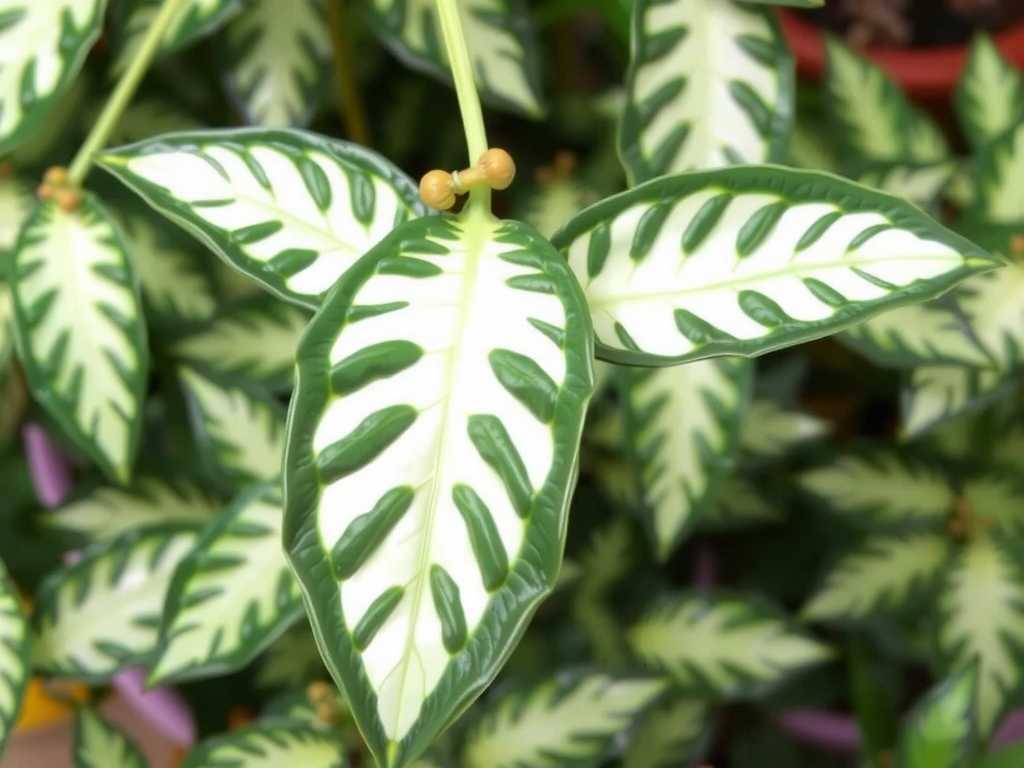
Understanding the Jessenia Pothos: Origin and Background
Before diving into leaf patterns, it's helpful to understand what the Jessenia pothos is. Like all pothos plants, it is a cultivar of Epipremnum aureum. The 'Jessenia' cultivar was officially recognized and patented by Costa Farms, a major horticultural grower, as part of their Trending Tropicals® collection.
Its unique, stable variegation is a key feature. Unlike some variegated plants that may revert to solid green, Jessenia maintains its pattern under proper light conditions. This stability is part of what makes it so sought-after. According to horticultural experts, this consistent patterning is a result of careful selective cultivation, ensuring the variegation is genetically ingrained rather than a random mutation.
The Definitive Identification Checklist for Jessenia Pothos
Forget vague descriptions. Use this detailed, point-by-point checklist to analyze your plant. True identification requires looking at the combination of all these traits, not just one.
1. The Signature Leaf Coloration and Variegation Pattern
This is the most critical identification factor. The Jessenia does not have the bright white or creamy yellow variegation of a Marble Queen or Golden Pothos.

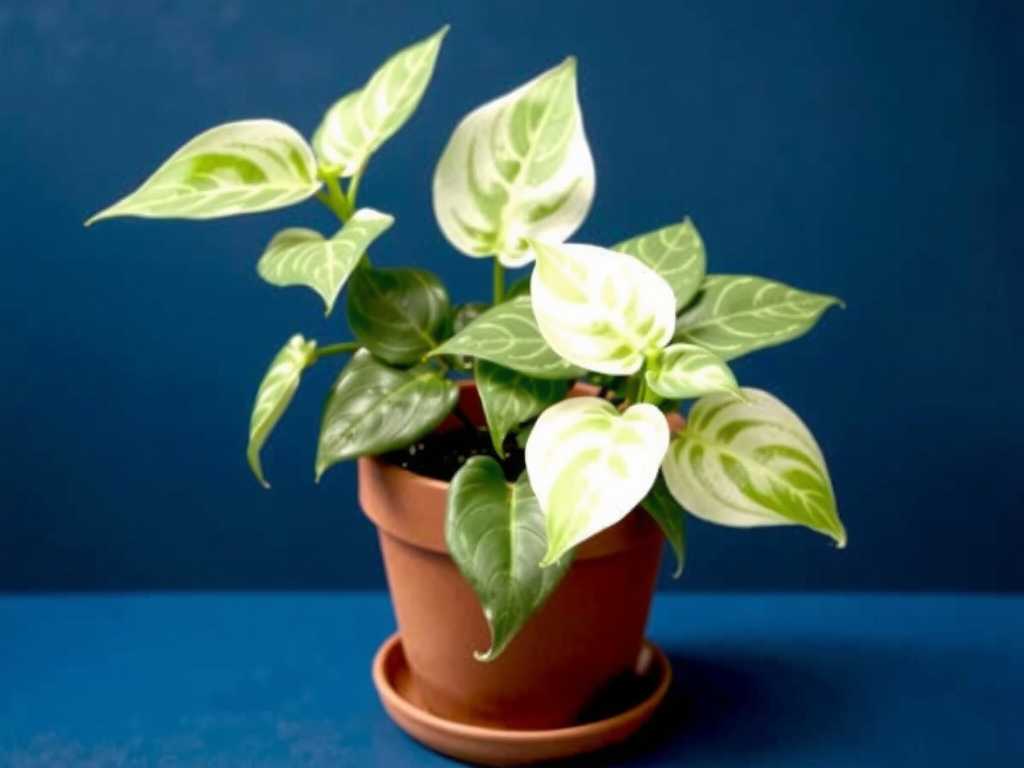
- Primary Color: The base color of the leaf is a deep, forest green or chartreuse-green.
- Variegation Color: The variegation is a striking, lime-green to chartreuse color. It is a different shade of green, not a white or cream.
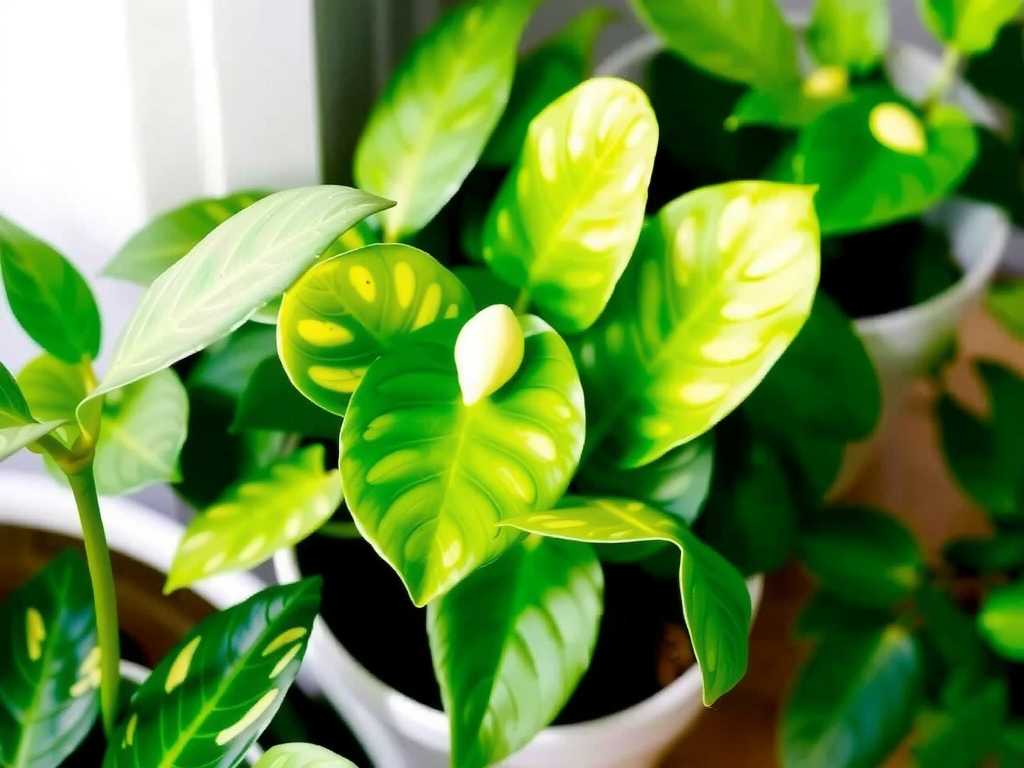
- Pattern Distribution: The variegation appears as a detailed, confetti-like or marbled pattern evenly distributed across the entire leaf surface. It is not just splashed on the edges or confined to large blocks. Each leaf is a intricate mix of the two green shades.
- Consistency: The pattern is remarkably consistent from leaf to leaf on a healthy plant. While the amount of variegation can vary (some leaves may be greener, others more chartreuse), the two-tone green nature remains.
2. Direct Comparison: Jessenia vs. Its Common Look-Alikes
Place your plant side-by-side with these common imposters. The differences become clear.
- Jessenia vs. Golden Pothos: This is the easiest distinction. Golden Pothos has yellow or creamy gold variegation, often as streaks or patches on a medium-green background. Jessenia's variegation is purely a lime/chartreuse green on a darker green background. There is no yellow.
- Jessenia vs. Marble Queen Pothos: This is the most common source of confusion. Marble Queen has a white or cream-colored marbling on a green background. The contrast is high—green and white. Jessenia's contrast is softer—dark green and lime green. If you see white, it's not a Jessenia.
- Jessenia vs. Global Green Pothos: Global Green has a reversed pattern: darker green edges with lighter, lime-green centers. Jessenia's pattern is marbled throughout without this distinct edge-to-center contrast.
3. Leaf Shape, Texture, and Growth Habit
While color is king, supporting traits confirm the identification.
- Leaf Shape: The leaves are heart-shaped, typical of pothos, but can appear slightly more elongated or tapered when mature.
- Leaf Texture: The leaves have a subtle, almost satiny sheen and a firm texture. The variegated sections are not thinner or weaker, a sign of stable variegation.
- Growth Rate and Habit: Under ideal bright, indirect light, Jessenia exhibits a moderate growth rate. Its vines will trail or climb, and the internodal spacing (distance between leaves) is relatively compact when the plant is happy, creating a bushy appearance.
Essential Care Tips to Reveal Its True Beauty
Proper care doesn't just keep your Jessenia alive; it accentuates the very traits you use to identify it. Inadequate care can mask its true colors.
- Light is Non-Negotiable: To maintain and enhance its stunning chartreuse variegation, provide bright, indirect light. Too little light will cause the plant to produce more green chlorophyll, leading to less variegation (darker, greener leaves). Too much direct sun can scorch the leaves. An east-facing window is often ideal.
- Watering Practices: Water only when the top 1-2 inches of soil are dry. Like all pothos, Jessenia is susceptible to root rot. Well-draining soil is crucial. Underwatering is safer than overwatering.
- Feeding for Vibrance: During the growing season (spring and summer), feed monthly with a balanced liquid houseplant fertilizer diluted to half strength. This supports steady growth and vibrant leaf color.
Why Accurate Identification Matters: Beyond the Label
Knowing you have a true Jessenia pothos is about more than just name-dropping. It ensures you provide the specific care it needs to thrive, allows you to accurately trade or share cuttings with other collectors, and helps you understand its value and growth expectations. You become a more informed and confident plant parent.
How can I encourage more variegation on my Jessenia pothos? Increase its exposure to bright, indirect light. Variegated plants need more light to fuel the less photosynthetic (lighter) parts of their leaves. Pruning back any stems that have reverted to solid green can also help direct the plant's energy to the more variegated growth points.
My Jessenia's new leaves are coming in mostly green. What's wrong? This is typically a sign of insufficient light. The plant is compensating by producing more green chlorophyll to maximize photosynthesis in low-light conditions. Gradually move it to a brighter location, and subsequent new leaves should show the proper marbled pattern.
Is Jessenia pothos rare or expensive? While it was once considered rare, it has become more widely available through large-scale growers like Costa Farms. It is generally more accessible and affordable than truly rare cultivars like the Harlequin Pothos, but may still be priced slightly higher than a common Golden Pothos due to its desirable and stable variegation.
Identifying the Jessenia pothos is a rewarding skill that deepens your appreciation for the diversity of houseplants. By focusing on its unique two-tone green, confetti-like marbling and comparing it directly to look-alikes, you can move from uncertainty to absolute confidence. Remember, the perfect balance of bright light and proper care will not only keep your plant healthy but will also showcase the very characteristics that make the Jessenia a standout treasure in any plant collection.

发表评论