 admin
admin How to Water Different Pothos Varieties: A Plant Lover’s 2-Week Experiment
I’ve killed my fair share of pothos plants. It sounds terrible to admit, but it’s true. The heartbreak usually stemmed from one simple, yet critical mistake: I treated all my pothos the same. I’d give my classic Golden Pothos and my stunning Marble Queen the exact same amount of water on the same schedule, only to watch one thrive and the other struggle. If you’ve ever wondered why one pothos has crispy brown tips while another’s leaves are turning yellow and dropping, you’re not alone. The universal pain point for so many plant enthusiasts is this: we know pothos are “easy,” but we don’t realize that “easy” doesn’t mean “identical.” Watering pothos varieties correctly is the single most important skill for keeping these popular plants not just alive, but spectacularly lush.
After another disappointing episode, I decided to get to the bottom of it. I embarked on a focused, two-week observation and adjustment period with three common but distinct varieties: the Golden Pothos (Epipremnum aureum), the Marble Queen Pothos, and the Neon Pothos. My goal was to move beyond generic advice and learn the precise watering needs for different pothos types. Here’s exactly what I did, what I learned, and how you can avoid the pitfalls I encountered.
Understanding the “Why”: It’s All in the Leaves
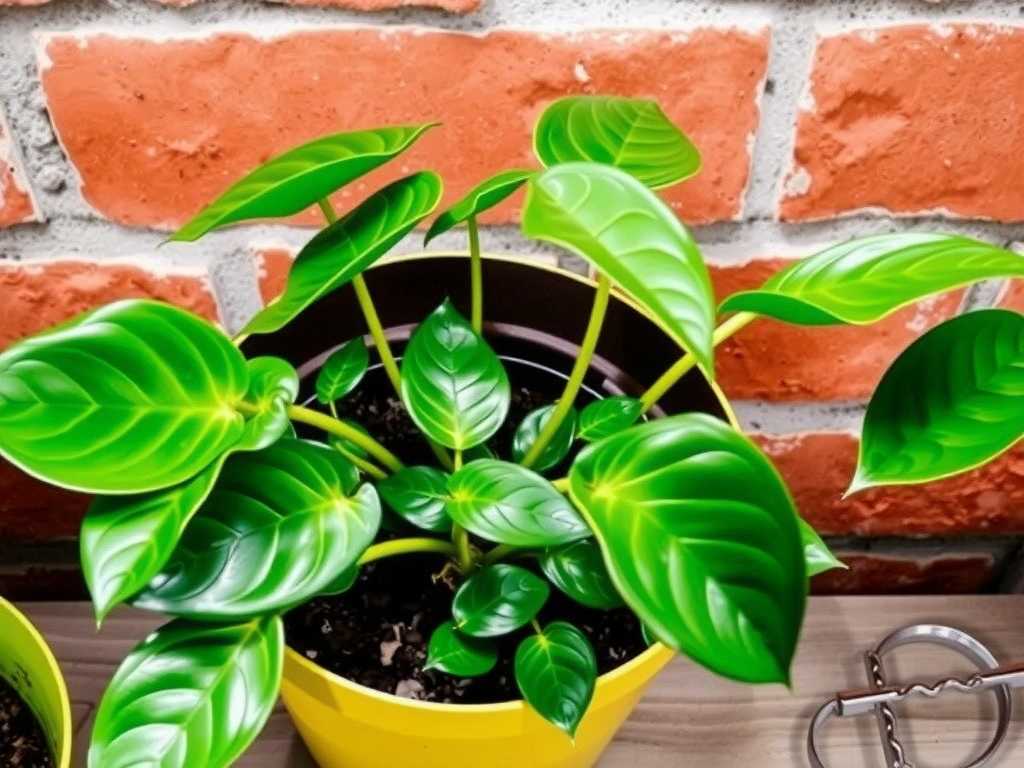
Before we get to the watering can, we need to understand what we’re working with. The key to how to water different pothos varieties lies in their foliage. The color and variegation (those beautiful white or yellow patterns) are more than just decoration; they are direct indicators of the plant’s physiology.
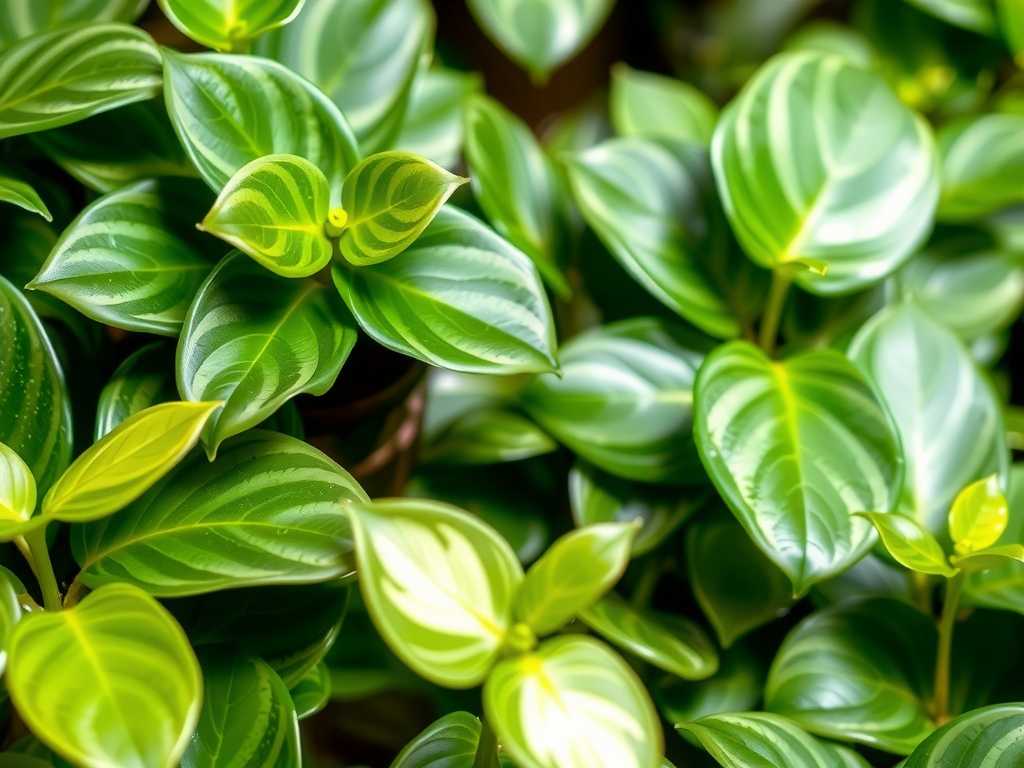
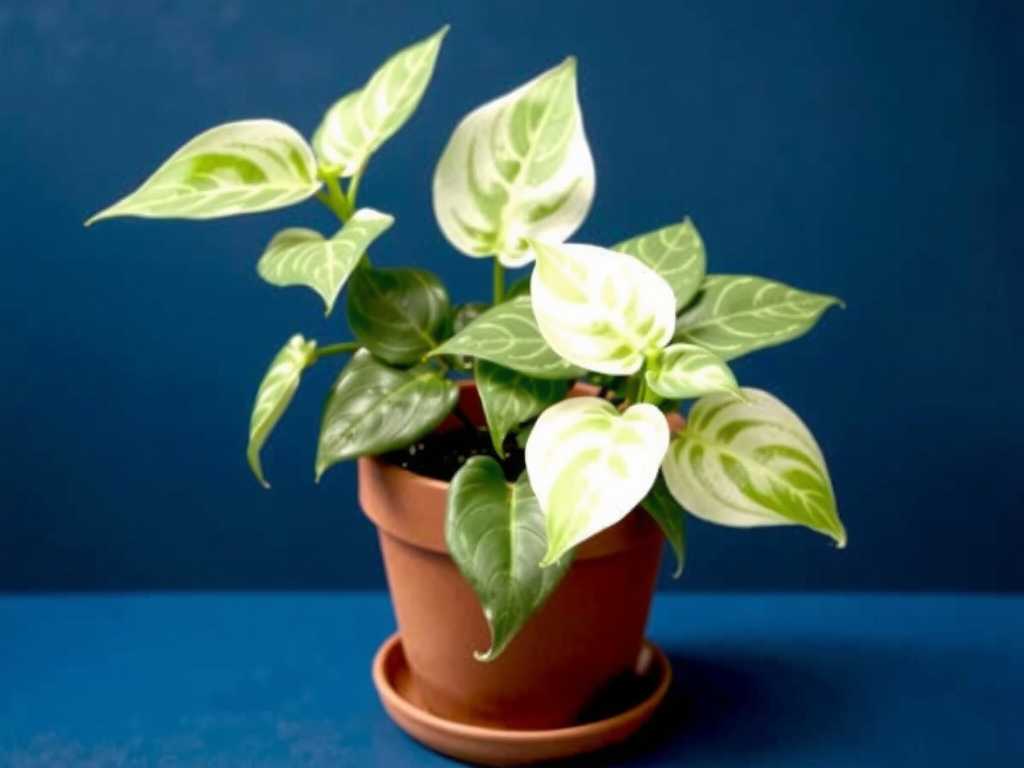
Variegated leaves, like those on the Marble Queen or Snow Queen, have less chlorophyll—the green pigment essential for photosynthesis. This means they grow slower and utilize water at a different rate than their all-green cousins. Lighter-colored leaves, such as those on the Neon Pothos, follow a similar principle. The American Horticultural Society’s guidelines on plant physiology note that plants with reduced chlorophyll often have slightly different metabolic rates, impacting their resource uptake. In simple terms, a highly variegated plant often needs less frequent watering than a solid green one because it’s not processing energy and water as quickly.
My 2-Week Watering Experiment: A Step-by-Step Log
I selected three healthy, similarly-sized pothos plants in identical nursery pots with drainage holes, using the same well-draining aroid potting mix for consistency. I placed them side-by-side in a room with bright, indirect light.
Week 1: Establishing a Baseline and the First Mistake
My initial plan was to water them all when the top inch of soil felt dry—the classic advice. I stuck my finger in each pot. The Golden Pothos was indeed dry. The Neon was slightly moist. The Marble Queen’s soil was still quite damp at the top inch. Ignoring this clear signal, I watered them all thoroughly until water ran out the bottom.
- Observation (Day 3): The Golden Pothos perked up visibly, a picture of health. The Neon Pothos looked fine. The Marble Queen, however, showed no improvement and the soil remained soggy.
- The “Aha!” Moment & Solution (Day 5): A lower leaf on the Marble Queen turned yellow and soft—a classic sign of overwatering. I had made the critical error of treating them identically. Immediately, I stopped watering the Marble Queen. I gently aerated the soil around the edges with a chopstick to improve airflow to the roots, a trick recommended by many plant pathology resources to help soil dry more evenly and prevent anaerobic conditions.
- Key Takeaway: The “finger test” is a start, but you must interpret it relative to the plant. Damp soil for a Marble Queen means “wait,” while damp soil for a Golden Pothos might mean “check again tomorrow.”
Week 2: Adopting a Variety-Specific Approach
I abandoned the schedule. Instead, I shifted to a weight-and-heft method. I lifted each pot daily to feel its weight. A light pot needs water; a heavy one does not. I combined this with the finger test, checking deeper into the soil for the Marble Queen.
- Golden Pothos: This variety proved to be the most forgiving. I watered it when the pot felt noticeably light and the top 1-2 inches of soil were dry. This happened about every 7-8 days. It responded with vigorous growth and zero stress signs.
- Neon Pothos: Its watering needs fell in the middle. While it liked to dry out a bit more than I expected, it didn’t want to be bone-dry like a succulent. I watered when the top 1.5 inches were dry and the pot was light, roughly every 9-10 days. Its vibrant color remained intense.
- Marble Queen Pothos: This was the thirstiest for careful attention. I allowed the top 2-3 inches of soil to dry out completely—nearly halfway down the pot—before even considering water. The pot needed to feel very light. This extended its watering interval to nearly 14 days in my environment. After the initial overwatering correction, it stopped yellowing and began to show new growth.
The Golden Rules for Watering Any Pothos Variety
While frequency varies, the principles of good watering practice do not. Here’s what I religiously follow now:
- The Perfect Soak: When you do water, do it thoroughly. Take the plant to the sink and water slowly until it flows freely from the drainage hole. This ensures the entire root ball is hydrated. The Royal Horticultural Society (RHS) emphasizes this practice, noting that thorough watering promotes deeper root growth compared to frequent, shallow sips.
- The Unforgiving Drainage: Never, ever let your pothos sit in a saucer of water. Empty the cachepot or saucer 15 minutes after watering. Root rot is a silent killer, and it starts with wet feet.
- Seasonal Sensitivity: My experiment was in a temperate room. In summer with higher light and growth, all varieties will drink more frequently. In winter, watering intervals for all types may double. Always let the plant’s condition and soil dryness guide you, not the calendar.
Troubleshooting: Lessons from the “Pits” I Fell Into
- Pitfall #1: The Uniform Schedule. As detailed, this was my biggest blunder. Solution: Assess each plant individually. Create a mental or physical note for each variety’s drying pattern.
- Pitfall #2: Misreading Leaf Signals. I assumed droopy leaves always meant thirst. For my Marble Queen, droopiness was actually a sign of root distress from too much water. Solution: Always check the soil before reacting to leaf changes. Crispy, brown tips often indicate under-watering or low humidity. Yellow, mushy leaves typically point to overwatering.
- Pitfall #3: Ignoring Environmental Factors. My experiment window was stable, but a sudden heatwave or the furnace kicking on changes everything. Solution: Be extra vigilant during seasonal transitions or changes in room conditions. A plant near a heater will dry out faster.
Your Questions, Answered
Can I use a moisture meter for my pothos? Absolutely. A moisture meter can be a fantastic tool, especially for beginners or for checking moisture deeper in the pot for varieties like Marble Queen. Use it to confirm what your finger and the pot’s weight are telling you, not as a sole guide. Calibrate it by feeling the soil at different meter readings to learn what “3” or “4” feels like for your specific mix.
What type of water is best for pothos plants? While tap water is often fine, some varieties with white variegation (like Marble Queen) can be sensitive to fluoride or chlorine, which may cause brown leaf tips. If you notice this, try using filtered water, rainwater, or simply leave tap water out overnight to allow some chemicals to dissipate. My Neon and Golden didn’t mind tap water, but my Marble Queen improved with filtered.
My pothos has long vines but very few leaves. Is this a watering issue? This is usually a light issue, not a direct watering one. However, the two are connected. A plant in low light uses water very slowly, making it more prone to overwatering if you don’t adjust frequency. If you increase light to encourage fuller growth, remember to check for water more often, as the plant will become more active.
Mastering the art of watering pothos is about embracing their diversity. These resilient plants communicate their needs through their soil weight, leaf texture, and growth pace. By observing your Golden Pothos, Neon, and Marble Queen as the unique individuals they are, you move from keeping them on life support to helping them flourish. The journey from a one-size-fits-all routine to a tailored approach transformed my collection. It’s a simple shift in perspective that yields lush, vibrant, and truly thriving plants.

发表评论