 admin
admin How to Mix Pothos Varieties with Ivy for a Cascading Display
You love the lush, trailing look of indoor vines, but a single plant in a pot can sometimes look sparse or uninspired. You’ve seen stunning photos of overflowing baskets with a tapestry of different leaf shapes and colors, creating a true living curtain. But how do you achieve that look without the plants competing or the arrangement looking messy? The secret lies in the artful combination of different pothos varieties with ivy for a cascading display. This guide will walk you through exactly how to pair these two classic, easy-care vine families to create a breathtaking waterfall of foliage that is both visually dynamic and surprisingly simple to maintain.
The beauty of mixing pothos and ivy is rooted in their complementary strengths. Pothos (Epipremnum aureum) offers bold, often variegated leaves in shades of green, gold, and white, with a vigorous, slightly chunkier growth habit. Ivy (Hedera helix), with its more delicate, lobed leaves and finer stems, provides an elegant, lace-like texture. When planted together, they create a layered effect of color and form that a single species simply cannot match.
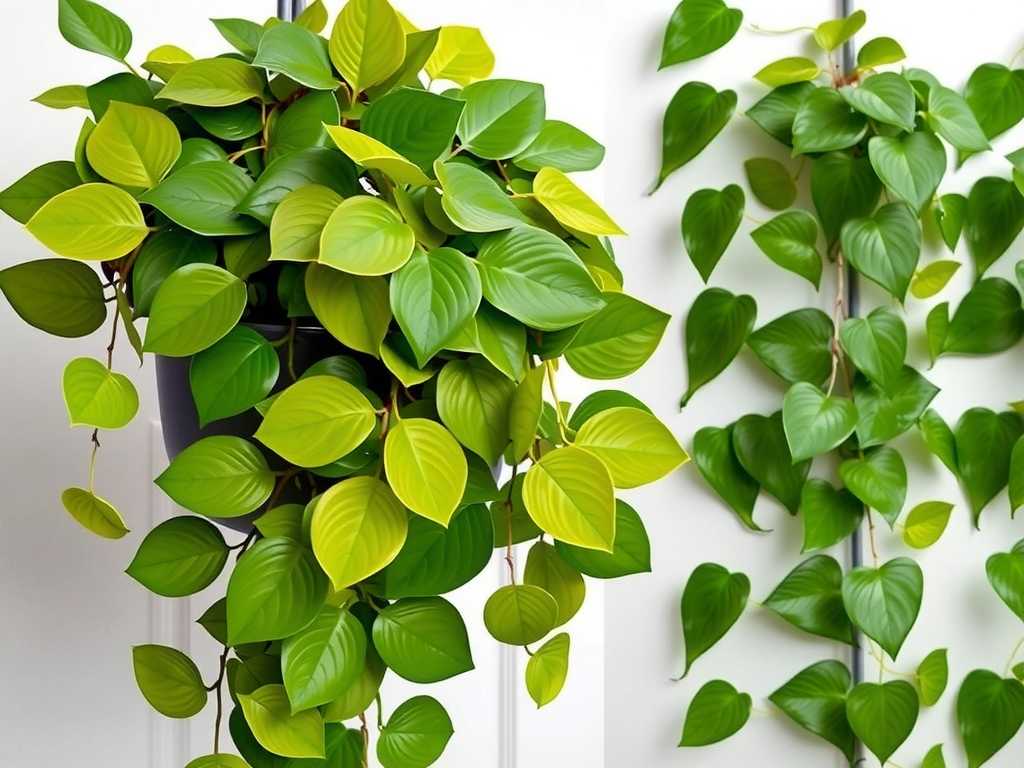
Understanding Your Players: Pothos and Ivy
Before we start planting, it’s crucial to understand the characteristics of each plant. This knowledge is key to choosing varieties that will thrive together, not just survive.
The Versatile Pothos Family Pothos plants are renowned for their resilience and adaptability. They tolerate a wide range of light conditions (though variegation is best maintained in bright, indirect light) and forgive occasional missed waterings. Their stems produce aerial roots that help them cling and trail. For a cascading mix, consider these popular varieties:
- Golden Pothos: The classic, with heart-shaped green leaves splashed with creamy gold.
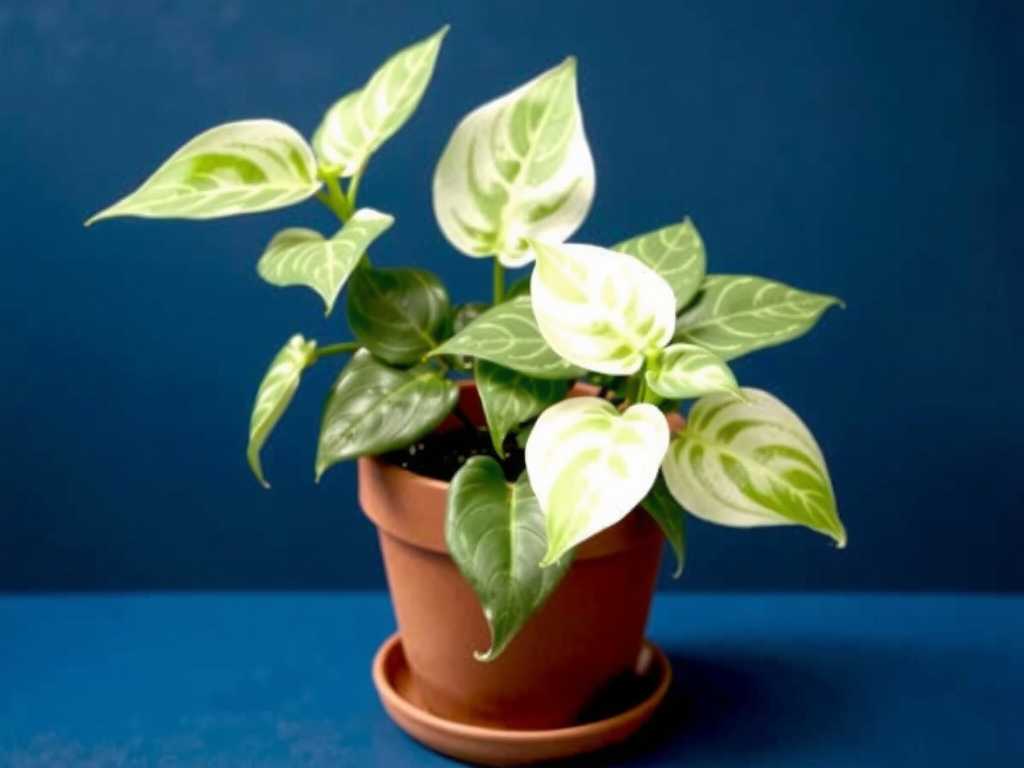
- Marble Queen Pothos: Heavily variegated with white and green, adding bright contrast.
- Neon Pothos: A solid, vibrant chartreuse that acts as a brilliant pop of light.
- Jade Pothos: A deep, solid green that provides a rich, dark backdrop for other leaves.
- Manjula Pothos: Features unique, wavy leaves with creamy white, silver, and green variegation.
The Classic Texture of Ivy Ivy brings an ancient, intricate beauty. It prefers consistently moist (but not soggy) soil and appreciates higher humidity than pothos, though it adapts. Its greatest asset in a mix is its finely detailed foliage.
- English Ivy: The most common, with dark green, pointed lobes.
- Needlepoint Ivy: Has smaller, finer leaves with distinct, sharp points, perfect for delicate texture.
- Glacier Ivy: Variegated with silvery-green centers and white edges, echoing the variegation in some pothos.
- Goldchild Ivy: Features green leaves edged in a bright, buttery yellow.
The Golden Rules for a Harmonious Mix
Successful companion planting is more than just putting two pretty plants in one pot. According to horticulturalist and interior plant design expert, Maria Failla of the “Bloom and Grow Radio” podcast, “The foundation of any mixed container is ensuring compatible care requirements. You can’t have a drama-free display if one plant thirsts for constant moisture and another needs the soil to dry out completely.” This is the core principle for mixing pothos and ivy.
- Compatible Care is Non-Negotiable: Fortunately, pothos and ivy overlap significantly. Both enjoy bright, indirect light. While ivy likes slightly more consistent moisture, a well-draining potting mix and a watering schedule that keeps the soil lightly moist will satisfy both. The key is to avoid letting the pothos suffer from “wet feet” (soggy soil).
- Contrast in Form and Color: Use the broad, flat leaves of pothos against the small, lobed leaves of ivy. Pair a dark Jade Pothos with a variegated Glacier Ivy, or let a neon Pothos shine next to the deep green of a Needlepoint Ivy.
- Consider Growth Rate: Pothos generally grows faster than most ivies. This can be used to your advantage—the pothos can quickly establish the main framework of the cascade, while the ivy gradually fills in with intricate detail.
A Step-by-Step Guide to Creating Your Cascade
Now, let’s build your display. Follow these steps for a guaranteed stunning result.
Step 1: Selecting the Perfect Container Choose a pot with ample drainage holes. A hanging basket or a tall planter that allows vines to spill over the edges is ideal. Ensure it’s large enough to accommodate the root balls of 3-5 starter plants (a mix of pothos and ivy) with a little room to grow. A 10-12 inch pot is a great starting point.
Step 2: Preparing the Ideal Soil Foundation Use a high-quality, well-draining potting mix. A standard indoor plant mix amended with a handful of perlite or orchid bark will provide the aeration that pothos requires and prevent over-saturation for the ivy. This simple step is critical for long-term root health.
Step 3: The Art of Arrangement and Planting This is where your vision comes to life. Don’t just plop the plants in randomly.
- Center Stage: Place the largest or boldest pothos (like a Marble Queen) slightly off-center in the pot for visual interest.
- Mid-Level Fillers: Surround it with other pothos varieties or fuller ivy plants to create a lush base.
- Cascading Elements: Plant your chosen ivy varieties and faster-trailing pothos (like Golden) near the rim of the pot, positioning their stems so they can immediately trail over the side. Gently weave the stems together as you plant to encourage a blended look from the start.
Step 4: Initial Care and Training Water thoroughly after planting until water runs from the drainage holes. Place the arrangement in its intended spot with bright, indirect light. In the first few weeks, gently guide the vines. You can use clear, removable hooks on the wall to direct the initial path of the cascade, or simply rotate the pot weekly so all sides receive even light and fill out.
Maintaining Your Masterpiece
The good news is that your mixed pothos and ivy cascade is low-maintenance.
- Watering: Check the top inch of soil. Water when it feels dry to the touch. The ivy will be your “canary in the coal mine”—if its leaves start to droop slightly, it’s time to water.
- Light: Maintain bright, indirect light to keep variegation vibrant and growth full. Direct hot sun can scorch the leaves of both plants.
- Feeding: During the growing season (spring and summer), feed monthly with a balanced, water-soluble fertilizer diluted to half strength. This provides equal nourishment for both plant types.
- Pruning: This is essential for a dense, beautiful trailing pothos and ivy combination. Regularly pinch back the tips of the fastest-growing vines (often the pothos) to encourage bushier growth at the base. Don’t be afraid to trim any leggy stems. You can propagate these cuttings in water and add them back into the top of the pot for even more fullness.
Troubleshooting Common Issues
Even the best-planned displays can face challenges.
- One Plant Dominating: If the pothos is outgrowing the ivy, be more aggressive with pruning the pothos to redirect energy. Ensure the ivy is getting enough light and water.
- Yellowing Leaves: This is often a sign of overwatering. Check your soil drainage and allow it to dry out more between waterings.
- Sparse Growth: Likely due to insufficient light. Move the arrangement to a brighter location (without direct sun) and continue regular pruning to promote branching.
How often should I water my mixed pothos and ivy planter? There’s no universal schedule. The best method is to check the soil weekly. Insert your finger about an inch deep. If the soil feels dry, water thoroughly until it drains from the bottom. If it still feels moist, wait a few more days. The goal is lightly moist, not soggy, soil.
Can I use other trailing plants with pothos and ivy? Absolutely. For added texture, consider introducing a String of Hearts (Ceropegia woodii) or a Philodendron micans. The key, as Maria Failla emphasizes, remains care compatibility. Ensure any new addition shares similar light and water needs to avoid creating a maintenance headache.
My ivy isn’t thriving like my pothos. What’s wrong? Ivy sometimes struggles in very dry indoor air, which is common in heated or air-conditioned homes. While pothos is more tolerant, ivy may develop brown, crispy leaf edges. Try increasing humidity around the plant by misting it lightly a few times a week, placing it on a pebble tray with water, or using a small humidifier nearby. Also, double-check that it’s not being shaded out by the faster-growing pothos vines.
Creating a stunning indoor cascade is within reach. By selecting complementary pothos and ivy varieties, planting them with intention in the right soil, and providing consistent basic care, you’ll cultivate more than just plants—you’ll create a dynamic, living sculpture. The interplay of golden pothos leaves against the fine, dark green lace of ivy transforms a simple pot into a focal point. Embrace the process, don’t fear a little pruning, and watch as your mixed pothos and ivy arrangement becomes a lush, flowing testament to the beauty of plant pairing.
发表评论