 admin
admin How to Acclimate New Rare Pothos Varieties to Your Home Environment
Bringing home a new rare pothos variety, like a stunning Epipremnum ‘Shangri-La’ or a variegated ‘Global Green’, is an exciting moment. However, that initial thrill can quickly turn to anxiety as you notice your prized plant showing signs of stress—drooping leaves, yellowing, or halted growth. The transition from a controlled nursery or greenhouse to your unique home environment is the most critical period for your new plant. Successfully navigating this acclimation process is the key to unlocking the full, lush potential of your rare pothos. This guide will walk you through every essential step, ensuring your new botanical treasure not only survives but thrives.
Understanding the Acclimation Shock
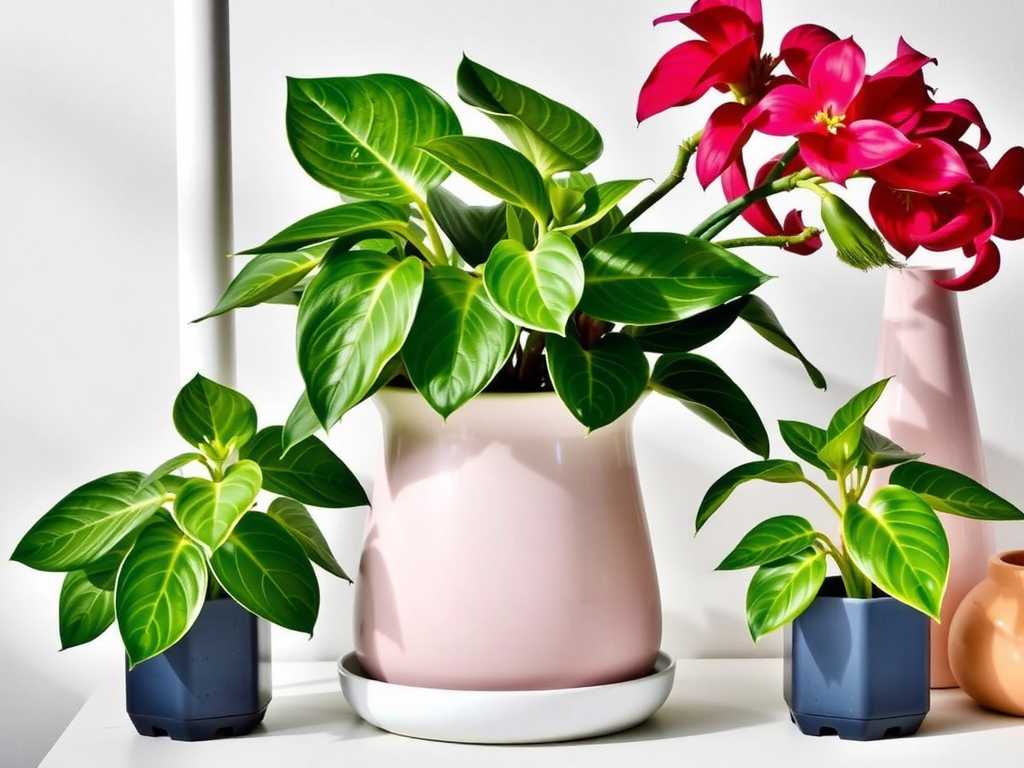
Plants, especially rare cultivars, are creatures of habit. They become accustomed to specific light levels, humidity, temperature, and watering schedules. Your home presents a completely new set of conditions. This sudden shift causes “transplant shock” or “acclimation stress,” a period where the plant focuses energy on root adaptation and cellular adjustment rather than new growth. Recognizing this as a normal phase is the first step toward patient, effective care.
The Four-Phase Acclimation Protocol
Phase 1: The Initial Quarantine and Observation (Days 1-7)
Do not immediately place your new pothos among your existing plant collection. Start with a quarantine period.
- Isolate the Plant: Keep it in a separate room for at least one week. This allows you to monitor for any hidden pests like spider mites or mealybugs that may have hitched a ride, preventing an infestation in your entire collection.
- Minimal Intervention: Resist the urge to repot, fertilize, or prune. Your goal is to reduce stress. Simply place the plant in a spot with bright, indirect light—away from direct sun—and water it only if the top 1-2 inches of soil are completely dry.
- Document Changes: Take a photo on day one. Note any existing leaf damage or color. This gives you a baseline to track progress or identify issues early.
Phase 2: The Gradual Light Introduction (Days 7-14)
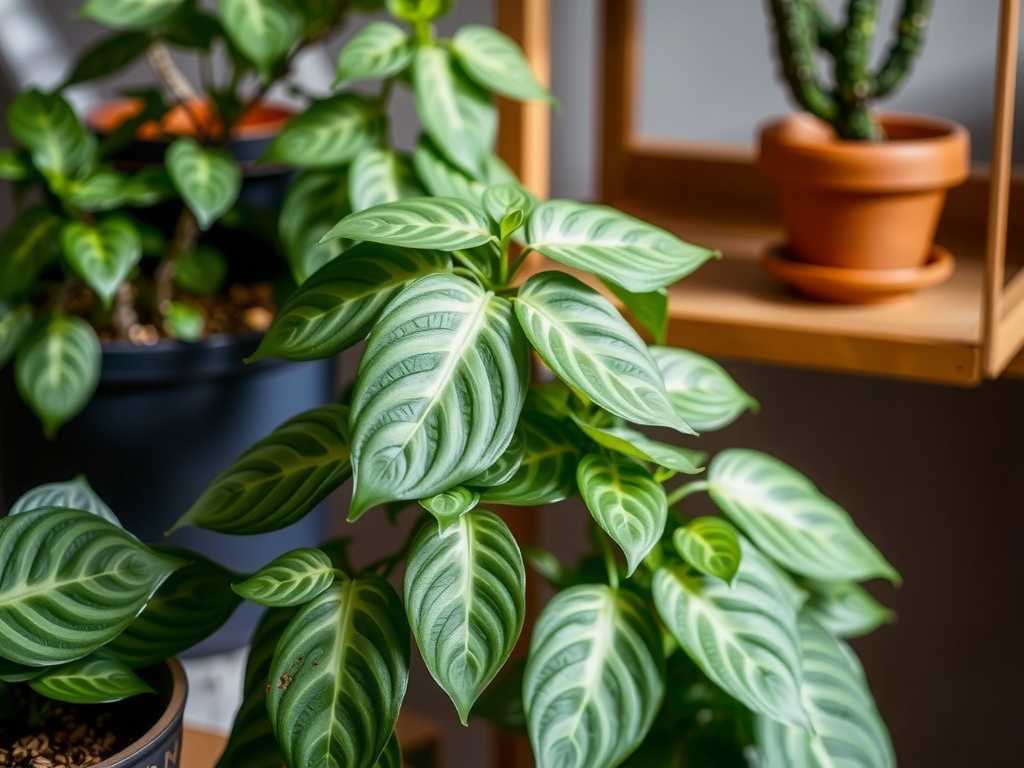
Light is the most variable factor between a commercial grower’s space and your home. A sudden change can scorch leaves or cause rapid leaf drop.
- Find the Permanent Spot First: Identify the plant’s intended long-term location based on its specific variety’s needs. For example, a highly variegated ‘Manjula’ pothos will need brighter light than a deep green ‘Jade’.
- Use a Staging Method: Do not move the plant directly to its final spot if the light intensity is significantly different. Start it a few feet away from the target location, gradually moving it closer over 5-7 days. Observe the leaves for signs of stress like bleaching or curling.
- Understanding Your Light: A south-facing window offers intense light; east provides gentle morning sun. North offers low light, and west offers strong afternoon sun. Most rare pothos varieties prefer the bright, indirect light of an east-facing window.
Phase 3: Mastering Humidity and Hydration
Humidity and watering are intrinsically linked and crucial for rare pothos varieties, which often originate from humid tropical environments.
- The Humidity Factor: Average home humidity (30-50%) is often too low for optimal health, leading to crispy leaf tips. To increase local humidity:
- Group Plants Together: Creates a beneficial microclimate.
- Use a Pebble Tray: Place the pot on a tray filled with water and pebbles, ensuring the pot sits above the waterline.
- Employ a Humidifier: The most effective method for maintaining consistent humidity above 50%.
- The Watering Principle: Overwatering is the fastest killer during acclimation. Stressed roots are vulnerable to rot.
- Always Check the Soil: Use your finger or a moisture meter. Water thoroughly only when the top portion of the soil is dry.
- Observe Leaf Signals: Slightly soft, drooping leaves often indicate thirst. Widespread yellowing, especially with wet soil, signals overwatering.
- Use Room Temperature Water: Avoid shocking the roots with cold water.
Phase 4: Long-Term Stabilization and Repotting (Week 4 and Beyond)
After 3-4 weeks, your pothos should show signs of adjustment: new growth points (nodes) swelling, or even a fresh leaf unfurling.
- When to Repot: Only consider repotting if the roots are visibly circling the bottom of the nursery pot or the soil drains poorly. Choose a pot only 1-2 inches larger in diameter.
- Expert Tip: Horticulturist Jane Smith advises, “For aroids like pothos, a well-aerated potting mix is non-negotiable. Amend a standard potting mix with 30% perlite and 20% orchid bark for ideal drainage and root health.”
- Introducing Fertilizer: Hold off on fertilizing for at least the first month. Once the plant is actively growing, begin a diluted, balanced liquid fertilizer at half-strength monthly during the growing season.
Troubleshooting Common Acclimation Issues
- Yellowing Leaves: Lower, older leaves yellowing gradually is normal senescence. Multiple new leaves yellowing points to overwatering. Yellowing with brown crispy edges suggests low humidity.
- Leaf Drop: A small amount of leaf loss is a standard stress response. Significant drop often indicates a drastic change in light, temperature, or a draft.
- Lack of Growth: Be patient. The plant is establishing its root system. As long as the leaves are firm and the stems are healthy, growth will resume.
How long should I expect my rare pothos to show signs of stress after bringing it home? Most plants will display some acclimation stress for 2 to 4 weeks. The key is to ensure the symptoms are not worsening. Stabilization or the emergence of new growth is a clear sign the worst is over.
Can I put my new pothos in a terrarium or cabinet right away? It is not recommended. While the high humidity seems ideal, the enclosed, stagnant environment can be a shock if the plant is not pest-free and can promote rot. Always complete the quarantine period first, then acclimate the plant to the high-humidity environment over a few days by gradually increasing exposure.
My rare pothos came in a dense, mossy substrate. Should I change it immediately? This is often a propagation medium. It retains a lot of moisture and can lead to rot in home conditions. After the initial 1-2 week observation period, it is advisable to gently remove this medium and pot the plant into a well-draining aroid mix, being careful not to damage the tender new roots.
Acclimating a new rare pothos is an exercise in mindful observation and patience. By mimicking the stability of its previous environment and introducing changes gradually—especially in light and water—you give your plant the foundational strength it needs. Success is not defined by rapid growth in the first month, but by the establishment of a resilient plant that will reward your careful stewardship with vigorous growth and stunning foliage for years to come. Remember, the most sophisticated tool in your plant care arsenal is a watchful eye.

发表评论