 admin
admin How to Choose Pothos Varieties for a Dry Climate Home
Living in a dry climate doesn't mean you have to give up your dream of a lush, green indoor jungle. Many plant enthusiasts face the challenge of low humidity, which can lead to crispy brown leaf tips, drooping vines, and a general sense of disappointment. The good news is that the versatile pothos plant, known for its resilience, offers several varieties that can thrive with less moisture. This guide will help you navigate how to choose pothos varieties for a dry climate home, ensuring you select the toughest, most adaptable vines for your space.
Understanding Pothos and Dry Air
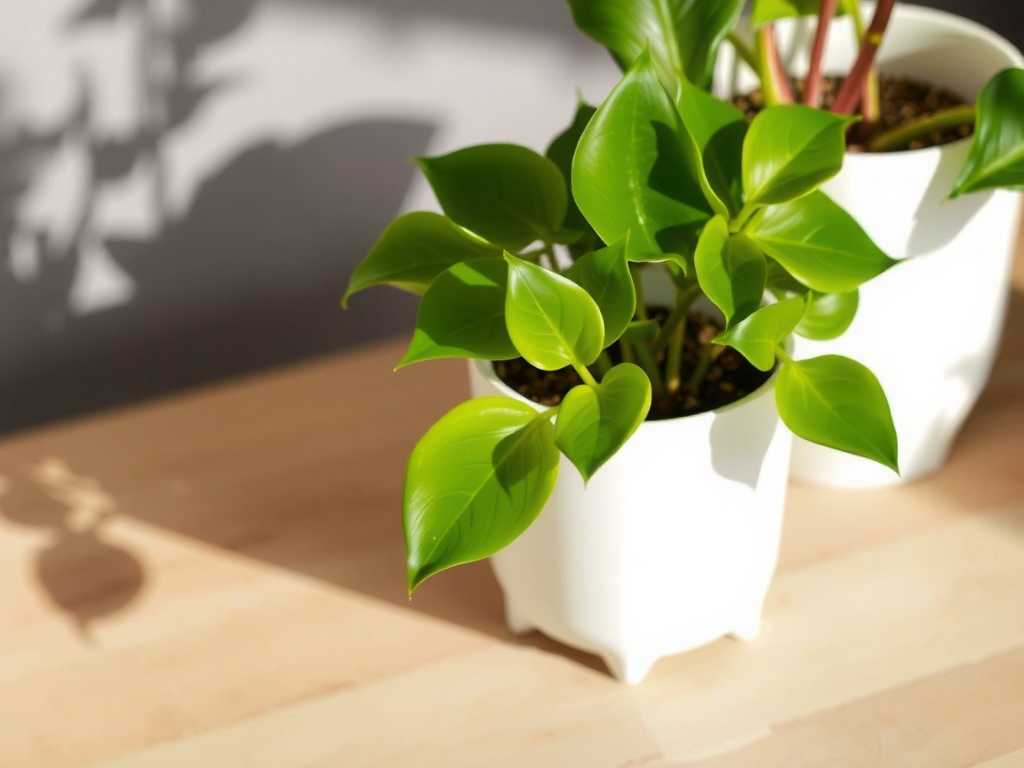
Pothos (Epipremnum aureum) are celebrated as some of the best low-maintenance houseplants. Their reputation for surviving in various conditions is well-earned, but not all pothos are created equal when it comes to arid environments. Dry air accelerates transpiration, where plants lose water through their leaves. Varieties with thicker, waxier foliage are naturally better equipped to slow this water loss, making them ideal candidates for your home.
Before choosing, assess your specific indoor climate. Use a hygrometer to check the average humidity levels in the rooms where you plan to place your plants. While most homes in dry climates sit between 30-40% humidity, some rooms, like bathrooms or kitchens, might have slightly higher levels.
Top Pothos Varieties for Low Humidity
When selecting plants for dry air, prioritize varieties known for their drought-tolerant traits. Here are the top performers.
Jade Pothos: The Unfussy Champion
The Jade Pothos is arguably the best pothos for dry climates. Its solid, deep green leaves are thicker and more leathery than many other types. This robust foliage has a lower surface area relative to its volume, which minimizes moisture loss. Jade Pothos is incredibly forgiving, bouncing back quickly even if you occasionally forget to water it. It maintains its vibrant green color well in moderate to bright indirect light, requiring less frequent care than its variegated cousins.
Golden Pothos: The Classic and Adaptable
The classic Golden Pothos is another excellent choice. Its heart-shaped leaves, marbled with yellow or cream variegation, are moderately thick and adapt well to average household humidity. While it appreciates a bit more moisture than the Jade variety, it's still remarkably resilient. The key is to allow the soil to dry out completely between waterings. Its vigorous growth habit means it will quickly trail or climb, adding a significant green impact to your space with minimal fuss.
Pearls and Jade Pothos: The Slower, Sturdy Grower
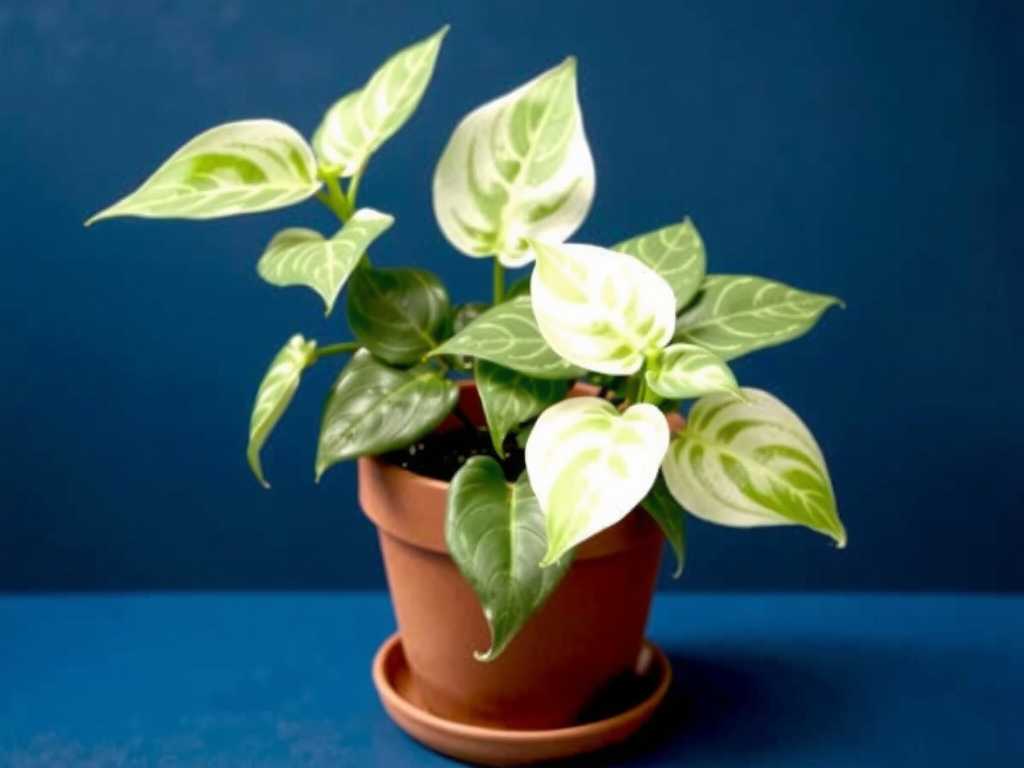
A cultivar similar to Marble Queen, Pearls and Jade Pothos features green leaves speckled and edged in white and silvery-gray. It tends to grow slower than Golden or Jade pothos, which can be an advantage in a dry climate. Slower growth often translates to lower water requirements. Its leaves are firm, and its compact growth habit makes it a great choice for shelves or smaller spaces where consistent, high humidity is harder to maintain.
Cebu Blue Pothos: The Textural Powerhouse
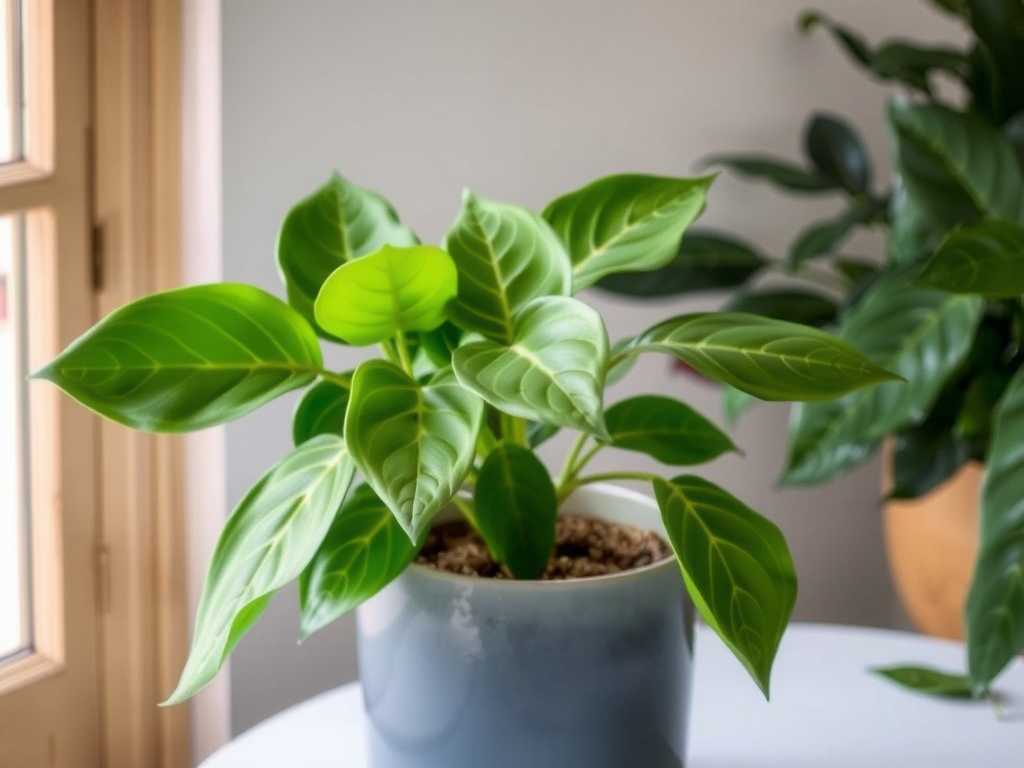
For something different, consider the Cebu Blue Pothos. While technically a different species (Epipremnum pinnatum), it's cared for like a standard pothos. Its leaves are long, narrow, and have a distinctive silvery-blue metallic sheen when mature. The leaf texture is often denser, helping it retain moisture. It adapts well to indoor conditions and its unique appearance adds sophisticated texture to any collection suited for drier air.
Varieties to Approach with Caution
Some pothos varieties, while beautiful, require extra attention in arid environments.
Marble Queen and Snow Queen Pothos: These stunning white-variegated plants have less chlorophyll in their large white leaf sections. This means they grow slower and can be more sensitive to dry air, often showing brown edges more readily. They need brighter light and more consistent (but not excessive) watering to thrive.
Neon Pothos: Its stunning bright chartreuse leaves are thinner. In very dry air, the leaves may curl or crisp at the edges more quickly than darker-green varieties. It can succeed with careful placement away from direct air vents and more attentive watering.
Care Tips to Help Any Pothos Thrive in Dry Air
Choosing the right variety is the first step; optimizing your care routine is the second. These practices will create a supportive microclimate.
Master the Watering Technique
Overwatering is a greater threat than underwatering for pothos in dry climates. Always check the soil moisture before watering. Insert your finger about two inches into the potting mix. If it feels dry, it's time to water thoroughly until water runs out of the drainage holes. Then, let the soil dry out almost completely before the next watering. This cycle encourages strong root growth and prevents rot.
Optimize Potting and Soil
Terracotta or clay pots are ideal for dry climates because they are porous, allowing soil to dry more evenly and preventing water from being trapped. Ensure every pot has a drainage hole. Use a well-draining, chunky potting mix. A standard houseplant soil amended with perlite or orchid bark (about a 30% mix) improves aeration and drainage, mimicking the plant's preferred conditions.
Strategic Placement is Key
Avoid placing your pothos directly in front of heating or cooling vents, fireplaces, or drafty windows. The constant blast of dry air will quickly dehydrate the leaves. Instead, choose spots with stable temperatures and bright, indirect light. Grouping plants together can create a localized pocket of slightly higher humidity as they release moisture through transpiration.
Humidity Boosts Without a Humidifier
If you don't want to run a humidifier, there are simple tricks. Placing your pothos pot on a wide, shallow tray filled with pebbles and water (ensuring the pot sits above the water line) creates evaporative moisture. Occasionally misting the leaves can provide temporary relief, but it's not a long-term solution. For sensitive varieties, occasional gentle showers in the sink can rinse dust and hydrate leaves.
Expert Insight on Plant Adaptation
Horticulturist Dr. Linda Chalker-Scott notes, "Plants don't 'adapt' to low humidity in the short term; they either possess pre-existing xerophytic traits—like thicker cuticles or succulent leaves—or they suffer. Selecting species with these inherent traits is always more successful than trying to alter the environment drastically." This underscores the importance of your initial choice: picking a pothos variety already equipped for drier conditions sets you up for success.
Can I grow any pothos in a dry climate if I use a humidifier? Yes, using a humidifier effectively raises the ambient humidity, allowing you to grow more sensitive varieties like Marble Queen. However, for simplicity and energy efficiency, starting with a naturally resilient variety like Jade Pothos is often more sustainable.
How often should I water my pothos in a dry, hot climate? There is no fixed schedule. Watering frequency depends on pot size, soil type, light, and temperature. The "finger test" is your most reliable guide. In hot, dry summers, you may water weekly, while in cooler winters, it might be every 2-3 weeks. Always prioritize soil dryness over a calendar.
Why are the tips of my pothos leaves turning brown even though I water it? Brown tips in dry climates are typically a sign of low atmospheric humidity, not necessarily underwatering. It can also be caused by salts and minerals in tap water. Try using filtered or distilled water, ensure you're not over-fertilizing, and employ pebble trays to gently increase local humidity.
Creating a thriving indoor oasis in a dry climate is entirely possible with the right plant choices and care adjustments. By focusing on robust varieties like Jade, Golden, or Cebu Blue Pothos, you leverage their natural strengths. Pair your selection with mindful watering, proper potting, and smart placement, and you'll enjoy the cascading beauty of healthy pothos vines. Remember, success lies in working with your environment, not against it. Start with one resilient variety, master its care, and watch your confidence—and your collection—grow.

发表评论