 admin
admin How to Identify Fake Pearls and Jade Pothos in the Market: Your Definitive Guide
Have you ever fallen in love with a beautiful string of pearls or a stunning variegated Jade Pothos, only to discover later you were sold a clever imitation? The disappointment of realizing your prized purchase isn't genuine is a frustrating experience shared by many plant and jewelry enthusiasts. In today's market, where convincing fakes abound, knowing how to identify fake pearls and Jade Pothos has become an essential skill. This guide will equip you with practical, expert-backed methods to distinguish the real from the replica, ensuring your money is well-spent on authentic treasures.
Understanding the value of authenticity is the first step. Genuine pearls, whether natural or cultured, are organic gems formed by mollusks, carrying a unique luster and weight. A true Jade Pothos, specifically the 'Marble Queen' or 'Pearls and Jade' cultivars, boasts a specific, stable pattern of green and white variegation. Counterfeits not only lack the inherent value and beauty of the real thing but can also be made with materials or plants that cause skin irritation or simply fail to thrive.
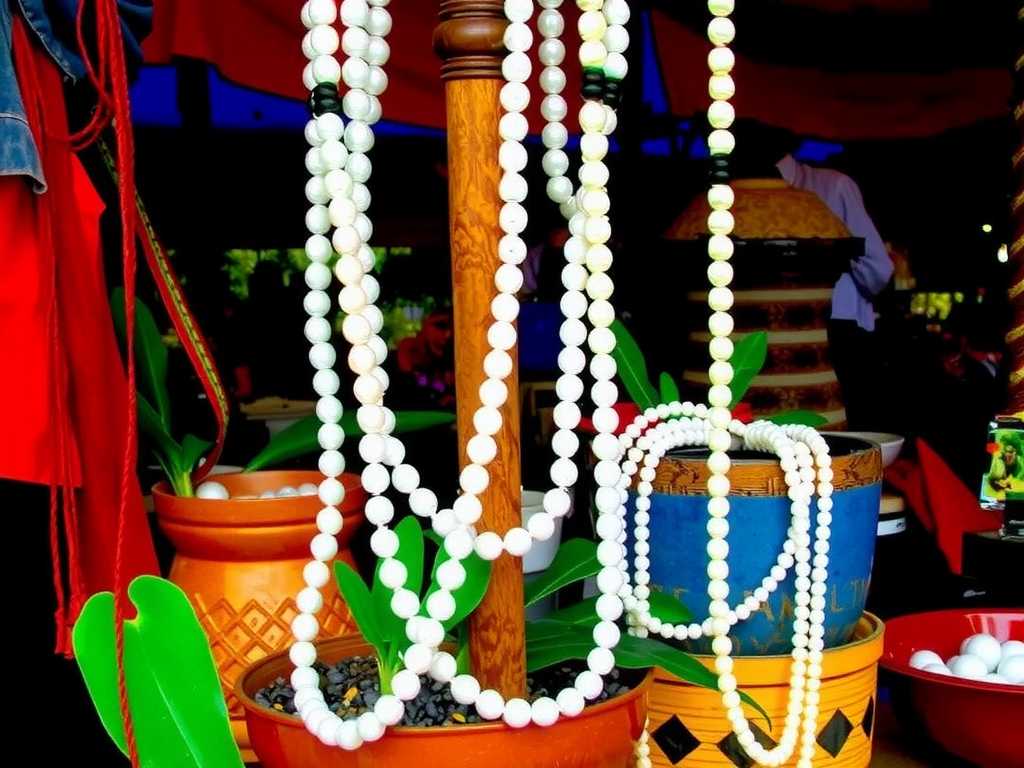
The Telltale Signs of Fake Pearls
Pearls have been imitated for centuries, from old-world glass to modern plastics. Here’s how to spot the fakes.
Examine the Surface and Luster
A genuine pearl's surface is rarely perfect. Hold it under a magnifying glass and look for minor ridges, bumps, or slight irregularities—these are signs of natural growth. Fake pearls, often made of coated glass or plastic, will have an unnaturally smooth, flawless surface. More importantly, observe the luster. Real pearls emit a deep, radiant glow that seems to come from within, reflecting light softly. Imitations have a surface shine that appears flat, chalky, or overly glossy, like paint.

Perform the Tooth Test
This is a classic, simple method. Gently rub the pearl against the edge of your front tooth. A real pearl will feel slightly gritty or sandy due to its crystalline nacre structure. A fake pearl will feel perfectly smooth. Remember to clean the pearl first and apply minimal pressure to avoid damage.
Check for Uniformity and Drill Holes
Nature doesn't produce perfect matches. In a strand of real pearls, you will notice subtle variations in shape, size, and overtone. A strand of fakes will look monotonously identical. Also, inspect the drill holes. In genuine pearls, the hole will be neat, and you may see a slight chip at the edge, revealing the concentric layers of nacre. In a coated fake, the coating may be peeling around the hole, or you might see a different colored material underneath.
Understand Weight and Temperature
Real pearls have a satisfying, substantial weight for their size, a quality known as "heft." Many plastic imitations feel suspiciously light. Furthermore, pearls are organic and take time to warm up when held against your skin. Glass or plastic fakes will adjust to body temperature much faster.
Spotting a Fake Jade Pothos or Mislabeled Plant
In the plant world, "fake" often refers to mislabeled or unstable variegation. The sought-after Jade Pothos with authentic variegation is often confused with other types.
Analyze the Variegation Pattern
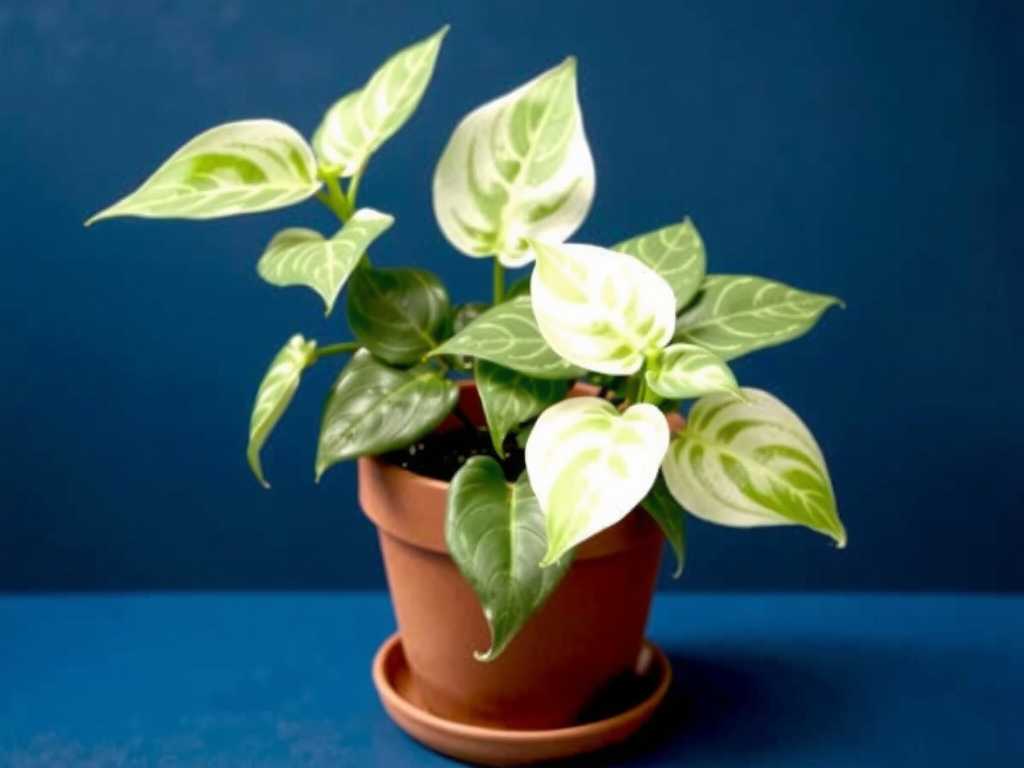
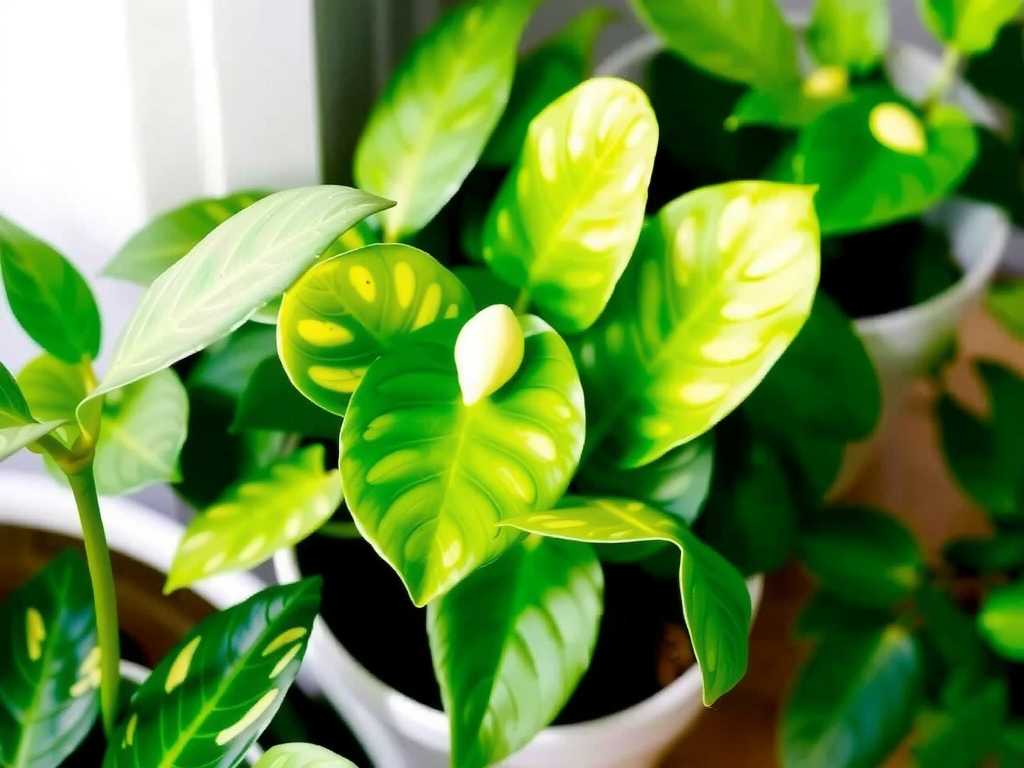
This is the most critical factor. A true 'Pearls and Jade' or 'Marble Queen' Pothos has a distinct, chaotic mix of green, white, and sometimes grayish-green. The variegation is marbled and speckled, with the colors blending into each other in smaller, irregular patches. Be wary of plants sold as these cultivars that show large, solid blocks of pure white and pure green. This is often a sign of a highly unstable variegation that may revert to all-green. According to horticultural experts, stable variegation in these cultivars is integrated throughout the leaf tissue, not just on the surface.
Inspect the Stems and Growth Points
Look at the stems and new growth. On an authentic variegated Pothos, the stems themselves will show streaks of white or lighter color. The new, unfurling leaves should display variegation immediately. If the stems are entirely green and new leaves emerge solid green, the plant is likely reverting or is not a true, stable variegated cultivar to begin with.
Be Wary of "Too Good to Be True" Prices
A mature, fully variegated 'Marble Queen' or 'Pearls and Jade' Pothos commands a higher price due to its slower growth rate. If a large, beautifully variegated plant is being sold at the same price as a common Golden Pothos, it's a major red flag. It might be a painted plant, a chemically treated one, or a case of severe mislabeling.
Purchase from Reputable Sources
The easiest way to ensure you get a genuine Pearls and Jade plant is to buy from established, reputable nurseries or specialized plant sellers. They have a reputation to uphold and are more likely to provide accurate botanical names. Avoid impulse buys from general retailers who may not have horticultural expertise.
Can a jeweler or a gardener help me verify authenticity?
Absolutely. For pearls, a certified gemologist can perform definitive tests using specialized tools like a loupe, microscope, or even X-ray to see the internal structure. For your Pothos, taking a clear photo to a trusted local nursery or consulting with experienced botanists in online gardening forums can provide a reliable identification based on the specific leaf patterns and growth habits.
Are there any quick tests I can do at a market?
For pearls, the tooth test and luster check are your best on-the-spot tools. For a Pothos, closely examine the variegation pattern and the stem color. If the white parts on the leaves look painted, feel waxy, or rub off, it's a fake. Also, check the soil and roots; a recently painted or treated plant may show signs of stress.
What's the biggest mistake people make when buying these items?
The biggest mistake is prioritizing perfect appearance over natural character. Buyers often choose the strand of pearls that is flawlessly uniform or the Pothos with the largest white sections, not realizing that these traits are hallmarks of imitation and instability, respectively. Embracing the subtle imperfections of natural pearls and the integrated, speckled variegation of a true Jade Pothos is key to finding the real thing.
Armed with these practical techniques, from the simple tooth test to a careful analysis of leaf patterns, you can shop with confidence. Remember, authentic pearls carry the unique fingerprint of the sea, and a genuine variegated Jade Pothos grows with a stable, marbled beauty. By focusing on luster over shine, natural variation over perfect uniformity, and buying from trusted sources, you can ensure your collection is built on a foundation of genuine quality. Let your knowledge be the best tool against imitation.

发表评论