 admin
admin How to Transport Rare Pothos Varieties Without Damaging Them
The heart-stopping moment when you finally secure that coveted, high-value pothos—a stunning Manjula with its creamy variegation, a luminous Global Green, or a delicate Jessenia—is quickly followed by a wave of anxiety. How do you get this precious plant from point A to point B without a single leaf turning yellow, a stem snapping, or that perfect variegation getting bruised? The fear is real. A successful move isn't just about survival; it's about ensuring your rare pothos arrives in pristine condition, ready to thrive in its new home. This guide is your comprehensive roadmap, detailing every critical step to transport rare pothos varieties safely, whether you're moving across town or receiving a shipment from across the country.
Understanding the Risks: Why Rare Pothos Need Extra Care
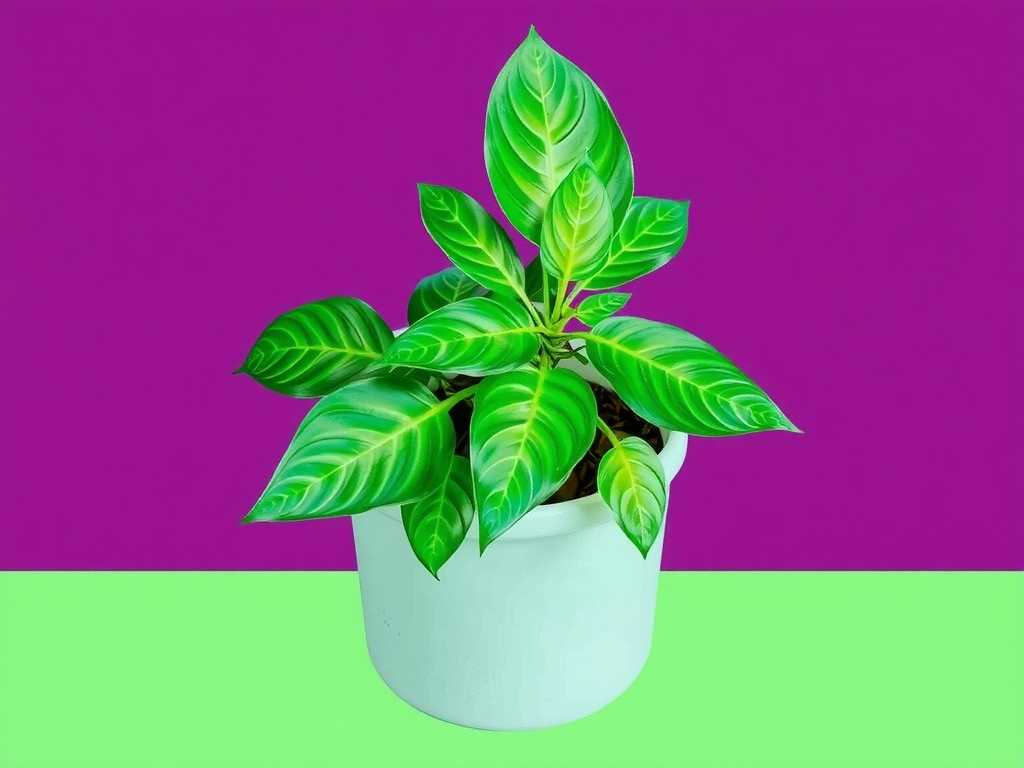
Before packing a single leaf, it's crucial to understand what we're protecting against. Rare pothos varieties often have more sensitive foliage due to their unique genetics. The extensive white or cream variegation on a Snow Queen or Marble Queen Pothos, for instance, contains less chlorophyll, making those sections more prone to physical damage and browning. Delicate stems on trailing varieties like the Harlequin Pothos can snap easily. The primary threats during transport are physical shock, extreme temperatures, low humidity, and prolonged darkness.
Pre-Transport Preparation: The Foundation of Success
A safe journey begins days before the move. Rushing this stage is the most common cause of failure.
Acclimate and Assess Your Plant About a week before the move, place your pothos in a location similar to the light conditions it will experience during transit (typically lower light). This reduces stress. Conduct a thorough health check. Do not transport a plant that is already stressed, infested with pests, or suffering from root rot. Address any issues first.
Watering Strategy: The Goldilocks Principle Watering is a delicate balance. Your goal is soil that is lightly moist, not soggy or bone dry. Water your pothos 2-3 days before transport. This allows excess water to drain, preventing waterlogged soil which can lead to root rot in a dark, stagnant box. Conversely, completely dry soil will dehydrate the roots. As noted by horticulturist Jane Smith in The Indoor Plant Journal, "Transport stress is compounded by hydraulic stress. Aim for a stable, slightly moist root ball to give the plant a reservoir without drowning it."
Strategic Pruning and Support Gently gather long vines and loosely coil them. Use soft plant ties or twine to secure them to themselves, not too tightly. This prevents tangling and breakage. Consider trimming excessively long or fragile vines. You can propagate these cuttings separately, ensuring you have a backup if the worst happens.
The Packing Protocol: Creating a Mobile Microclimate
Packing is where you build a protective fortress for your plant. The materials you choose are key.
Essential Packing Materials Checklist
- Sturdy Box: Select a box that is 3-4 inches taller and wider than the plant's foliage.
- Internal Support: Bamboo stakes or lightweight wooden dowels.
- Cushioning: Tissue paper, unprinted newsprint, or packing paper. Avoid shredded materials that can tangle.
- Stabilization: Plastic wrap or a secure plastic bag for the pot.
- Insulation & Humidity: Bubble wrap (for external box insulation) and a small, sealed plastic bag with a damp paper towel.
- Ventilation: A handheld hole punch or scissors.
Step-by-Step Packing Instructions
- Secure the Pot: Wrap the pot and soil surface tightly with plastic wrap or place the entire pot in a secure plastic bag, tying it at the base of the stems. This prevents soil spillage.
- Create a Support Structure: Insert 3-4 bamboo stakes into the soil around the perimeter of the pot. They should be taller than the plant.
- Protect the Foliage: Gently wrap individual leaves or small vine sections with tissue paper. For the entire canopy, create a loose "tent" of packing paper around the supported plant.
- Box and Cushion: Place the pot in the center of the box. Crumple packing paper and create a solid base around the pot, ensuring it cannot tip. Fill all empty space between the plant tent and the box walls with more crumpled paper to eliminate movement.
- Regulate the Environment: Tape the small bag with the damp paper towel to the inside top of the box. Do not let it touch the plant directly. This provides a humidity boost.
- Finalize and Label: Close the box and punch 4-5 small ventilation holes on each side. Clearly mark "LIVE PLANT," "FRAGILE," "THIS SIDE UP," and "KEEP FROM EXTREME TEMPERATURES" on all sides.
During Transit: Mitigating Environmental Stress
Your role doesn't end once the box is sealed.
Choosing the Right Time and Method If moving personally, transport plants in your climate-controlled vehicle. Never leave them in a parked car, especially in direct sun or freezing cold. For shipping, choose expedited services to minimize time in transit. Avoid shipping around weekends or holidays.
Environmental Control Maintain a stable, moderate temperature. The ideal range for transporting sensitive houseplants like rare pothos is between 60°F and 75°F (15°C - 24°C). Shield the box from direct sunlight, wind, and rain. If you are the courier, make the plant your last pickup and first delivery.
Post-Transport Recovery: The Critical Unboxing and Acclimation
How you reintroduce your plant to the world is as important as the journey itself.
Immediate Unboxing and Inspection Unbox your pothos as soon as it arrives. Remove all packing materials carefully. Inspect for any physical damage, but resist the urge to prune immediately unless there are broken stems. Check the soil moisture.
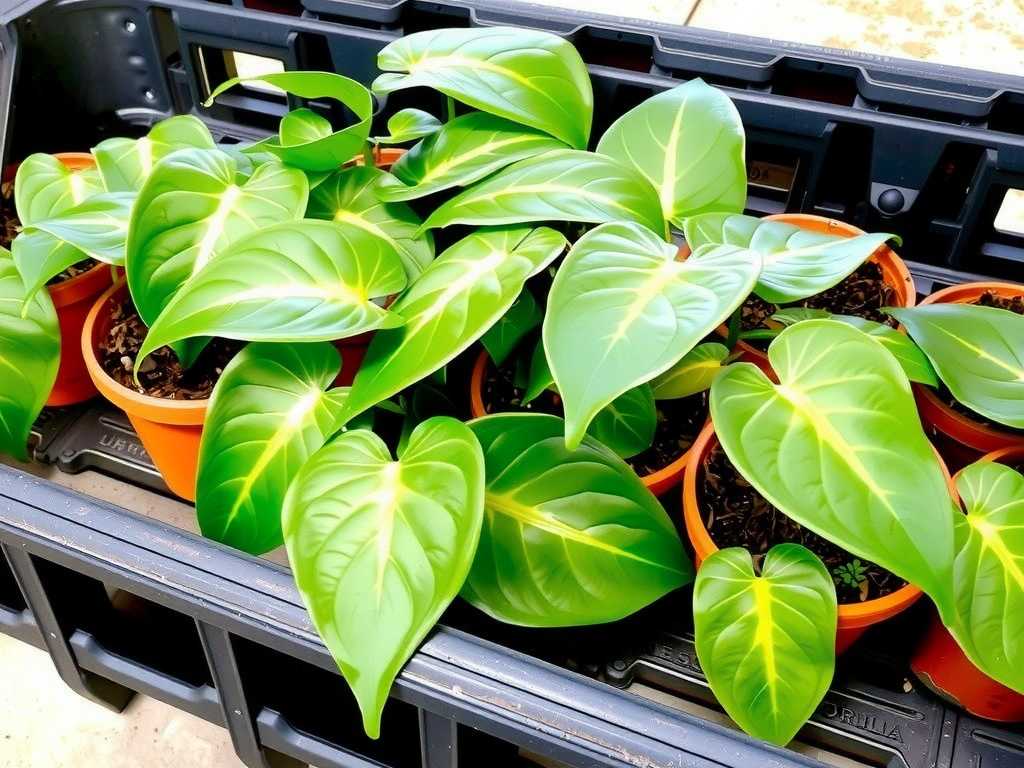
The Acclimation Process Place your pothos in a spot with bright, indirect light—avoid direct sun which can shock it. Maintain normal room temperature and humidity. Wait 5-7 days before resuming your regular watering schedule, allowing the plant to signal its needs. Hold off on fertilizing for at least one month.
Addressing Common Post-Transport Issues
- Drooping Leaves: This is normal shock. Maintain stable conditions and it should perk up in a few days.
- Yellowing Leaves: Could be due to overwatering pre-transit or shock. Ensure the pot drains well and adjust your watering.
- Leaf Loss: A small amount is typical. Significant loss may indicate severe stress or root issues.
How long can a pothos survive in a box during shipping? Most healthy pothos can tolerate 3-7 days in a properly prepared box. The key factors are pre-transplant health, stable temperature, and adequate humidity within the packaging. Always opt for the fastest shipping method possible for rare plant varieties.
Is it safe to ship plants in winter or summer? It carries significant risk. Insulation (like bubble wrap lining the box) is mandatory. Use heat packs (winter) or cool packs (summer) designed for plant shipping, but ensure they are properly wrapped to prevent direct contact with the plant or moisture. Many experienced shippers recommend a "shipment hold" during extreme weather.
Should I repot my pothos right after it arrives? Absolutely not. Repotting adds immense stress on top of transport stress. Allow your pothos to fully acclimate to its new environment for at least 3-4 weeks, or until you see clear signs of new growth, before even considering a repot.
Transporting your rare pothos successfully is a testament to careful planning and gentle execution. By understanding the unique needs of these variegated treasures, preparing them diligently, constructing a secure microclimate, and guiding them through a gentle recovery, you dramatically increase the odds of a flawless transition. The effort you invest in moving delicate pothos plants securely pays off every time you look at your healthy, thriving specimen in its new home. With this knowledge, you can confidently expand your collection, knowing you have the expertise to bring each new rare find safely to your doorstep.

发表评论