 admin
admin How to Care for Manjula Pothos to Boost Its Variegation
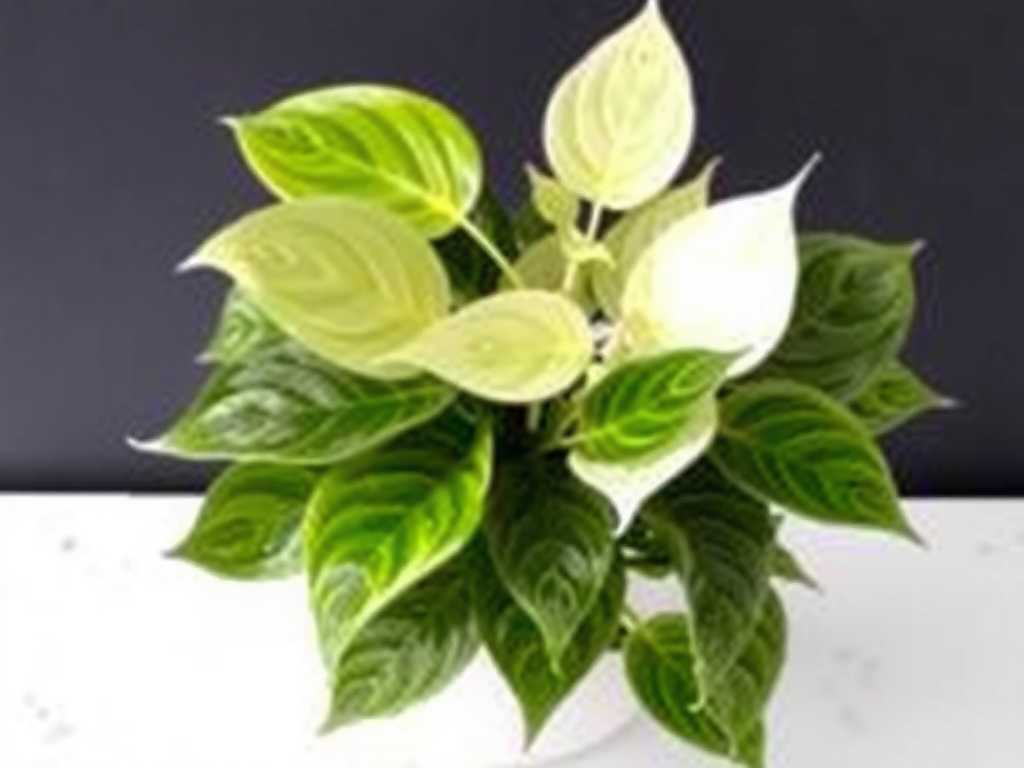
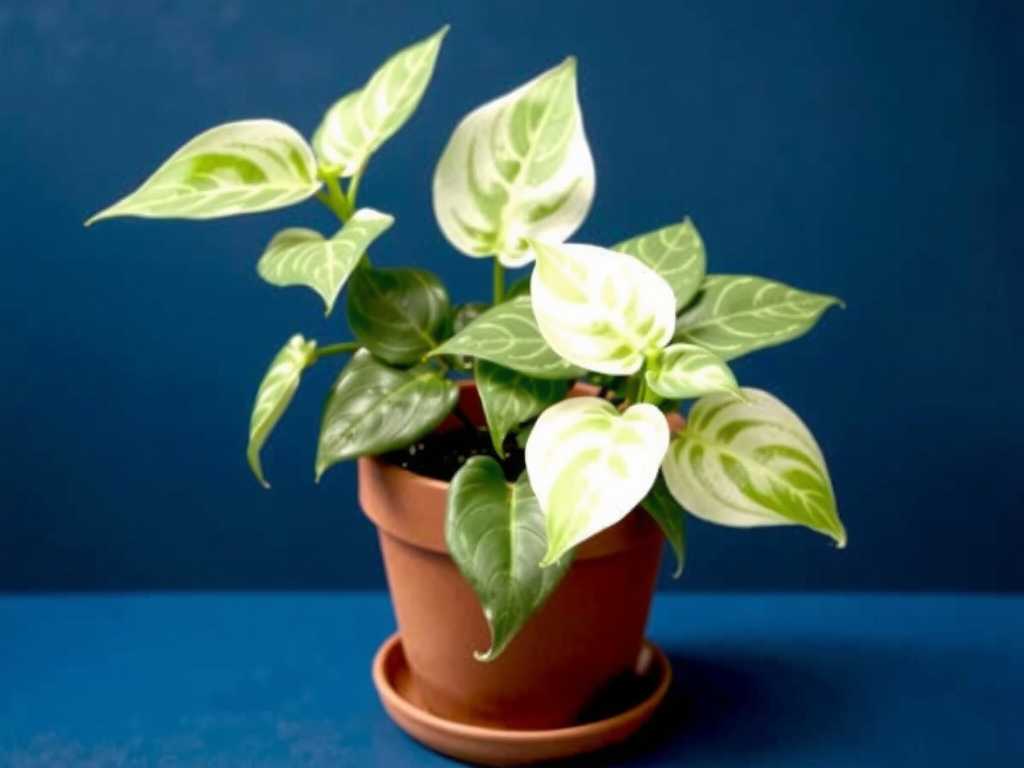
You’ve brought home a stunning Manjula pothos, captivated by its unique, painterly leaves splashed with cream, silver, and green. But over time, you notice a worrying trend: the new leaves seem smaller, and the spectacular white and cream variegation is fading, giving way to more solid green. This loss of variegation is the most common frustration for Manjula pothos owners. The good news? It’s almost always a signal from your plant about its care, not a permanent change. With the right adjustments, you can encourage your Manjula to produce those highly variegated, show-stopping leaves it’s famous for.
Understanding variegation is the first step to preserving it. In plants like the Manjula pothos, variegation is caused by a lack of chlorophyll (the green pigment) in certain cells of the leaf. Those beautiful white and cream sections cannot produce energy for the plant. This means the green parts have to work harder. If the plant feels it isn’t getting enough light to fuel its growth, it may start producing more green leaves to survive, as they are more efficient at photosynthesis. Your goal is to provide care that supports the plant’s overall health while convincing it that it has enough resources to “afford” those stunning, less-efficient variegated sections.
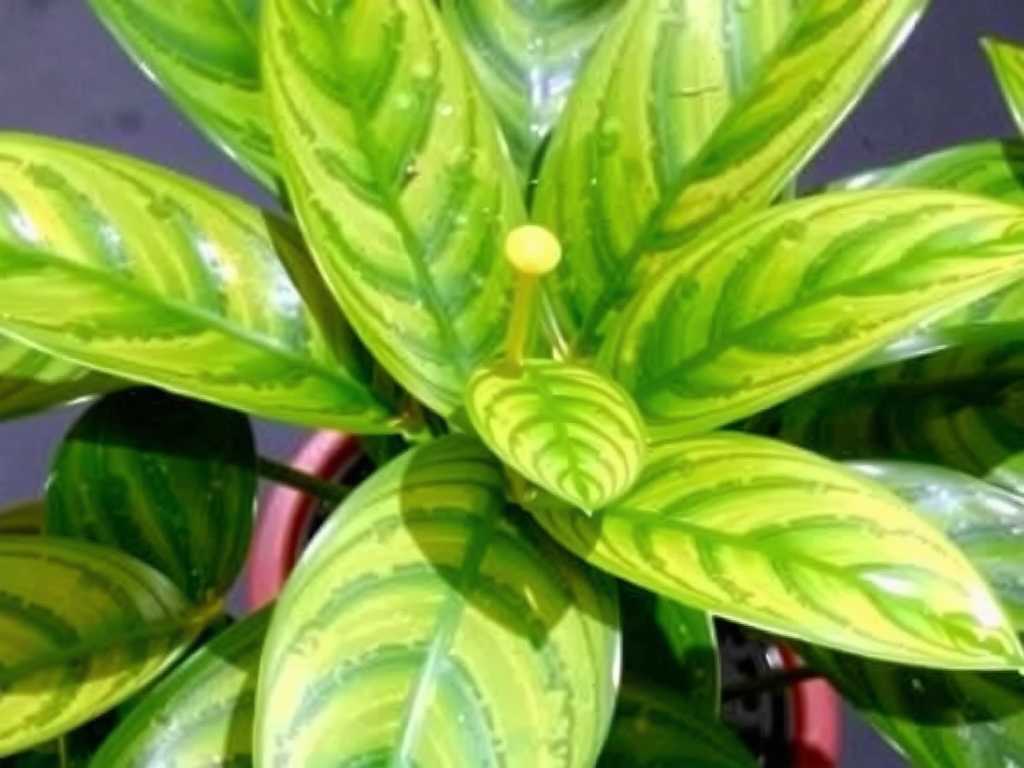
Provide Bright, Indirect Light (The Most Critical Factor)
Light is the single most important factor in maintaining and boosting Manjula pothos variegation. This plant needs significantly more light than its solid green cousin, the Golden Pothos, to sustain its colorful patterns.
Aim for a spot with plenty of bright, indirect light for most of the day. An east-facing window is often ideal, providing gentle morning sun. A few feet back from a south or west-facing window, shielded by a sheer curtain, also works perfectly. The key is to avoid direct, harsh afternoon sun, which can scorch the delicate, pale parts of the leaves, causing brown, crispy tips and spots.
How do you know if it’s getting enough light? Observe the growth. Leggy stems with large gaps between leaves (internodal spacing) and a rapid increase in all-green leaves are clear cries for more light. On the other hand, if the leaves are pale, washed out, or developing brown scorch marks, it’s likely getting too much direct sun. As noted by horticulturist and author Jane Perrone in her studies of aroid care, “Variegated plants are essentially balancing an energy budget. The less chlorophyll, the greater their light dependency to maintain growth and pattern stability.”
Water Wisely to Avoid Stress
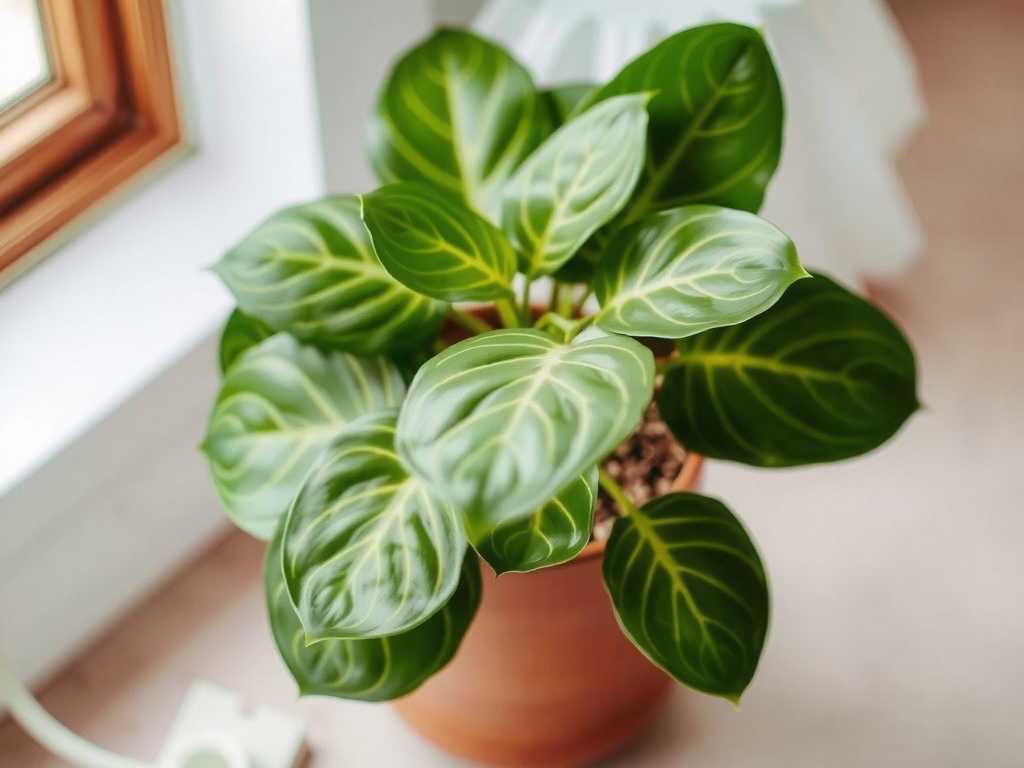
Inconsistent watering stresses any plant, and a stressed Manjula pothos is more likely to revert to solid green growth. The goal is to keep the soil evenly moist but never soggy.
The best practice is the “finger test.” Insert your finger about two inches into the soil. If it feels dry at that depth, it’s time to water. Water thoroughly until it runs freely from the drainage holes, ensuring the entire root ball is hydrated. Then, allow all excess water to drain away completely. Never let the plant sit in a saucer of water, as this leads to root rot—a surefire way to cause leaf yellowing, drop, and overall decline.
During the active growing season (spring and summer), you may need to water once a week. In fall and winter, when growth slows and light levels drop, watering frequency should be reduced, potentially to every two weeks or less. Always let the soil condition, not the calendar, guide you.
Optimize Fertilization for Balanced Growth
While Manjula pothos are not heavy feeders, providing gentle nutrients during the growing season supports robust growth, which includes the development of well-variegated new leaves. However, over-fertilizing can harm the roots and cause fertilizer burn, manifesting as brown leaf edges.
Use a balanced, water-soluble houseplant fertilizer (such as a 10-10-10 or 20-20-20 formula) diluted to half the recommended strength. Apply this monthly from early spring through early fall. Do not fertilize during the late fall and winter months when the plant is semi-dormant. This gentle feeding schedule provides the building blocks for new growth without the risk of chemical buildup in the soil.
Maintain Warmth and Moderate Humidity
As tropical plants, Manjula pothos thrive in stable, warm environments with moderate humidity. They prefer temperatures between 65°F and 85°F (18°C - 29°C). Avoid placing them near cold drafts, air conditioning vents, or heating ducts, as sudden temperature fluctuations can shock the plant.
While they can tolerate average household humidity, increasing it can promote larger, healthier leaves and may support better variegation. You can boost humidity by placing the pot on a pebble tray filled with water (ensuring the pot sits above the waterline), grouping it with other plants, or using a room humidifier. Misting the leaves is a temporary solution but is less effective and can promote fungal issues if done excessively.
Prune Strategically to Encourage Variegation
Pruning is a powerful tool to direct your Manjula’s energy. If you notice a stem is producing several all-green leaves in a row, it’s time to intervene. This reversion can sometimes dominate a vine.
Using clean, sharp scissors or pruning shears, cut the stem back to just above a leaf that shows good variegation. This encourages the plant to branch out from that point, and the new growth has a higher chance of following the variegated pattern of the leaf it sprouted from. Don’t be afraid to prune; pothos are very resilient and respond with bushier growth.
When and How to Repot
A root-bound Manjula may slow its growth and variegation. Repot every 1-2 years in the spring, moving to a pot only 1-2 inches larger in diameter. Use a well-draining, aerated potting mix. A standard houseplant soil amended with perlite or orchid bark works well to prevent compaction and ensure good drainage around the roots.
When repotting, you can also take the opportunity to divide a large plant or take cuttings to propagate, ensuring your most variegated stems are used to create new plants.
Can I put my Manjula pothos in direct sun to increase variegation? No, direct sun, especially hot afternoon sun, is harmful. It will scorch the leaves, causing irreversible brown burns, particularly on the delicate white areas. The goal is bright, indirect light. Think of a spot that is brightly lit all day but where the sun’s rays never directly touch the foliage.
I’ve moved my plant to a brighter spot, but new leaves are still coming in green. What now? Patience is key. The existing green leaves will not change color. The plant must produce entirely new growth from points exposed to the new light conditions. Ensure the brighter light is consistent and give it several weeks. Combine this with strategic pruning of reverted stems to redirect the plant’s energy. The next set of leaves should show improvement.
Is a grow light a good option for boosting Manjula pothos variegation? Absolutely. A quality full-spectrum LED grow light is an excellent solution for homes with limited natural light. It provides the consistent, bright light the plant craves without the risk of sunburn. Place the light 6-12 inches above the plant and run it for 10-12 hours a day to mimic ideal conditions.
Caring for a Manjula pothos to enhance its variegation is about understanding its unique needs. By prioritizing bright, indirect light, watering with care, and providing a stable, supportive environment, you create the conditions where the plant feels secure enough to express its full, vibrant potential. Remember to observe your plant closely—its leaves are the best guide. With these focused adjustments, you can transform your Manjula from a fading beauty into a thriving, spectacular display of natural artistry.

发表评论