 admin
admin How to Identify Hybrid Pothos Varieties in Your Local Nursery
You’ve seen the stunning photos online: lush, trailing vines with leaves splashed in marble-like patterns, streaked with neon, or shimmering with silvery hues. These are the coveted hybrid pothos varieties, like the Marble Queen, Neon, or the highly sought-after Jessenia. But when you walk into your local garden center, the reality can be confusing. Pots are often simply labeled “Pothos” or “Devil’s Ivy,” leaving you to wonder: is this a common Golden Pothos or a rare hybrid? Learning how to identify hybrid pothos varieties in local nurseries is the key to building a unique and beautiful collection without the guesswork and potential disappointment of misidentification.
This guide will equip you with the practical skills and expert knowledge to confidently distinguish between different pothos types. We’ll move beyond basic leaf color and delve into the specific characteristics—variegation patterns, leaf texture, growth habits, and stem details—that define each hybrid. By the end, you’ll be able to navigate the nursery aisles like a pro, spotting the hidden gems among the more common varieties.
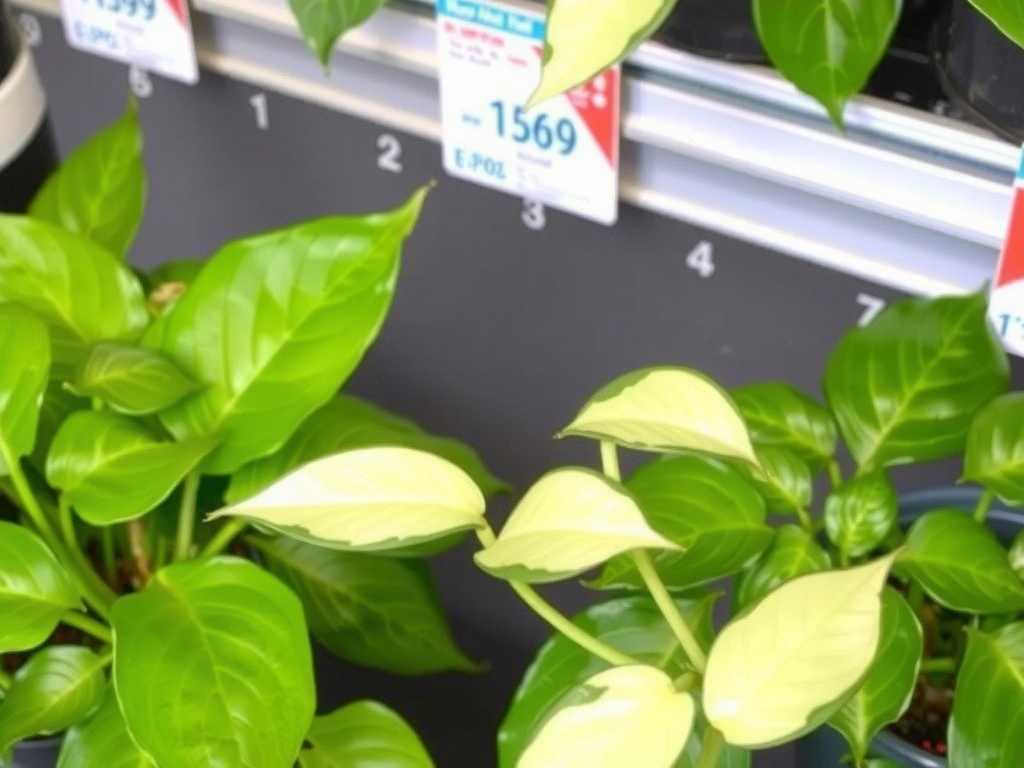
Understanding Pothos: The Foundation for Identification
Before hunting for hybrids, it’s crucial to understand their origin. Most houseplant pothos belong to the species Epipremnum aureum. The classic Golden Pothos is the standard, featuring green leaves with yellow variegation. Hybrids are cultivated variations, selectively bred or discovered as natural mutations for their unique foliage. They are all the same species, just expressing different traits. According to horticulturalists, stable variegation in plants like pothos is often caused by genetic mutations in the cell layers of the leaves, leading to those beautiful patterns of color.
This shared genetics means hybrids can sometimes revert to a more green form if light conditions are poor. It also means identification requires a keen, comparative eye. You’re not looking for a different plant entirely, but for a specific set of expressions within the same plant family.
Your Step-by-Step Guide to Hybrid Pothos Identification
Forget relying solely on the pot tag. Become a plant detective by following this systematic approach. Always examine a few leaves on the plant, as a single leaf might not show all the characteristic features.
Step 1: Analyze the Variegation Pattern and Color
This is the most obvious starting point. Move beyond “it has white on it.” Ask yourself: what is the nature of the color contrast?
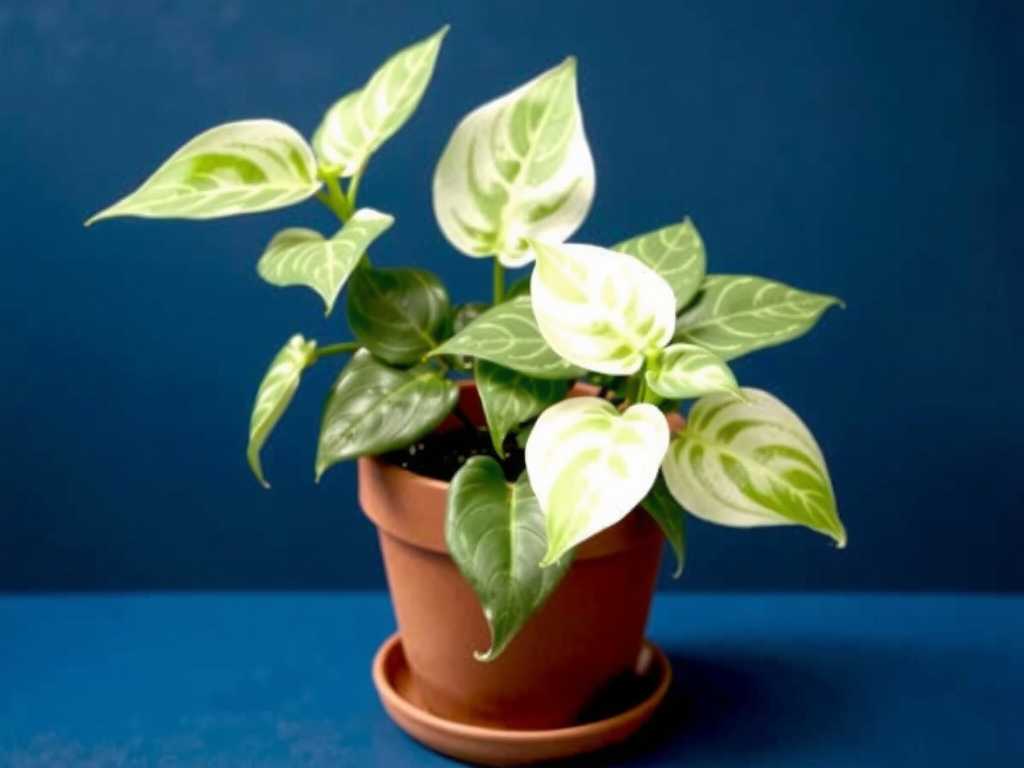
- Marble Queen Pothos: Look for a chaotic, high-contrast marbling of creamy white and green. The white and green blend seamlessly in a speckled, paint-splatter pattern. It is often confused with Snow Queen, which is essentially a Marble Queen with exceptionally high white variegation.
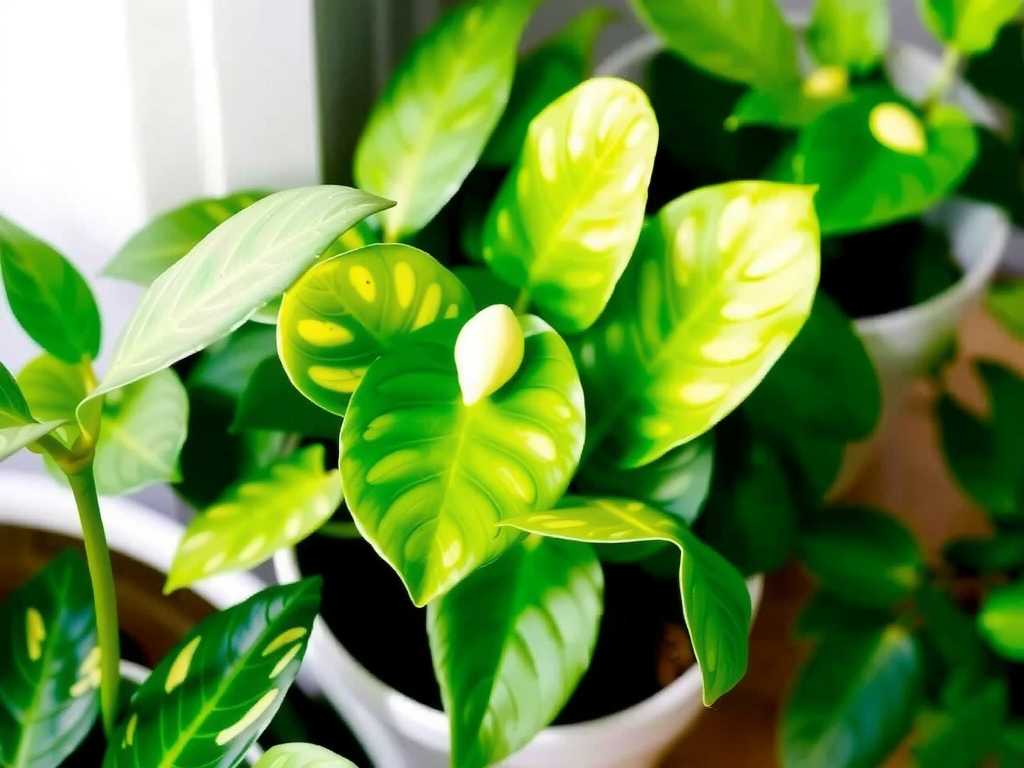
- Jessenia Pothos (a popular hybrid pothos to look for): This can be tricky. It displays a subtle, elegant chartreuse-yellow and green marbling. The contrast is softer and more blended than the stark white of a Marble Queen. Think of a lime-green infusion across a dark green leaf.
- Pearls and Jade Pothos: This variety has distinct, blocky patches of white, gray-green, and dark green. The white is often concentrated on the edges and margins of the leaf, and the leaves are typically smaller than a Marble Queen’s.
- N’Joy or Glacier Pothos: Both have very clean, crisp white variegation with clear separation between white and green sections, not a blended marble. Telling N’Joy and Glacier apart is advanced-level; N’Joy tends to have more irregular white patches, while Glacier’s white areas are often more uniform and may include silvery-gray tones.
Step 2: Examine Leaf Shape, Texture, and Growth Habit
Variegation tells only part of the story. The physical structure of the leaf is a critical identifier.
- Neon Pothos: Unmistakable for its color—a solid, vibrant chartreuse-green with no variegation—but also note its leaf texture. Neon leaves are often slightly thinner and can have a more pronounced heart shape.
- Global Green Pothos: This hybrid shows darker green edges with a lighter, lime-green center. Feel the leaf; it’s often thicker and more textured than a Golden Pothos leaf.
- Cebu Blue Pothos: Technically a different species (Epipremnum pinnatum), it’s often grouped with pothos. Its leaves are long, narrow, and arrow-shaped with a beautiful silvery-blue metallic sheen when mature—completely different from the heart-shaped leaves of E. aureum hybrids.
Step 3: Inspect the Stems and Petioles (Leaf Stems)
This is a frequently overlooked but highly reliable clue. The color and pattern on the stem often mirror the leaf’s variegation.
- A Marble Queen will have stems streaked with white.
- A Golden Pothos will have stems that are primarily green with some yellow striping.
- A Jessenia will show subtle lime-green streaks on its stems.
- A Pearls and Jade or N’Joy will often have stark white sections or speckles on the stem. This is a key method for spotting rare pothos types before you even look at the leaves closely.
Practical Nursery Scouting Tips
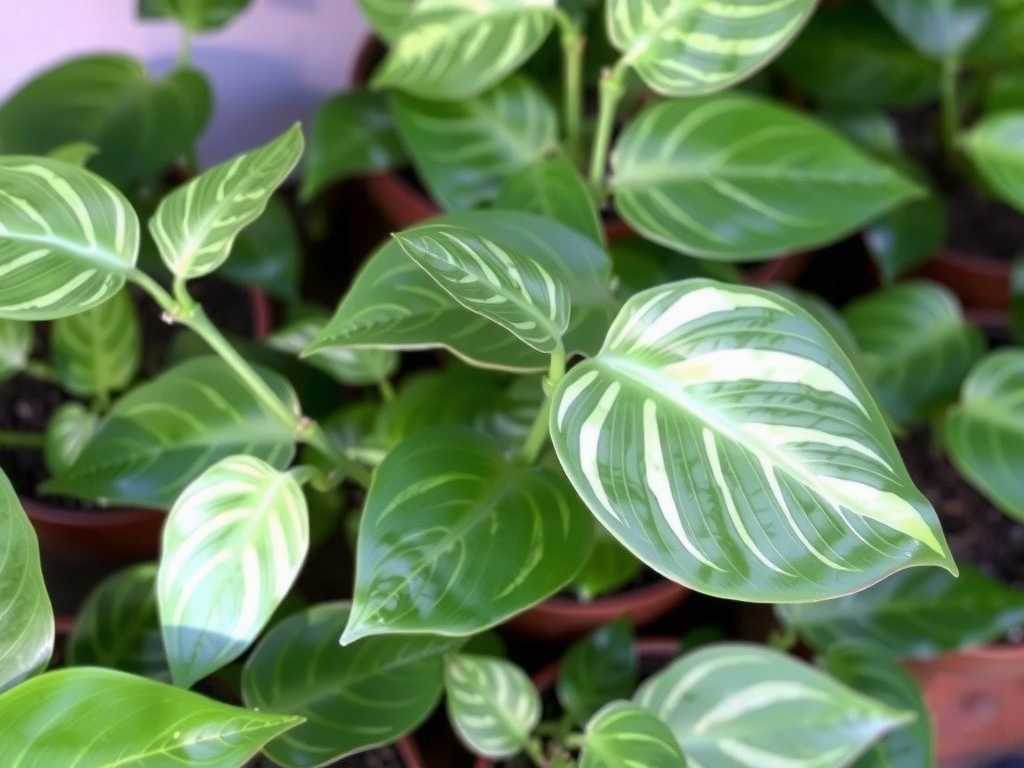
Now, take your knowledge on the road. Here’s how to apply it in a real-world nursery setting.
- Location Matters: Common Golden Pothos are usually mass-displayed. Check the harder-to-reach top shelves, end caps, or dedicated “trending houseplant” sections for hybrids. Sometimes they’re mixed in but placed at a higher price point.
- Compare Side-by-Side: If possible, take a pot of a known Golden Pothos and place it next to your mystery plant. The differences in variegation color (yellow vs. white vs. lime) and pattern will become immediately apparent.
- Ask Strategic Questions: Don’t just ask “What kind is this?” Nursery staff may not know. Instead, point to a specific feature and ask, “This white marbling is so vivid, is this considered a Marble Queen variety?” This shows knowledge and prompts a more accurate response.
- Check for Reversion: Look at the base of the plant or vines with older growth. A highly variegated hybrid might push out a stem of entirely green leaves if it’s not getting enough light. This is a sign you’re looking at a variegated hybrid, not a solid green variety.
Why Accurate Identification Matters
Correctly identifying your pothos isn’t just about pride or social media tags. It’s about proper care. A Marble Queen with high white variegation requires brighter, indirect light to sustain its pattern and thrive. A Golden Pothos is far more tolerant of lower light. Knowing you have a Jessenia versus a standard Golden ensures you appreciate its unique, subtle beauty and can provide the optimal conditions for it to express its best colors. Misidentification can lead to disappointment if your “rare find” doesn’t look like the pictures online because its care needs aren’t being met.
I bought a pothos labeled ‘Marble Queen,’ but new leaves are mostly green. Did I get the wrong plant? Not necessarily. This is likely reversion due to insufficient light. The plant is producing more chlorophyll to survive. Move it to a brighter spot (avoid direct sun), and prune back the fully green stems to encourage new growth from the more variegated sections. Future leaves should show more white.
What’s the difference between N’Joy and Pearls and Jade Pothos? They look identical to me. This is a common point of confusion, even for experts. They are closely related cultivars. Generally, Pearls and Jade (developed by the University of Florida) has smaller leaves with green speckles within the white variegated areas. N’Joy tends to have cleaner, more defined blocks of white and green with less speckling. The stem variegation is a key clue for both.
Is a ‘Snow Queen’ Pothos a separate hybrid? Most horticultural experts consider Snow Queen and Marble Queen to be the same cultivar. “Snow Queen” is typically used as a descriptive name for a Marble Queen plant that exhibits an exceptionally high degree of white variegation, often due to optimal growing conditions. It’s not a genetically distinct hybrid.
Navigating the local nursery for hybrid pothos transforms from a game of chance into a rewarding skill. By focusing on the specific language of leaf variegation—the hue of the contrast, the pattern of the streaks, and the clues left on the stems—you can confidently identify the unique varieties. Remember to pair your identification with appropriate care, ensuring these beautiful plants not only start strong in your home but continue to thrive and showcase the very traits that made you bring them home. Your next visit to the garden center is an opportunity to see the details others miss and discover the perfect hybrid pothos for your collection.


发表评论