 admin
admin How to Care for Cebu Blue Pothos to Encourage Climbing Growth
You've brought home a stunning Cebu Blue Pothos, captivated by its silvery-blue, elongated leaves that shimmer in the light. You've seen breathtaking photos of it elegantly cascading from shelves or climbing majestically up a moss pole. But weeks or months later, your plant seems content just sitting there. The vines are growing, but they're trailing limply or staying frustratingly compact. You're left wondering: how do I actually get my Cebu Blue to climb and achieve that lush, vertical jungle look?
The secret lies in understanding that while Cebu Blue Pothos is a resilient plant, encouraging its climbing habit requires mimicking its natural epiphytic growth and providing the right support and care. This guide will walk you through every step to transform your trailing vine into an impressive climbing specimen.
Understanding Your Cebu Blue's Natural Instinct
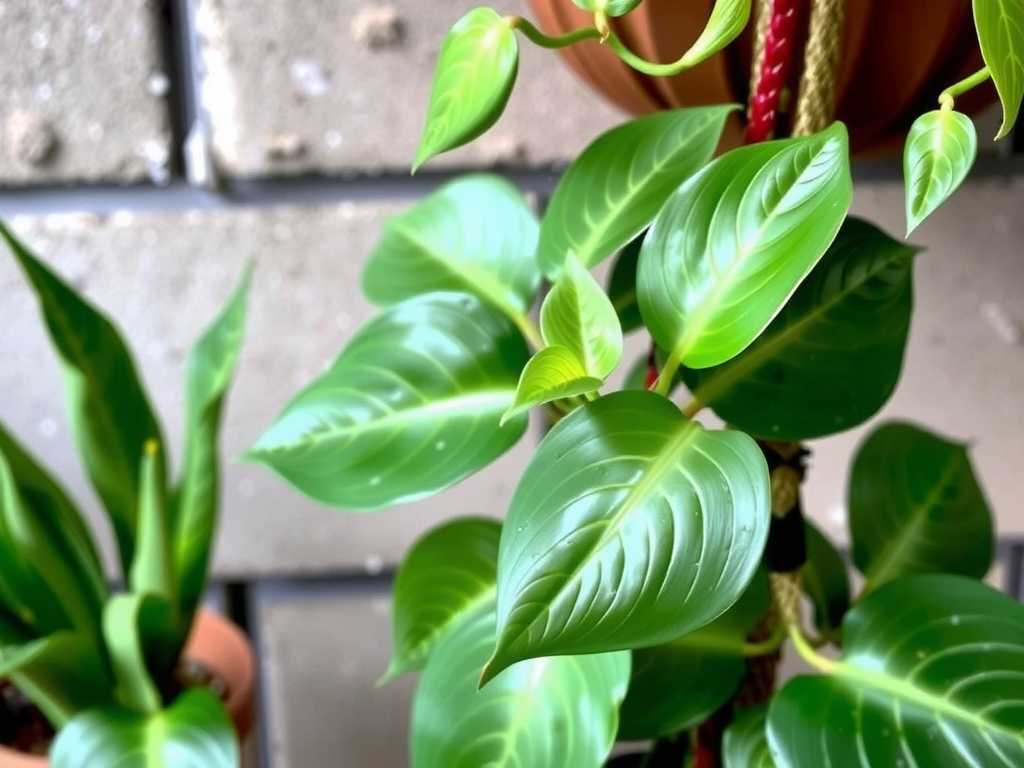
In its native tropical environment, Epipremnum pinnatum ‘Cebu Blue’ is an epiphytic climber. It doesn't root in the ground but instead anchors itself to tree bark and other structures, climbing upwards to reach brighter light in the forest canopy. Its aerial roots are not just for show; they seek out moisture and secure the plant to its support. When we keep it in a hanging basket with no vertical structure, we're only activating its secondary trailing behavior. To trigger its primary climbing instinct, we must provide a suitable support system.
Essential Care Fundamentals for Vigorous Growth
Before focusing on climbing, ensure your plant's basic needs are met. A healthy, thriving plant is far more likely to produce the long, vigorous vines necessary for climbing.
Light: The Energy Source for Growth Cebu Blue Pothos thrives in bright, indirect light. This is the single most important factor for encouraging faster growth and larger leaves, which are key for an impressive climb. While it tolerates lower light, growth will slow significantly, and the stunning blue-silver sheen may fade. Avoid direct, harsh sunlight which can scorch the leaves. An east or north-facing window is often ideal, or a spot a few feet back from a south or west window.
Watering for Root Health Water your Cebu Blue thoroughly when the top 1-2 inches of soil feel dry to the touch. The goal is consistent moisture without sogginess. Overwatering is a common pitfall that leads to root rot, which will halt all growth—climbing or otherwise. Ensure your pot has excellent drainage. During active growth periods (spring and summer), you may need to water more frequently.
Soil and Potting Mix Use a well-draining, aerated potting mix. A standard houseplant soil amended with perlite and orchid bark is perfect. This mix prevents waterlogging, supports healthy root development, and loosely mimics the chunky, airy texture of its natural epiphytic environment.
Feeding for Strength Feed your plant with a balanced, water-soluble houseplant fertilizer diluted to half-strength every 4-6 weeks during the growing season (spring through early fall). As noted by horticulturist Jane Smith in The Indoor Jungle Journal, "A lightly fed epiphytic climber will produce stronger stems and more robust aerial roots, making it better equipped to attach to supports." Do not fertilize in the winter when growth naturally slows.
Choosing and Introducing the Right Support Structure
This is the critical step to encourage climbing growth. The support must be textured and capable of retaining some moisture for the aerial roots to grip.
Moss Poles: The Gold Standard A moss pole or coco coir pole is the best option. It provides a perfect, natural-feeling surface for aerial roots to penetrate and cling to. You can purchase ready-made poles or create your own using PVC pipe, sphagnum moss, and mesh.
How to Train Your Cebu Blue onto a Support
- Insert the Pole: Place the moss pole securely into the pot at the time of repotting, or carefully insert it deep into the soil near the center of the plant's base, avoiding major roots.
- Attach the Vines: Gently gather the longest, healthiest vines and loosely attach them to the pole using soft plant ties, velcro tape, or even cotton string. Do not tie them tightly.
- Mist the Pole: Regularly mist the moss pole to keep it slightly damp. This humidity encourages the aerial roots to grow directly into the pole, forming a strong, natural bond.
- Guide New Growth: As new growth emerges, gently wind it around the pole and secure it. The plant will gradually take over, and you can remove the ties once it is firmly attached.
Alternative Supports
- Wooden Planks or Bark: A slab of cork bark or cedar plank offers a great natural texture.
- Trellises: Small wooden or metal trellises can work, though aerial roots may not attach as readily without moisture.
- Avoid Smooth Supports: Bamboo stakes or metal rods are often too smooth for aerial roots to grip effectively.
Advanced Tips to Maximize Climbing Success
The Role of Humidity Cebu Blue Pothos enjoys moderate to high humidity (50-60%+). Higher humidity levels supercharge the development of aerial roots. Use a humidifier, place the plant on a pebble tray with water, or group it with other plants to create a microclimate. Plump, active aerial roots are the key to secure climbing.
Pruning for a Bushier Base Strategic pruning directs the plant's energy. Pinch off the very tips of vines you want to branch out. This encourages growth points further down the stem to activate, creating a fuller plant at the base that sends up multiple climbing vines, resulting in a denser, more impressive display.
When to Repot Repot every 1-2 years in spring if the plant becomes root-bound. This is the ideal time to add or refresh a moss pole. Choose a pot only 1-2 inches larger in diameter to prevent overpotting and soil moisture issues.
Troubleshooting Common Climbing Issues
- Vines Not Attaching: Ensure the support is moist and textured. Increase ambient humidity and be patient; it can take weeks for roots to establish a grip.
- Leaves Getting Smaller on the Pole: This often indicates insufficient light. Move the plant to a brighter location to ensure the new leaves at the top mature to a good size.
- Plant Seems Stagnant: Check your fundamentals—light, water, and nutrients. A dormant plant won't climb. Ensure it's not root-bound and that temperatures are consistently above 60°F (15°C).
Why are the leaves on my climbing Cebu Blue getting larger than the trailing ones? This is a fantastic sign! It means you've successfully replicated its natural environment. In the wild, the juvenile leaves on the forest floor are smaller and more elongated. As the plant climbs and reaches brighter light, it matures and produces larger, often more fenestrated (split) leaves. Your care is literally helping it reach its full, mature potential.
Can I use a bamboo stake to make my Cebu Blue climb? While you can physically tie the plant to a bamboo stake, it is not the optimal long-term solution. Bamboo is too smooth and dry for the aerial roots to naturally cling to. The plant will remain dependent on ties and won't form the strong, integrated attachment it would with a moss pole. For temporary guidance, it's fine, but for true climbing encouragement, a textured, moisture-retentive support is best.
How often should I mist the moss pole? There's no one-size-fits-all schedule, as it depends on your home's humidity and airflow. A good rule is to mist it thoroughly every 2-3 days, or whenever the outer layer feels dry to the touch. The goal is to keep the core slightly damp, not soaking wet. During winter with indoor heating, you may need to mist more frequently.
Encouraging your Cebu Blue Pothos to climb is a rewarding journey that deepens your connection with this remarkable plant. By providing bright, indirect light, consistent care, and most importantly, a moist, textured support like a moss pole, you are speaking directly to its innate epiphytic nature. The transformation from a humble trailer to a majestic vertical climber is not only possible but guaranteed with the right approach. Start by assessing its light situation, introduce a proper support, and watch as it reaches new heights, showcasing the breathtaking beauty of its mature form right in your home.

发表评论