 admin
admin How to Mix Pothos Varieties with Ferns for a Lush Display
Do you dream of a vibrant, textured indoor jungle but struggle with plant pairings that look cohesive and thrive together? You're not alone. Many plant lovers face the challenge of combining different species in a way that is both aesthetically stunning and horticulturally sound. The solution lies in mastering the art of companion planting. By learning how to mix pothos varieties with ferns, you can create a lush, layered display that is greater than the sum of its parts. This guide will walk you through every step, turning your vision of a thriving green oasis into a reality.
Understanding Your Green Partners
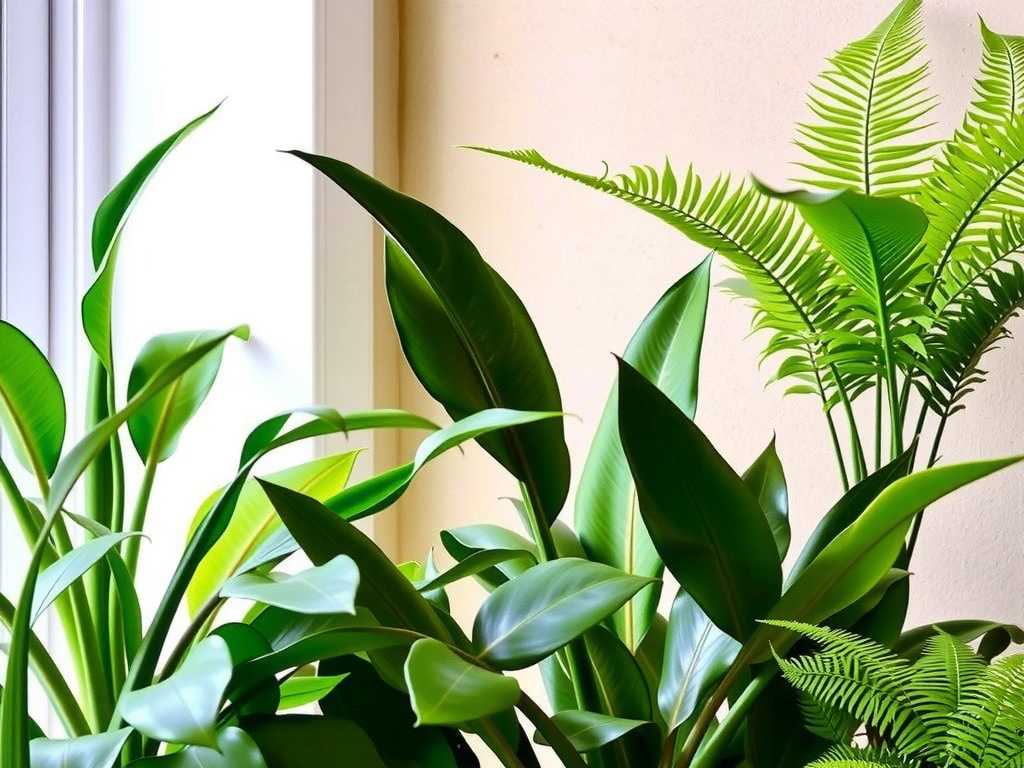
Before we dive into the creative process, it's crucial to understand the fundamental needs and characteristics of both pothos and ferns. This knowledge is the foundation of a successful and long-lasting display.
The Versatile Pothos
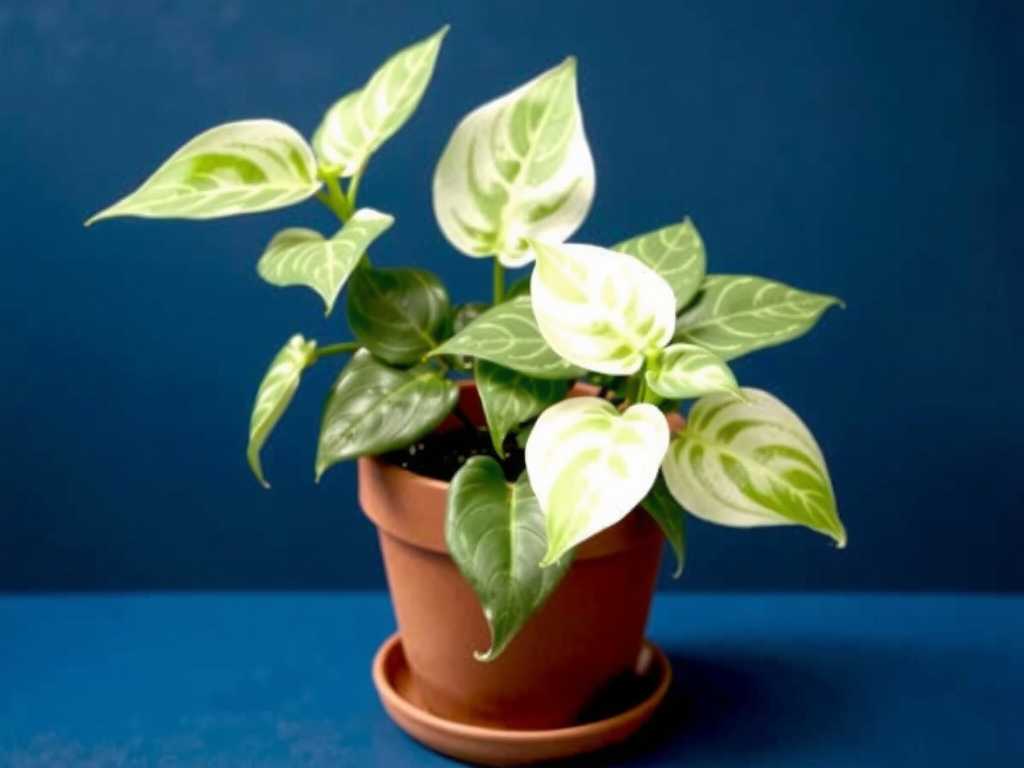
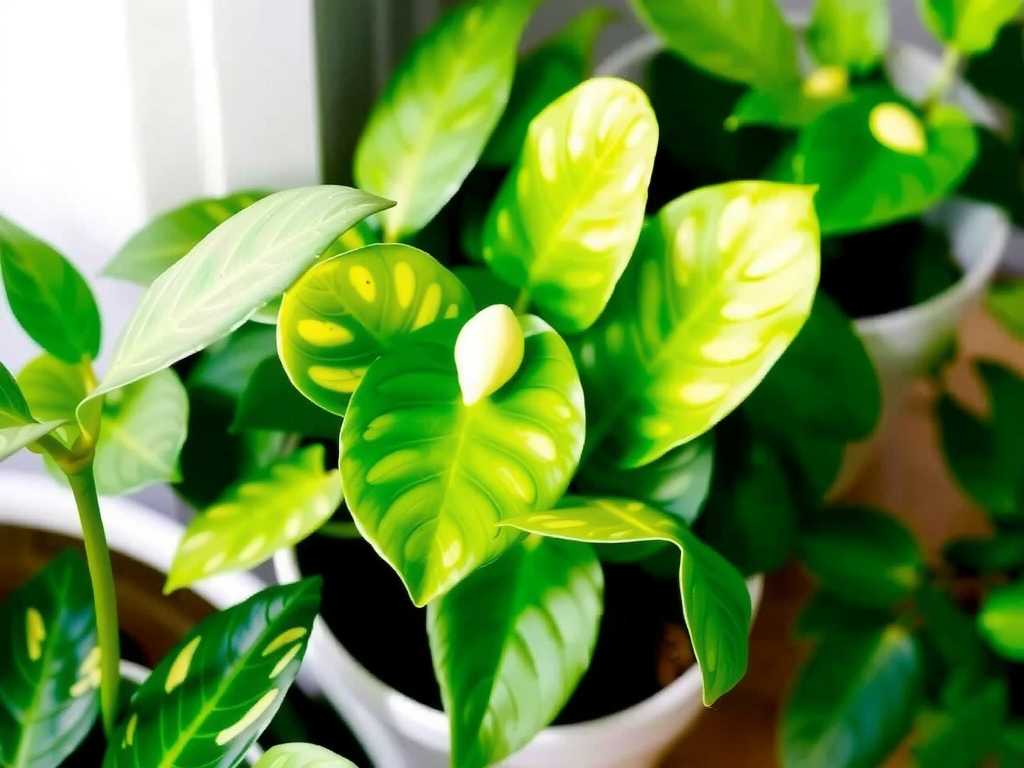
Pothos, often called Devil's Ivy, is renowned for its resilience and adaptability. It's a vining plant that can trail gracefully or climb with support. There are numerous stunning varieties to choose from, each offering unique foliage. Golden Pothos features heart-shaped leaves marbled with yellow and cream. Marble Queen Pothos has a striking white and green variegation. Neon Pothos boasts bright, chartreuse-green leaves that seem to glow. Jade Pothos presents solid, deep green foliage for a classic look. The key to pothos care is well-draining soil and allowing the top inch of soil to dry out between waterings. They tolerate a wide range of light conditions, though variegated types prefer brighter, indirect light to maintain their patterns.
The Elegant Fern
Ferns bring a delicate, feathery texture that contrasts beautifully with the broader leaves of pothos. They are ancient plants that thrive in consistent moisture and humidity. Boston Ferns are classic, with long, arching fronds perfect for hanging displays. Maidenhair Ferns are delicate and lacy, requiring higher humidity. Bird's Nest Ferns have broad, wavy leaves that grow in a rosette shape. Staghorn Ferns are epiphytic and can be mounted on boards for a dramatic look. Most ferns demand consistently moist (but not soggy) soil and high humidity. They generally prefer medium to bright indirect light, with direct sun often scorching their delicate fronds.
The Perfect Pairing: Why Pothos and Ferns Work
At first glance, pothos and ferns might seem like an odd couple. However, their compatibility for a mixed display is rooted in complementary growth habits and overlapping care needs. Pothos provides a cascading or climbing element, while ferns offer a bushy, upright, or arching form. This creates instant visual depth and interest. The glossy, solid or variegated leaves of pothos play perfectly against the soft, textured fronds of ferns. While their water needs differ slightly, both families thrive in similar indirect light conditions and appreciate ambient humidity. This makes managing a combined planter or display area far more feasible than pairing plants with wildly different requirements.
A Step-by-Step Guide to Creating Your Display
Now, let's get our hands dirty. Follow this practical guide to ensure your pothos and fern arrangement not only looks beautiful on day one but continues to flourish.
Step 1: Selecting Your Container and Plants
Choose a container with excellent drainage holes. This is non-negotiable for preventing root rot, especially for ferns. Consider the mature size of your plants; a pot that is 2-4 inches wider than the largest root ball is ideal. For a balanced look, select one type of fern as your "thriller" (the focal point) and one or two pothos varieties as your "spiller" (the trailing element). A Boston Fern with a Golden Pothos and a Neon Pothos creates a wonderful mix of textures and colors.
Step 2: Mastering the Planting Process
Begin by partially filling your pot with a high-quality, peat-based potting mix. For optimal results, amend it with orchid bark or perlite to boost aeration, which ferns particularly love. Remove your plants from their nursery pots and gently loosen the roots. Position the fern slightly off-center towards the back or middle of the pot. Plant the pothos around the edges, allowing its vines to cascade over the rim. Ensure all root balls are at the same soil level as before. Fill in with more soil, firm gently, and water thoroughly until it runs freely from the drainage holes.
Step 3: Ideal Placement and Ongoing Care
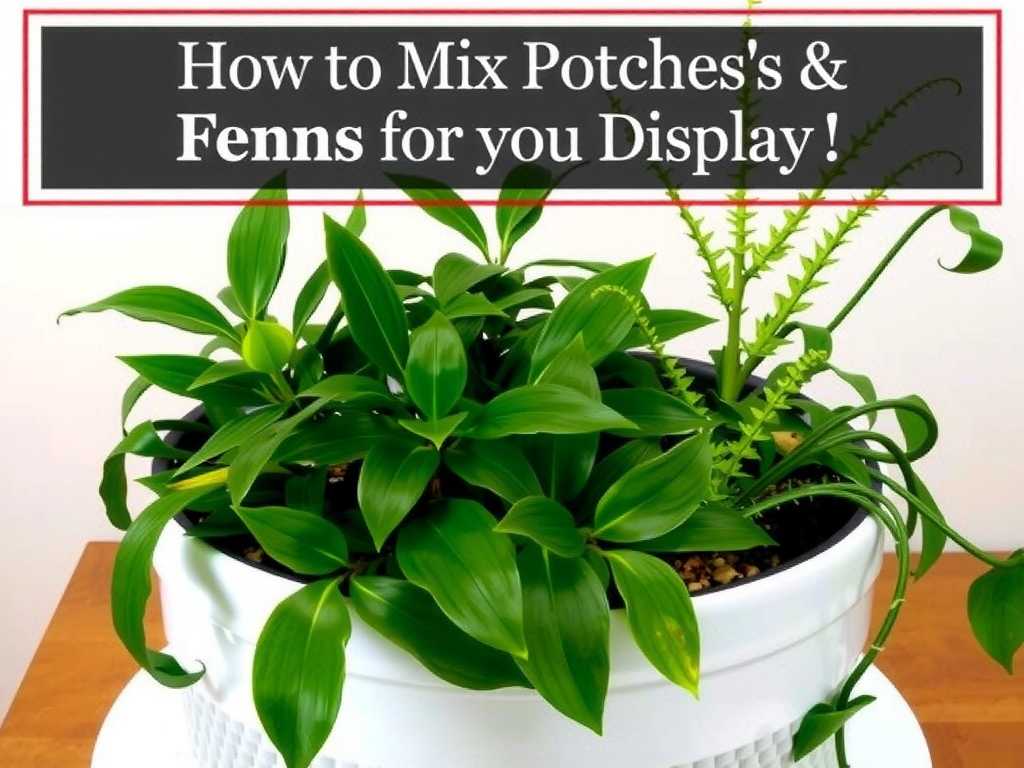
Place your new arrangement in a spot with bright, indirect light. An east-facing window is often perfect. Avoid harsh afternoon sun. Watering is where your attention is key. Check the soil frequently. Water when the top inch feels dry for the pothos, but before the fern's soil dries out completely. A good rule is to water when the top of the soil is just starting to feel dry to the touch. Both plants will benefit from increased humidity. Mist them regularly, place the pot on a pebble tray with water, or use a nearby humidifier. Feed your display with a balanced, water-soluble fertilizer diluted to half-strength every 4-6 weeks during the growing season (spring and summer).
Design Inspirations for a Lush Indoor Garden
Don't limit yourself to a single pot. There are countless ways to design with pothos and ferns. Create a hanging basket masterpiece by pairing a full Boston Fern with several pothos vines trailing down. The combination will create a voluminous, living sculpture. Build a vertical living wall by mounting Staghorn Ferns on a board and allowing Marble Queen Pothos to climb and frame the composition. Design a tiered shelf display by placing a bushy Bird's Nest Fern on a higher shelf and letting a Jade Pothos trail down to the level below, connecting the spaces with greenery. For a large floor container, use a tall, tree-like fern (like a Kimberly Queen) as a centerpiece and train a pothos to climb a moss pole placed beside it, mimicking a natural forest dynamic.
Troubleshooting Common Issues
Even with the best care, you might encounter a challenge. Here’s how to handle common problems. If you notice yellowing leaves on your pothos, it's often a sign of overwatering. Allow the soil to dry out more between waterings. Brown, crispy tips on fern fronds usually indicate low humidity or underwatering. Increase misting and check soil moisture more often. If your variegated pothos is reverting to solid green, it needs more light. Move the arrangement to a brighter location. Leggy growth on either plant also signals insufficient light. While generally pest-resistant, both can attract mealybugs or spider mites, especially in dry conditions. Wipe leaves with a damp cloth regularly and treat any infestations promptly with insecticidal soap.
How often should I water my combined pothos and fern planter? Check the soil every 3-5 days. Water thoroughly when the top inch of soil feels dry. The goal is to keep the soil consistently lightly moist to satisfy the fern, while the well-draining mix and pot ensure the pothos roots aren't waterlogged. The pebble tray or humidifier will help reduce the frequency needed.
Can I use a self-watering pot for this combination? It's not generally recommended. Self-watering pots keep the soil constantly moist, which is ideal for ferns but can easily lead to root rot in pothos. Traditional pots with drainage holes offer more control, allowing you to tailor watering to both plants' needs more precisely.
My fern seems to be overtaking the pothos. What should I do? Ferns can be vigorous growers. During the active growing season, you can gently trim back the longest or oldest fronds of the fern to maintain balance and allow more light to reach the pothos. When repotting (every 1-2 years), you may also divide a large fern, replanting a section and giving the pothos more room to shine.
Creating a lush display by mixing pothos varieties with ferns is a rewarding journey into indoor gardening. It combines the bold resilience of pothos with the delicate elegance of ferns, resulting in a dynamic and textured living piece. By understanding their shared needs for indirect light and humidity, and managing their slight differences in watering, you can cultivate a thriving miniature ecosystem. Start with a simple pairing, observe how your plants respond, and don't be afraid to experiment. With a little care and creativity, you'll have a stunning, layered indoor garden that brings a sense of tranquility and natural beauty to your space.
发表评论