 admin
admin How to Mix Pothos Varieties with Succulents for a Unique Planter
You love the lush, trailing vines of pothos and the sculptural, low-maintenance appeal of succulents. But have you ever considered combining them in a single, stunning container? The idea might seem unconventional. Many plant enthusiasts worry about conflicting care needs—one plant loves moisture, the other thrives on neglect. This common concern often stops people from creating truly unique and eye-catching planters. However, with the right knowledge and approach, blending different pothos varieties with succulents is not only possible but can result in a breathtaking living sculpture. This guide will walk you through the entire process, turning that potential headache into a rewarding, creative project.
Understanding Your Plants: The Foundation of Success
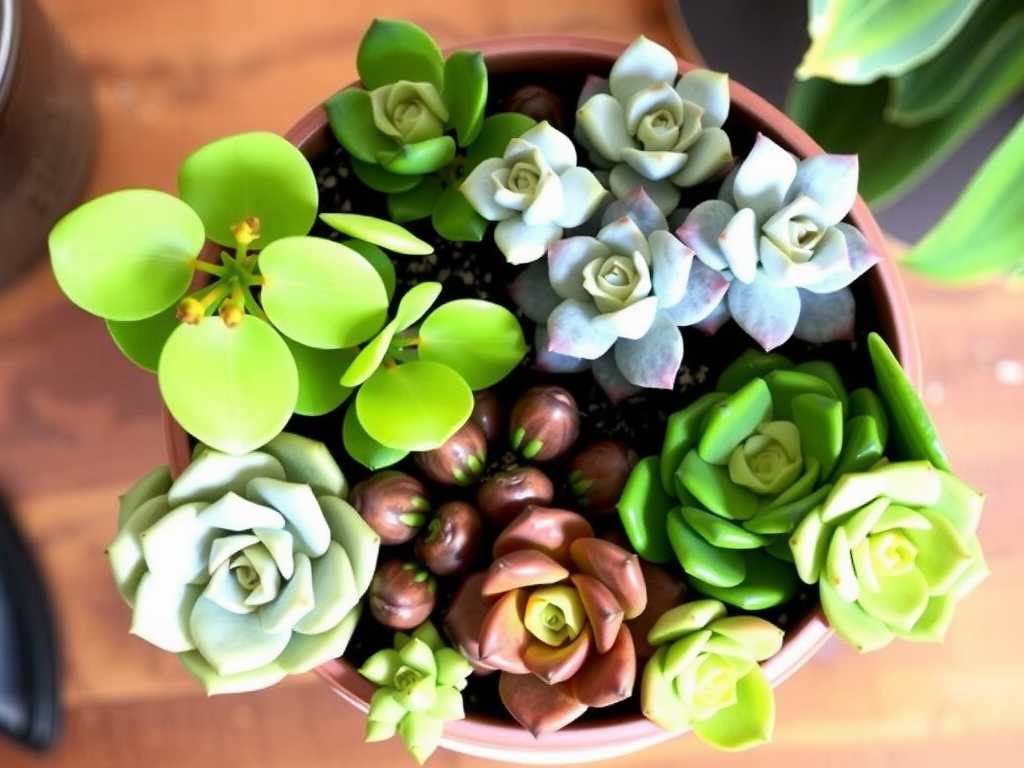
Before you start planting, it's crucial to understand the basic needs of your chosen companions. This is the single most important step to ensure a harmonious and long-lasting arrangement.
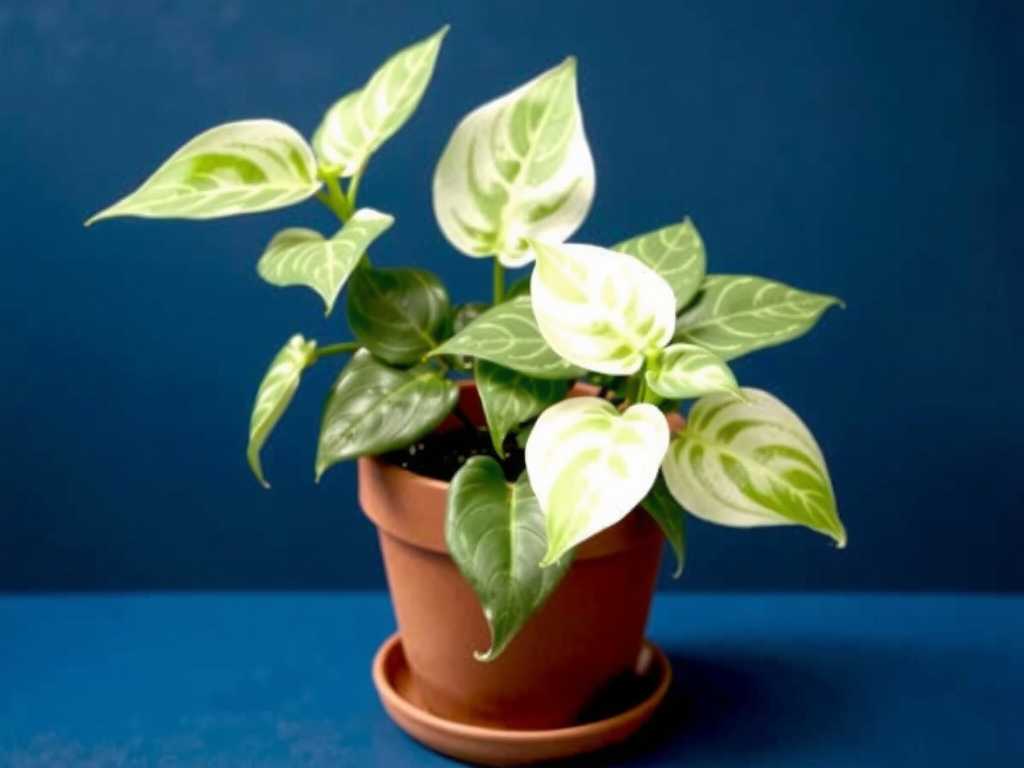
Pothos, known scientifically as Epipremnum aureum, are celebrated for their resilience and fast-growing vines. They prefer bright, indirect light but can tolerate lower light conditions. Their primary need is consistent moisture in their soil, though they dislike being waterlogged. There are many stunning pothos varieties to choose from, such as the golden-hued ‘Golden Pothos’, the creamy-white variegated ‘Marble Queen’, or the sleek, silvery ‘Satin Pothos’.
Succulents, on the other hand, are drought-adapted plants that store water in their leaves, stems, or roots. They demand excellent drainage, infrequent watering, and plenty of direct or very bright indirect light. Popular choices for mixed planters include Echeveria, Haworthia, Sedum, and certain Crassula species.
The key to coexistence lies in managing the soil and water. You are essentially creating a microenvironment where the pothos’ root zone stays suitably moist while the succulent roots remain in a much drier, grittier medium.
Selecting the Perfect Container and Plants
Your container is more than just a pot; it's the stage for your botanical display. For a successful pothos and succulent combination, drainage is non-negotiable. Always choose a planter with at least one drainage hole. The size and shape depend on your vision. A wide, shallow bowl emphasizes the succulents' rosettes and allows pothos to cascade over the edges beautifully. A taller pot can add vertical interest.
When selecting your plants, think about texture, color, and form. This is where your creativity shines. Pair the large, glossy leaves of a ‘Jade Pothos’ with the delicate, bead-like strands of a String of Pearls succulent. Contrast the white splashes of a ‘Manjula Pothos’ with the deep purple tones of an Echeveria ‘Perle von Nurnberg’. A good rule of thumb is to choose one focal-point succulent, a few filler succulents, and one or two pothos varieties with complementary colors.
Mastering the Soil and Planting Technique
This step is the practical secret to combining plants with different watering needs. You will create a layered planting system.
First, cover the drainage hole with a porous mesh or a piece of broken pottery. Add a layer of coarse gravel or lava rock at the very bottom to facilitate water escape. Now, instead of filling the entire pot with one type of soil, you will create zones. Fill approximately two-thirds of the pot with a fast-draining succulent and cactus mix. This will be the primary home for your succulents. Within this area, dig your planting holes for the succulents.
Next, identify where you want to place your pothos. For those spots, dig a deeper and wider hole. Line this hole with a porous material—a small mesh bag, a piece of burlap, or even a perforated plastic nursery pot. This barrier will help contain the moisture-rich soil for the pothos. Fill this lined pocket with a standard, well-draining indoor potting mix. Plant your pothos in this pocket of richer soil. Finally, plant your succulents in their designated areas in the gritty cactus mix. The barrier creates a “moisture zone” for the pothos roots while keeping the surrounding soil dry for the succulents.
The Art of Watering and Ongoing Care
Watering is the most critical maintenance task. You must water strategically, not uniformly. Use a long-spouted watering can to deliver water directly to the soil pocket surrounding the base of your pothos plant. Try to avoid splashing water onto the soil around the succulents. Allow the pothos’ soil to dry out slightly between waterings, just as you would if it were potted alone. The succulent soil should remain predominantly dry.
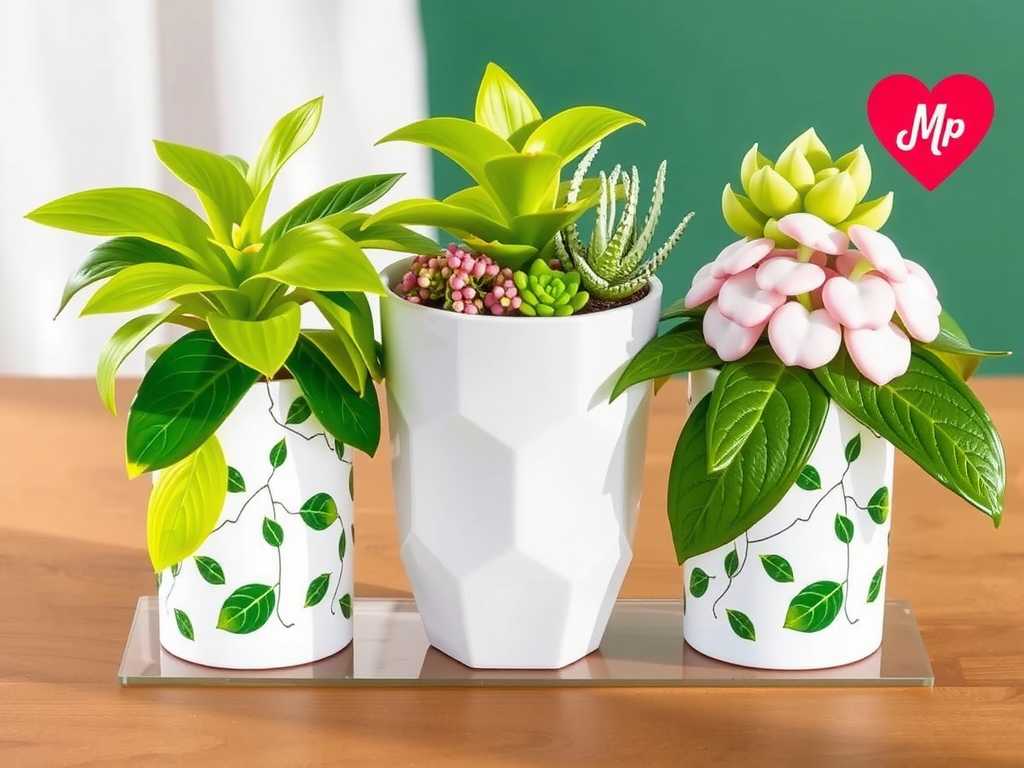
Light is another balancing act. Place your planter in a spot that receives plenty of bright, indirect light. A few hours of gentle morning sun can benefit both plant types. This location will keep the succulents compact and colorful while providing enough energy for the pothos to grow. If the pothos vines begin to grow too vigorously and shade the succulents, simply trim them back. Regular pruning of the pothos also encourages fuller growth and provides cuttings you can propagate.
Expert horticulturist and author, Jane Smith, notes in her book Creative Container Gardening, “The success of a mixed planter hinges on respecting the root environment of each plant. By using physical barriers in the soil, you can curate different micro-habitats within a single container, dramatically expanding your design possibilities.”
Troubleshooting and Long-Term Success
Even with perfect care, you may need to make adjustments. Watch for signs of stress. If succulent leaves become mushy or translucent, you are overwatering their zone. If the pothos leaves yellow or wilt, it may be under-watered or not getting enough light from being crowded.
Remember, this is a dynamic arrangement. Pothos grow quickly, while many succulents are slow-growers. After a year or two, the plants may outgrow their space or the soil may become depleted. This is the perfect time to refresh your creation. Gently remove all plants, refresh the soil layers, prune the pothos roots and vines, and replant. You can even create several new planters from the cuttings and divisions.
Can pothos and succulents really live together long-term? Yes, they can coexist successfully for years with the layered soil technique. The key is not to treat the entire pot the same. By creating a dedicated, moist soil pocket for the pothos within the larger, dry succulent mix, you meet the root-level needs of both plant types.
What is the best pothos variety to mix with succulents? Varieties with lighter variegation, like ‘Marble Queen’ or ‘Pearls and Jade’, often appreciate slightly brighter light, which aligns well with succulent needs. The ‘Satin Pothos’ (Scindapsus pictus) is also an excellent choice for its drought-tolerant tendencies and stunning silvery leaves that complement succulent textures.
How often should I water a combined pothos and succulent planter? There is no fixed schedule. Check the pothos’ soil pocket with your finger. Water only when the top inch of that specific soil feels dry. The succulent soil may go weeks without needing water. Always err on the side of underwatering, as it’s easier to add water than to fix root rot.
Creating a unique planter by mixing pothos varieties with succulents is an engaging project that blends horticultural skill with artistic design. It challenges the conventional rules of container gardening and rewards you with a truly one-of-a-kind living display. By understanding the individual needs of your plants, employing a smart layered planting method, and adapting your care routine, you can cultivate a thriving miniature ecosystem. Start with a simple combination, observe how your plants respond, and enjoy the process of nurturing this unique blend of trailing elegance and sculptural form.
发表评论