 admin
admin How to Care for Global Green Pothos in Low-Light Spaces
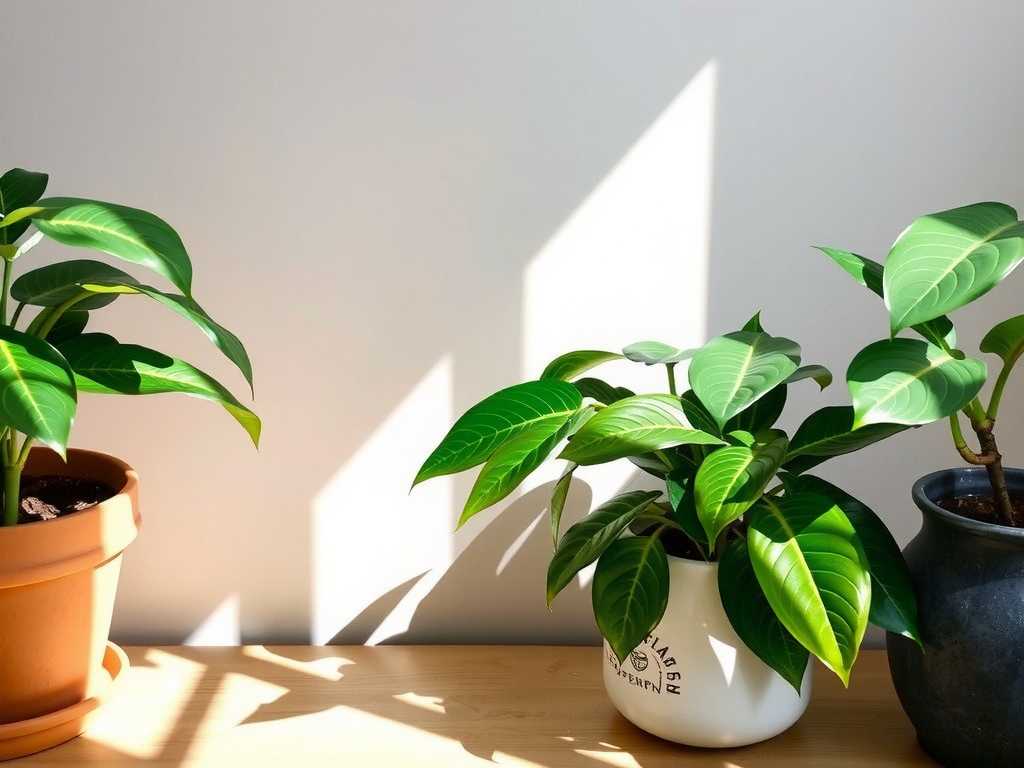
Do you love the lush, marbled beauty of the Global Green Pothos but worry your home doesn’t get enough sunlight? You’re not alone. Many plant enthusiasts face the challenge of low-light spaces, from dim apartments to office cubicles with limited windows. The good news is that with the right approach, you can successfully nurture a thriving Global Green Pothos even in these conditions. This guide will walk you through everything you need to know about low-light pothos care, turning your dimmest corner into a vibrant green oasis.
Understanding Your Global Green Pothos
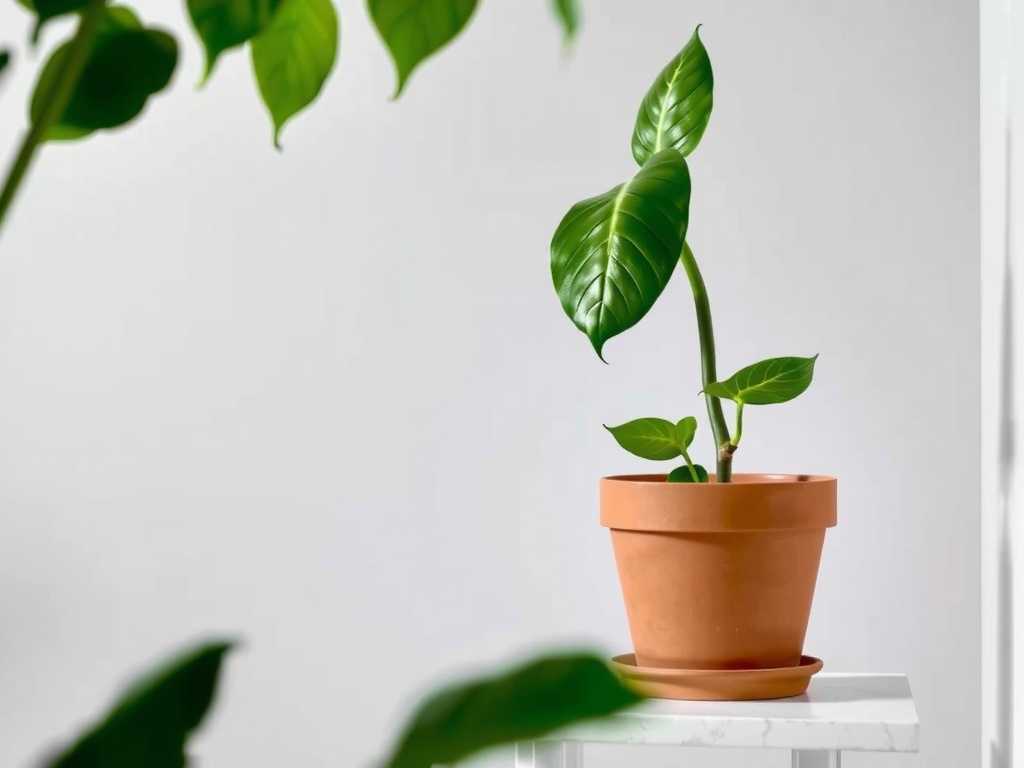
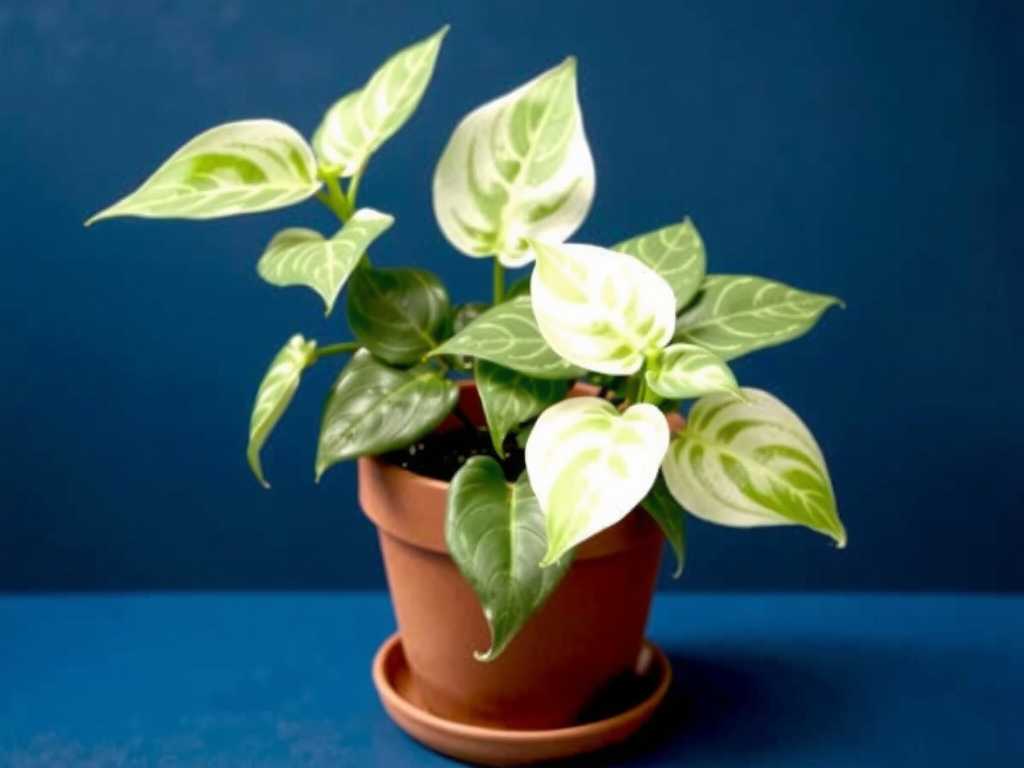
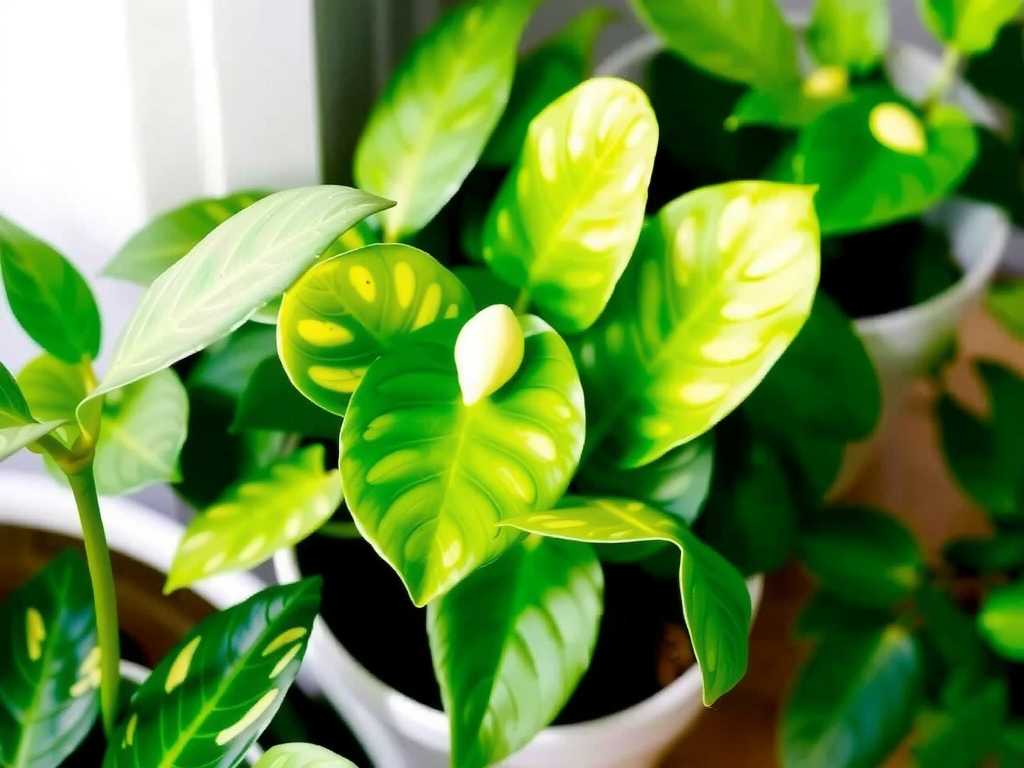
The Global Green Pothos, a stunning cultivar of Epipremnum aureum, is celebrated for its unique, glossy leaves. Each leaf features a beautiful chaos of dark and light green marbling, with the lighter shades often concentrated in the center. While pothos are famously adaptable, the Global Green variety, with its variegation, has specific needs we must understand to replicate its natural habitat.
Unlike its solid green cousins, the variegated areas on the leaves contain less chlorophyll. Chlorophyll is the pigment that captures light energy for photosynthesis. This means your Global Green Pothos in low-light conditions requires a bit more strategic care than a standard Jade Pothos. It’s not about survival alone; it’s about helping it grow healthily and maintain its spectacular coloration.
What Exactly is "Low Light" for Plants?
Before we dive into care, let’s define "low light." It’s one of the most misunderstood terms in indoor gardening. Low light does not mean no light. It typically refers to a spot several feet away from a north-facing window, a room with a small window, or an area that only receives indirect ambient light for most of the day. A simple test: if you can comfortably read a book in that spot during the day without turning on a lamp, it likely qualifies as low indirect light. True darkness will cause any plant, even the resilient pothos, to decline.
Essential Care Strategies for Low-Light Success
Caring for a pothos plant in dim corners revolves around adjusting your watering, feeding, and monitoring habits to compensate for the reduced light. Here’s your step-by-step plan.
Perfecting the Watering Routine
This is the most critical adjustment. In bright light, plants use water quickly for photosynthesis and growth. In low light, their metabolism slows down dramatically, meaning they take up water from the soil much more slowly.
Overwatering is the single biggest killer of houseplants in low-light situations. Soggy soil leads to root rot, a fatal condition where the roots suffocate and decay. To prevent this, you must adopt the "soak and dry" method. Never water on a fixed schedule. Instead, always check the soil first.
Insert your finger about two inches into the potting mix. If the soil feels dry at that depth, it’s time to water. If it still feels moist or cool, wait a few more days. When you do water, do so thoroughly until water runs freely out of the drainage holes at the bottom of the pot. This ensures the entire root ball is hydrated. Then, empty the saucer underneath to prevent the plant from sitting in water. In low light, the time between waterings could extend to two or three weeks, especially during cooler months.
Choosing the Right Soil and Pot
Well-draining soil is non-negotiable. A standard potting mix amended with perlite, orchid bark, or coarse sand will provide the aeration and drainage your pothos needs. This mix prevents water from lingering around the roots.
Pot choice is equally important. Always use a container with drainage holes. Terracotta pots are an excellent choice for low-light pothos care because they are porous, allowing the soil to dry out more evenly from the sides, which further reduces the risk of overwatering.
Fertilizing: Less is More
In low light, your Global Green Pothos’s growth will be slower. Therefore, its nutritional needs are significantly lower. Fertilizing at the same rate as a plant in bright light can lead to a harmful buildup of salts in the soil, which can burn the roots.
During the active growing season (spring and summer), use a balanced, water-soluble houseplant fertilizer. Dilute it to half or even a quarter of the recommended strength on the label, and apply it only once every 6-8 weeks. In fall and winter, when growth is minimal or has stalled, stop fertilizing completely. As noted by horticulturist Jane Smith in The Indoor Plant Journal, "Fertilizer is not plant food; it’s more like a vitamin supplement. In low energy (light) environments, supplements can easily become toxins."
Optimizing Light and Placement
While we’re working with low light, we should still strive to provide the best possible conditions within that constraint.
Find the brightest "low-light" spot you have. This might be on a shelf opposite a window, in a room with a skylight, or near a frosted bathroom window. Even the slight increase in ambient light can make a difference. Regularly rotate your plant a quarter turn each time you water. This promotes even growth and prevents the plant from leaning or stretching excessively toward any light source.
Consider using a grow light if natural light is extremely poor. A simple, low-wattage LED grow bulb in a desk lamp, turned on for 8-10 hours a day, can provide the spectral boost your variegated pothos needs to maintain its color without the risk of sunburn.
Pruning and Maintenance for Healthier Growth
Regular maintenance is key to keeping your plant looking its best and directing its limited energy efficiently.
Gently wipe the leaves with a damp cloth every month or so. Dust buildup can further block the already scarce light from reaching the leaf surface. Prune any long, leggy vines or leaves that have turned completely yellow. This encourages the plant to put out new, bushier growth from the base. If a vine loses many leaves and becomes bare (a condition called etiolation due to insufficient light), you can cut it back to a healthy point or propagate it.
Propagation: Creating Backup Plants
One of the joys of pothos is how easy they are to propagate. This is a fantastic strategy for growing pothos in dim corners. If a section of your plant is struggling, you can create a whole new plant from a healthy cutting.
Simply snip a 4-6 inch stem tip, ensuring it has at least 3-4 leaves and a few nodes (the little brown bumps on the stem). Place the cutting in a jar of water, ensuring the nodes are submerged. Put it in a spot with moderate indirect light. In a few weeks, roots will develop. Once they are an inch or two long, you can pot the cutting in fresh soil. Now you have a backup plant, or a new one to place in a slightly brighter location.
Troubleshooting Common Problems
Even with perfect care, you might encounter some issues. Here’s how to diagnose them.
Yellowing Leaves: This is most often a sign of overwatering, especially in low light. Check your soil moisture immediately and adjust your watering habits. Older leaves occasionally yellow and drop as part of the natural growth process, but widespread yellowing points to a watering issue.
Loss of Variegation: If new leaves are coming in mostly solid green, the plant is not receiving enough light to support its variegated pattern. It’s reverting to a form with more chlorophyll to survive. Try moving it to a slightly brighter location or introducing a gentle grow light.
Leggy Growth with Large Gaps Between Leaves: This is a clear sign the plant is stretching (etiolating) to find more light. The stems become long and weak, with few leaves. Prune back the leggy vines and relocate the plant to a better-lit spot if possible.
Pest Prevention: Stressed plants are more susceptible to pests like spider mites and mealybugs. Keeping the leaves clean and the plant healthy is your first defense. If pests appear, treat them promptly with insecticidal soap or neem oil.
My Global Green Pothos’s leaves are turning yellow. What am I doing wrong? The most common cause, especially in low-light settings, is overwatering. The plant’s water consumption is very slow, and the soil stays wet for too long. Allow the soil to dry out more deeply between waterings, and ensure your pot has excellent drainage. Check the roots if the problem is severe; healthy roots are firm and white, while rotten roots are mushy and brown.
Can I use artificial light for my pothos? Absolutely. Grow lights are an excellent solution for spaces with minimal natural light. A standard LED or fluorescent bulb labeled as a "grow light" or even a bright, cool-white LED bulb can provide the necessary light spectrum. Place the light a few feet above the plant and run it for 8-12 hours a day to mimic a natural day cycle.
How fast will my Global Green Pothos grow in low light? Growth will be noticeably slower compared to a plant in bright, indirect light. You might see a few new leaves every month or two during the growing season, and growth may nearly halt in winter. Focus on maintaining the health and beauty of the existing foliage rather than expecting rapid expansion. Slow growth is perfectly normal and healthy in these conditions.
Caring for a Global Green Pothos in a low-light space is a rewarding exercise in mindful plant parenting. It teaches you to observe, understand, and respond to your plant’s subtle cues. By mastering the art of restrained watering, providing subtle light optimization, and practicing patience, you can enjoy the unique marbled foliage of this beautiful pothos cultivar anywhere in your home. Remember, success lies not in fighting the conditions, but in adapting your care to work in harmony with them. Your dim corner is about to become a testament to resilient, elegant greenery.
发表评论