 admin
admin How to Identify the Differences Between Glacier and N'Joy Pothos
Have you ever found yourself admiring a stunning variegated pothos, only to be completely stumped when trying to name it? You're not alone. The world of Epipremnum aureum cultivars is filled with beautiful look-alikes, and two of the most commonly confused are the Glacier Pothos and the N'Joy Pothos. For plant enthusiasts, collectors, and even casual buyers, misidentifying these plants can lead to mismatched care expectations and confusion. This guide will provide you with a clear, detailed roadmap to confidently tell these two popular varieties apart, ensuring you know exactly what you're buying and how to help it thrive.
Understanding their distinct characteristics is more than just a party trick for plant lovers. It directly impacts your care strategy and satisfaction. Let's dive into the definitive identification guide.
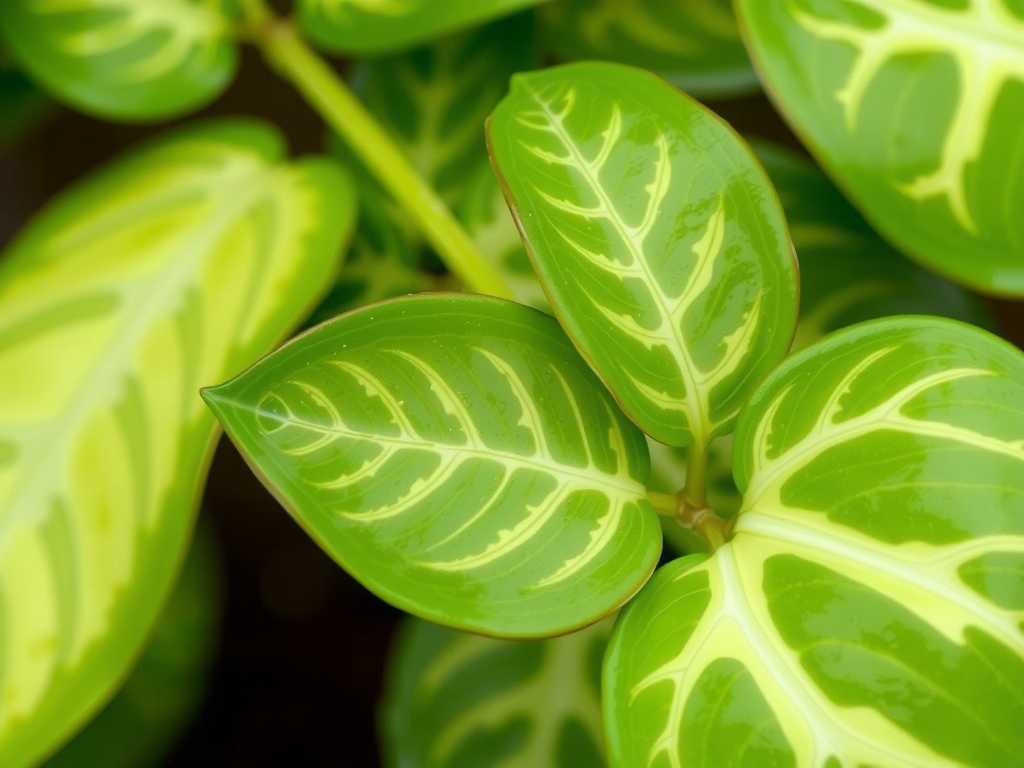
A Side-by-Side Visual Comparison: The Key to Telling Them Apart
The most reliable way to distinguish Glacier from N'Joy is through a careful visual inspection. While both boast gorgeous green-and-white variegation, the devil is in the details.
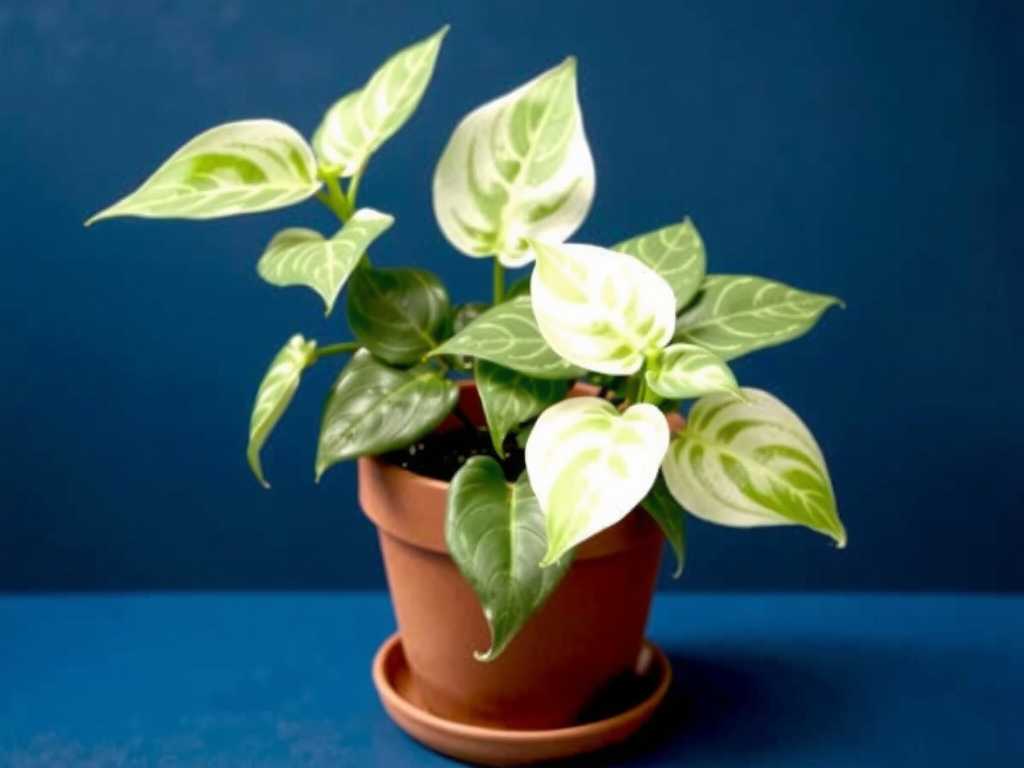
Leaf Shape and Structure This is one of the most consistent differentiators. Glacier Pothos leaves are generally more rounded and heart-shaped. They often appear slightly wider than they are long, with a soft, almost plump curvature. In contrast, N'Joy Pothos leaves are more elongated and oval. They tend to be longer, with a pointier tip and a less pronounced heart shape. The leaf structure of N'Joy is also typically flatter and less textured.
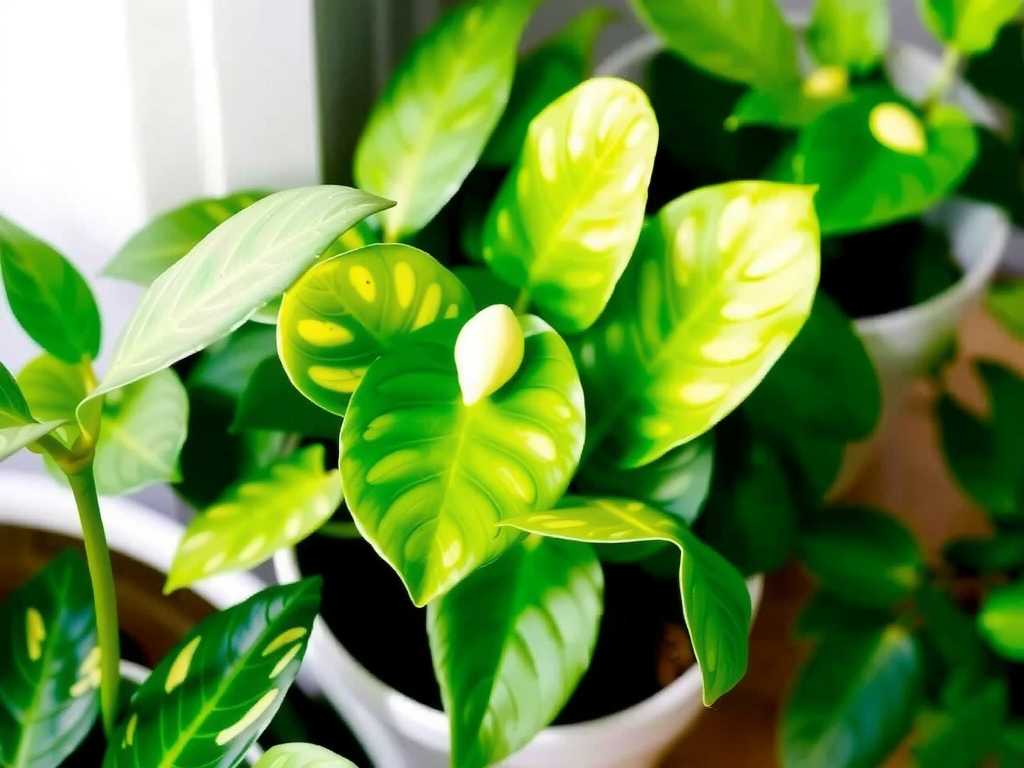
The Nature of Variegation and Color Patterns Here lies the most dramatic difference. N'Joy Pothos is famous for its bold, blocky variegation. The green and white sections are sharply divided, with very clear, distinct boundaries. The white parts are often a pure, creamy white, and the green is a solid medium green. You'll rarely see speckling or mixing within a single section.
Glacier Pothos, however, presents a more complex and subtle variegation. Its pattern includes not just green and white, but often silvery-gray or silvery-green hues. The variegation is more marbled and speckled. Instead of sharp blocks, you'll see the colors blend and mingle, with tiny dots and streaks of silver and green within the white areas, and lighter speckles within the green. This gives Glacier a softer, more nuanced appearance.
Growth Habit and Vine Structure Observant growers note differences in how these plants develop. N'Joy Pothos tends to have a more compact, bushy growth habit, especially when given adequate light. Its internodes (the spaces between leaves on the vine) are often shorter. Glacier Pothos may exhibit slightly longer internodes, giving it a more trailing or vining appearance as it matures. However, growth patterns can be influenced by light, so this should be used as a secondary clue alongside visual traits.
Detailed Breakdown of Glacier Pothos Characteristics
To solidify your identification skills, let's examine each variety in isolation, starting with Glacier Pothos.
The Signature "Frosted" Look The defining feature of Glacier Pothos is its namesake appearance. The variegation isn't just white; it has a distinct silvery, grayish, or "frosted" quality. This is due to the intricate speckling of chlorophyll-lacking cells across the leaf surface. Under bright, indirect light, this silvery sheen becomes particularly apparent, setting it apart from the flat white of N'Joy.
Leaf Texture and Size Glacier leaves are typically smaller and more numerous on a vine compared to a mature N'Joy. They have a slightly thicker, more textured feel. The rounded shape is consistent, and the leaves often exhibit a gentle curl or undulation at the edges, adding to their unique charm.
A Note on Rarity and Availability It's worth mentioning that true Glacier Pothos is often considered rarer and harder to find than N'Joy. As noted by horticulturalist and author Jane Perrone in her discussions on rare houseplants, the confusion with similar cultivars has made sourcing authentic Glacier Pothos a specific challenge for collectors. This rarity can sometimes be reflected in its price.
Detailed Breakdown of N'Joy Pothos Characteristics
Now, let's turn our focus to the crisp, graphic beauty of the N'Joy Pothos.
Crisp, Blocky Color Separation The hallmark of N'Joy is its high-contrast, almost digital-looking variegation. The transition from green to white is abrupt and clean. You won't find the silvery speckles of Glacier here. Each leaf looks as if someone carefully painted solid sections of color. This makes N'Joy one of the most visually striking and easily recognizable pothos varieties once you know what to look for.
Consistent Leaf Presentation N'Joy leaves are flatter and smoother in texture. Their elongated oval shape is a key identifier. The plant maintains a very tidy appearance, with variegation patterns that are bold and consistent from leaf to leaf, though the amount of white can vary dramatically. Some leaves may be almost entirely white, while others are mostly green.
Growth and Care Specifics N'Joy is known for being a relatively slow grower, especially in lower light conditions where it may revert (produce more green leaves). To maintain its stunning variegation and compact form, it requires brighter indirect light than many other pothos types. A study on variegated plant physiology in the Journal of Horticultural Science confirms that plants with high-contrast variegation like N'Joy often have reduced chlorophyll, necessitating optimal light to sustain growth and pattern expression.
Practical Identification Tips for Buyers and Sellers
Armed with this knowledge, you can apply it in real-world scenarios, whether you're shopping online or at a local nursery.
What to Look for at the Nursery or Online Store Always examine the leaf pattern first. Look for speckling and silvery tones to identify Glacier. Look for sharp, blocky color divisions to identify N'Joy. Check the leaf shape: rounder for Glacier, more oval for N'Joy. Don't rely solely on pot labels, as mislabeling is unfortunately common. Take a close-up photo and compare it to verified images from reputable plant sellers or botanical databases.
Common Misidentifications and Look-Alikes The confusion doesn't stop with these two. Pearls and Jade Pothos is another cultivar that is frequently mixed up with both. Pearls and Jade has green leaves with white and gray-green speckles and edges, sharing Glacier's speckling but in a different pattern. Manjula Pothos has larger, wavier leaves with creamy, white, silver, and green patches in a more chaotic mix. Remember, Glacier has speckles within the white, while N'Joy has solid blocks of white.
Care Differences Stemming from Identification Correct identification informs care. Due to its potentially higher degree of white variegation, N'Joy generally requires more bright, indirect light to thrive and avoid reverting to green. Glacier, with its intricate speckling, also appreciates good light but may be slightly more forgiving. Both need well-draining soil and should be allowed to dry out partially between waterings, but N'Joy's slower growth might mean less frequent watering overall.
FAQs: Your Quick-Reference Questions Answered
Is Glacier Pothos the same as N'Joy? No, they are distinct cultivars of Epipremnum aureum. They have different genetic lineages and exhibit clear visual differences in leaf shape and variegation pattern, as outlined above.
Which one grows faster, Glacier or N'Joy Pothos? Generally, Glacier Pothos is observed to have a moderately faster growth rate compared to N'Joy. N'Joy is notoriously one of the slower-growing pothos varieties, especially if it is not receiving sufficient bright, indirect light to support its highly variegated leaves.
Can low light cause them to look similar and lose their variegation? Yes, inadequate light is a primary cause of "reversion" in both plants. In low light, they will produce more green leaves to maximize chlorophyll production for survival. A reverted N'Joy or Glacier can look very similar—mostly green. However, under proper light, their distinct patterns will return on new growth. This underscores the importance of correct lighting to maintain the unique beauty you paid for.
By focusing on leaf shape, the quality of the white variegation, and the overall growth pattern, you can now confidently identify whether you have a Glacier or an N'Joy Pothos. This knowledge empowers you to provide tailored care, track your collection accurately, and make informed purchases. Remember, the rounded, silvery-speckled leaves belong to the Glacier, while the oval, sharply contrasted leaves are the signature of the N'Joy. Happy growing


发表评论