 admin
admin How to Choose Pothos Varieties for a Pet-Friendly Home
You love the lush, trailing beauty of pothos plants. They’re famously low-maintenance, purify the air, and bring a vibrant touch of green to any room. But if you share your home with curious cats or playful dogs, a pressing question arises: are these popular houseplants safe? The unfortunate truth is that many common pothos varieties contain insoluble calcium oxalate crystals, which can cause significant discomfort for your pets. This creates a real dilemma for plant-loving pet parents who don’t want to choose between their furry family and a green oasis.
The good news? With the right knowledge, you can navigate this challenge. This guide is designed to help you make informed, safe choices. We’ll explore which pothos are risks, highlight safer look-alike alternatives, and provide a clear framework for creating a home that is both botanically beautiful and pet-secure.
Understanding the Risk: Why Most Pothos and Pets Don't Mix
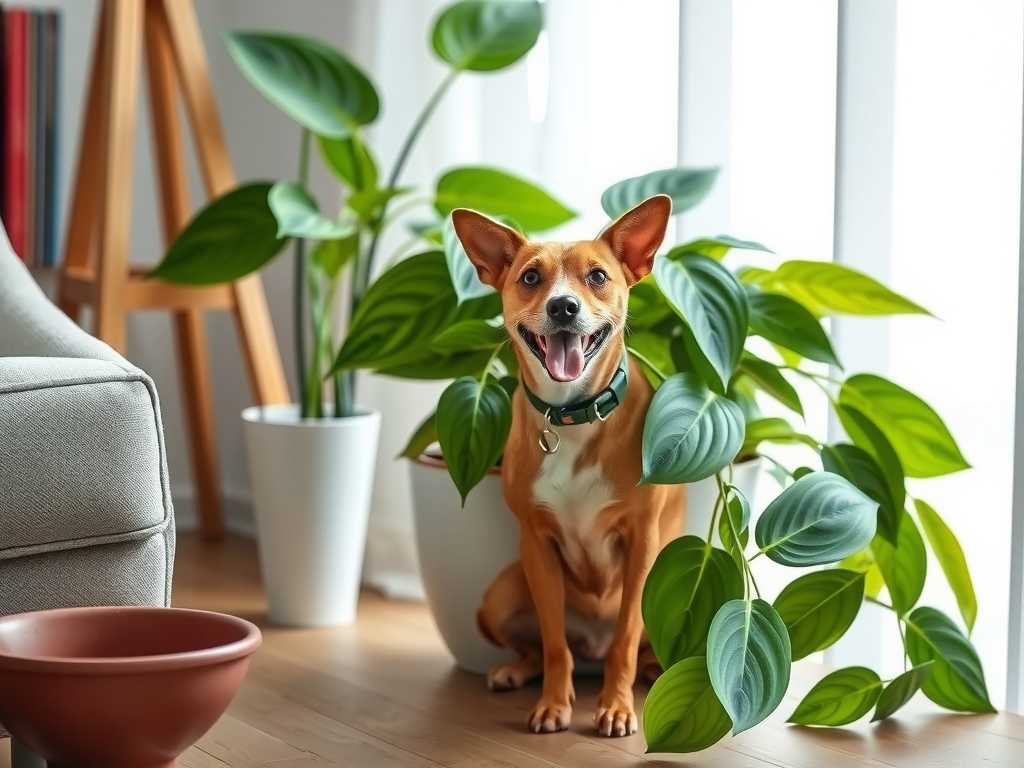
Pothos plants, scientifically classified under the Epipremnum aureum species, are considered toxic to cats and dogs by leading authorities like the ASPCA (American Society for the Prevention of Cruelty to Animals). The culprit is those insoluble calcium oxalate crystals.
If a pet chews on a leaf or stem, these microscopic, needle-shaped crystals are released. They can penetrate the soft tissues of the mouth, throat, and stomach, leading to immediate and painful symptoms. It’s a defensive mechanism for the plant, but a dangerous one for your companion.
Recognizing the signs of pothos poisoning is crucial for any pet owner. Symptoms typically appear rapidly and may include:
- Oral irritation: Excessive drooling, pawing at the mouth, or vocalizing in pain.
- Swelling: Swelling of the lips, tongue, and upper airway, which can, in severe cases, impact breathing.
- Gastrointestinal upset: Vomiting, retching, or difficulty swallowing.
- Loss of appetite.
While pothos toxicity is rarely fatal, the experience is intensely unpleasant and can necessitate a stressful and costly visit to the veterinarian. Therefore, prevention through smart plant selection is the absolute best strategy.
A Closer Look at Common Pothos Varieties and Their Risk Level
Not all plants called "pothos" are equally risky, and some aren't true pothos at all. Let's break down the most popular types you'll encounter.
High-Risk True Pothos (Epipremnum aureum): These are the classic varieties you’ll find in most garden centers. All parts of these plants contain the harmful crystals.
- Golden Pothos: The most common, with heart-shaped green leaves marbled with yellow.
- Marble Queen Pothos: Features stunning white and green variegation.
- Jade Pothos: A solid, deep green version.
- Neon Pothos: Known for its bright, almost fluorescent green leaves.
- Manjula Pothos: Has highly variegated, wavy leaves with cream, silver, and green.
For a pet-friendly home, these should be avoided or placed in an absolutely inaccessible location—a difficult feat with determined cats or large dogs.
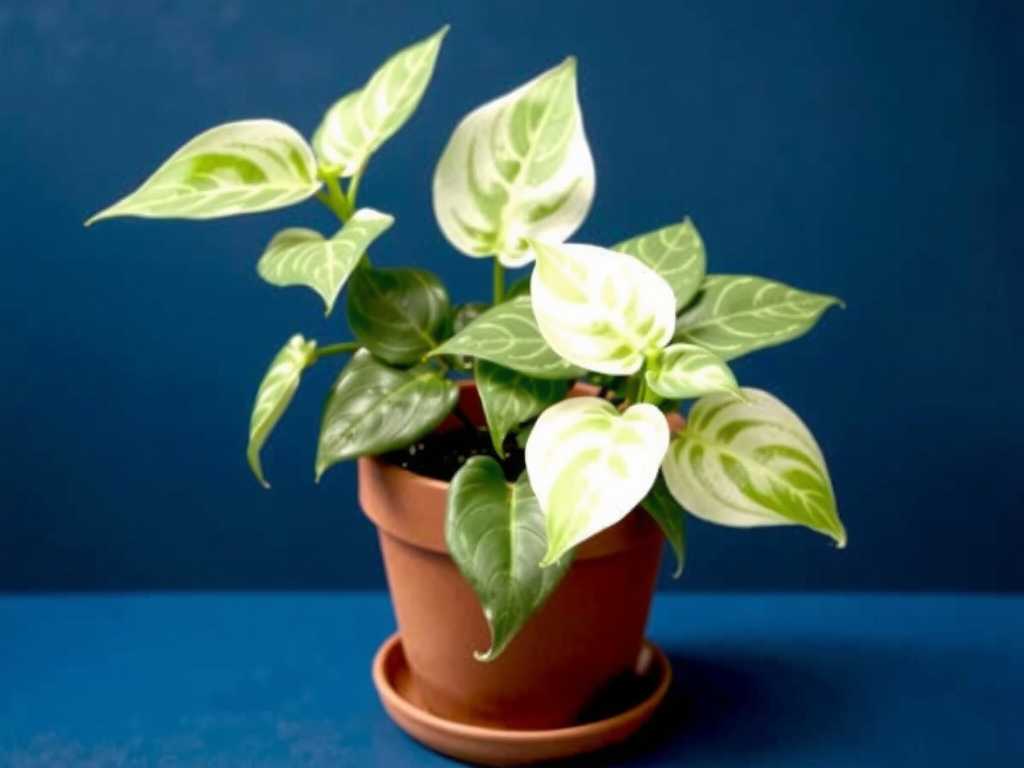
The "Blue" Pothos Exception: A Safer Choice Here is the key information for pet owners: The plant often sold as Satin Pothos or Silver Pothos is not a true Epipremnum aureum. Its botanical name is Scindapsus pictus. According to horticultural experts and pet safety databases, Scindapsus pictus is generally considered non-toxic to cats and dogs.
While it can still cause mild stomach upset if ingested in large quantities—as any non-food plant might—it does not contain the same high concentration of irritating calcium oxalate crystals. This makes it a vastly safer option for homes with pets. Its beautiful, velvety leaves with silver splashes offer a very similar aesthetic to true pothos.
Creating a Pet-Safe Indoor Jungle: Alternatives and Strategies
If your heart is set on the pothos look but you prioritize safety, you have excellent options.
1. Opt for Proven Pet-Safe Lookalikes: Several trailing plants offer the same cascading habit without the toxicity.
- Spider Plant (Chlorophytum comosum): A champion of pet-friendliness, easy to grow, and produces adorable "spiderettes."
- Swedish Ivy (Plectranthus verticillatus): Features rounded, glossy leaves on trailing stems and is completely non-toxic.
- Peperomia ‘Hope’ (Peperomia spp.): A delightful trailing variety with small, rounded leaves, safe for pets.
- String of Hearts (Ceropegia woodii): A delicate trailer with charming heart-shaped leaves, pet-safe.
2. Master the Art of Strategic Placement: For those who already own a true pothos and cannot bear to part with it, placement is everything.
- High and Secure: Use tall, sturdy plant stands in corners away from furniture cats can jump from. Ceiling hooks and hanging planters are ideal for creating an untouchable green display.
- Employ Deterrents: Use pet-safe bitter sprays on the pot and surrounding area. Placing citrus peels or aluminum foil around the base can also deter some cats.
- Supervise and Train: Consistently redirect your pet's attention away from plants and reward them for ignoring them.
3. Build Knowledge as Your First Defense: Always double-check the scientific name of a plant before purchasing. Common names can be misleading. Bookmark the ASPCA's comprehensive toxic and non-toxic plant lists on your phone for quick reference while shopping. This habit is your most powerful tool.
What should I do immediately if I suspect my pet has eaten pothos? First, safely remove any plant material from your pet's mouth if possible. Contact your veterinarian or the ASPCA Animal Poison Control Center (888-426-4435) immediately. Do not induce vomiting unless instructed by a professional. If you can, bring a sample or photo of the plant to aid identification.
Are there any truly non-toxic pothos plants? While no true Epipremnum aureum (Golden, Marble Queen, etc.) is non-toxic, the Satin Pothos (Scindapsus pictus) is a closely related and visually similar plant that is widely regarded as safe for pets. It is the best choice for achieving the pothos aesthetic without the high risk.
Can I make my existing pothos plant safe for my pets? No, you cannot change the plant's inherent toxicity. The calcium oxalate crystals are a permanent part of its structure. Your only options are to permanently relocate the plant to an inaccessible space (like a closed room your pets never enter) or rehome it to a pet-free household and replace it with a verified pet-safe alternative.
Creating a home that nurtures both your love for plants and your commitment to your pet's well-being is entirely possible. It requires a shift from impulse buying to informed selection. By understanding the specific risks associated with true pothos, embracing the safer Scindapsus pictus, and incorporating verified non-toxic trailing plants, you can cultivate a thriving indoor garden that brings you peace of mind alongside its natural beauty. Start with one safe plant, place it thoughtfully, and grow your pet-friendly jungle from there.
发表评论