 admin
admin Your Silver Satin Pothos is a stunning houseplant, prized for its velvety, silver-splashed leaves. But what happens when that signature silvery sheen starts to fade, or the leaves begin to look dull, yellow, or brown? Keeping that beautiful metallic glow isn't just about luck—it's about understanding exactly what this unique plant needs. This comprehensive guide will walk you through every step of how to care for Silver Satin Pothos to ensure it not only survives but thrives, maintaining its spectacular shimmering foliage.
Understanding Your Silver Satin Pothos
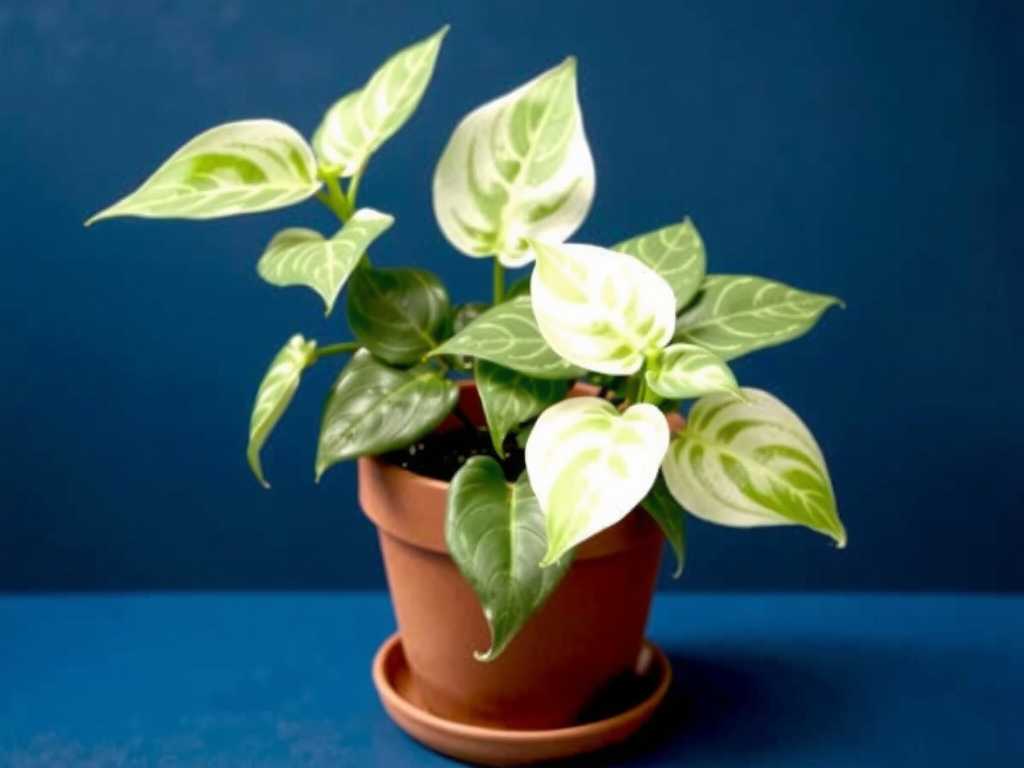
Before diving into care routines, it helps to know your plant. The Silver Satin Pothos, botanically known as Scindapsus pictus, is often grouped with true Pothos (Epipremnum aureum) but is a distinct species. Its charm lies in the thick, matte-green leaves dappled with iridescent silver variegation. This variegation isn't just for show; it means the leaves have less chlorophyll. Consequently, the plant has slightly different needs than its solid-green cousins, particularly when it comes to light. Understanding this is the first secret to preserving its silvery beauty.
The Golden Rule: Perfecting Light Exposure
Light is the single most critical factor in maintaining the silvery sheen of Scindapsus pictus. Too little light, and the plant will revert to producing more green chlorophyll to survive, causing the silver markings to fade and become less pronounced. The new growth may also become smaller and more widely spaced.
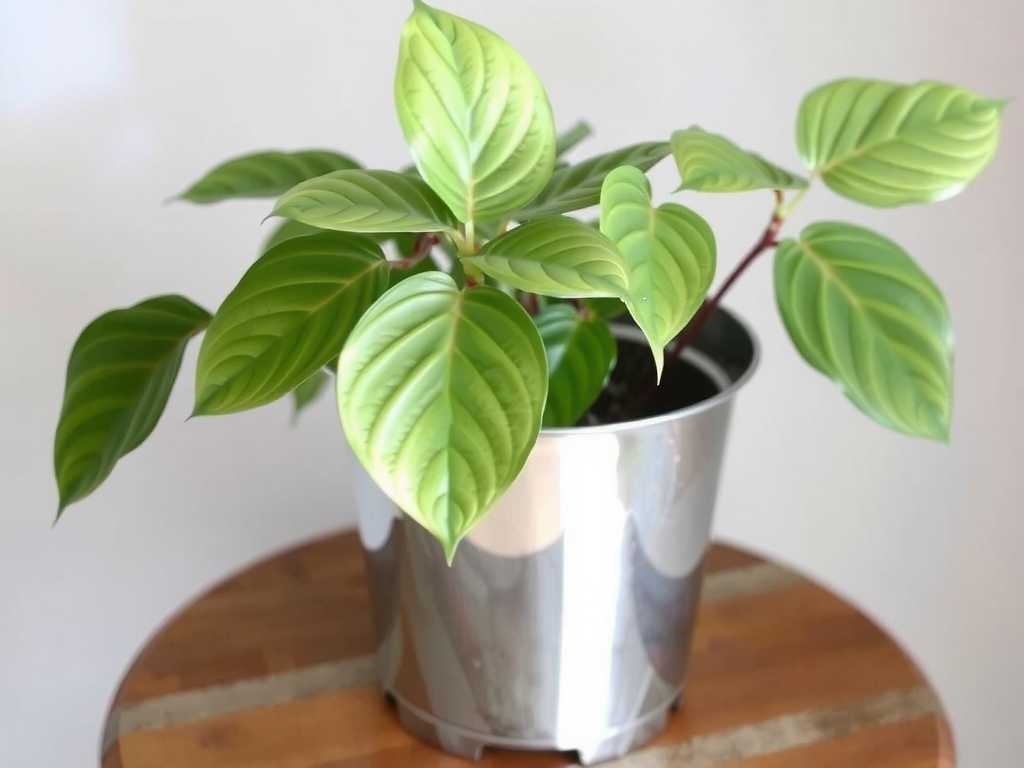
- Ideal Light Conditions: Provide bright, indirect light. An east-facing window is perfect, or a spot a few feet back from a south or west-facing window with a sheer curtain. The goal is to give it plenty of light without exposing the delicate leaves to harsh, direct sunbeams, which can scorch and fade them.
- Signs of Incorrect Light: Leggy vines with small leaves indicate too little light. Brown, crispy patches or bleached, washed-out leaves signal too much direct sun.
- Pro Tip: Rotate your plant a quarter turn every time you water to ensure all sides receive even light and grow uniformly.
Watering Wisely: The Soak and Dry Method
Overwatering is the fastest way to a sad, drooping Silver Satin. Its slightly thicker leaves mean it's more drought-tolerant than you might think.
- When to Water: Always check the soil first. Insert your finger about 2 inches into the potting mix. Water only when the top 50-75% of the soil feels dry. The leaves will also give you a hint—they may start to curl slightly when thirsty.
- How to Water: Use the "soak and dry" method. Take the plant to the sink and water thoroughly until excess water drains freely from the bottom. This ensures the entire root ball is hydrated. Never let the plant sit in a saucer of standing water.
- Water Quality: Use room-temperature water. If possible, let tap water sit out overnight to allow chlorine to dissipate, as sensitive plants can react to chemicals.
The Foundation: Soil and Potting
The right soil mix ensures your watering efforts are successful. Silver Satin Pothos needs a well-draining, aerated mix that holds some moisture but never becomes soggy.
- Ideal Soil Mix: A standard, high-quality indoor potting mix amended with perlite and orchid bark is excellent. A simple recipe is 2 parts potting mix to 1 part perlite and 1 part orchid bark. This creates a chunky, airy environment for the roots.
- Choosing a Pot: Always use a pot with drainage holes. Terracotta pots are a great choice as they are porous and help wick away excess moisture, reducing the risk of root rot.
Creating a Comfortable Home: Humidity and Temperature
Native to tropical Southeast Asia, this plant appreciates warm, humid conditions but is quite adaptable to average household environments.
- Humidity: While it tolerates average humidity (around 40%), it will truly flourish with higher levels (50-60%). You can boost humidity by placing the plant on a pebble tray filled with water, grouping it with other plants, or using a small humidifier nearby. This helps prevent the leaf tips from browning.
- Temperature: Keep your plant in a warm spot between 65°F and 85°F (18°C - 29°C). Protect it from cold drafts, air conditioning vents, and sudden temperature drops below 60°F (15°C).
Feeding for Luster: Fertilization
To support vibrant growth and that coveted silver variegation, your plant needs nutrients during its active growing season.
- Fertilizer Type: Use a balanced, water-soluble houseplant fertilizer (e.g., a 10-10-10 or 20-20-20 formula).
- Feeding Schedule: Fertilize monthly during the spring and summer. Dilute the fertilizer to half the recommended strength to avoid burning the roots. Do not fertilize in the fall and winter when growth naturally slows.
Routine Maintenance for Lasting Beauty
Regular upkeep goes a long way in keeping your plant looking its best.
- Cleaning the Leaves: Dust can clog the pores on the leaves, hindering photosynthesis and dulling the silvery spots. Gently wipe the leaves every few weeks with a soft, damp cloth. This allows the plant to breathe and its colors to shine.
- Pruning and Propagation: Prune back any long, leggy vines to encourage bushier growth. You can easily propagate these cuttings in water or moss to create new plants. Simply cut below a node (the small bump on the stem) and place it in your chosen medium.
- When to Repot: Repot every 1-2 years in the spring, or when you see roots circling the bottom of the pot or growing out of the drainage holes. Move up only one pot size (1-2 inches larger in diameter).
Troubleshooting Common Problems
Even with great care, issues can arise. Here’s how to diagnose and fix them.
- Yellowing Leaves: This is most often a sign of overwatering and potential root rot. Check the soil moisture and ensure the pot drains properly.
- Brown Leaf Tips or Edges: Usually caused by low humidity, underwatering, or a buildup of salts and minerals from fertilizer. Increase humidity, check your watering consistency, and consider flushing the soil with water every few months.
- Loss of Variegation / Fading Silver: As discussed, this is a classic sign of insufficient light. Move the plant to a brighter location.
- Pests: Keep an eye out for common houseplant pests like spider mites, mealybugs, and fungus gnats. Wipe leaves regularly and treat any infestations early with insecticidal soap or neem oil.
Why are the leaves on my Silver Satin Pothos curling? Leaf curling is typically a sign of underwatering or very low humidity. The plant is trying to reduce its surface area to conserve moisture. Check the soil; if it's bone dry, give it a thorough soak. If humidity is low, consider implementing some of the humidity-boosting methods mentioned above.
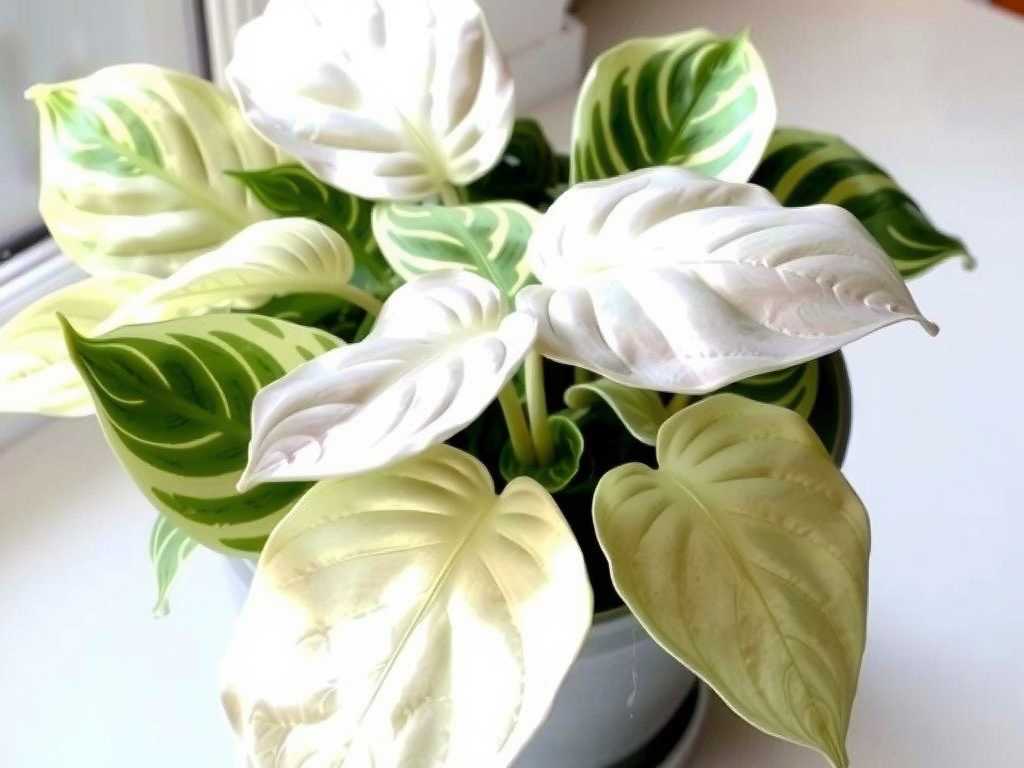
Can I grow Silver Satin Pothos in low light? While it can survive in low light, it will not thrive. In low light, growth will be extremely slow, the vines will become leggy, and most importantly, the beautiful silver variegation will fade as the plant produces more green chlorophyll. For the best color, bright, indirect light is non-negotiable.
Is Silver Satin Pothos safe for pets? No. Like many plants in the Araceae family, Scindapsus pictus contains insoluble calcium oxalate crystals. If ingested by cats or dogs, it can cause oral irritation, drooling, vomiting, and difficulty swallowing. It's best to keep this plant out of reach of curious pets.
Caring for a Silver Satin Pothos is a rewarding experience that pays off in a cascade of luminous, silver-adorned leaves. The key is to mimic its natural tropical understory habitat: provide it with plenty of bright, filtered light, water it thoroughly but infrequently, and offer a cozy atmosphere with warmth and humidity. By paying attention to its signals—the slight curl of a thirsty leaf, the fade of a pattern seeking more light—you become attuned to its needs. With this consistent care, your Scindapsus pictus will reward you for years with its captivating, metallic glow, making it a standout centerpiece in your indoor jungle.
发表评论