 admin
admin How to Care for Jessenia Pothos to Preserve Its Unique Variegation
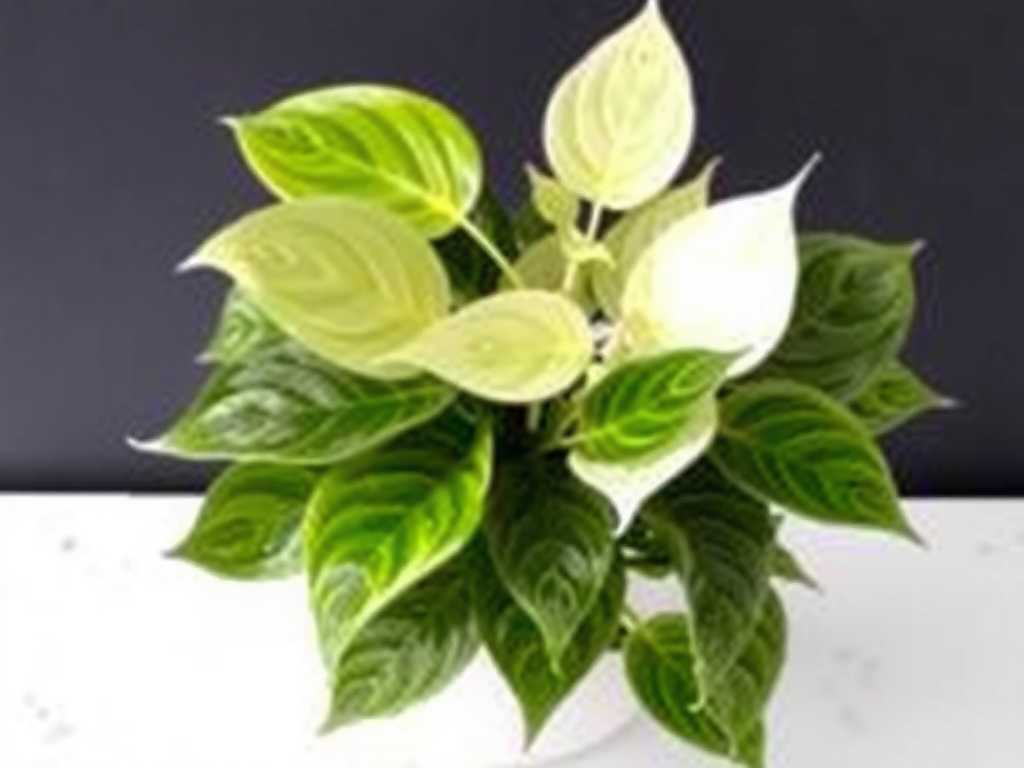
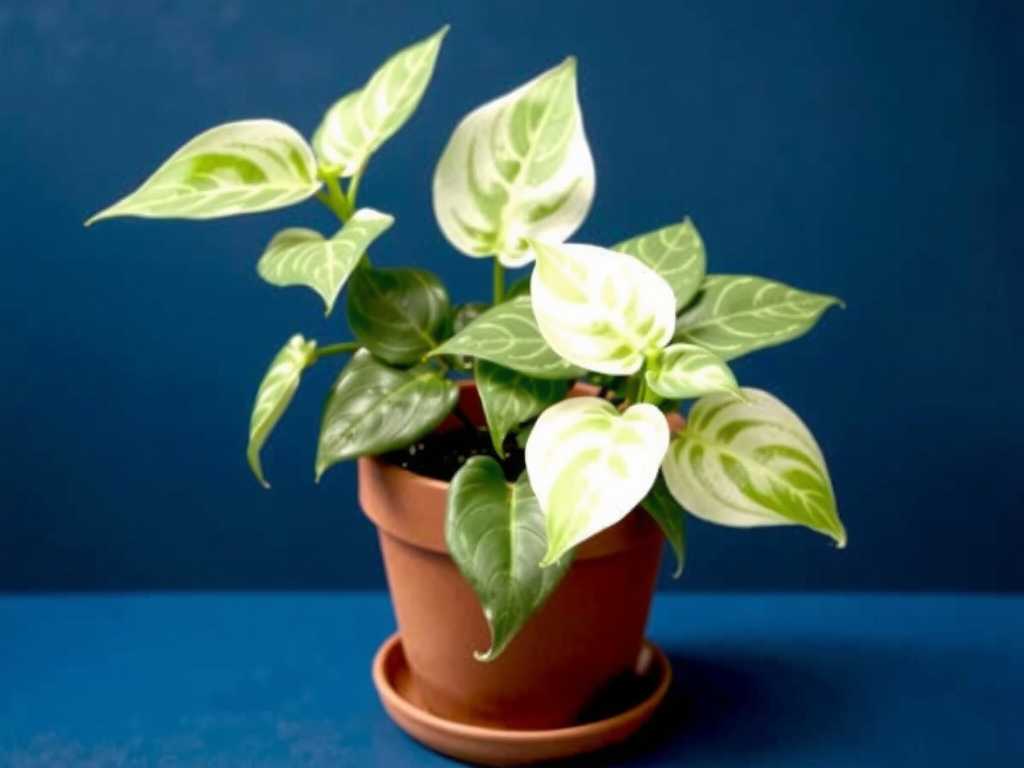
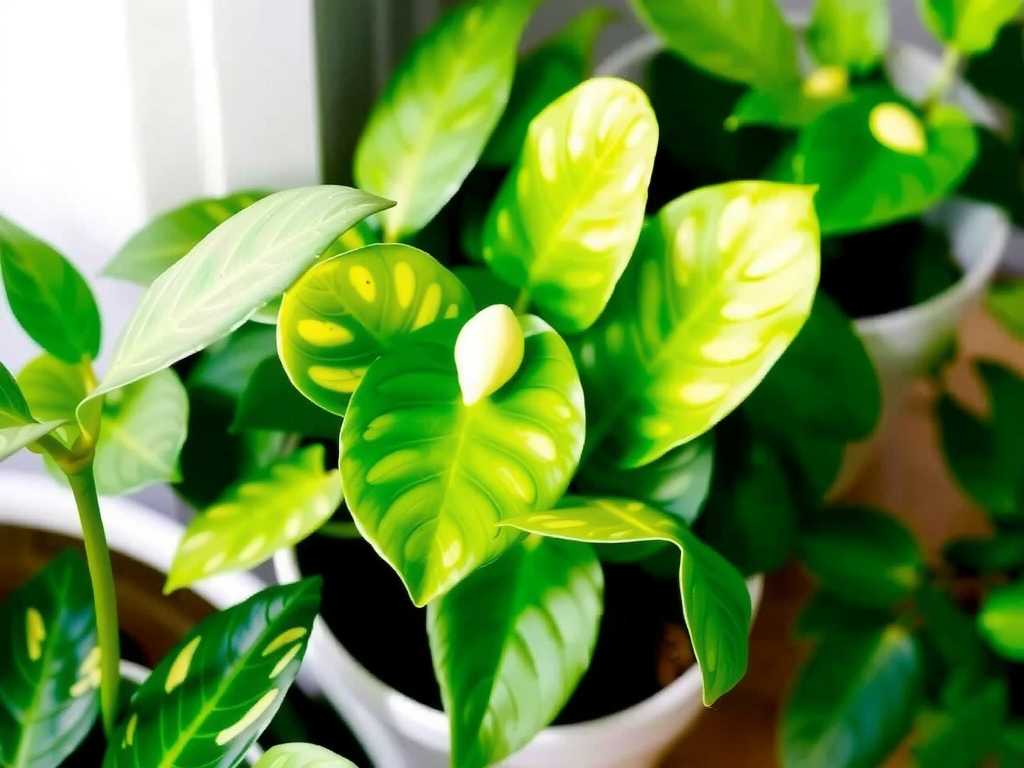
You’ve finally found it—the stunning Jessenia Pothos with its mesmerizing chartreuse and green marbled leaves. But now, a quiet worry sets in. What if those beautiful, unique patterns start to fade? What if new leaves come in solid, dull green, losing the very charm that made you bring this plant home? This fear is real for many plant lovers. Preserving the distinct variegation of a Jessenia Pothos isn't just about luck; it's a direct result of specific, informed care. Unlike its solid green cousins, this variegated beauty demands a more nuanced approach to light, water, and pruning to maintain its spectacular show.
Understanding Jessenia Pothos Variegation
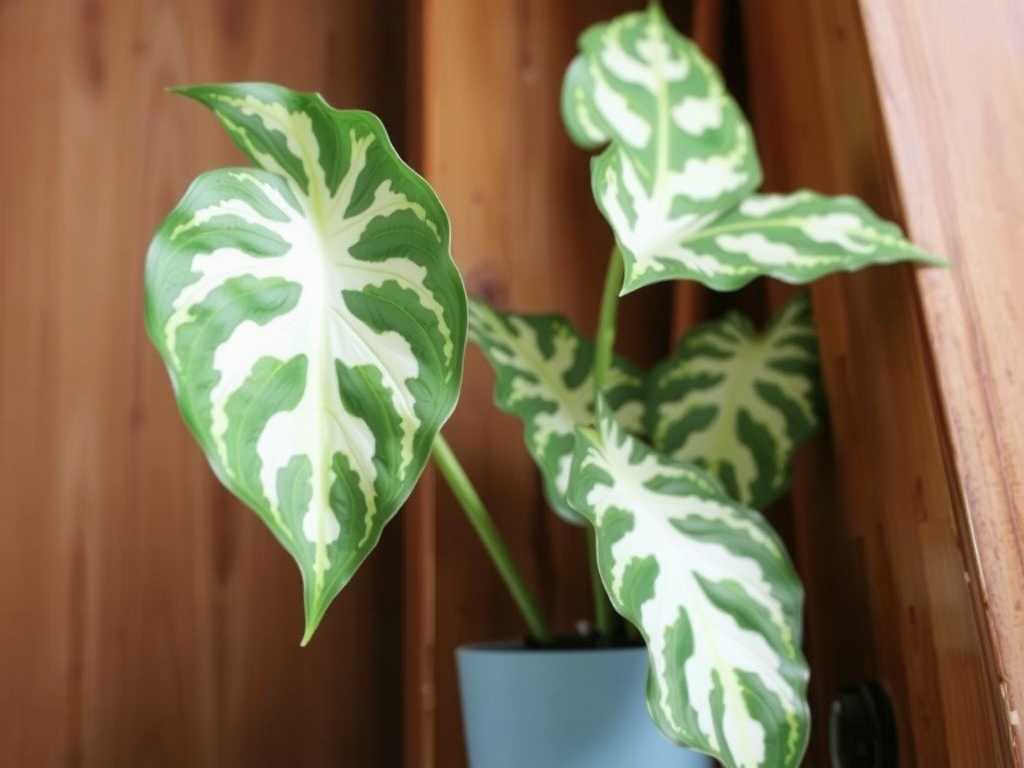
First, let's understand what we're trying to preserve. The variegation in Jessenia Pothos is a natural mutation. The lighter, lime-green to yellow sectors on the leaves lack the full amount of chlorophyll, the pigment plants use to convert light into energy. This creates its stunning marbled effect. However, because these lighter areas are less efficient at photosynthesis, the plant has a built-in survival mechanism: under low-light conditions, it may produce more solid green leaves to maximize energy production. Our goal is to provide care that encourages the plant to express its variegation without stressing it.
The Golden Rule: Providing Optimal Light
This is the single most critical factor in preserving Jessenia Pothos variegation. Light dictates the plant's energy calculus and directly signals whether to produce variegated or green growth.
Aim for bright, indirect light. Place your Jessenia near an east-facing window where it gets gentle morning sun, or a few feet back from a south or west-facing window, shielded by a sheer curtain. The goal is to provide abundant light without the harsh, direct rays that can scorch the delicate leaves.
What does "bright, indirect light" look like? It should cast a soft, but defined shadow. An easy test is to hold your hand about a foot above the leaves around midday; you should see a fuzzy but clear shadow. Insufficient light is the primary culprit for fading variegation. In dim corners, the plant will prioritize chlorophyll production, leading to progressively greener new growth. As noted in a study on variegated plant physiology published in the Journal of Experimental Botany, light intensity directly regulates the expression of genes related to chlorophyll development in variegated tissues.
Avoid direct afternoon sun. While some morning direct sun can be beneficial, intense afternoon sunlight can bleach the beautiful colors, causing brown, crispy scorch marks on both the green and variegated parts.
Watering Wisely for Healthy Roots
Healthy roots support vibrant foliage. Your watering routine should adapt to the light conditions you provide. A plant in brighter light will use water more quickly than one in lower light.
The "soak and dry" method is highly effective. Water thoroughly until excess water drains freely from the pot's bottom, ensuring the entire root ball is hydrated. Then, allow the top 1-2 inches of soil to dry out completely before watering again. Stick your finger into the soil to check; don't just rely on the surface appearance.
Overwatering is a silent killer. Soggy soil leads to root rot, which compromises the plant's entire system, including its ability to sustain existing variegation. Underwatering, while less immediately damaging, causes stress that can also hinder growth and color expression. Consistency is key.
Feeding for Foliage, Not Just Growth
Fertilizer supports the plant's metabolic processes, but more is not better. A balanced, gentle approach works best.
Use a balanced, water-soluble houseplant fertilizer (with an equal NPK ratio like 10-10-10 or 20-20-20) diluted to half the recommended strength. Apply this during the active growing season (spring and summer) once a month. In fall and winter, reduce feeding to once every two months or stop altogether.
Avoid over-fertilizing. Excess salts from fertilizer can build up in the soil, damaging roots and potentially causing brown leaf tips. A healthy, lightly fed plant is better equipped to produce and maintain its spectacular variegated leaves.
The Strategic Art of Pruning
Pruning is your most active tool for encouraging variegation. It directs the plant's energy and can correct course when needed.
Always prune just above a leaf node (the small bump on the stem where a leaf attaches). New growth will emerge from this point. If you notice a stem is producing several consecutive solid green leaves, trace it back to a point where it last had good variegation and make a cut just above a variegated node. This encourages the plant to send out new, hopefully more variegated, growth from that point.
Regular pruning of leggy stems also promotes a bushier, fuller plant. More growth points mean more opportunities for those stunning marbled leaves to appear.
Choosing the Right Soil and Pot
A well-draining potting mix is non-negotiable. Use a high-quality indoor potting mix and consider amending it with additional perlite or orchid bark (about a 20-30% ratio) to increase aeration and drainage. This prevents waterlogging and promotes healthy root respiration.
Pot size matters. Jessenia Pothos enjoys being slightly root-bound, which can actually encourage more vigorous foliage growth. Only repot when roots are visibly circling the bottom of the pot or growing out of the drainage holes, and increase the pot size by just 1-2 inches in diameter. A pot that is too large holds excess soil that stays wet for too long.
Troubleshooting Common Variegation Issues
- New leaves are mostly or all green: This is almost always a light issue. Gradually move your plant to a brighter location with strong indirect light. Review the light test mentioned earlier.
- Variegation is fading on existing leaves: While old leaves naturally age, widespread fading can indicate nutrient deficiency or, again, insufficient light. Ensure you are following a light feeding schedule and reassess light exposure.
- Brown edges on the variegated sections: The white/yellow parts are more sensitive. This can be due to low humidity, over-fertilization, or occasional underwatering. Increase humidity around the plant with a pebble tray or humidifier, and review your fertilizing and watering habits.
Can I propagate my Jessenia Pothos to get more variegated plants? Yes, absolutely. Stem cuttings in water or soil are the best method. For the highest chance of preserving variegation, select a cutting from a stem that shows strong, stable variegation. Ensure the cutting includes at least one node and one or two leaves. Root it in water or moist soil, and provide bright indirect light. Not every new plant will be identical, but choosing a well-variegated mother stem gives you the best odds.
Is misting beneficial for maintaining Jessenia Pothos leaves? Misting provides a very temporary boost in humidity and can help keep leaves dust-free. However, for truly affecting humidity levels—which can prevent brown, crispy tips especially on the variegated parts—a pebble tray with water or a room humidifier is far more effective and consistent. Avoid misting if your plant is in low-light conditions, as water sitting on leaves can promote fungal issues.
My plant is in bright light but still reverting. What else could it be? If light is sufficient, consider the other factors. Is the plant getting too much fertilizer, pushing rapid but weak green growth? Is it recovering from root damage due to overwatering? Sometimes, a stem simply carries a genetic tendency to revert. In this case, use strategic pruning as described above to remove the reverting section and encourage growth from more stable, variegated parts of the plant.
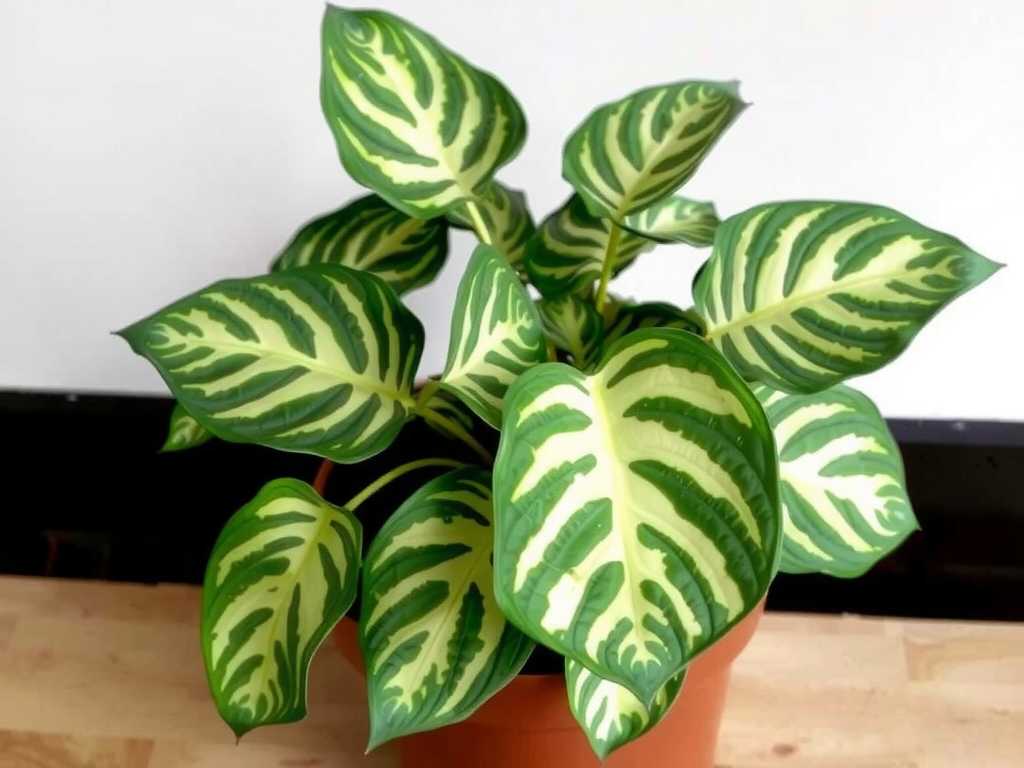
Caring for a Jessenia Pothos to keep its variegation vibrant is a rewarding practice that deepens your connection to the plant. It revolves around mastering the balance of light—providing enough to encourage color but not so much as to cause harm. Supporting this with thoughtful watering, light feeding, and strategic pruning creates the ideal environment for your plant to thrive and express its unique beauty. By observing its responses and adjusting your care, you can enjoy the dynamic, marbled foliage of your Jessenia Pothos for years to come.

发表评论