 admin
admin How to Choose Pothos Varieties for a Low-Maintenance Indoor Garden
You want a lush, green indoor garden, but your schedule is packed. You dream of vibrant foliage without the constant worry of watering schedules, precise sunlight, or complex feeding routines. The solution? Pothos plants. Renowned for their resilience and forgiving nature, pothos are the ultimate champions of low-maintenance indoor gardening. But with so many stunning varieties available, how do you pick the right one for your specific space and lifestyle? This guide will walk you through selecting the perfect pothos variety to create a thriving, easy-care green oasis.
Understanding the Pothos Plant: Your Low-Maintenance Ally
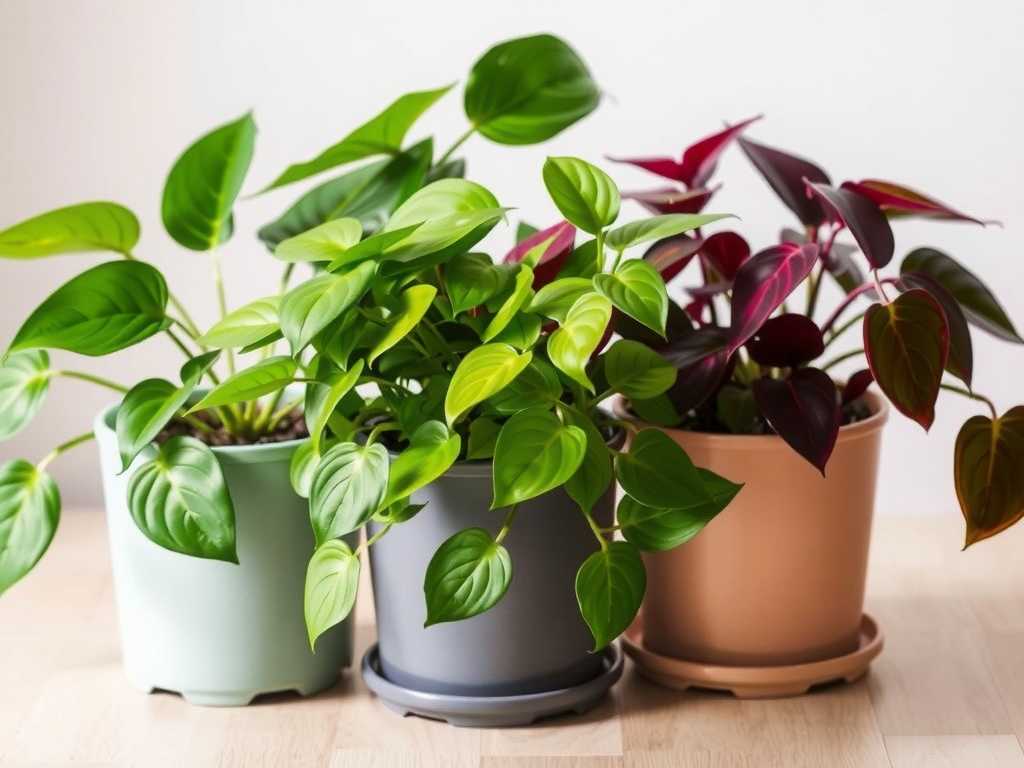
Before diving into varieties, it’s crucial to understand why pothos are ideal for beginners and busy plant owners. Scientifically part of the Epipremnum aureum species, these plants are incredibly adaptable. They tolerate a wide range of light conditions, from low light to bright, indirect light. They communicate their needs clearly—drooping leaves often signal thirst, while yellowing leaves can indicate overwatering. According to horticulturalists at the Royal Horticultural Society, pothos are among the top recommendations for improving indoor air quality with minimal effort, thanks to their proven ability to filter common household toxins.
Their growth habit is versatile. You can let them trail gracefully from a shelf, train them up a moss pole, or keep them bushy with regular pruning. This flexibility makes them suitable for almost any indoor design scheme.
Key Factors for Choosing Your Pothos Variety
Selecting the right pothos isn't just about picking the prettiest leaf. To ensure true low-maintenance success, consider these four pillars.
1. Assess Your Light Conditions
Light is the most critical factor. While all pothos are tolerant, their variegation and growth speed depend on it.
- Low Light Areas: Rooms with north-facing windows or offices with fluorescent lighting. For these spaces, choose varieties with darker green leaves, like the classic Jade Pothos or the deep green Global Green. They have more chlorophyll to photosynthesize efficiently in dimmer conditions.
- Medium to Bright Indirect Light: East or west-facing windows where sunlight is filtered. Here, you can enjoy the full spectrum of variegated types. The Golden Pothos, with its yellow marbling, and the Marble Queen Pothos, with its creamy white splashes, will show more vibrant and pronounced patterns in this light.
- Important Note: No pothos variety enjoys direct, harsh afternoon sun, which can scorch its leaves.
2. Define Your Aesthetic Goal
What look are you aiming for? Your choice can dramatically alter a room’s feel.
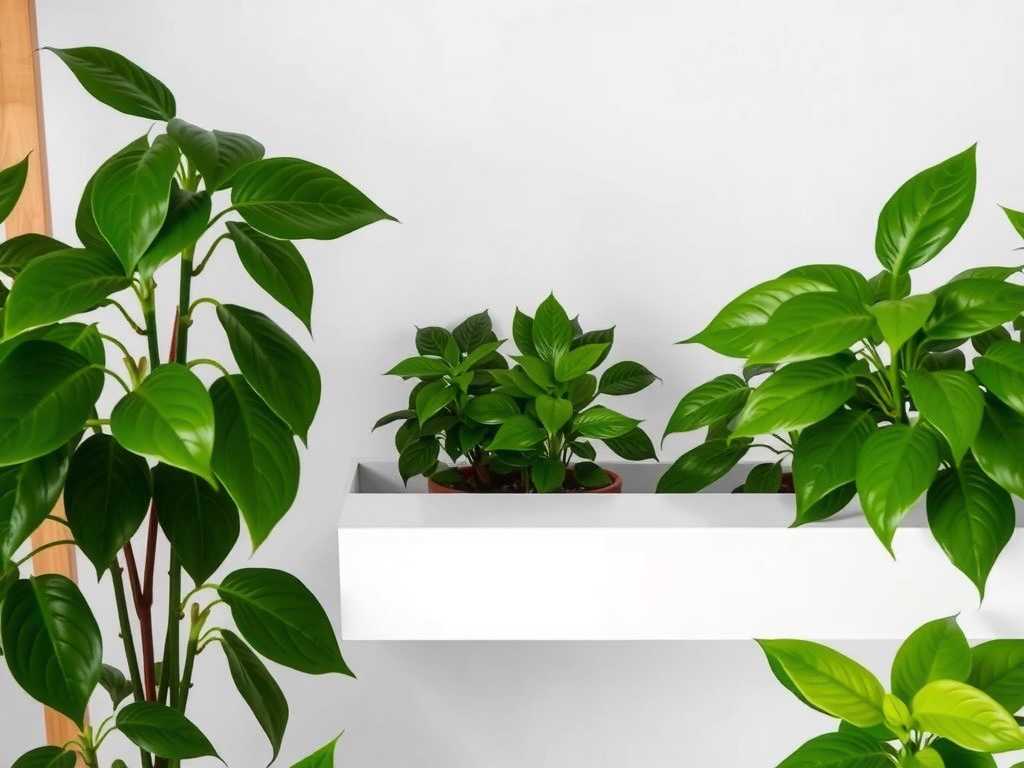
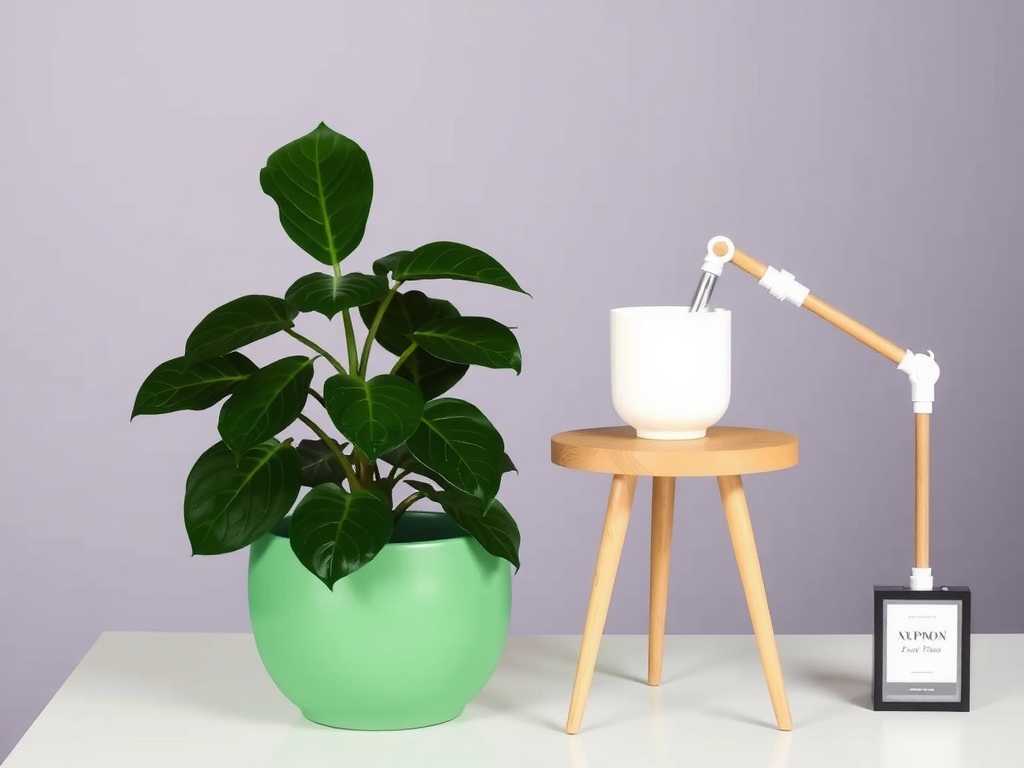
- Classic & Lush: Jade Pothos offers solid, deep emerald leaves for a rich, uniform green cascade.
- Bright & Cheerful: Golden Pothos is the most common for a reason—its green-and-gold leaves instantly brighten a corner.
- Elegant & Modern: For a sophisticated, high-contrast look, Marble Queen (cream and green) or Pearls and Jade (green with white and gray-green edges) are exceptional choices.
- Unique & Textured: Seek out varieties like Cebu Blue Pothos, which has silvery-blue, elongated, satin-textured leaves, or Manjula Pothos, known for its large, heart-shaped leaves with stunning white, cream, and green variegation that rarely repeats.
3. Consider Your Care Commitment Level
Even among easy plants, some pothos varieties are slightly more demanding. Truly low-maintenance pothos selection means matching the plant to your care habits.
- For the Forgetful Waterer: Stick with Jade or Golden Pothos. They are the most drought-tolerant and can handle occasional dry soil.
- For Those Who Tend to Over-Love (and Overwater): Varieties with more white variegation, like Marble Queen, have less chlorophyll. This can sometimes make them a tad slower growing and slightly more susceptible to root rot if overwatered. They require a well-draining potting mix.
4. Source Your Plant Responsibly
Your journey starts with a healthy plant. Purchase from reputable nurseries, garden centers, or online sellers with good reviews. Inspect for signs of health: firm leaves, vibrant color (according to its variety), and no visible pests like mealybugs or webbing. A healthy start is the first step to a low-maintenance experience.
Top Pothos Varieties for Effortless Greenery
Let’s explore some of the best pothos varieties that combine beauty with rugged simplicity.
Golden Pothos: The Unbeatable Starter Plant
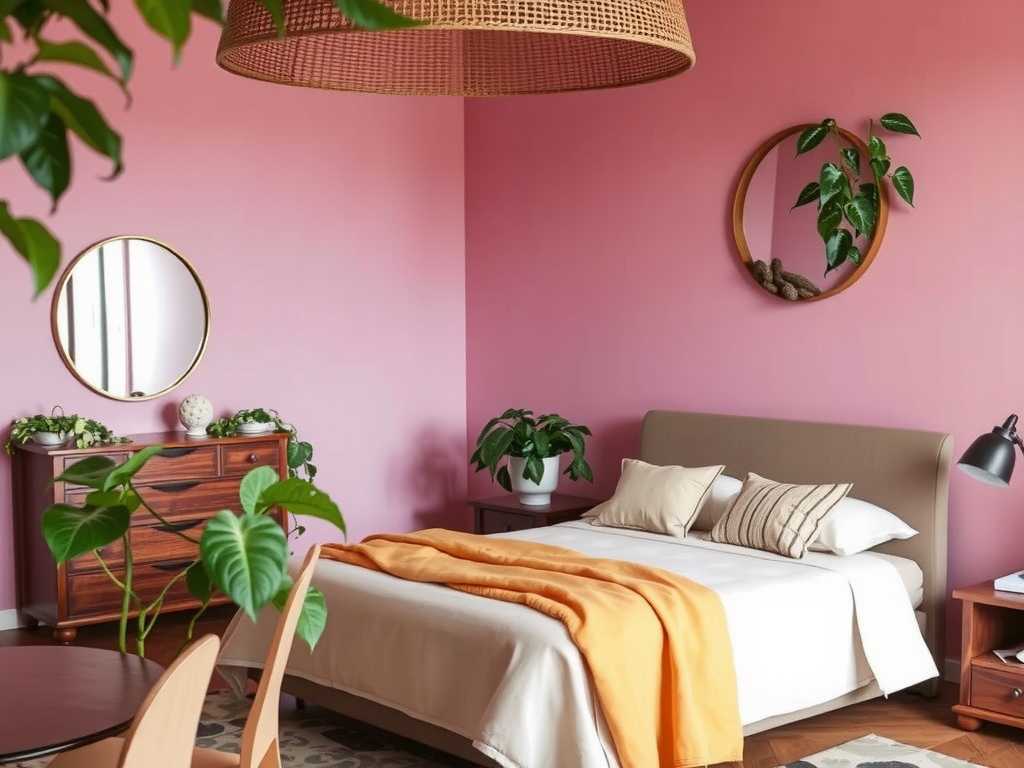
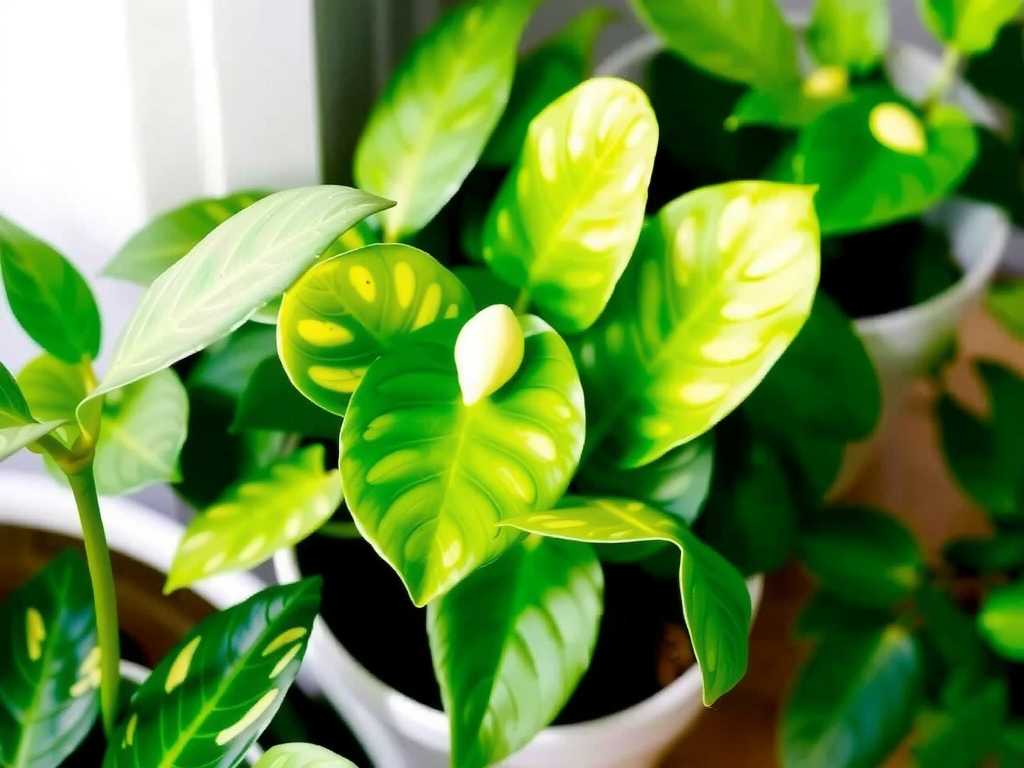
This is the quintessential pothos. Its heart-shaped leaves are splashed with golden-yellow variegation. It’s incredibly fast-growing and adaptable, thriving in conditions that would stress other plants. If you’re new to houseplants, start here. It’s a confident choice for low-light bedrooms or bright living rooms alike.
Jade Pothos: The Low-Light Specialist
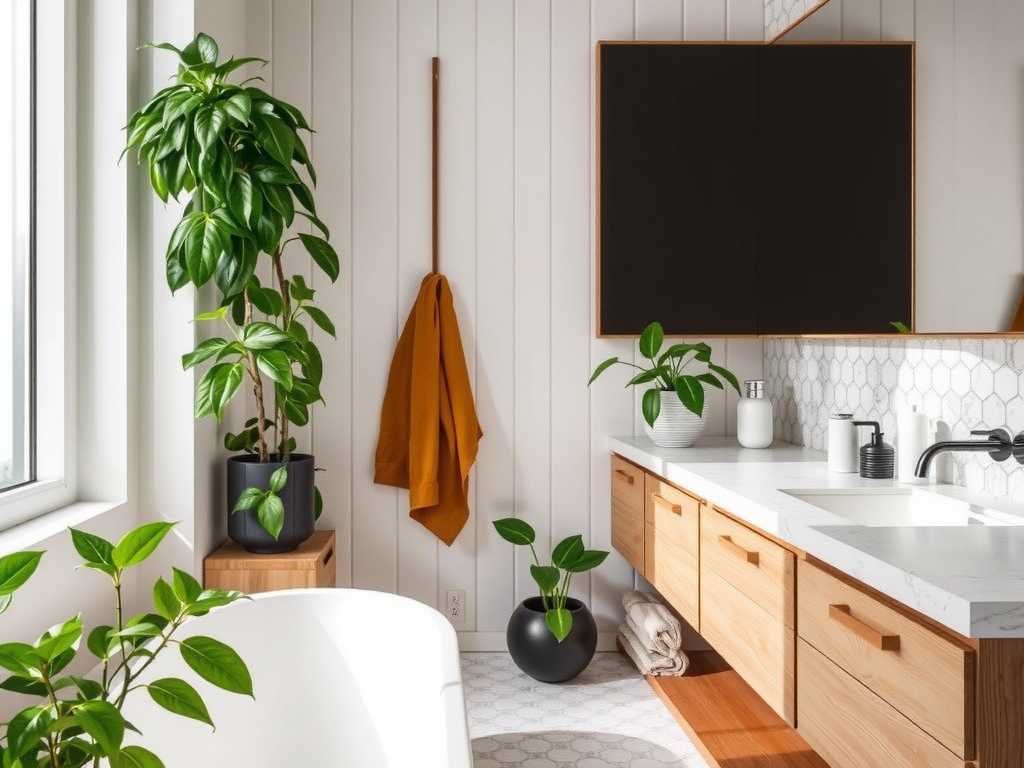
Featuring solid, glossy jade-green leaves, this variety is a powerhouse in low-light conditions. Its deep green color means it’s super-efficient at making energy from minimal light. It’s the perfect choice for a bathroom, hallway, or a desk far from a window. Its care requirements are arguably the simplest of all.
Marble Queen Pothos: The Striking Statement Maker
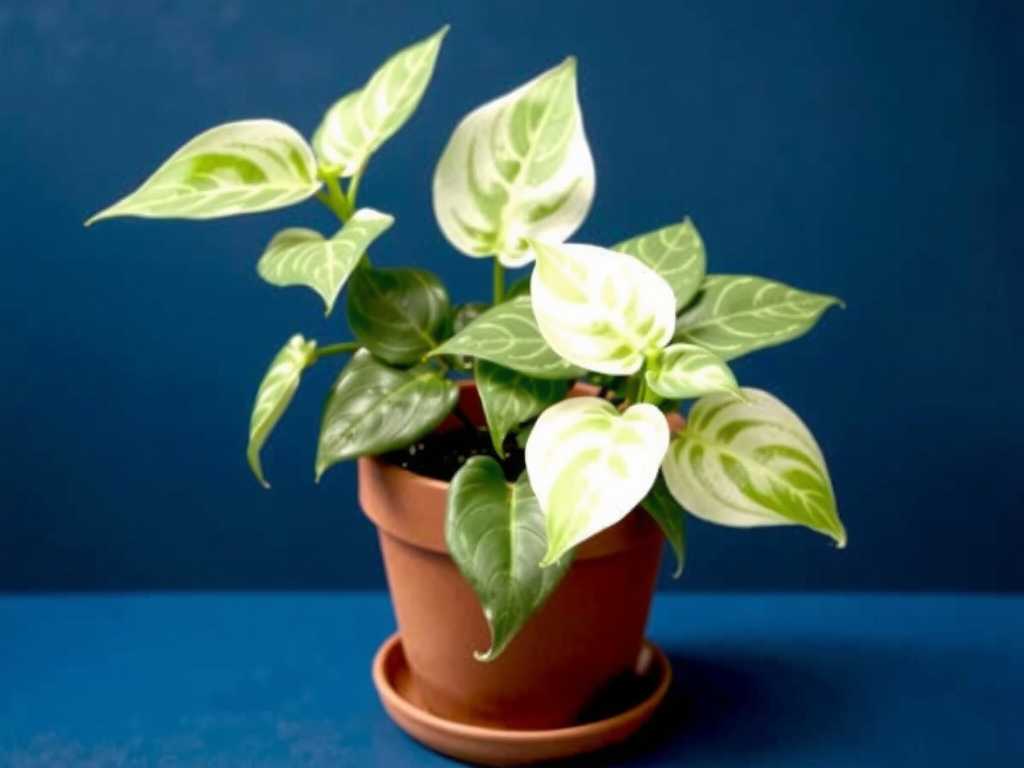
With its beautiful marbling of creamy white and green, Marble Queen adds instant elegance. To maintain its stunning variegation, provide it with brighter indirect light. While still low-maintenance, it grows a bit slower than its all-green cousins. This is an excellent pick for someone who wants a visually striking, low-care plant for a well-lit spot.
Pro Tips for a Truly Hassle-Free Pothos Garden
Choosing the right variety is 90% of the battle. These final tips will seal your success.
- Potting is Key: Always use a pot with drainage holes. A well-draining potting mix, perhaps with a handful of perlite added, prevents waterlogged roots—the number one killer of pothos.
- The Watering Rule: The best low-maintenance watering technique is the "finger test." Insert your finger into the soil up to the first knuckle. If it feels dry, it’s time to water. If damp, wait. It’s better to underwater than overwater.
- Feeding Simply: During the growing season (spring and summer), feed your pothos with a balanced liquid houseplant fertilizer diluted to half-strength once a month. You can skip feeding entirely in fall and winter.
- Pruning for Prosperity: Don’t be afraid to trim long vines. Pruning encourages bushier growth at the base. You can propagate the cuttings in water to create new plants—an easy way to expand your garden for free.
My pothos leaves are turning yellow. What does this mean? Yellow leaves are most commonly a sign of overwatering. Check the soil moisture. If it's soggy, allow it to dry out thoroughly before watering again. Ensure your pot has proper drainage. Occasionally, yellowing can also indicate a need for nutrients or natural leaf shedding of older leaves.
Can I grow pothos in a room with no windows? While pothos are low-light tolerant, they cannot survive in complete darkness. They require some source of ambient light, such as bright artificial office or room lighting that is on for 8-12 hours a day. For windowless rooms, consider using a small grow light to provide the necessary energy for your plant.
Which pothos variety grows the fastest and longest? The Golden Pothos is typically the fastest grower, especially in bright indirect light. With proper care, its vines can easily trail 10 feet or more indoors over time. For incredibly long vines, provide ample light and occasional fertilizer during the growing season.
Creating a low-maintenance indoor garden is entirely achievable with the right plant choices. By understanding your light, defining your style, and selecting a pothos variety that aligns with your environment—be it the adaptable Golden, the resilient Jade, or the elegant Marble Queen—you set the stage for effortless growth. Remember the core principles of proper potting, mindful watering, and occasional feeding. With these steps, your chosen pothos will not only survive but thrive, bringing lasting, vibrant greenery to your space with minimal intervention.
发表评论