 admin
admin How to Identify and Care for Glacier Pothos: The Ultimate Guide
You’ve fallen in love with the stunning, frosty variegation of the Glacier Pothos. Its delicate silver and green leaves look like a winter landscape captured in a plant. But now, you’re facing a common dilemma. Is it truly a Glacier Pothos, or is it a look-alike like the N’Joy or Pearls and Jade? And once you have it, why are those beautiful white-splashed leaves turning yellow or the growth slowing to a crawl? Identifying and caring for this specific cultivar can be tricky, but with the right knowledge, you can confidently grow a thriving, spectacular specimen.
This comprehensive guide will walk you through everything you need to know. We’ll cover precise identification tips to settle the debate and provide a complete care routine tailored to the Glacier Pothos’s unique needs.
What is a Glacier Pothos?
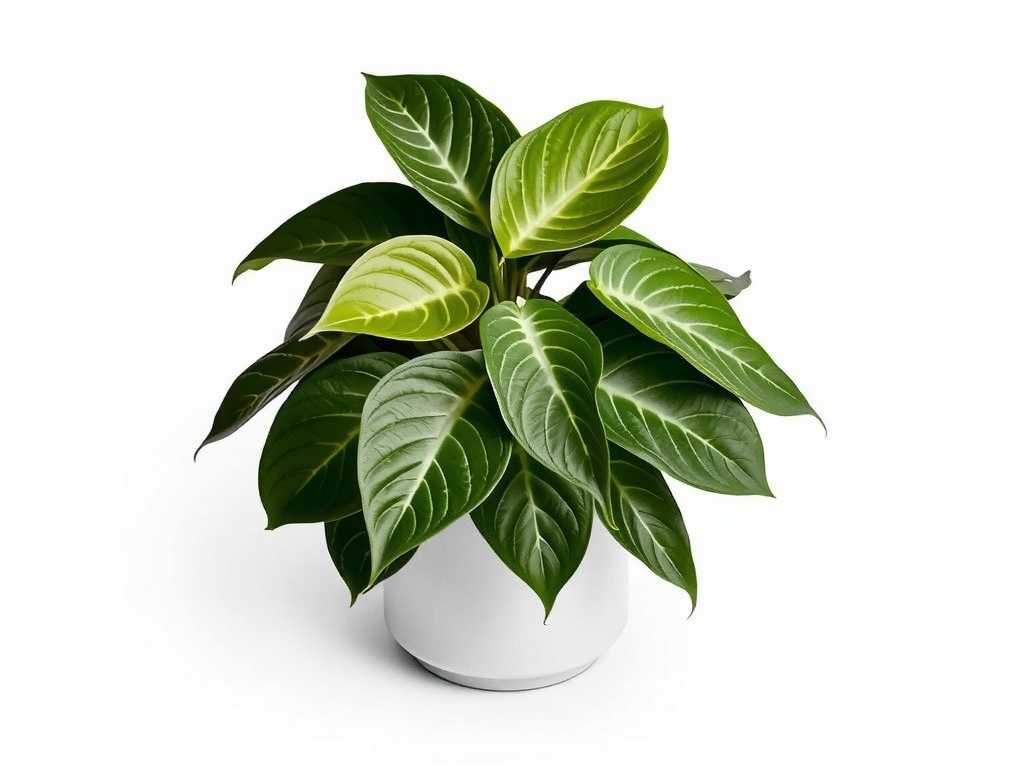
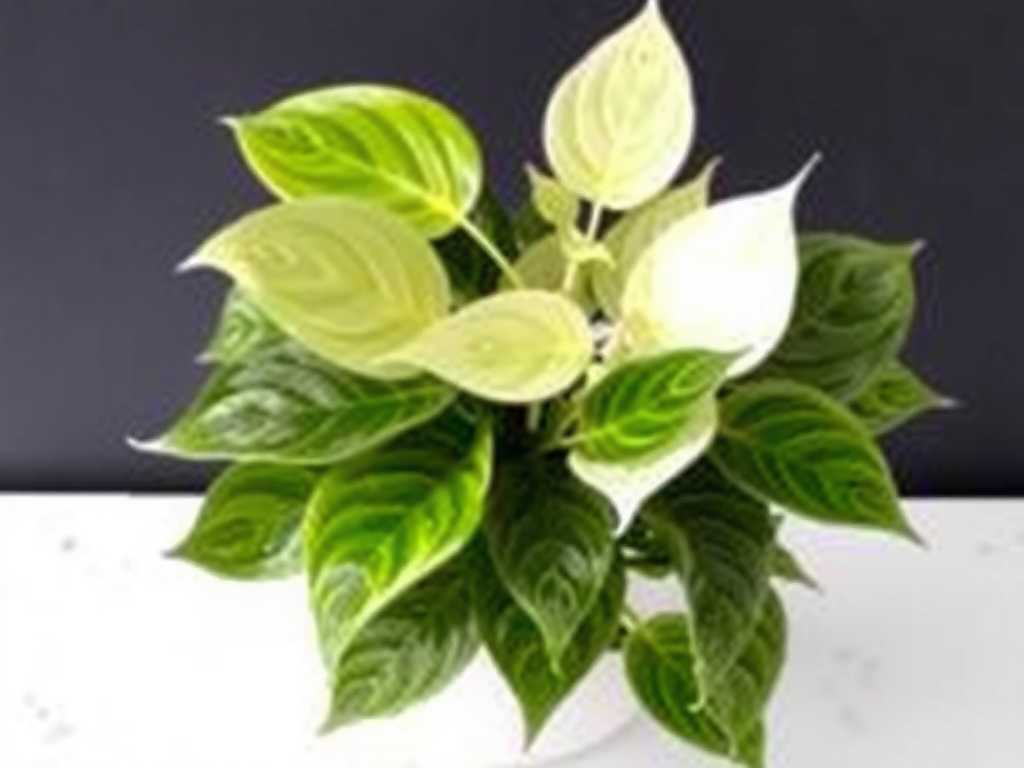
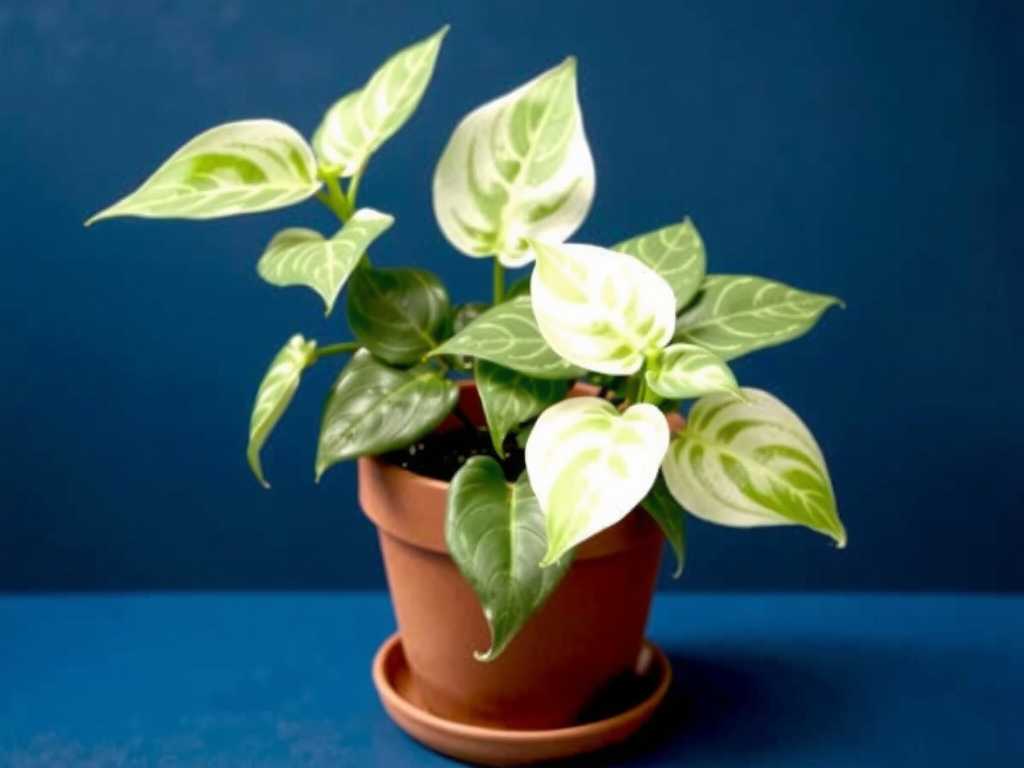
The Glacier Pothos (Epipremnum aureum ‘Glacier’) is a highly sought-after cultivar of the classic Devil’s Ivy. It is prized for its compact growth habit and its breathtaking leaf pattern. Unlike some pothos varieties that trail vigorously with large leaves, Glacier tends to have smaller, more densely clustered leaves. Its most defining feature is its variegation—a marbled mix of deep green, silvery-gray, and crisp white. The white and silver patches are often more blocky and less streaky than other types, creating a beautiful, almost painted effect. Proper Glacier Pothos care hinges on understanding that its stunning variegation also makes it slightly more sensitive than its all-green cousins.
How to Correctly Identify a Glacier Pothos
Misidentification is incredibly common. Here’s a detailed breakdown to distinguish a true Glacier from its relatives.
Key Identification Markers:
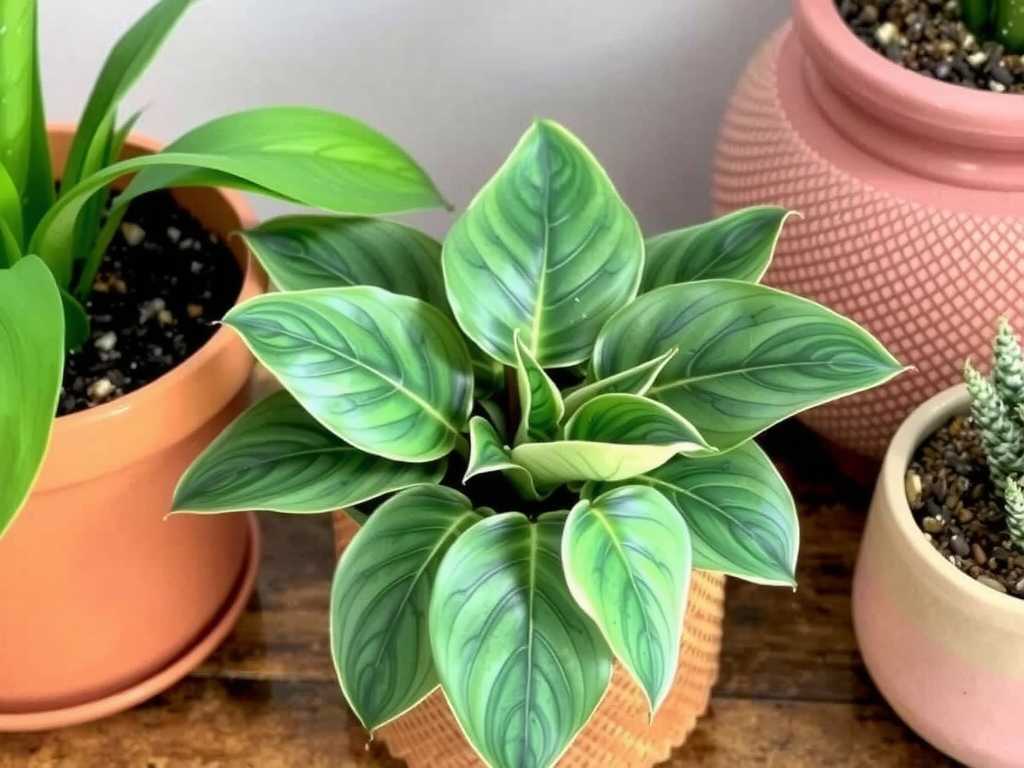
- Leaf Size and Shape: Leaves are typically smaller, often under 2-3 inches in length when mature indoors, with a somewhat rounded or heart-shaped appearance.
- Variegation Pattern: Look for a chaotic, marbled mix. You should see distinct patches of silvery-gray or cream, solid forest green, and clean white. The colors sit beside each other in blocks rather than fine speckles.
- Leaf Texture: The leaves are moderately thick and have a slight matte or satin finish, not highly glossy.
Glacier Pothos vs. N’Joy Pothos This is the most frequent confusion. The N’Joy has much more defined, separate blocks of green and white. Crucially, N’Joy lacks the silvery-gray or cream color that is signature to the Glacier. N’Joy’s variegation is stark green-and-white, and the white sections are often larger. The leaf shape can also be slightly more elongated.
Glacier Pothos vs. Pearls and Jade Pothos Pearls and Jade has green and white variegation, but the white areas are almost always speckled or flecked with green. It rarely has the clear, blocky white and distinct silver tones of the Glacier. As noted by horticulturist and author Jane Perrone, these subtle differences stem from specific tissue cultures, making accurate labeling essential for collectors.
Glacier Pothos vs. Marble Queen Pothos This is an easier distinction. Marble Queen is heavily streaked and splashed with creamy white, covering often 80% of the leaf. It has a streaky, painterly effect compared to Glacier’s more patchy, mosaic-like pattern. Marble Queen leaves are also generally larger.
The Complete Care Guide for Your Glacier Pothos
Now that you’ve confirmed your plant’s identity, let’s ensure it flourishes. Tailoring your care to its preferences is the secret to maintaining that gorgeous variegation.
Light: The Variegation Keeper Bright, indirect light is non-negotiable. This is the most critical aspect of Glacier Pothos care. The white parts of the leaves contain less chlorophyll, so the plant needs sufficient light to fuel its growth.
- Ideal Spot: An east-facing window is perfect. A spot a few feet back from a south or west window (with a sheer curtain) also works.
- What Happens with Low Light? The plant will survive but become leggy as it stretches for light. More importantly, the stunning variegation will fade, and new leaves may revert to mostly green.
- Avoid Direct Sun: Harsh afternoon sun can scorch the delicate white and silver patches.
Watering: The Balance Beam Overwatering is the fastest way to harm your pothos. The Glacier Pothos watering needs follow the classic “soak and dry” method.
- Check the Soil: Insert your finger about 2 inches into the potting mix. If it feels dry, it’s time to water.
- Water Thoroughly: Water slowly until excess drains freely from the bottom holes. This ensures the entire root ball is hydrated.
- Let it Drain: Never let the plant sit in a saucer of water. Empty it after 15 minutes.
- Signs of Trouble: Yellow leaves often indicate overwatering. Wilted, crispy leaves suggest underwatering.
Soil and Potting: Foundation for Health A well-draining, aerated potting mix prevents root rot. A standard indoor potting mix amended with 30% perlite or orchid bark is ideal. This creates air pockets and allows water to flow through quickly. Ensure your pot has adequate drainage holes. Repot every 1-2 years in spring if the roots are circling the pot.
Temperature and Humidity: Comfort Zone As a tropical plant, it prefers warmth and appreciates humidity.
- Temperature: Keep it in a range of 65°F to 85°F (18°C to 29°C). Avoid cold drafts from windows or air conditioning vents.
- Humidity: Average household humidity (around 40-50%) is tolerable, but it will thrive with higher levels (60%+). Use a humidifier, a pebble tray, or group it with other plants to boost moisture. Adequate humidity helps prevent brown, crispy leaf tips.
Fertilizing: Gentle Nutrition Feed your Glacier Pothos during its active growing season (spring and summer).
- Use a balanced, water-soluble houseplant fertilizer (e.g., 10-10-10 or 20-20-20) diluted to half the recommended strength.
- Fertilize once a month. Do not fertilize in fall and winter when growth slows.
- Tip: Water the soil lightly before applying fertilizer to prevent root burn.
Pruning and Propagation Pruning encourages bushier growth. Simply snip a stem just below a leaf node (the bump on the stem where leaves grow). You can easily propagate Glacier Pothos from these cuttings.
- Place your cutting in a jar of water, ensuring the node is submerged.
- Place it in bright, indirect light.
- Change the water weekly. Roots will appear in 2-4 weeks.
- Once roots are a few inches long, pot the cutting in soil. For a fuller plant, place multiple rooted cuttings in one pot.
Troubleshooting Common Problems
- Yellowing Leaves: Usually overwatering. Check soil moisture and drainage.
- Brown, Crispy Leaf Edges: Low humidity or underwatering. Increase humidity and check your watering schedule.
- Loss of Variegation (Reverting): Insufficient light. Move to a brighter location.
- Leggy, Sparse Growth: Needs more light. Prune back to encourage branching and relocate.
- Pests: Keep an eye out for mealybugs (cotton-like fluff) or spider mites (fine webbing). Wipe leaves with insecticidal soap or neem oil.
Is Glacier Pothos rare? While more available than a few years ago, Glacier Pothos is still considered a less common and more coveted cultivar compared to Golden Pothos or even Marble Queen. Its availability has increased through online plant shops and specialty nurseries.
Is Glacier Pothos pet-friendly? No. Like all pothos plants, Glacier Pothos is toxic to cats and dogs if ingested, as noted by the ASPCA. It contains insoluble calcium oxalates that can cause oral irritation, vomiting, and difficulty swallowing. Keep it in a location inaccessible to curious pets.
Why is my Glacier Pothos not growing? Stunted growth is typically due to one of three factors: inadequate light (the most common cause), a need for fertilization during the growing season, or that it has become root-bound and needs repotting into a slightly larger container. Assess these conditions to encourage new growth.
With its captivating frosty foliage, the Glacier Pothos is a true gem for any plant collection. Success lies in the initial correct identification—knowing you have the real deal—and then partnering that knowledge with consistent, thoughtful care. By providing bright, indirect light, careful watering, and a humid environment, you’ll be rewarded with a resilient and breathtakingly beautiful plant that continues to produce its unique marbled leaves. Enjoy the journey of nurturing this special variety.

发表评论