 admin
admin How to Troubleshoot Issues with Rare Pothos Varieties
You've finally acquired that stunning, hard-to-find pothos you've been dreaming of—a magnificent Manjula with its creamy swirls, a delicate Global Green, or perhaps a shimmering Cebu Blue. But instead of thriving, your prized plant is showing signs of distress. Yellowing leaves, stubborn brown spots, or a complete halt in growth can be particularly alarming with rare varieties. Don't panic. This comprehensive guide is designed to help you systematically diagnose and solve the most common problems plaguing rare pothos plants, transforming you from a worried plant parent into a confident troubleshooter.
Understanding Your Rare Pothos's Unique Needs
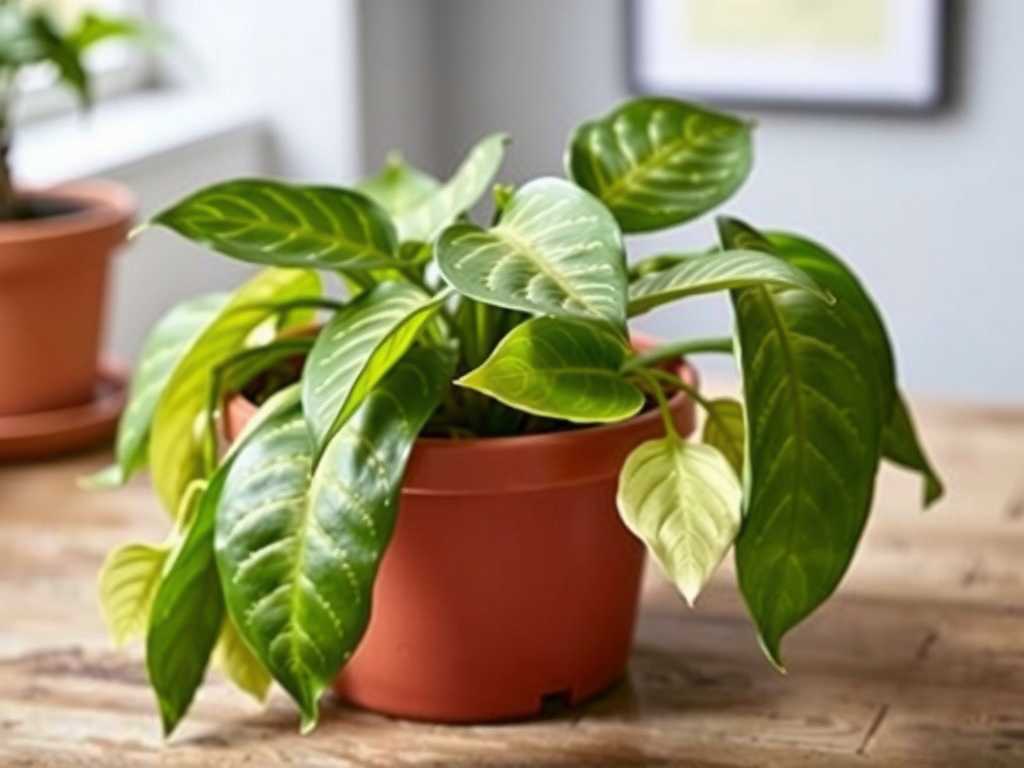
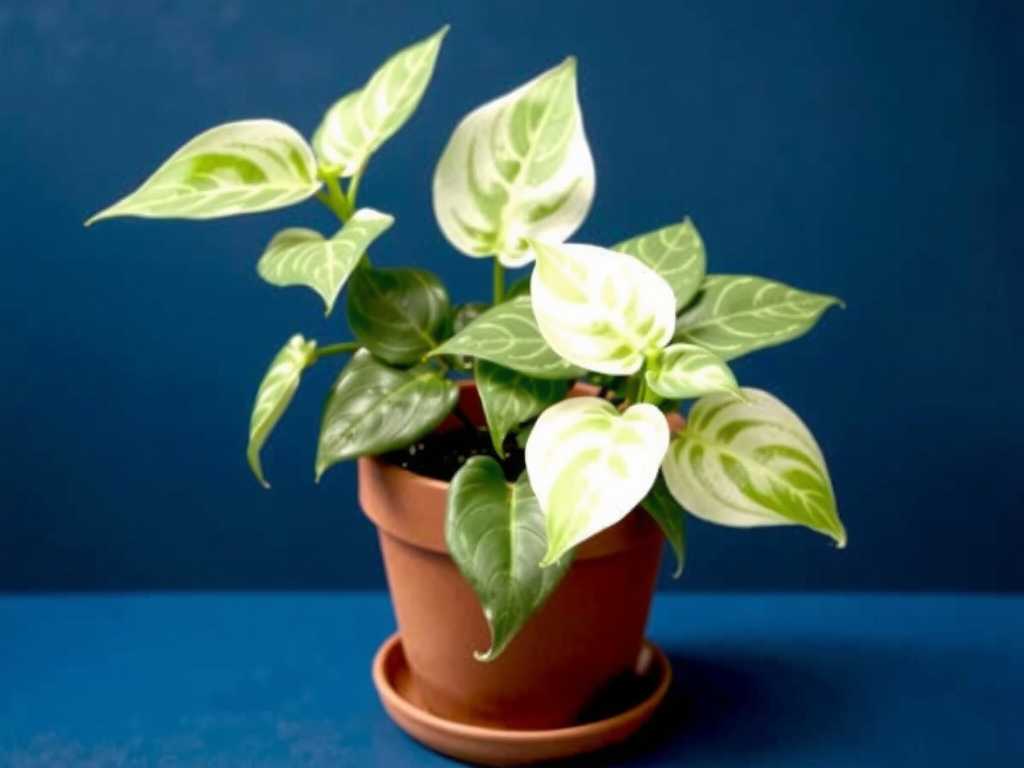
Before diving into specific issues, it's crucial to recognize that rare pothos varieties often have slightly different requirements than the ubiquitous Golden Pothos. Their unique variegation (the white, cream, or yellow patterns) means they have less chlorophyll. This makes them more sensitive to light conditions and often slower growing. A problem that a robust Golden Pothos might shrug off can severely impact a delicate Harlequin or Snow Queen. Your first step in any troubleshooting journey is to consider the plant's specific background and needs.
Step 1: Decoding Leaf Discoloration and Changes
Leaf issues are the most common SOS signals from your plant. Here’s how to interpret them.
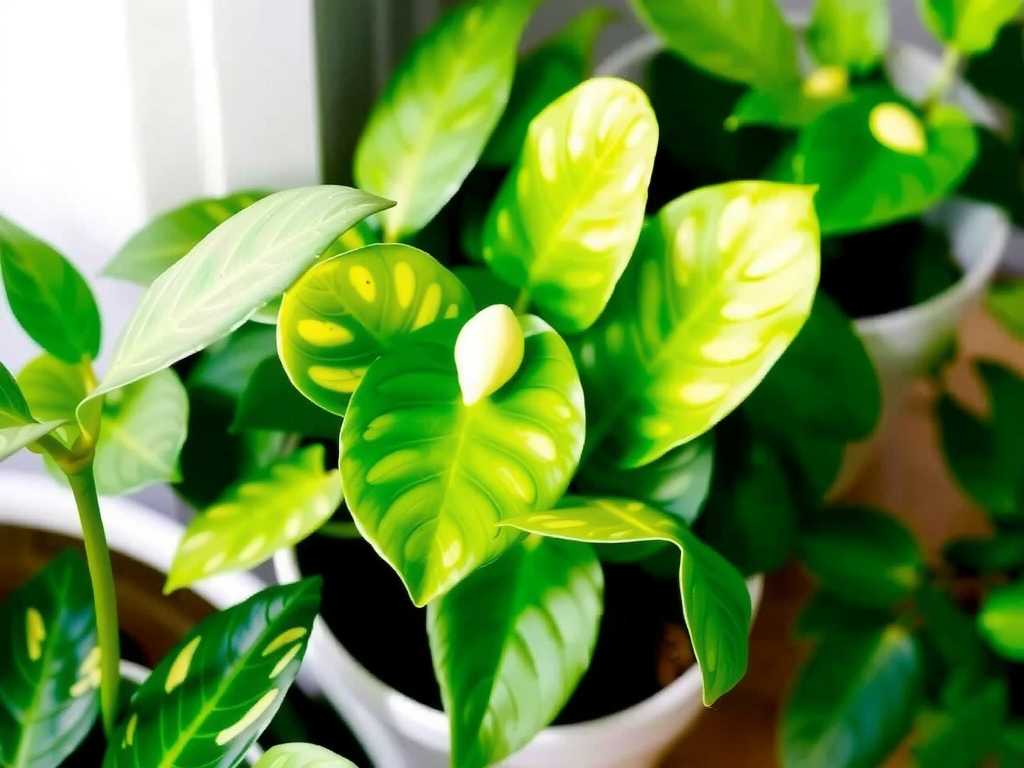
Yellowing Leaves: Overwatering vs. Underwatering Yellow leaves are the classic cry for help. The key is in the details. If the yellowing is widespread, starting with older leaves, and the soil feels soggy, you are likely overwatering. Rare pothos, especially in non-porous decorative pots, are highly susceptible to root rot. Their roots need oxygen, and constant moisture suffocates them. Conversely, if the yellow leaves are crispy, droopy, and accompanied by bone-dry soil, the plant is thirsty. Variegated varieties can be less drought-tolerant than all-green types.
Brown Spots and Leaf Edges Crispy brown spots or edges often point to low humidity or improper watering. Rare pothos enjoy moderate humidity. In very dry air, leaf tips and margins can desiccate and turn brown. Soft, dark brown, mushy spots that spread are usually a sign of bacterial or fungal disease, frequently a secondary effect of overwatering and poor air circulation.
Loss of Variegation or Reversion If your stunning variegated pothos starts producing solid green leaves, it's asking for more light. The plant, in its quest for more chlorophyll to fuel growth, is abandoning its beautiful patterns. To maintain variegation in varieties like the Manjula or Marble Queen, provide bright, indirect light.
Step 2: Diagnosing Growth and Structural Problems
Leggy Growth and Small Leaves When the stems grow long and thin with large gaps between leaves (internodes), your plant is etiolating—stretching desperately for light. Rare pothos need that bright, indirect light to maintain compact, attractive growth. Small new leaves also indicate insufficient light or nutrients.
Stunted Growth or No New Growth During winter dormancy, slowed growth is normal. However, if your plant shows no signs of life in the growing season, consider three culprits: it's rootbound, it's starving for nutrients, or it's suffering from root rot. A quick check of the root system will provide answers.
Step 3: The Root of the Problem - A Soil and Root Inspection
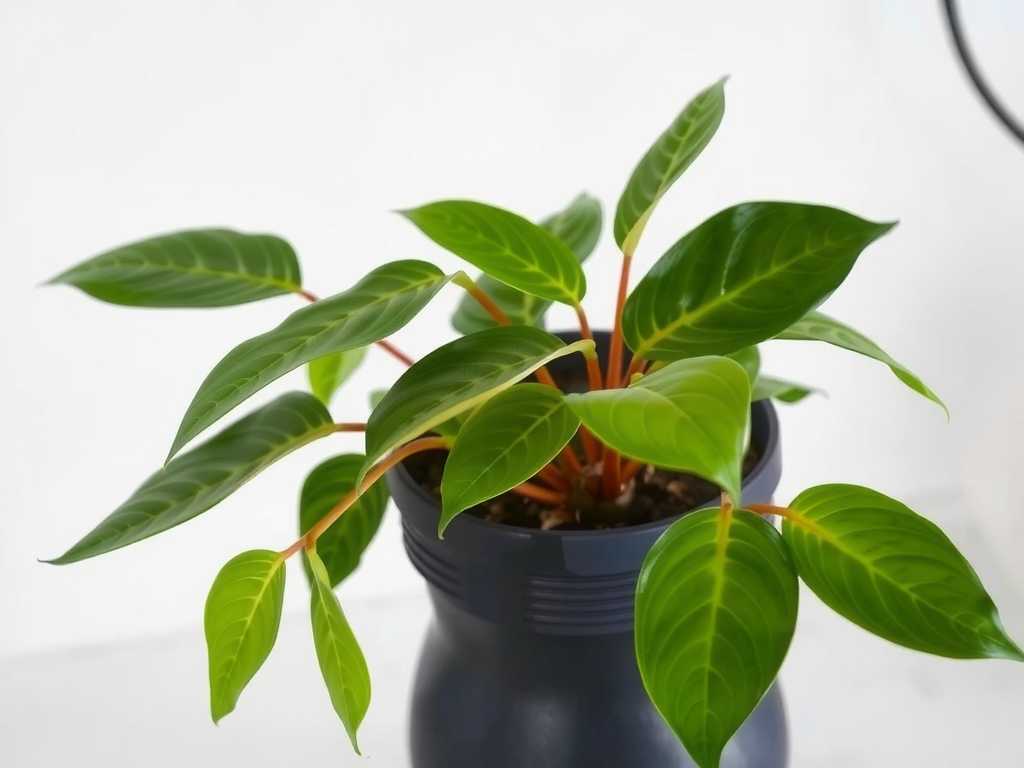
When leaf symptoms point to watering issues, you must investigate below the soil line. This is a critical step endorsed by horticulturalists for accurate diagnosis. Gently remove the plant from its pot. Healthy roots are firm and white or tan. If they are dark brown, mushy, and have a foul odor, root rot has set in. This is a common issue with rare pothos varieties that are over-loved with water. If the roots are a tangled, dense mass circling the pot, the plant is rootbound and has no room to grow or access water effectively.
Step 4: Environmental and Pest Audit
Light Assessment "Bright, indirect light" is non-negotiable for most rare pothos. Direct sun, especially through a hot window, can scorch leaves, causing pale, bleached, or crispy patches. Use a light meter app or simply observe: the plant should cast a soft, but defined shadow.
Pest Infestation Even indoor rare pothos can fall victim to pests. Mealybugs look like tiny cotton balls in leaf axils. Spider mites cause fine webbing and stippled yellow dots on leaves. Thrips leave silvery streaks and black specks (excrement). Isolate any infested plant immediately. According to integrated pest management principles, start treatment with a strong spray of water or insecticidal soap before resorting to stronger measures.
Your Action Plan: Solutions for Common Rare Pothos Issues
For Overwatering and Root Rot:
- Remove the plant and wash away all soil.
- Using sterilized scissors, cut away every soft, rotten root. Be ruthless.
- Repot in a fresh, well-draining aroid mix (peat, perlite, orchid bark) in a pot with drainage holes.
- Water lightly and place in bright, indirect light. Do not fertilize until new growth appears.
For Underwatering and Dryness:
- Give the plant a thorough, deep soak. Place the pot in a sink of water for 30 minutes, allowing the soil to wick moisture from the bottom.
- Increase watering frequency. Check the top 2 inches of soil; water when dry.
- Boost humidity by grouping plants, using a pebble tray, or a humidifier.
For Insufficient Light and Legginess:
- Gradually move the plant to a brighter location, avoiding direct afternoon sun.
- You can prune back leggy stems to encourage bushier growth from the base.
- Rotate the plant regularly for even growth.
For Nutrient Deficiency and Stunted Growth:
- During the growing season (spring-summer), feed monthly with a balanced, water-soluble fertilizer diluted to half-strength. Rare pothos are light feeders; too much fertilizer can burn roots.
- If rootbound, repot into a container only 1-2 inches larger in diameter.
For Pest Eradication:
- Isolate the plant.
- Wipe leaves with a solution of water and a few drops of mild dish soap or neem oil.
- Rinse thoroughly. Repeat weekly for at least three weeks to break the pest life cycle.
Prevention is the Best Cure: A Proactive Care Routine
The best way to troubleshoot is to prevent problems from starting. Establish a simple routine:
- Water Wisely: Always check the soil first. When in doubt, wait a day.
- Prioritize Light: Provide consistent, bright, indirect light.
- Feed Gently: Use diluted fertilizer sparingly during active growth periods.
- Monitor Regularly: A quick weekly glance for pests or leaf changes catches issues early.
My rare pothos has a yellow leaf with a brown, crispy center. What's wrong? This combination often points to inconsistent watering—a cycle of severe drying out followed by a heavy soak, which shocks the plant. Aim for consistent, even moisture (not wetness) in the soil.
Can I propagate a stem from my rare pothos if part of it has root rot? Absolutely. This is a great way to save the plant. Cut a healthy stem section with at least 2-3 nodes, ensure no rot is present on the cutting, and propagate it in water or fresh, moist sphagnum moss to grow new, healthy roots.
How often should I repot my slow-growing rare pothos? Unlike fast-growing common varieties, rare pothos may only need repotting every 2-3 years. Repot when you see roots growing from the drainage holes or when water runs straight through the pot without being absorbed, indicating a rootbound plant. Early spring is the ideal time.
Success with rare pothos varieties comes from mindful observation and responsive care. Each change in leaf color or growth pattern is a clue. By methodically working through these troubleshooting steps—assessing leaves, checking roots, and auditing the environment—you can pinpoint the exact cause of distress. Remember that these unique plants require a slight shift in care from their common cousins, primarily toward brighter light and more careful watering. With patience and this diagnostic approach, you can not only solve immediate problems but also foster a resilient and thriving rare pothos collection for years to come.


发表评论