 admin
admin So you've decided to dive into hydroponics, and the vibrant, easy-going pothos plant seems like the perfect place to start. But a quick search reveals a dizzying array of varieties—Golden Pothos, Marble Queen, Neon, and more. Which one is truly the best for your water-based setup? Choosing the wrong variety can lead to slow growth, disappointing color, or even root rot, turning your exciting project into a frustrating one. This guide is designed to cut through the confusion and provide a clear, actionable framework for how to choose pothos varieties for hydroponics, ensuring your selection thrives from day one.
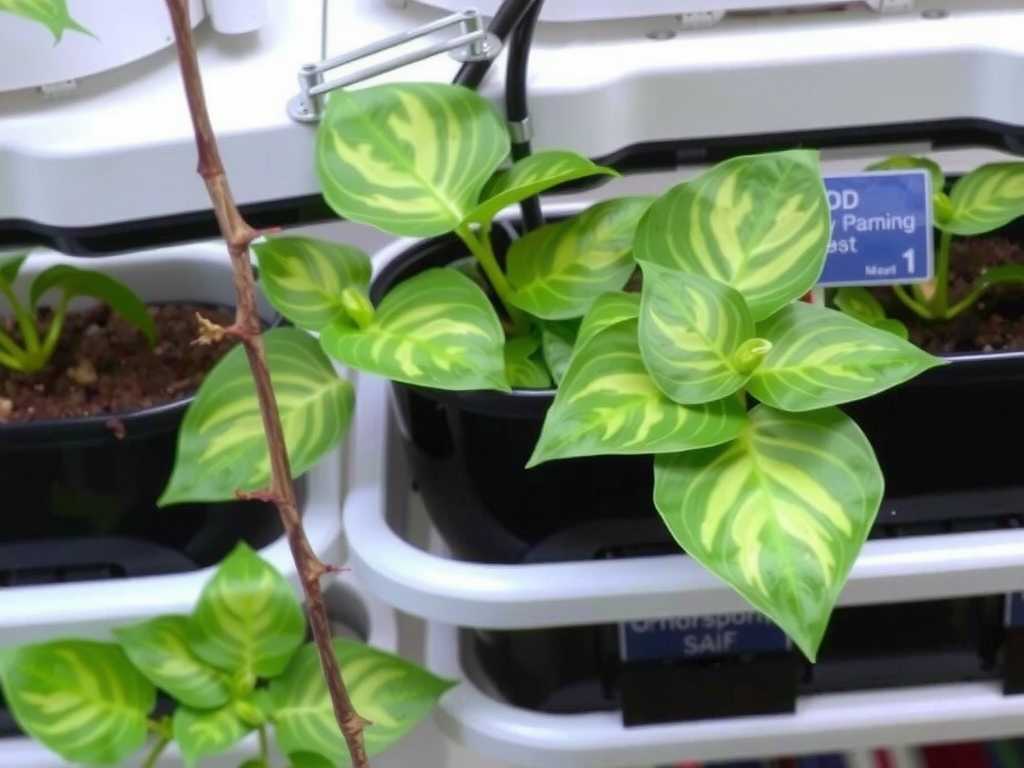
Understanding the unique demands of a hydroponic environment is the first critical step. Unlike traditional soil, a hydroponic system exposes the roots directly to water and nutrients. This means factors like root structure, growth speed, and nutrient uptake efficiency become paramount. The ideal hydroponic pothos isn't just about the prettiest leaves; it's about the plant's inherent ability to adapt and prosper with its roots suspended in solution.
Key Factors for Selecting Your Hydroponic Pothos
Not all pothos are created equal when it comes to life in water. By evaluating a few key characteristics, you can make an informed choice that aligns with your goals and setup.
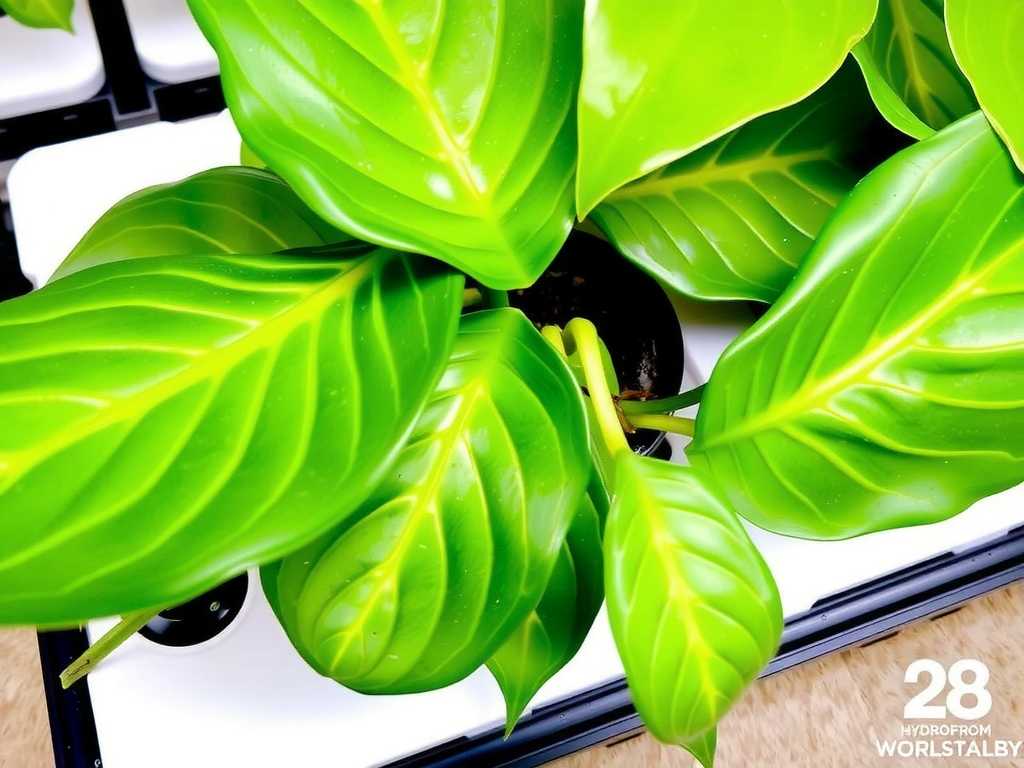
Growth Rate and Vigor
In hydroponics, a faster growth rate is often a sign of a happy, well-adapted plant. Vigorous growers will establish roots quickly and provide satisfying visual progress.
- Fast Growers: Golden Pothos is the classic champion here. Its robust nature and rapid growth make it exceptionally forgiving and rewarding for beginners. It readily shows its appreciation for good hydroponic conditions with long, trailing vines.
- Moderate Growers: Varieties with heavy variegation, like Marble Queen Pothos or Pearls and Jade, often grow more slowly. The extensive white or cream coloring means less chlorophyll per leaf, which can slightly reduce the plant's energy production and growth speed in any environment, including water.
Root Development and Health
The root system is the engine of your hydroponic plant. You need a variety that develops strong, healthy, and relatively thick roots capable of resisting rot.
- Root Resilience: Golden Pothos and Jade Pothos (the solid green variety) are known for their sturdy, adaptable root systems. They transition from soil to water (or propagate directly in water) with remarkable ease.
- Consideration for Delicate Varieties: Some highly variegated or rare types may have slightly more delicate root systems. While they can absolutely succeed, they might require more stable water conditions (consistent temperature, perfect nutrient balance) to truly excel.
Light Requirements and Variegation
This is where aesthetics meet practicality. The amount and type of light your space receives should directly influence your choice of variety.
- Low to Medium Light: For spaces with indirect light, stick with varieties rich in green chlorophyll. Jade Pothos is the ultimate low-light performer in hydroponics. Global Green or Green Queen Pothos are also excellent, resilient choices that will maintain their color without demanding bright light.
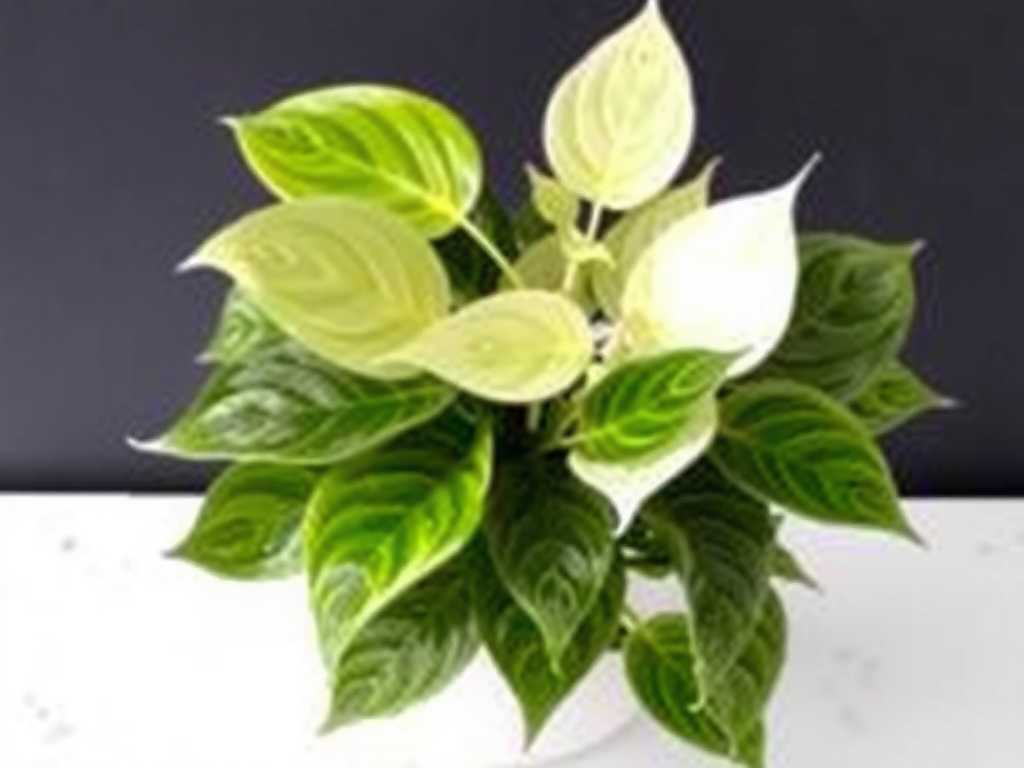
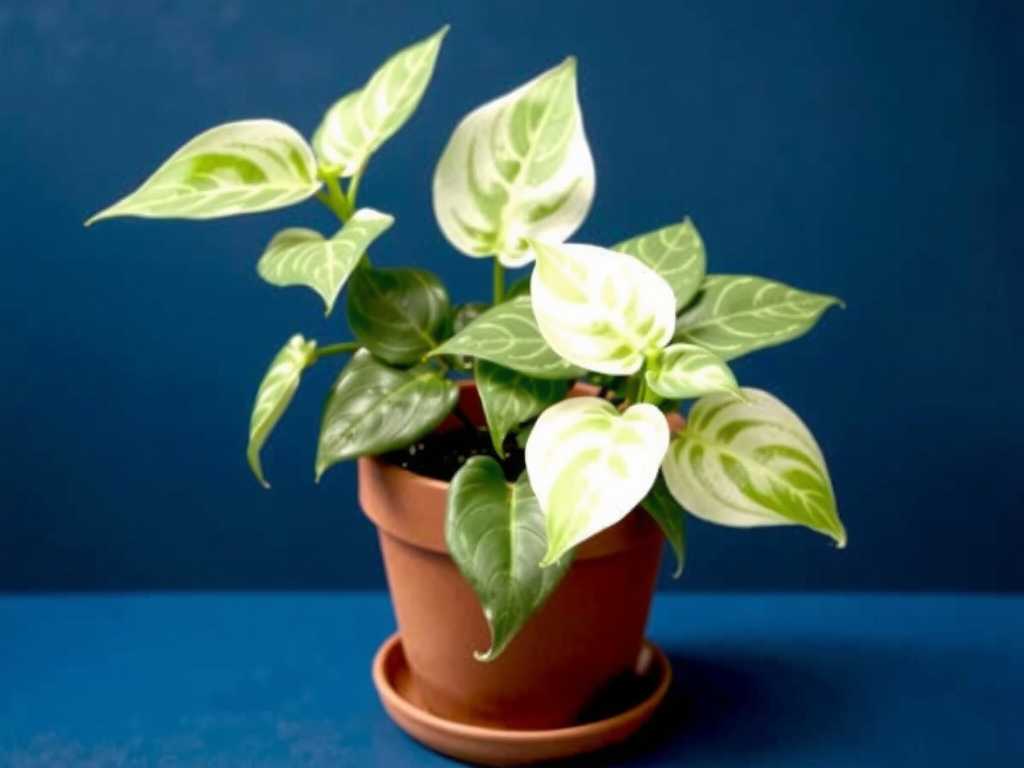
- Medium to Bright Indirect Light: If you have a brighter spot, you can successfully support stunning variegated varieties. The Marble Queen Pothos, with its sweeping white and green marbling, needs brighter light to sustain its variegation and support its growth. The stunning Neon Pothos will maintain its electric, lime-green glow best with ample indirect light.
Top Pothos Varieties for Hydroponic Success
Based on the factors above, here are some standout performers categorized by their suitability.
Best for Beginners & Fastest Growth
For your first hydroponic pothos project, these varieties offer the highest success rate.
- Golden Pothos (Epipremnum aureum): The undisputed king of hydroponic adaptability. Its fast growth, tolerance for various light conditions, and prolific rooting habit provide instant gratification and valuable learning experience. It's the perfect candidate to understand nutrient schedules and root health observation.
- Jade Pothos (Epipremnum aureum 'Jade'): The solid green powerhouse. It shares all the robust qualities of the Golden but with even greater tolerance for lower light. Its deep green leaves make a lush, elegant statement in any water-based system.
Best for Visual Impact & Bright Spaces
Once you're comfortable, these varieties can elevate your hydroponic display.
- Neon Pothos (Epipremnum aureum 'Neon'): A spectacular choice for a pop of color. Its vibrant, light-green leaves glow in a clear vessel. It grows well in water and its color can serve as a visual indicator of its health—dulling leaves may signal a need for adjusted nutrients.
- Marble Queen Pothos (Epipremnum aureum 'Marble Queen'): While a slower grower, its breathtaking variegation is worth the wait. Ensure it receives sufficient indirect light to keep the white sections bright and to support steady growth. A balanced hydroponic nutrient solution is key for this beauty.
A Unique and Hardy Contender
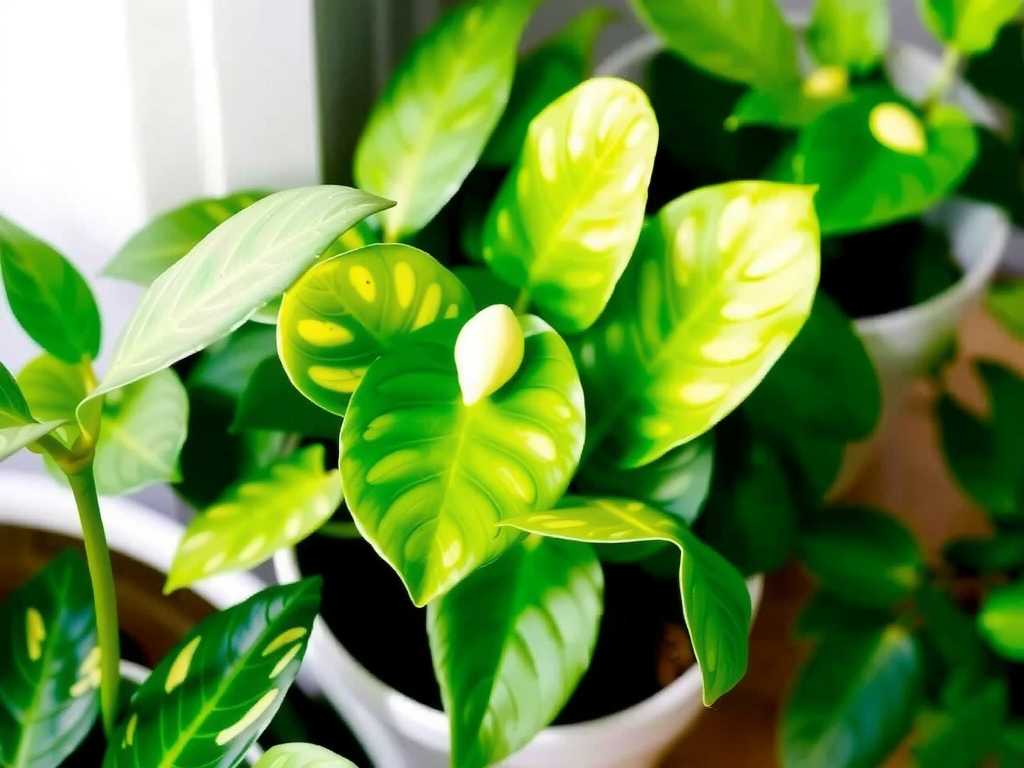
- N'Joy or Pearls and Jade Pothos: These closely related varieties with smaller, white-and-green speckled leaves are surprisingly adept in water culture. They tend to have a bushier growth habit rather than long vines, making them ideal for smaller vessels or combined arrangements.
Step-by-Step Guide to Transitioning or Starting Your Pothos in Water
- Source Your Cuttings: Select a healthy mother plant. Using sterile shears, take a cutting with at least 3-4 nodes (the little bumps on the stem where leaves and roots emerge). Remove any leaves that would sit below the waterline.
- Root Initialization: Place the cuttings in a clean container of plain, room-temperature water. Position it in bright, indirect light. Change the water every 5-7 days to prevent bacterial growth. Roots should begin to emerge from the nodes within 1-3 weeks.
- Introduce Nutrients: Once the roots are 2-3 inches long, you can introduce a balanced, liquid hydroponic nutrient. Dilute it to half the strength recommended on the label for seedlings or gentle growth. This is a crucial step for long-term health, as plain water lacks essential minerals.
- Establish a Maintenance Routine: Use an opaque container or one kept in a dark place (like a decorative outer pot) to prevent algae growth. Top off with fresh water as it evaporates, and do a full nutrient solution change every 2-4 weeks, rinsing the roots gently. As noted by horticulturist Dr. Linda Chalker-Scott, "Root health in soilless systems is entirely dependent on the grower's management of the water environment—its aeration, temperature, and nutrient balance."
Troubleshooting Common Hydroponic Pothos Issues
- Yellowing Leaves: Often the first sign of nutrient deficiency (typically nitrogen) or, conversely, nutrient burn if the solution is too strong. Check your dosage and ensure regular solution changes.
- Brown, Mushy Roots: This indicates root rot, usually caused by poor oxygenation, contaminated water, or containers that are too deep. Ensure your vessel allows for some air to reach the root zone and maintain your water change schedule.
- Stalled Growth: Could be due to low temperatures, insufficient light, or a lack of nutrients. Assess your plant's environment and ensure you are providing a weak nutrient solution consistently.
What is the absolute easiest pothos to grow in water? For foolproof success, the Jade Pothos takes the lead due to its low light tolerance and incredibly resilient nature, closely followed by the Golden Pothos for its vigorous growth.
How often should I change the water for my hydroponic pothos? For a mature plant in a nutrient solution, a complete change every 2-4 weeks is ideal. For propagation in plain water, change it weekly to keep oxygen levels high and prevent stagnation.
Can I use liquid houseplant fertilizer for my hydroponic pothos? It's not recommended. Standard houseplant fertilizers are designed for use in soil and lack the complete, balanced spectrum of micronutrients found in formulated hydroponic nutrients. Using the right nutrients is essential for preventing deficiencies and ensuring vibrant, healthy growth in a water-only system.
Selecting the right pothos for your hydroponic garden hinges on matching the plant's natural traits with your environment and care capacity. Beginners will find unwavering success with the robust Jade or Golden varieties, while those with brighter spaces can explore the dazzling colors of Neon or the elegant variegation of Marble Queen. Remember, the transition to water is a partnership—you provide the clean water, balanced nutrients, and stable light, and your chosen pothos will respond with lush, thriving growth, transforming your space with its effortless, roots-on-display beauty.

发表评论