 admin
admin How to Choose Pothos Varieties for Terrariums: A Complete Guide for Stunning Displays
You've decided to create a beautiful terrarium, a miniature world under glass. You've picked your container, gathered your substrates, and are ready to select the perfect plants. Pothos, with its legendary hardiness and lush foliage, seems like an obvious choice. But then you browse online or visit a nursery and are met with a dizzying array: Golden Pothos, Marble Queen, Neon, Jade, and many more. This is where many enthusiasts hit a wall. Choosing the wrong pothos variety for your specific terrarium setup can lead to leggy, overgrown plants that quickly shatter the delicate scale of your miniature landscape or varieties that simply fail to thrive in the humid environment. The challenge isn't just finding a pothos; it's finding the right pothos that will grow harmoniously within the confined, unique ecosystem of your terrarium. This guide is designed to solve that exact problem, helping you navigate the wonderful world of pothos to select varieties that will enhance, not overwhelm, your glass-enclosed garden.
Understanding Terrarium Environments and Pothos Needs
Before diving into specific varieties, it's crucial to understand the two main types of terrariums, as this will fundamentally guide your pothos selection.
Closed terrariums create a self-sustaining, high-humidity ecosystem with minimal air exchange. They recycle water through condensation and evaporation. Open terrariums have better airflow and lower humidity, resembling typical indoor conditions more closely. Pothos (Epipremnum aureum) is naturally a tropical forest understory plant, which makes it adaptable to both, but variety choice is key.
All pothos share some core needs: bright, indirect light is ideal for maintaining vibrant variegation and compact growth. They prefer well-draining soil to prevent root rot. While they enjoy humidity, their tolerance for saturated soil varies. In a terrarium context, growth habit becomes paramount. We must prioritize slower-growing, smaller-leaved, or more compact varieties to maintain the design long-term.
Key Selection Criteria for Pothos in Terrariums
Your choice should be based on more than just color. Consider these four essential factors:
Growth Rate and Habit: This is the most important criterion. Fast-growing, vining types like the classic Golden Pothos can quickly outgrow a small terrarium, requiring constant pruning that disturbs the environment. Look for naturally slower-growing cultivars or those that maintain a bushy habit. The 'Jade' pothos, for example, tends to grow more slowly than its highly variegated cousins.
Mature Leaf Size: A variety that produces large, mature leaves will look out of scale in a small glass container. Varieties with inherently smaller leaves, even at maturity, are superior choices. The 'Pearls and Jade' or 'N'Joy' pothos typically have leaves that stay a manageable size.
Variegation Level and Light Requirements: Highly variegated pothos, like 'Marble Queen' or 'Manjula', have less chlorophyll. In the lower-light conditions of many terrariums, they may revert to greener leaves, grow extremely slowly, or become susceptible to rot. They also require brighter indirect light to maintain their patterns. More solid green varieties ('Jade') or those with moderate, stable variegation are more adaptable.
Root System and Space: Terrariums offer limited soil volume. A pothos with an aggressive, sprawling root system can choke out other plants. Most pothos can be managed with occasional root pruning, but starting with a younger, smaller plant is always advisable.
Top Pothos Varieties Suited for Terrarium Life
Here, we focus on varieties that meet the above criteria, ensuring a harmonious and long-lasting display.
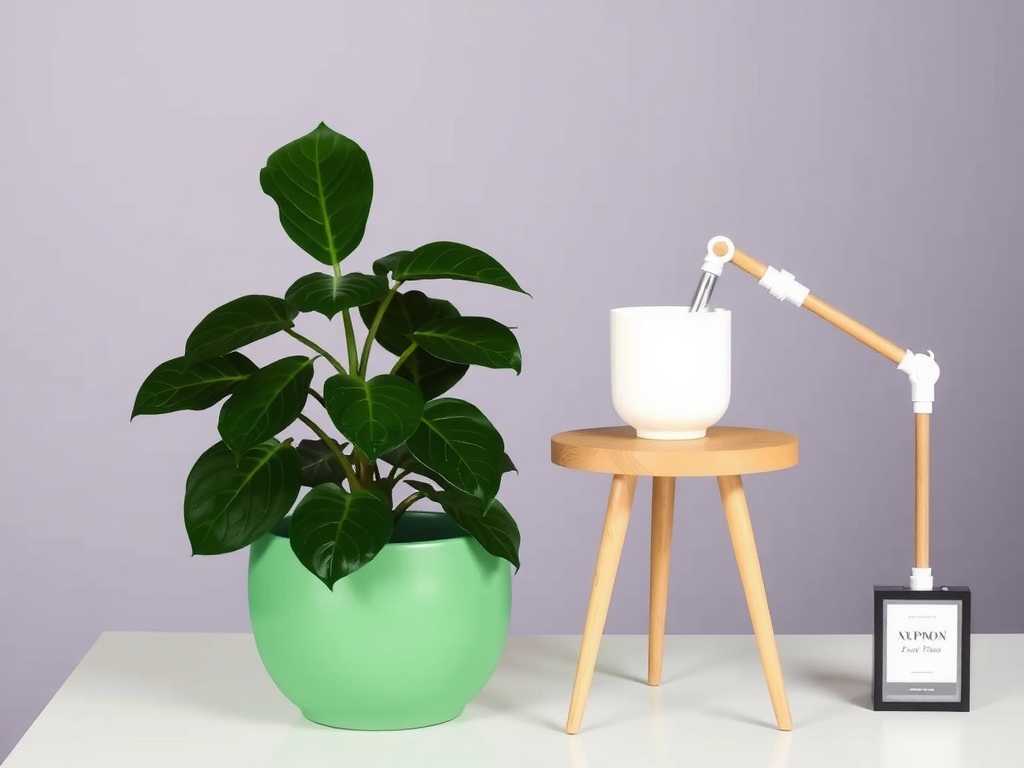
Jade Pothos: The Low-Light, Low-Maintenance Champion For beginners or low-light terrariums (especially open ones), Jade Pothos is arguably the best choice. Its solid, deep green leaves have a rich, glossy appearance. It grows slower than variegated types, is incredibly forgiving of lower light levels, and maintains a neat habit. Its robust nature makes it less prone to issues in the consistently moist soil of a closed terrarium. It provides a perfect, lush green backdrop for more colorful miniature plants.
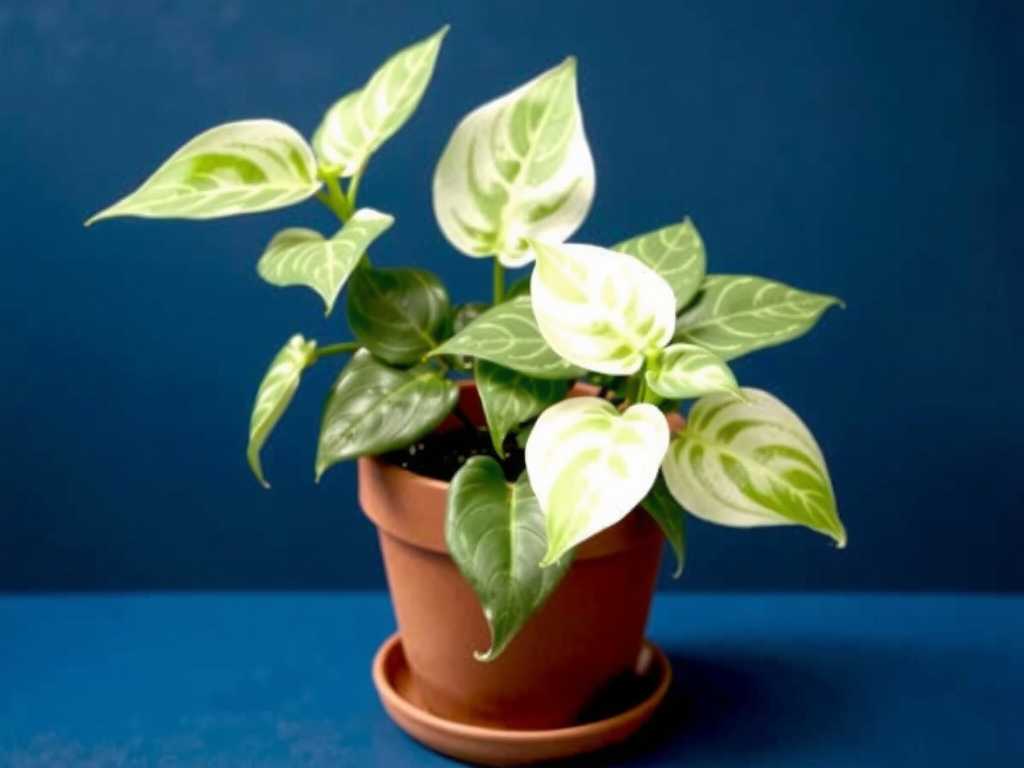
Pearls and Jade or N'Joy Pothos: The Compact Variegated Choice If you desire variegation, these closely related cultivars are excellent. They feature green leaves speckled and edged in crisp white, with leaves that naturally stay on the smaller side (typically 2-3 inches long). Their growth rate is moderate to slow, and they tend to grow in a more controlled, bushy manner rather than sending out long, rapid vines. Horticulturist and terrarium designer Jane Smith notes, "Pearls and Jade is my go-to for adding a touch of brightness without the aggressive growth. Its scale is just perfect for 1-gallon or larger terrariums."
Neon Pothos: The Colorful Statement For a stunning pop of color, Neon Pothos is a fantastic option for open or large closed terrariums. Its chartreuse, lime-green leaves glow under terrarium lighting. While it can grow fairly quickly, its vibrant color and smaller leaf size (when young) make it a worthwhile choice. It may require more frequent pinching to keep it bushy and contained. Ensure it receives adequate indirect light to maintain its bright hue.
Global Green Pothos: The Unique Mid-Green Option A relatively newer cultivar, Global Green offers a beautiful reverse variegation—darker green edges with lighter green centers. It shows more stability in variegation than white-splashed types and exhibits a moderately slow growth rate. Its unique coloring adds depth and interest without the high-maintenance needs of other variegated varieties.
Varieties to Generally Avoid in Standard Terrariums
Some pothos, while beautiful, present significant challenges in a confined space:
Golden Pothos: This classic is simply too vigorous. Its rapid growth and tendency to produce large leaves will quickly necessitate major pruning, disrupting your miniature ecosystem.
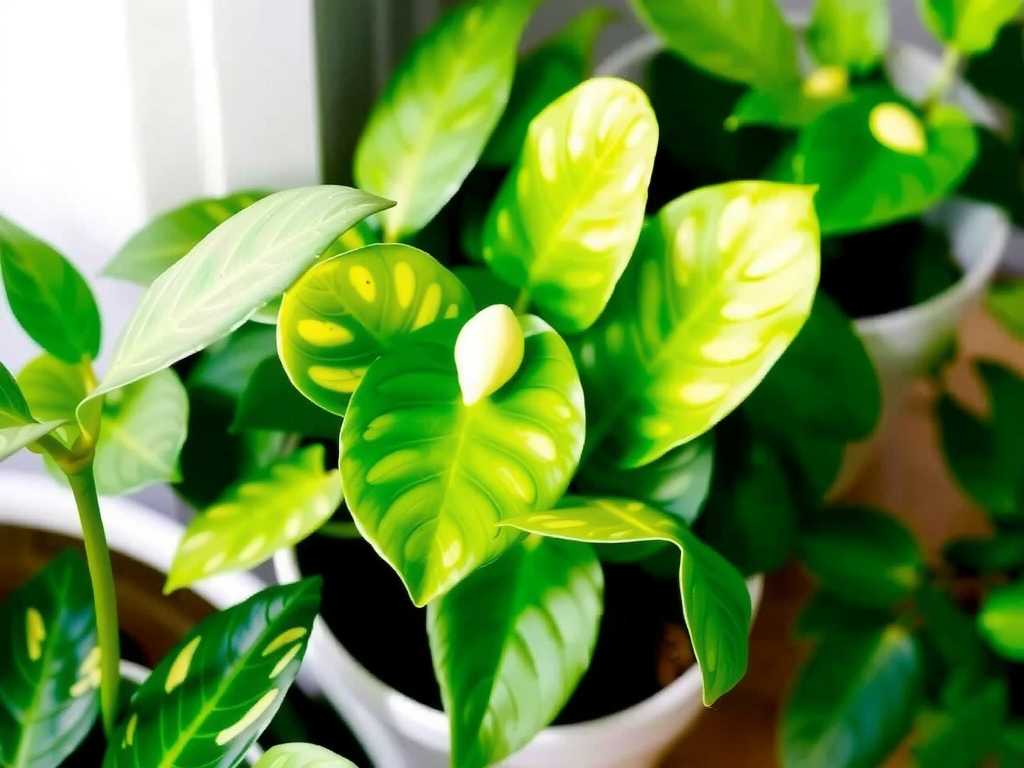
Marble Queen Pothos: Its stunning white-and-green marbling comes at a cost. It grows very slowly in terrarium conditions and is prone to root rot if the substrate stays too wet. The white sections can also brown in high humidity.
Manjula or Harlequin Pothos: With even more dramatic white variegation, these varieties are the most finicky. They require excellent light, drainages, and air circulation—conditions hard to achieve in a closed terrarium—and are best left for open dish gardens or pots.
Planting and Long-Term Care for Your Terrarium Pothos
Choosing the right variety is only the first step. Proper planting and care ensure its success.
Start with a healthy, small cutting or young plant. A 4-6 inch stem with 3-4 nodes is ideal. You can root it in water first or plant it directly into the terrarium's well-draining soil mix (a blend of potting soil, orchid bark, and horticultural charcoal is excellent). Plant it towards the back or side to allow for growth.
Place your terrarium in a spot with bright, indirect light. A north or east-facing window is good, or use a grow light placed 12-18 inches away for 6-10 hours a day.
Pruning is your primary maintenance tool. Regularly pinch off the growing tips to encourage bushier, denser growth rather than long vines. Use clean, sharp scissors to remove any yellowing leaves or overly long stems at a node. This keeps the plant scaled to its environment. Every 12-18 months, you may need to carefully remove the plant, trim back up to one-third of the roots, and replant it with fresh soil to manage its size.
Can I mix different pothos varieties in one terrarium? Yes, you can create beautiful combinations. Pair a slower-growing colored variety like 'Neon' with a very compact grower like 'Pearls and Jade'. Ensure they have similar light and moisture needs. Avoid pairing a very vigorous grower with a slow one, as the former will eventually dominate.
My pothos leaves are turning yellow in the terrarium. What's wrong? Yellow leaves are most often a sign of overwatering or poor drainage. In a closed terrarium, the watering cycle is very long. Ensure you have a deep drainage layer (pebbles or LECA) and an appropriate soil mix. Open the lid for a few days to allow excess moisture to evaporate. Remove the yellow leaves promptly.
How do I encourage my pothos to stay bushy instead of vining in the terrarium? Consistent pruning is key. Every time a stem grows 3-4 new leaves, pinch or cut off the newest leaf at the growing tip. This signals the plant to produce new growth from lower nodes, creating a fuller, bushier appearance. Providing ample bright, indirect light also prevents the plant from stretching (etiolating) in search of light.
Selecting the perfect pothos for your terrarium is a thoughtful balance between aesthetic desire and practical horticulture. By prioritizing slower growth rates, smaller leaf size, and environmental adaptability, you can ensure your chosen variety becomes a lasting, low-maintenance centerpiece. Whether you opt for the dependable green of Jade, the cheerful speckles of Pearls and Jade, or the vibrant glow of Neon, the right pothos will thrive within the glass walls of your miniature world, adding depth, color, and vitality for years to come. Remember, the goal is to create a balanced ecosystem where your plants can live harmoniously at a manageable scale.
发表评论