 admin
admin How to Treat Diseases in Different Pothos Varieties
Seeing your beloved pothos plant develop yellow leaves, brown spots, or stunted growth can be disheartening. You’ve provided consistent care, yet your plant seems to be struggling. The challenge often lies in the fact that diseases can manifest differently across the many stunning pothos varieties, from the classic Golden Pothos to the marbled Marble Queen or the dark, sleek Jade. A one-size-fits-all treatment approach can sometimes fail, leaving plant parents frustrated. This comprehensive guide is designed to demystify the process, teaching you how to accurately diagnose and effectively treat diseases, tailoring your approach to the specific needs of your pothos variety.
Understanding that different pothos have varying levels of susceptibility is the first step toward effective plant healthcare.
Identifying Common Pothos Diseases
Before treatment, accurate diagnosis is crucial. The symptoms might look similar, but their causes dictate the cure.
Root Rot: The Silent Killer This is arguably the most common issue, often stemming from overwatering. Symptoms include widespread yellowing leaves, a wilting or drooping appearance despite wet soil, and black, mushy roots with a foul odor. Variegated varieties like Marble Queen Pothos or Neon Pothos can be slightly more vulnerable during low-light periods when their water use slows down.
Bacterial Leaf Spot This disease presents as irregular, water-soaked, brown or black spots on the leaves, often with a yellow halo. It spreads easily through splashing water. Varieties with larger, broader leaves, such as the Global Green Pothos or Majula Pothos, may show more pronounced spotting due to their greater leaf surface area.
Fungal Issues: Powdery Mildew and Southern Blight Powdery mildew looks like a white, powdery coating on leaves, while Southern Blight causes a white, web-like fungus at the soil line and rapid plant collapse. These thrive in humid, stagnant air conditions.
Tailored Treatment Strategies for Different Varieties
The core principle of treating pothos plant diseases effectively is combining universal best practices with variety-specific considerations.
Step 1: Immediate Isolation and Assessment Upon spotting disease, immediately isolate the affected plant to prevent spread. Gently remove it from its pot to inspect the roots. Healthy roots are firm and white or tan. Snip away any soft, brown, or black roots with sterilized shears.
Step 2: The Repotting Protocol Discard all old soil and thoroughly clean the pot with a bleach solution. Repot into a fresh, well-draining potting mix, ensuring the pot has adequate drainage holes. This step is non-negotiable for all varieties suffering from root-related issues.
Step 3: Foliage Treatment and Care Adjustments For fungal or bacterial leaf spots, remove severely affected leaves. Increase air circulation around the plant. When watering, avoid splashing the leaves—water directly onto the soil. For varieties with dense foliage like the Golden Pothos, you may need to thin out some stems to improve airflow within the plant’s core.
Variety-Specific Considerations for Disease Management
Here is where your knowledge of pothos variety disease treatment becomes key. Resistance and care needs can vary.
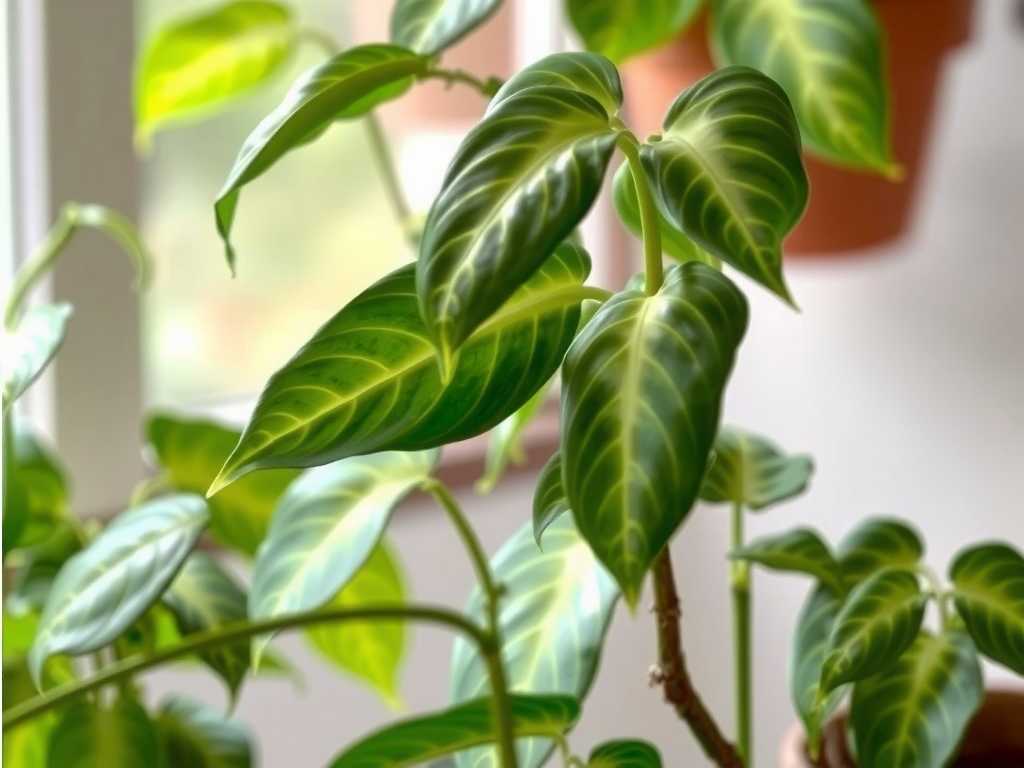
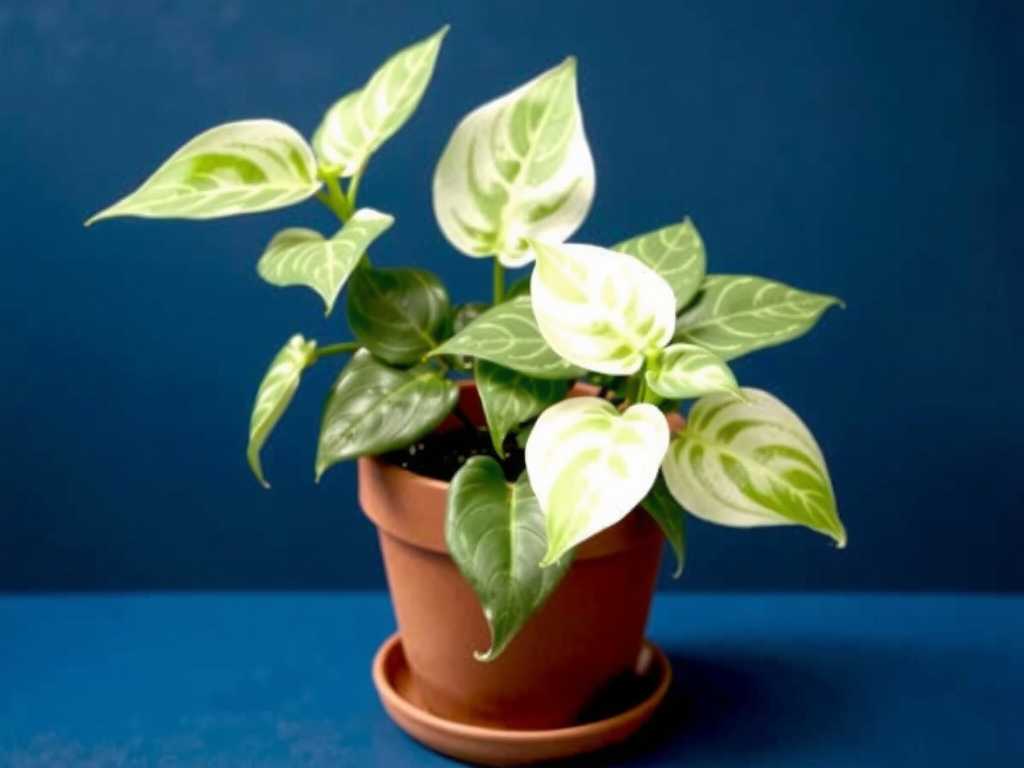
Caring for Variegated Pothos (Marble Queen, Snow Queen, Pearls and Jade) These beauties have less chlorophyll due to their white or light-green variegation. This means they photosynthesize less efficiently and grow more slowly. Their primary risk is overwatering, which can quickly lead to root rot. Ensure they receive bright, indirect light to support their growth and allow the soil to dry out more thoroughly between waterings compared to solid green types.
Caring for Solid Green & Robust Varieties (Jade Pothos, Global Green) Varieties like the resilient Jade Pothos are generally more forgiving and can tolerate slightly lower light. However, this perceived toughness can lead to neglect. While they resist some stressors, they are not immune to root rot from chronic overwatering. Their treatment follows the standard protocol, but they often bounce back more vigorously after corrective care.
Caring for Sensitive or Unique Varieties (Neon, Cebu Blue, Satin Pothos) The vibrant Neon Pothos can show stress more visibly. Yellowing might be easier to spot but also mistaken for disease when it could be a nutrient or light issue. The silvery Satin Pothos (Scindapsus pictus), though not a true Epipremnum, has similar care needs and is particularly sensitive to overwatering. It prefers its soil to be almost completely dry before the next drink. For these, precision in watering is the best preventive medicine.
Prevention: Building a Resilient Plant
An ounce of prevention is worth a pound of cure, especially in plant care.
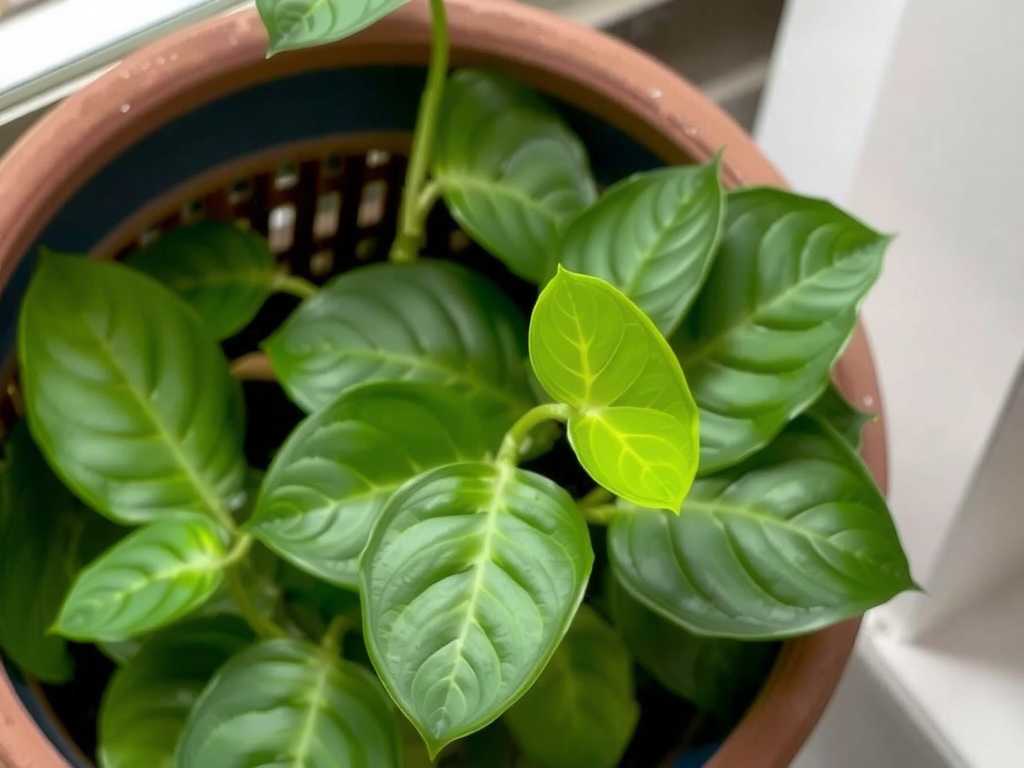
- Perfect Your Watering Technique: The golden rule is “water deeply, but infrequently.” Always check the soil moisture 1-2 inches down before watering. Most pothos diseases start with excessive moisture.
- Provide Optimal Light: Bright, indirect light strengthens all pothos varieties, enabling them to better resist pathogens. Low light weakens the plant and keeps soil wet for longer.
- Ensure Proper Humidity and Airflow: Maintain moderate humidity (40-60%) and ensure good air circulation to discourage fungal growth. A gentle fan in the room can help.
- Practice Cleanliness: Regularly wipe leaves with a damp cloth to remove dust, which can harbor pests and block light. Sterilize your pruning tools between uses.
Frequently Asked Questions
Can I use hydrogen peroxide to treat pothos root rot? Yes, it can be a useful tool. After cutting away the rotten roots, you can soak the remaining healthy root ball in a mixture of one part 3% hydrogen peroxide to two parts water for 10-15 minutes. This helps to kill any lingering anaerobic bacteria and oxygenate the roots before repotting in fresh soil.
Why are the leaves on my Marble Queen Pothos turning yellow? On a variegated pothos, yellowing leaves most commonly point to overwatering or insufficient light. Check the soil first. If it’s soggy, follow the root rot treatment steps. If the soil is dry, assess its light situation; it may need a brighter spot to support its variegated foliage.
Should I use a fungicide on my diseased pothos? For severe fungal outbreaks like Southern Blight, a commercial fungicide may be necessary as a last resort after implementing all cultural controls (repotting, improving airflow, reducing humidity). For minor mildew or as a preventive, a natural neem oil solution can be effective. Always test any treatment on a small leaf area first and follow the product label instructions carefully.
Successfully nursing a pothos back to health requires patience and observation. By understanding the common diseases, applying decisive treatment steps, and adjusting care for the specific needs of your plant’s variety, you can overcome these challenges. Remember, the goal is to create a stable environment where your pothos—whether a common Golden or a rare variegated specimen—can thrive with resilience. Consistent, attentive care tailored to your specific plant is the most powerful remedy of all.


发表评论