 admin
admin How to Treat Pests in Different Pothos Varieties
Discovering tiny, unwelcome visitors on your beloved pothos can be disheartening. You’ve carefully selected your Golden Pothos, Marble Queen, or Neon, only to find leaves turning yellow, sticky residue, or fine webbing. The frustration is real, especially when a one-size-fits-all treatment fails because different pothos varieties can have unique susceptibilities. This comprehensive guide will walk you through identifying, treating, and preventing pests across the most popular pothos types, ensuring your trailing beauties remain vibrant and healthy.
Understanding Your Pothos: Why Variety Matters in Pest Control
Not all pothos plants are created equal when it comes to pest resistance. Their varying leaf textures, growth rates, and colorations can make them more or less appealing to certain insects. For instance, a pest control strategy for a delicate, slow-growing Marble Queen may differ from that for a robust Golden Pothos. Recognizing these nuances is the first step in effective, targeted treatment.
Common Pothos Pests: Identification and Early Signs
Before treating, you must know your enemy. Here are the most frequent culprits:
- Spider Mites: These tiny arachnids thrive in dry conditions. Look for fine, silky webbing on undersides of leaves and stems, along with stippling (tiny yellow dots) on the foliage. They are a common problem for many indoor plants, including pothos.
- Mealybugs: Appearing as small, white, cottony masses in leaf axils, on stems, and under leaves. They suck sap and excrete sticky honeydew.
- Scale: These pests look like small, brown, tan, or white bumps stuck to stems and leaves. They can be hard or soft and are often mistaken for part of the plant.
- Fungus Gnats: Small, dark flies hovering around the soil. Their larvae live in the top layer of damp soil, feeding on organic matter and sometimes roots.
- Aphids: Small, soft-bodied insects in green, black, or white, usually found on new growth and undersides of leaves.
Tailored Treatment Strategies for Popular Pothos Varieties
1. Treating Pests on Golden Pothos and Jade Pothos
These classic, solid-green varieties are generally the most robust. Their thicker, waxier leaves can tolerate more vigorous cleaning.
- Treatment Approach: Start with a strong blast of water in the shower to dislodge pests. Follow with wiping leaves using a solution of insecticidal soap or neem oil. For severe infestations, a systemic houseplant insecticide can be effective due to the plant's hardy nature. Ensure complete coverage, especially under leaves.
- Prevention Tip: Their vigor means they recover quickly. Maintain consistent watering (allowing soil to dry between) and provide bright, indirect light to keep them strong and less inviting to pests.
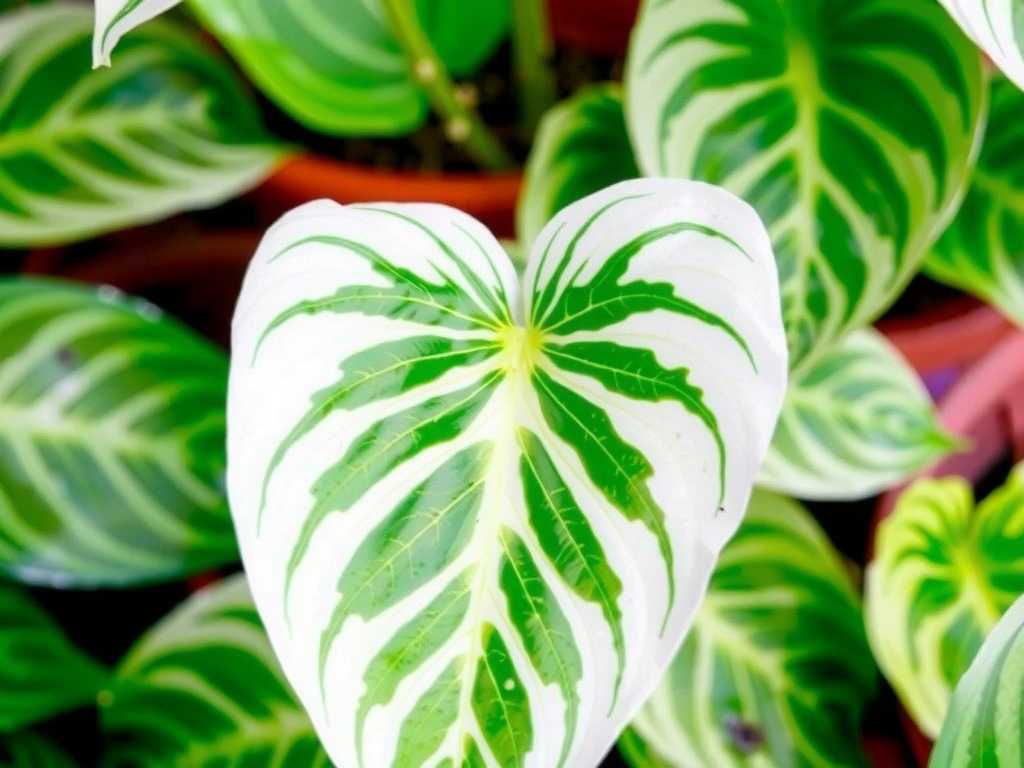
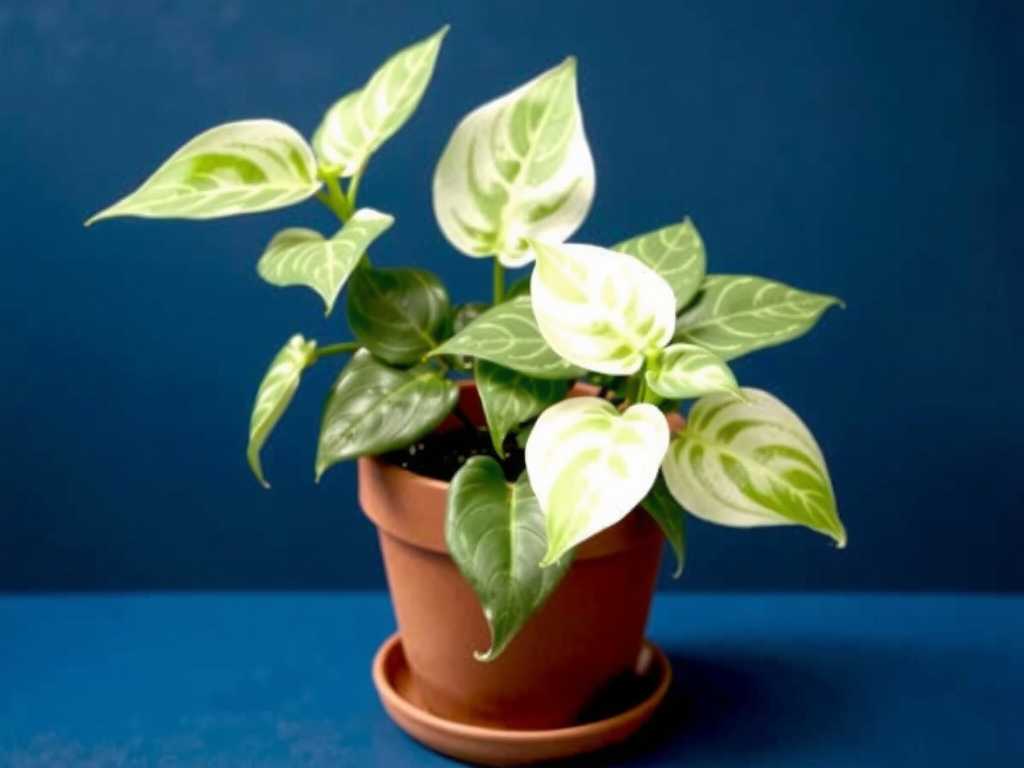
2. Treating Pests on Variegated Pothos (Marble Queen, Snow Queen, Manjula)
The stunning white-and-green variegation comes with slightly more delicate care needs. The less chlorophyll in the white sections makes the plant a bit less vigorous and potentially more stressed by harsh treatments.
- Treatment Approach: Gentleness is key. Avoid harsh rubbing on the delicate white areas. Use a soft cloth or cotton swab dipped in a diluted neem oil or insecticidal soap solution. Test on a small area first. For mealybugs in crevices, a cotton swab dipped in isopropyl alcohol is precise and effective. Avoid strong systemic chemicals unless absolutely necessary.
- Prevention Tip: These varieties need excellent, bright indirect light to maintain variegation and strength. Avoid overwatering, as stress from poor light or soggy soil makes them prime targets for pests.
3. Treating Pests on Neon Pothos and Lemon Mousse Pothos
Their stunning, bright chartreuse or yellow-green leaves are the attraction. Their pest profile is similar to the golden pothos, but their vibrant color makes pest damage more visually apparent.
- Treatment Approach: Similar to golden pothos, use insecticidal soap or neem oil sprays. Be vigilant, as yellowing (a sign of pest damage) can be mistaken for watering issues on these naturally yellow-toned plants. Inspect frequently.
- Prevention Tip: While they tolerate lower light, providing medium to bright indirect light will promote tighter growth and a stronger immune system. Consistent care prevents stress-related infestations.
4. Treating Pests on Unique Varieties (Cebu Blue, Baltic Blue, Satin Pothos)
Cebu Blue and Baltic Blue have thicker, more textured leaves. Satin Pothos (Scindapsus pictus) has a velvety, matte finish. Their unique textures can sometimes trap moisture or make pests harder to spot.
- Treatment Approach: The textured leaves require careful cleaning to reach into grooves. A soft-bristled brush (like a makeup brush) can be useful with insecticidal soap. For the velvety leaves of Satin Pothos, avoid getting the surface overly wet; spot-treat with alcohol on a swab for mealybugs instead of drenching the foliage.
- Prevention Tip: Excellent air circulation is crucial to prevent pests on these textured leaves. Ensure they are not overcrowded with other plants.
Step-by-Step Integrated Pest Management for Any Pothos
Follow this sequence for the best results, adjusting for your plant's variety as noted above.
Step 1: Immediate Isolation and Inspection Move the infested plant away from all others immediately. This is the most critical step to prevent a pest management problem from becoming a full-blown infestation. Inspect all neighboring plants thoroughly.
Step 2: Physical Removal Take the plant to a sink or shower. Use a strong stream of lukewarm water to wash off as many pests as possible. Wipe remaining insects off with a soft cloth or cotton swab. For scale, you may need to gently scrape them off.
Step 3: Apply Targeted Treatment Choose an organic or chemical treatment based on the pest and plant type.
- Insecticidal Soap or Horticultural Oil (Neem Oil): These are safe, effective first-line defenses for most pests on most pothos. They work by contact, so thoroughly coat all plant surfaces, especially undersides. Repeat every 7-10 days for 3-4 applications to break the life cycle.
- Isopropyl Alcohol: Effective for spot-treating mealybugs and scale on delicate varieties. Apply with a cotton swab directly onto the pest.
- Systemic Insecticides: For persistent, severe infestations on hardy varieties like Golden Pothos. Granules mixed into the soil are taken up by the roots, making the plant itself toxic to sucking insects. Use as a last resort and follow label instructions precisely.
Step 4: Environmental Correction Pests often exploit weak or stressed plants. Re-evaluate your care routine:
- Watering: Are you overwatering? Fungus gnats and root rot thrive in wet soil. Allow the top few inches to dry out.
- Humidity: Spider mites love dry air. Increasing humidity with a pebble tray or humidifier can deter them, especially for your variegated pothos plants.
- Light & Nutrition: Is your plant getting enough light to grow strongly? Are you fertilizing lightly during the growing season? A healthy plant is the best defense.
Step 5: Ongoing Monitoring and Prevention After treatment, keep the plant isolated for at least 2-3 weeks. Inspect it weekly for any signs of returning pests. Regularly check all your houseplants as part of your routine. Quarantine new plants for a month before introducing them to your collection—this is the single best preventative measure for managing pests on pothos.
Expert Insights for Lasting Plant Health
Renowned horticulturist and author Jane Perrone emphasizes, "The goal isn't a sterile, pesticide-drenched plant, but a resilient one living in a balanced ecosystem. Often, the solution to pests is correcting the environment, not reaching for the strongest spray." This aligns with the core principle of Integrated Pest Management (IPM): prevention through proper care is more sustainable than repeated cure.
Why are my pothos leaves turning yellow even after I treated for pests? Yellowing leaves can be a delayed reaction to the stress of the infestation itself or a side effect of treatment if it was too harsh. It can also indicate unrelated issues like overwatering, nutrient deficiency, or natural aging. Remove the yellow leaves, ensure proper care, and give the plant time to recover and produce new, healthy growth.
Can I use homemade soap spray on my pothos? You can, but with caution. A mild solution of pure castile soap (not detergent) diluted in water can work. However, homemade mixes lack the precise formulations of commercial insecticidal soaps and may damage sensitive leaves, especially on variegated or velvety varieties. Always test on a single leaf first and monitor for 48 hours for any adverse reaction like burning or discoloration.
How often should I check my pothos for pests? Make a quick visual inspection part of your weekly watering routine. Look under leaves, along stems, and at the soil surface. Early detection is the simplest way to manage pests on pothos and makes treatment far easier and less invasive for the plant.
Dealing with pests is an almost inevitable part of plant parenthood, but it doesn't have to spell disaster for your pothos collection. By accurately identifying the pest, understanding the specific needs and sensitivities of your pothos variety—whether it's a sturdy Golden or a delicate Marble Queen—and following a structured treatment plan, you can effectively reclaim your plant's health. Remember, consistency in aftercare and prevention is what will keep your vines lush and pest-free in the long run. Your vigilant care is the ultimate shield against future invasions.


发表评论