 admin
admin How to Acclimate New Pothos Varieties to Your Home Successfully
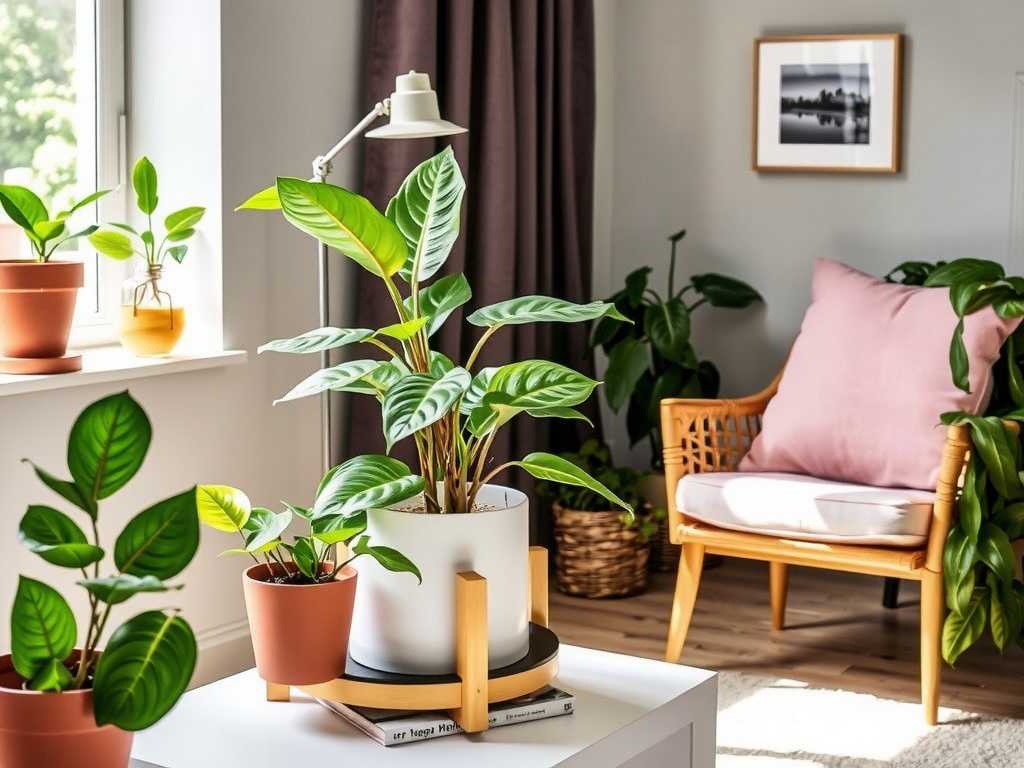
Bringing home a new pothos plant is always exciting. Whether it's a stunning Marble Queen, a neon-bright Neon, or the elegant Jade, these resilient vines promise to add life to any space. However, that initial thrill can quickly turn to worry when you notice your new plant looking droopy, losing leaves, or simply not thriving as expected. This period of adjustment, known as acclimation, is the most critical phase in your plant's journey from the nursery to your living room. The good news? With a proper understanding of how to acclimate new pothos varieties to your home environment, you can transform this fragile transition into a foundation for years of lush, vigorous growth.
Understanding the Acclimation Shock
Your new pothos has likely lived in near-ideal conditions: perfect greenhouse humidity, consistent filtered light, and a carefully controlled watering schedule. Your home, while comfortable for you, presents a completely different set of environmental factors. This sudden change stresses the plant, a condition often called "transplant shock" or "acclimation stress."
Signs your pothos is acclimating include slight yellowing of a few older leaves, a temporary pause in growth, or some leaf droopiness. Severe or prolonged symptoms, however, indicate the process needs more support. The goal of acclimation isn't to prevent all stress—that's nearly impossible—but to minimize it and guide the plant gently toward adapting to its new forever home.
The Step-by-Step Acclimation Protocol
Follow this structured, gentle approach to welcome your new pothos and set it up for success from day one.
Initial Quarantine and Observation
Before introducing your new plant to your existing collection, place it in a separate room for at least one to two weeks. This crucial step serves two purposes. First, it allows you to monitor for any hidden pests like spider mites or mealybugs that could spread to your other plants. Second, it gives the pothos a quiet, stable environment to begin adjusting without competition or variable microclimates. Inspect the leaves (top and underside) and stems closely during this period.
Mastering the Light Transition
Light is the most common source of acclimation stress. A pothos moving from bright, indirect greenhouse light to a dim corner will struggle, and vice-versa.
Start by placing your pothos in a spot with slightly lower light than what it was presumably used to, or in filtered light. For most varieties, this means a location a few feet back from a bright, east or north-facing window. Over the next 2-3 weeks, gradually move it closer to its intended long-term spot. This slow introduction allows the plant to build the appropriate chlorophyll and leaf structure for its new light levels. Remember, variegated varieties like Marble Queen or Golden Pothos need brighter light to maintain their patterns, while solid green Jades can tolerate lower light.
Optimizing Watering and Humidity
Watering needs will shift dramatically. The nursery's watering schedule is irrelevant now. Your guiding principle should be the "soak and dry" method. Check the soil moisture by inserting your finger about two inches deep. Water thoroughly only when the top half of the soil feels dry, allowing excess water to drain completely. Avoid letting the plant sit in a saucer of water.
Humidity is often the silent culprit. Greenhouses are humid; our air-conditioned or heated homes are not. To ease this transition, employ a simple pebble tray. Fill a shallow tray with pebbles and water, and place the pot on top (ensuring the pot's base is not submerged). As the water evaporates, it creates a localized humid microclimate. Grouping plants together can also raise humidity slightly. According to horticulturist and author Jane Perrone, "A sudden drop in humidity can cause leaf tip browning in many aroids, including pothos. A gradual adjustment or a localized boost can prevent this cosmetic damage."
Holding Off on Fertilizing and Repotting
Resist the immediate urge to repot or fertilize. Repotting adds another layer of root disturbance on top of environmental shock. Unless the plant is severely root-bound or the soil is poor, wait at least one month, or until you see signs of new growth. Similarly, the fresh potting mix from the nursery contains enough nutrients for several weeks. Fertilizing a stressed plant can burn delicate roots and worsen its condition. Once the plant is actively growing (usually after 4-6 weeks), you can begin a diluted, balanced feeding routine during the growing season.
Patience and Consistent Monitoring
The final and most important step is patience. Acclimation is not a 48-hour process. It can take a pothos plant 4 to 8 weeks to fully settle in and resume normal growth. During this time, avoid moving it frequently. Consistency is key. Monitor it closely, but intervene minimally. Your role is to provide stable conditions, not to over-correct at the first sign of a yellow leaf.
Troubleshooting Common Acclimation Issues
- Yellowing Leaves: A few lower, older leaves yellowing and falling is normal as the plant reallocates energy. Widespread yellowing often points to overwatering. Check your soil moisture and ensure the pot drains well.
- Leaf Drop: Some leaf loss is expected due to shock. Ensure the plant isn't in a drafty location (near AC vents or doors) and that light levels are appropriate.
- Brown, Crispy Leaf Edges: This is a classic sign of low humidity. Implement the pebble tray method and ensure the plant is adequately watered.
- Leggy Growth or Loss of Variegation: This indicates insufficient light for the variety. Gradually move your pothos to a brighter location.
How long does it typically take for a new pothos to adjust? Most pothos plants will show signs of being settled, like producing new leaves, within 4 to 8 weeks. The full acclimation process, where the plant is growing vigorously and tailored to your specific home conditions, can take up to one full growing season.
Should I prune my pothos when I first bring it home? It's best to avoid pruning during the initial acclimation period unless you are removing clearly dead or dying leaves or stems. Pruning is an additional stress. Once the plant is actively growing and healthy, you can prune to shape it or encourage bushier growth.
My pothos came in a decorative pot with no drainage. What should I do? This is a common issue. While you should hold off on a full repot, it's wise to remove the plant from the decorative pot for watering. Take the inner nursery pot (which has drainage holes) to the sink, water it thoroughly, let it drain completely, and then place it back into the decorative pot. This prevents the roots from sitting in water, which is a leading cause of root rot during the sensitive acclimation phase.
Successfully integrating a new pothos into your home is a rewarding process that builds a stronger connection between you and your plant. By prioritizing a gentle transition—managing light shifts, perfecting your watering touch, and boosting humidity—you directly address the core challenges of moving from a controlled nursery to a domestic setting. Observing your plant's subtle cues and responding with patience is the true art of plant care. When you see that first new, perfectly adapted leaf unfurl in your space, you'll know your pothos has not just survived the move, but has truly begun to thrive.

发表评论