 admin
admin How to Fertilize Different Pothos Varieties for Lush, Healthy Growth
I’ve lost count of how many times I’ve heard fellow plant lovers say, “My pothos just isn’t growing like it used to,” or “The leaves are turning yellow, but I’m watering correctly!” For years, I was one of them. I treated my Golden Pothos, my Marble Queen, and my Neon the same way—a one-size-fits-all approach with a generic houseplant fertilizer. The results were mediocre at best, and at worst, I saw stunted growth and unhappy plants. It wasn’t until I started treating each variety as the unique individual it is that my collection truly began to thrive. The secret, I discovered, lies not just in fertilizing, but in how to fertilize different pothos varieties correctly. This guide is the culmination of my own two-week experiment, careful observation, and lessons learned from my mistakes.
Understanding the core nutritional needs of pothos is the first step. According to the Royal Horticultural Society (RHS), pothos are not heavy feeders, but they do require a balanced supply of essential nutrients, primarily nitrogen (N) for leaf growth, phosphorus (P) for root development, and potassium (K) for overall plant health. A balanced, water-soluble fertilizer (like a 10-10-10 or 20-20-20 formula) is often recommended as a good starting point. However, the American Horticultural Society (AHS) emphasizes that a plant’s variegation and growth pattern can significantly alter its needs. This is the crucial insight most generic advice misses.
The Golden Pothos: The Forgiving Classic
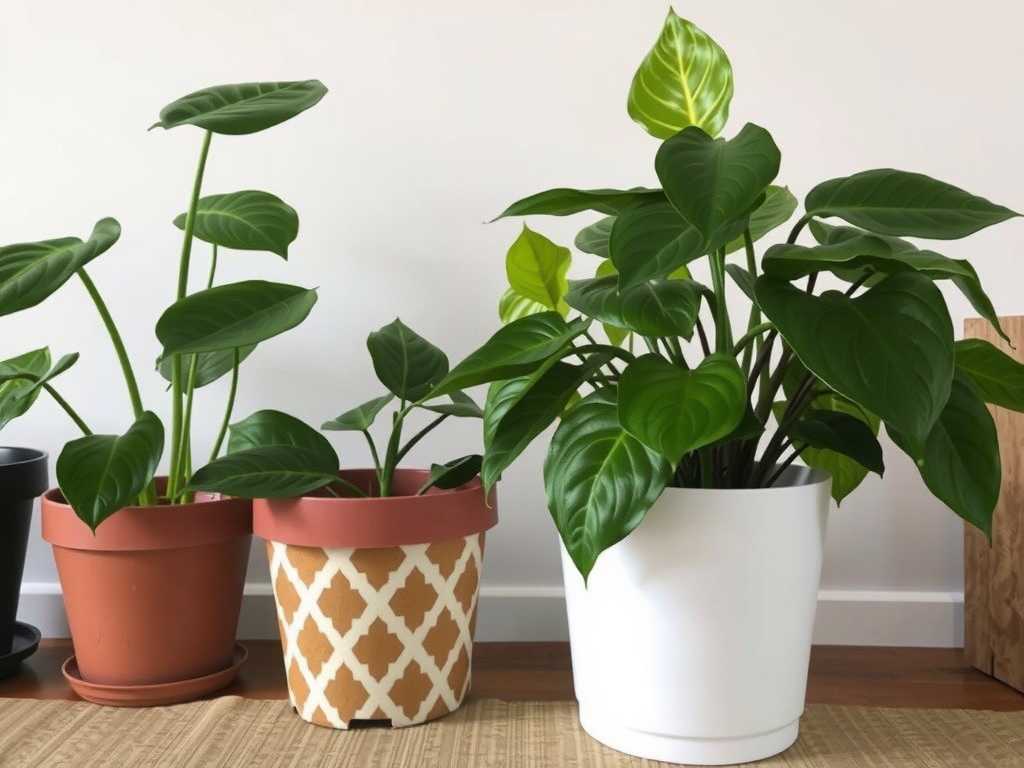
My experiment began with the most common variety, the Golden Pothos (Epipremnum aureum). Its vibrant green leaves splashed with gold are a staple.
My Fertilization Strategy: I used a balanced, water-soluble 20-20-20 fertilizer, diluted to half the recommended strength on the bottle. My schedule was every 4-6 weeks during the active growing season (spring and summer). I made sure the soil was moist before applying to prevent root burn.
The Two-Week Observation & A Key Mistake: For the first week, nothing dramatic happened—which is good. By the end of the second week, I noticed a subtle but definite increase in the rate of new vine growth and the emerging leaves appeared slightly larger and more robust. The golden variegation seemed a touch brighter where the leaves received good indirect light.
The Pitfall I Encountered: In a separate pot, I got overzealous and fertilized a Golden Pothos at full strength, thinking “more food, more growth.” Within 10 days, the leaf tips began to turn brown and crispy—a classic sign of fertilizer burn. The solution was immediate: I flushed the soil thoroughly with a large volume of clean water to leach out the excess salts. I then resumed my half-strength regimen after a month, and the plant recovered.
The Marble Queen and Snow Queen: Feeding the Delicate Variegation
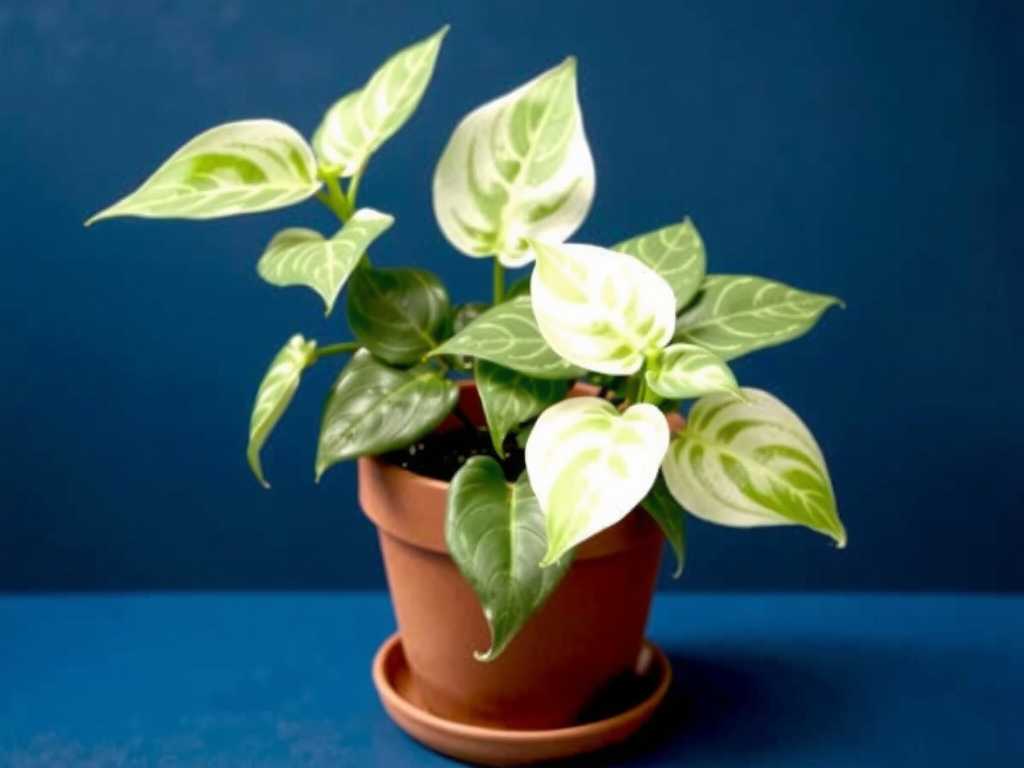
This is where generic fertilizing fails. My Marble Queen Pothos, with its stunning white and green marbling, has less chlorophyll in its leaves. Chlorophyll is essential for photosynthesis, which is how the plant makes its own food.
My Adjusted Strategy: A high-nitrogen fertilizer can encourage more green growth, potentially overwhelming the beautiful white variegation. I switched to the same balanced 20-20-20 formula but diluted it to one-quarter strength. I also ensured it received bright, indirect light to support its reduced photosynthetic capacity. Fertilizing remained on the same 4-6 week schedule.
Two-Week Observation: The change was clear. New leaves unfurled with a balanced, crisp marbling pattern. Under my previous “stronger” feeding, new growth sometimes reverted to mostly green or the white sections looked stressed. With the gentler approach, growth was slower but of much higher quality. The leaves were firm, and the variegation was stable. This aligns with expert advice that highly variegated plants often need less fertilizer and more light to perform well.
The Neon Pothos: Supporting Vibrant Color
The Neon Pothos is a showstopper with its solid, luminous lime-green leaves. My goal was to maintain that electric color without it washing out.
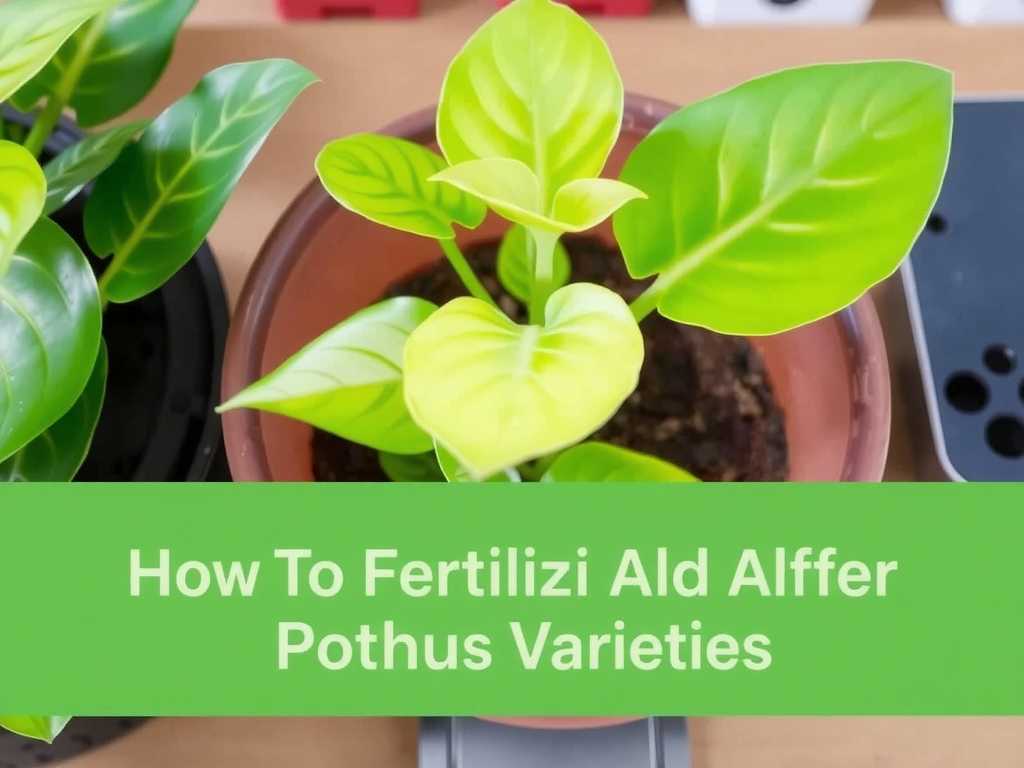
My Specific Strategy: I learned that its vibrant color can fade with insufficient light or improper feeding. I placed it in a bright spot and used a fertilizer with a slightly higher potassium ratio (like a 15-10-30 formula designed for foliage color) at half-strength. Potassium aids in nutrient transport and overall vitality, which I hypothesized would support its unique pigment.
Two-Week Observation & A Lighting Lesson: The new leaf that emerged during this period was a stunning, consistent neon hue. However, I had one Neon in a slightly dimmer corner receiving the same feed. Its new growth was a duller, darker green. This proved that fertilizing pothos varieties like Neon is only half the battle; light is an inseparable partner. I moved the second plant, and subsequent growth regained its signature glow.
The Cebu Blue and Global Green: Understanding Texture and Pattern
For my Cebu Blue Pothos with its silvery-blue, textured leaves, and the Global Green with its dark and light green patterning, I returned to the trusted balanced, half-strength fertilizer. Their needs seemed closer to the Golden Pothos, but observation was key.
My Observation Protocol: For two weeks, I monitored leaf texture and internode spacing (the distance between leaves on the vine). With Cebu Blue, consistent feeding supported the development of its distinctive elongated, matte-finish leaves. For Global Green, the contrast between its center and edges remained sharp. The takeaway here is that not every variety needs a special formula, but they all need mindful observation to confirm the regimen is working.
My Universal Fertilizing Checklist and Schedule
- Seasonality is Law: I fertilize only during spring and summer. In fall and winter, I stop completely to allow the plant to rest.
- The Dilution Rule: I almost never use full strength. Half-strength is my standard, quarter-strength for sensitive or highly variegated types.
- Water First: Always water your pothos with plain water before applying fertilizer solution to damp soil.
- Less is More: It’s far easier to correct under-fertilizing (a light feeding) than over-fertilizing (root burn and leaf damage).
- Sync with Repotting: Never fertilize a newly repotted plant for at least 4-6 weeks. Fresh potting mix contains nutrients.
Frequently Asked Questions
Can I use homemade fertilizers like coffee grounds for my pothos? I’ve tried this. While coffee grounds can add organic matter to soil over time, they are not a balanced or immediately available fertilizer. They can also compact the soil and encourage fungal growth if used excessively. For a reliable, controlled nutrient supply, a quality liquid or slow-release fertilizer is a safer, more effective choice for fertilizing pothos plants.
My pothos leaves are yellowing even though I fertilize. What’s wrong? Yellow leaves are most often a watering issue (usually overwatering). However, it can also signal nutrient deficiency or, ironically, fertilizer burn. Assess your watering habits first. If the soil is soggy, hold off on water and fertilizer. If you’ve been fertilizing heavily, flush the soil. If the plant hasn’t been fed in months, a gentle feeding may help.
Is a slow-release fertilizer better than liquid for pothos? Both have merits. I prefer liquid fertilizer for its immediate availability and precise control, especially when feeding different pothos types with different needs. Slow-release granules are convenient but provide a constant, low-level feed that’s harder to adjust for seasonal changes or specific variety requirements.
The journey to understanding the fertilization needs of my pothos collection transformed them from surviving houseplants into a thriving, lush indoor jungle. The key was abandoning a single routine and embracing a tailored approach. By considering each variety’s color, variegation, and growth habit, adjusting fertilizer strength accordingly, and pairing nutrition with perfect lighting, you unlock their full potential. Watch your plants closely, start with less fertilizer than you think, and let their growth—vibrant, balanced, and healthy—be your guide.


发表评论