 admin
admin How to Care for Pothos Varieties in Summer: A Plant Lover’s Survival Guide
Summer is here, and while we enjoy the sunshine, our leafy friends often send out distress signals. If you’ve ever found your beloved Pothos with yellowing leaves, crispy edges, or a sudden case of the droops as the mercury rises, you’re not alone. I’ve been there, staring at a once-lush Golden Pothos, wondering where I went wrong. The truth is, summer care for Pothos varieties isn’t just about watering more; it’s a nuanced dance of adjusting light, humidity, and routine to match the season’s intensity. Over the years, I’ve learned that these resilient plants communicate clearly—we just need to understand their language. In this guide, I’ll walk you through my firsthand, step-by-step summer care regimen, born from both success and plenty of mistakes, to keep your Pothos not just surviving, but thriving through the hottest months.
Understanding Your Pothos’ Summer Needs
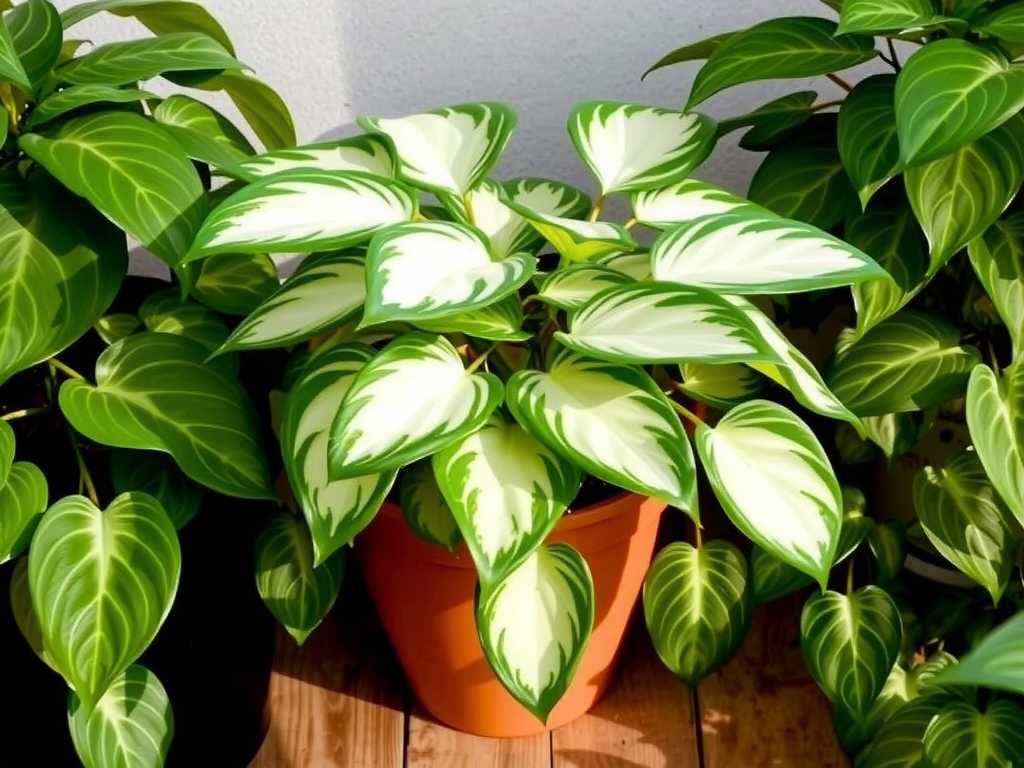
Pothos plants, from the classic Epipremnum aureum to the stunning Marble Queen and neon varieties, are tropical by nature. We often label them “low-light tolerant,” but this can be misleading in summer. Their metabolism speeds up with increased light and warmth, changing their needs fundamentally. The Royal Horticultural Society (RHS) notes that while tropical foliage plants can adapt to various indoor conditions, their peak growth period aligns with warmer seasons, demanding heightened attention to moisture and nutrient cycles. It’s not about coddling them; it’s about strategically supporting their natural growth spurt.
I learned this the hard way. One summer, I kept my watering schedule static, assuming consistency was key. Two weeks in, my Snow Queen Pothos developed several yellow leaves. Upon investigation, I realized the soil was drying out twice as fast due to a sunnier window location and the room’s air conditioner reducing ambient humidity. The plant was thirsty and stressed. This two-week observation was a turning point, teaching me that summer care for Pothos requires proactive adjustment, not a fixed routine.
The Summer Pothos Care Routine: A Step-by-Step Guide
Here is the exact routine I now follow every summer, which has transformed my collection’s health.
Mastering the Watering Balance
This is the most critical shift. The goal is consistent, even moisture—not sogginess.
- My Method: I’ve moved from a calendar-based schedule to a soil-check system. Every 3-4 days, I insert my finger about two inches into the potting mix. If it feels dry, I water thoroughly until it runs freely from the drainage holes. I always do this in the morning, allowing excess water to evaporate during the day and preventing root rot.
- The Pitfall & Fix: My biggest mistake was “sympathy watering”—giving small sips on extra-hot days. This only moistened the top layer, encouraging roots to grow upward and making the plant more vulnerable to drought. The solution was deep, infrequent soaks, ensuring the entire root ball was hydrated. For my larger, trailing Golden Pothos, this meant a proper soak in the sink once a week, versus a cup of water every few days.
Strategic Light and Placement
Not all summer light is created equal.
- My Method: I pull all my Pothos varieties back from south and west-facing windows by at least 3-5 feet. They still receive abundant bright, indirect light but are shielded from the harsh, direct rays that can scorch leaves, especially on variegated types like Marble Queen, which are more sensitive. A sheer curtain becomes your best friend.
- The Observation: Over a two-week period after relocating my Neon Pothos from a direct eastern exposure to a bright northern shelf, I noted its vibrant color remained consistent without any bleached or pale spots. New leaves unfurled faster and were larger, indicating it was receiving optimal light without stress.
Winning the Humidity Battle
Air conditioning and heat sap moisture from the air, which Pothos dislike.
- My Tactic: Instead of misting (which offers a temporary boost and can promote fungal issues if overdone), I use pebble trays. I fill shallow trays with water and pebbles and place the pots on top. As the water evaporates, it creates a localized humid microclimate. I also group plants together, which allows them to create a shared humid zone through transpiration.
- Expert Backing: The American Horticultural Society (AHS) emphasizes that grouping plants is an effective, low-tech method for raising humidity around foliage plants, closely mimicking their natural understory environment.
Feeding for Growth
Summer is their prime growing season, so they need fuel.
- My Schedule: I use a balanced, water-soluble fertilizer (like a 10-10-10 or 20-20-20 formula) diluted to half the recommended strength. I apply this every 4-6 weeks during the summer months. I never fertilize a dry plant; I always water first with plain water to prevent root burn.
- The Lesson: One year, I over-fertilized, thinking “more is better.” The result was salt buildup in the soil, visible as a white crust on the surface, and the leaf tips turned brown and crispy. I had to flush the soil by running slow, steady water through it for several minutes to leach out the excess salts—a messy but necessary rescue operation.
Vigilance and Maintenance
Summer invites pests and encourages leggy growth.
- My Routine: Every time I water, I quickly inspect the undersides of leaves and stems for signs of spider mites or mealybugs. Increased humidity from pebble trays helps deter spider mites. I also take this season to pinch back any excessively long vines. This encourages bushier growth and prevents the plant from becoming sparse.
- The Two-Week Test: After implementing this inspection routine, I caught a minor spider mite issue on my N’Joy Pothos early. I simply wiped the leaves with a damp cloth and increased the pebble tray humidity. The problem was resolved without needing insecticides, proving that consistent observation is the best defense.
Troubleshooting Common Summer Issues
Even with perfect care, problems arise. Here’s how I handle them.
- Yellow Leaves: This is summer’s most common cry for help. Often, it’s overwatering (especially if the soil feels soggy) or underwatering (if the soil is bone dry and the pot is light). Check the soil first. Sometimes, it’s just an older leaf naturally dying off.
- Brown, Crispy Leaf Edges: This is typically low humidity or inconsistent watering. Ensure you’re watering deeply and consider a pebble tray. Scorched spots in the center of leaves, however, point to too much direct sun.
- Leggy Growth with Small Leaves: The plant isn’t getting enough light. Move it to a brighter location (still indirect) to encourage tighter internodes and larger leaves.
- No New Growth: This could be a need for fertilizer or a sign the plant is pot-bound. If roots are circling the bottom, consider repotting in early summer, but only go up one pot size.
Your Summer Pothos Questions, Answered
Can I put my Pothos outside for the summer? Yes, but with extreme caution. I’ve done this successfully by placing them in a completely shaded, sheltered spot like a covered porch. Never put them in direct outdoor sun, as the leaves will burn quickly. Always acclimate them gradually over a week, and be extra vigilant about watering as outdoor pots dry out faster. Bring them back inside well before nighttime temperatures drop below 50°F (10°C).
My Pothos’ soil seems to stay wet for too long, even in summer. What should I do? This is a sign of a soil mix that retains too much moisture or a pot with insufficient drainage. For healthy Pothos plant summer care, a well-draining potting mix is crucial. I make my own with two parts regular potting mix, one part perlite, and one part orchid bark for aeration. Ensure your pot has a drainage hole. If the problem persists, check if the roots are healthy (firm and white) and consider downsizing the pot if it’s too large for the root system.
Is it okay to propagate Pothos in the summer? Absolutely! Summer is the ideal time for propagating Pothos in hot weather. The warm temperatures and higher humidity encourage faster root development. I take cuttings with 3-4 nodes, remove the bottom leaves, and place them in water. In my summer conditions, I often see robust roots an inch long within just two weeks, compared to a month in winter. You can then pot them up to expand your collection or share with friends.
Caring for your Pothos in summer is an exercise in attentive, responsive gardening. It’s about reading the signals—the weight of the pot, the color of the leaves, the feel of the soil—and adapting your care to support their active growth phase. By adjusting your watering, protecting them from harsh light, boosting humidity, and feeding lightly, you’re not just preventing problems; you’re setting the stage for explosive, vibrant growth. Remember, these plants are wonderfully communicative. Start with the soil check, be consistent with your observations, and don’t be afraid to move a plant that seems unhappy. With these practices, you’ll find that summer becomes your Pothos’ favorite season, and yours too, as you watch them flourish under your care.

发表评论