 admin
admin How to Care for Pothos Varieties in Winter: A Plant Lover's Survival Guide
I used to dread winter. Not for the cold or the short days, but for what it did to my beloved pothos collection. My Golden Pothos, usually a champion grower, would start sporting yellow leaves. My Marble Queen’s vibrant variegation would fade, and new growth would come in thin and sparse. I’d water on my usual schedule, only to find the soil stubbornly wet a week later. It felt like a battle I kept losing. If you’re nodding along, you’ve come to the right place. After years of trial, error, and a particularly enlightening two-week experiment, I’ve cracked the code on how to care for pothos varieties in winter. This isn’t just theory; it’s a practical, step-by-step guide born from real, hands-on experience in my own home.
Understanding the Winter Shift: It’s All About Dormancy
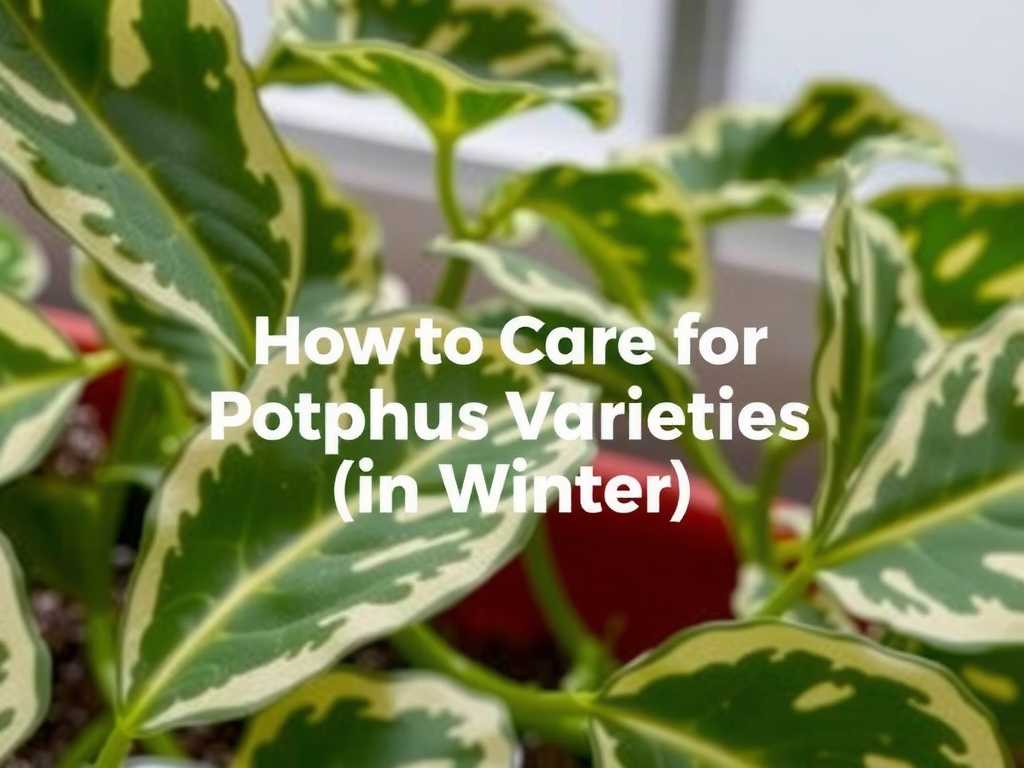
First, let’s reset our expectations. Pothos are tropical plants. In their natural habitat, they don’t experience the dramatic drop in light and temperature that our homes do in colder months. When light levels decrease and temperatures cool, pothos enter a state of semi-dormancy. Their growth slows or even stops. This is the single most important concept for winter pothos care. They are not actively growing, so their needs change fundamentally. Treating them like it’s summer is the root of most problems.
My Two-Week Winter Care Experiment
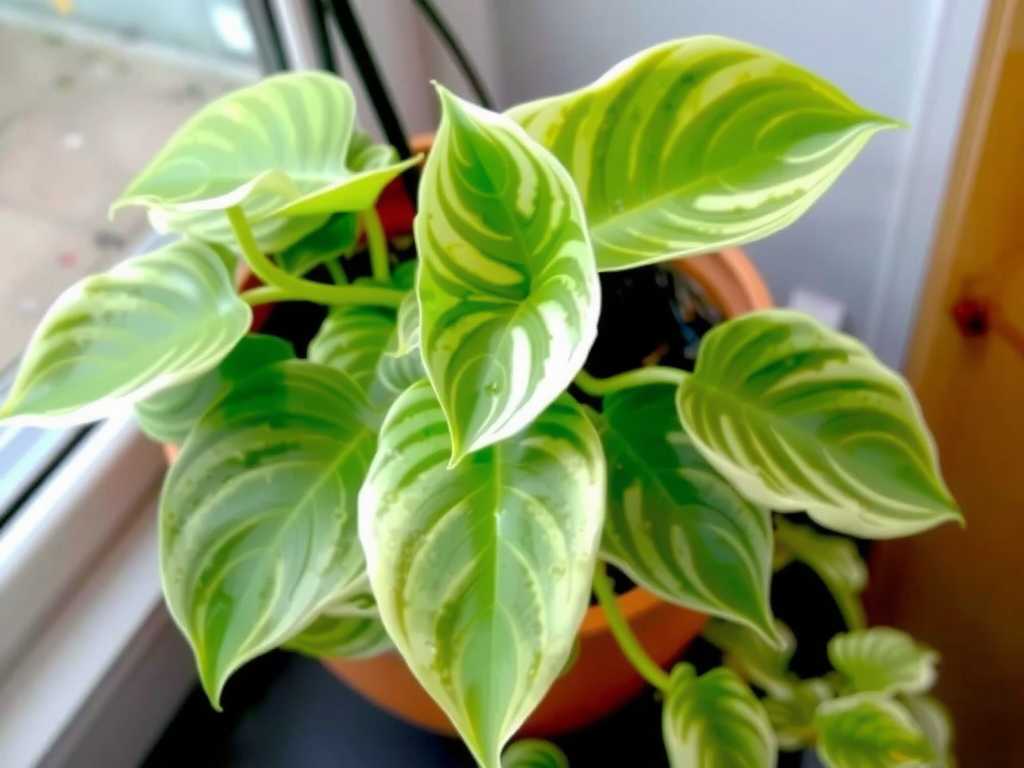
Frustrated by the guesswork, I decided to conduct a focused observation. I selected three common varieties: a Golden Pothos, a Neon Pothos, and a Jessenia Pothos. For two weeks, I adjusted my care based on the dormancy principle and documented everything.
The Adjustment Phase: Watering Less is More
My biggest change was watering. I completely abandoned my calendar-based schedule. Instead, I adopted the “finger test.” I would insert my finger about 2 inches into the soil. Only if it felt completely dry would I consider watering.
- What I Did: For all three plants, I waited until the soil was dry much deeper down than in summer. For the Golden Pothos in a plastic pot, this took nearly 3 weeks. The Jessenia, in a terracotta pot which wicks moisture, needed water after about 12 days.
- The Result (After 14 Days): The difference was startling. No new yellow leaves appeared. The existing yellowing on one Golden Pothos leaf halted. The soil surface was dry, but moisture was still present at the root level—perfect for a dormant plant. I had been chronically overwatering them before.
- The Pitfall & Solution: My pitfall was impatience. The soil looked dry on top after 10 days, but the finger test revealed moisture below. The solution was simple: trust the test, not your eyes or the calendar. The Royal Horticultural Society (RHS) emphasizes that overwatering in winter is the leading cause of houseplant death, as cool, wet soil promotes root rot. This was a game-changer for my pothos winter watering routine.
Finding the Light: The Great Window Move
Winter light is weaker and lasts for fewer hours. My plants sitting 5 feet from a north-facing window were effectively in the dark.
- What I Did: I moved all my pothos varieties much closer to my brightest windows. The Neon and Golden Pothos went to an east-facing window for gentle morning sun. The Jessenia, which can handle slightly less light, went to a bright north-facing sill. I made sure leaves weren’t touching the cold glass to prevent damage.
- The Result (After 14 Days): The Neon Pothos, which had been getting leggy, showed a noticeable improvement. The new, smaller internodal spacing indicated it was getting enough light. The variegation on the Golden Pothos became more defined, not washed out.
- The Pitfall & Solution: The pitfall here is assuming any spot is fine. The solution is to observe the quality of light. If you can’t easily read a book next to your plant without a lamp, it’s probably too dark. Consider supplementing with a grow light for 4-6 hours a day. The American Horticultural Society (AHS) notes that adequate light is crucial for maintaining plant health and color during the low-light season, even for low-light-tolerant plants like pothos.
Embracing the Chill (But Not Too Much): Temperature and Humidity
Pothos prefer temperatures between 65-85°F (18-29°C). Winter drafts and dry air from heating systems are silent stressors.
- What I Did: I moved plants away from drafty windows at night and away from hot air vents. I grouped them together on a pebble tray filled with water to create a localized humidity pocket. I also stopped fertilizing completely—a dormant plant doesn’t need extra nutrients and fertilizer salts can build up in the slow-drying soil.
- The Result (After 14 Days): The leaf tips on my Jessenia, which usually got slightly crispy in winter, remained smooth. The grouped plants seemed perkier. Most importantly, by withholding fertilizer, I avoided chemical burn and stress.
- The Pitfall & Solution: The pitfall is blasting your plants with dry, hot air. The solution is moderation. Keep them in a stable, moderately warm room. Grouping plants is a free and effective way to boost humidity. Misting, as experts from the RHS often clarify, provides only a very temporary humidity boost and is less effective than pebble trays or grouping.
Specific Care for Popular Pothos Varieties in Winter
While the core principles apply to all, some varieties have nuanced needs.
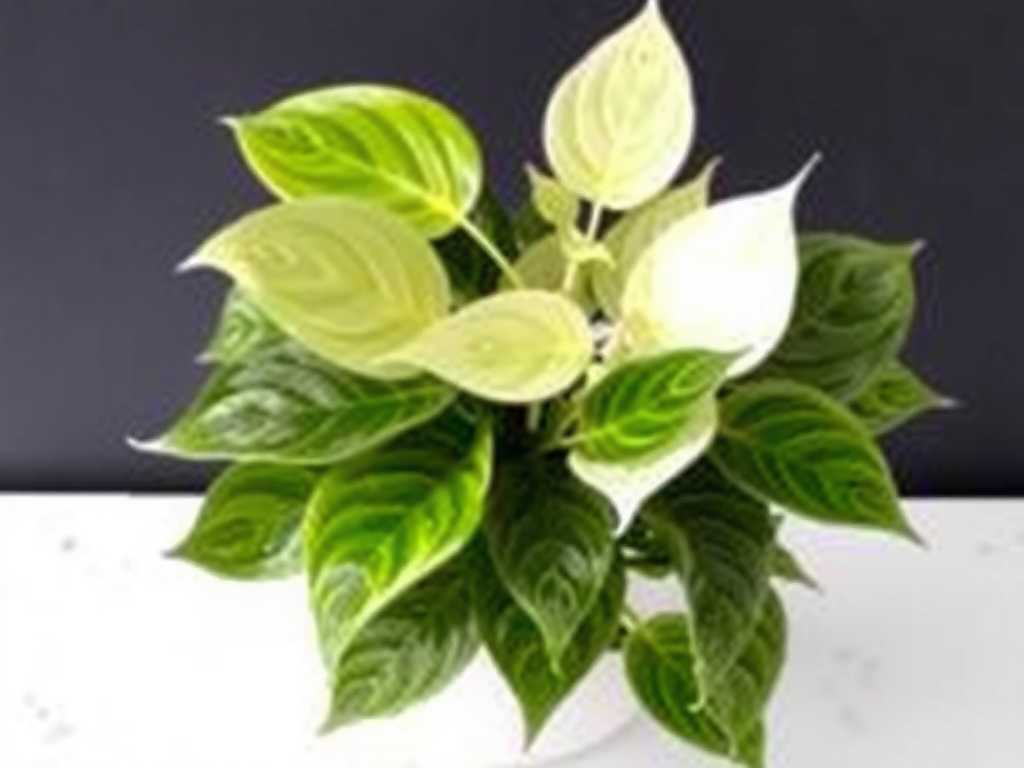
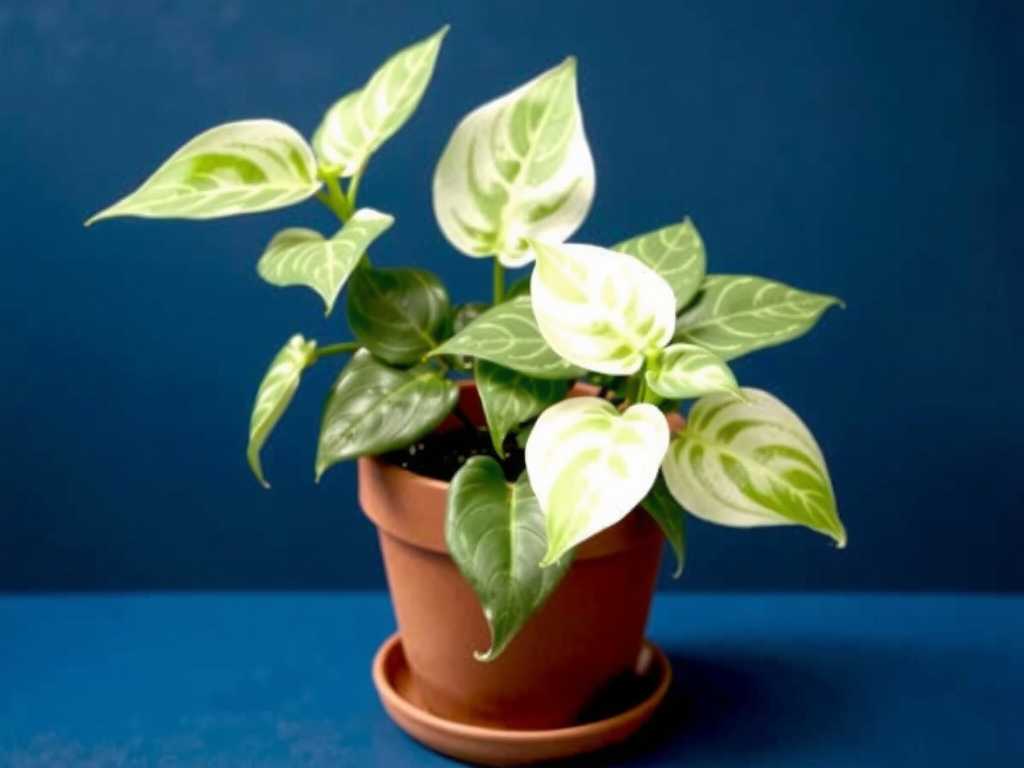
- Variegated Varieties (Marble Queen, Snow Queen, Manjula): These have less chlorophyll. In low light, they may revert to greener growth or grow slower. Prioritize the brightest indirect light you can for them. Their winter care for marble queen pothos is synonymous with maximizing light exposure.
- Darker Green Varieties (Jade, Global Green): These are slightly more tolerant of lower light but still need a bright spot. Watch for excessive stretching.
- Neon Pothos: Its bright color can dull in poor light. Ample indirect light will keep it fluorescent.
- Cebu Blue & Baltic Blue Pothos: These can handle slightly cooler temperatures but are still vulnerable to drafts. Ensure their soil is especially well-draining.
When Problems Arise: Winter Troubleshooting
Even with perfect care, issues can pop up. Here’s my quick diagnosis guide from experience:
- Yellow Leaves: Usually overwatering. Check soil moisture immediately. Let dry out thoroughly.
- Brown, Crispy Leaf Edges: Low humidity or inconsistent watering (letting the plant get too dry for too long). Increase humidity and check your watering timing.
- Drooping Leaves: Could be too cold (draft) or, ironically, thirsty. Feel the soil. If it’s bone dry and the plant is warm, give it a thorough drink. If it’s wet and cold, move it to a warmer spot and let it dry.
- No Growth: This is normal! Don’t panic and fertilize. Celebrate that your plant is resting peacefully.
My pothos has a few yellow leaves. Should I cut them off? Yes, but only if they are more than 50% yellow or completely brown. Gently prune them off at the base of the leaf stem with clean scissors. This allows the plant to redirect its minimal energy to healthy leaves. Removing one or two is fine; a sudden cascade of many indicates a watering issue.
Can I repot my pothos in winter? It’s best to avoid it unless it’s an emergency, like severe root rot. Repotting is stressful and encourages growth, which the plant isn’t prepared to support in dormancy. If you must, do it minimally, disturb the roots as little as possible, and don’t fertilize. Wait for spring.
My home is very dark in winter. What’s my best option? Invest in a simple, full-spectrum LED grow light. Even a few hours a day can make a monumental difference in keeping your pothos healthy and preventing leggy, weak growth. It’s the single most effective tool for maintaining pothos health in cold months in a low-light home.
Winter pothos care ultimately comes down to becoming more observant and less interventionist. Listen to your plant, not the season on the calendar. Water deeply but infrequently, chase the light, protect from drafts, and let it rest. By mimicking their natural slow-down period, you’re not neglecting them—you’re giving them exactly what they need to thrive. Come spring, when you see that first new, robust leaf unfurling, you’ll know your patient, tailored care paid off. Your pothos will emerge from winter not just surviving, but ready to explode with vibrant growth.

发表评论